

Allergen Information
Contains: Gluten, Wheat, Egg, Milk
May contain: Soy, Tree Nuts
Nutrition per 100g
Snacks & Sweets › Cookies & Cakes
Blueberry Muffin for Gestational Diabetes
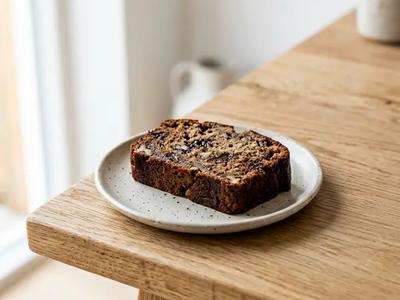
A blueberry muffin is a popular sweet cake-like bake studded with whole blueberries, commonly sold in coffee shops, bakeries, and supermarkets. Commercial bakery muffins are typically prepared using refined wheat flour, granulated sugar, vegetable oil or butter, eggs, leavening agents, and blueberries. Although they feature fruit, the base is fundamentally a soft sponge cake rather than a whole-grain breakfast food. They are known for their moist, tender crumb and sweet taste, frequently finished with coarse sugar on top. Standard commercial versions are energy-dense, containing notable amounts of refined carbohydrates and added sugars.
At a glance
Pregnancy safety
SafeBlood sugar impact
mediumCarbs / 100 g
51gIs Blueberry Muffin safe with gestational diabetes?
In a gestational diabetes eating plan, a standard bakery blueberry muffin requires careful planning because it is high in refined carbohydrates and added sugar. With 51 g of total carbohydrates and 29 g of sugar per 100 g, even a modest piece contributes a significant carbohydrate load. Blueberries do offer small amounts of dietary fiber, but the amount of fruit in commercial recipes is rarely enough to alter the overall impact of the refined flour and sugar base. Consulting your dietitian or diabetes educator can help you decide how occasional bakery treats fit alongside your daily meals.
How does Blueberry Muffin affect blood sugar during pregnancy?
A bakery blueberry muffin has an estimated glycemic index of 59 and tends to raise blood glucose concentrations quite rapidly. The combination of white wheat flour and sucrose means carbohydrates break down quickly in the digestive tract. Even though the fat content of 16.5 g per 100 g can slightly delay stomach emptying, the high concentration of readily absorbable sugars often leads to noticeable post-meal glucose rises for many women. Monitoring your blood sugar readings after eating sweet baked goods helps you understand how your individual body responds to these refined treats during pregnancy.
What is a safe portion of Blueberry Muffin for gestational diabetes?
Because standard bakery muffins frequently weigh 130 g or more, eating a whole one provides more carbohydrate than many gestational diabetes meal allowances. A suggested portion is around 40 g, which equals approximately one-quarter to one-third of a standard bakery muffin. This 40 g serving contains roughly 150 calories, 20.4 g of total carbohydrate, 11.6 g of sugar, 2.2 g of protein, 6.6 g of fat, and 0.6 g of dietary fiber. Sticking to this modest portion size helps prevent an overwhelming intake of rapid-acting carbohydrates while still allowing you to enjoy the taste.
How should I combine Blueberry Muffin to manage blood sugar during pregnancy?
Pairing a small 40 g portion of blueberry muffin with concentrated sources of protein and dietary fiber can be helpful. Enjoying your piece alongside a small bowl of plain unsweetened Greek yogurt, a hard-boiled egg, or a handful of raw walnuts introduces healthy fats and proteins. These macronutrients help slow the overall rate of gastric emptying and carbohydrate absorption. Following your snack with a gentle ten- to fifteen-minute walk may also support your post-snack readings. Testing your glucose levels afterwards gives valuable insight into whether this pairing works comfortably for your routine.
Last reviewed: August 31, 2026
Important Safety Information
Every pregnancy is different, and gestational diabetes is managed differently depending on your readings, your medication and how far along you are. The ratings and portions on this page are general information — not a diagnosis, a treatment plan or a medical device — and they cannot see your results.
- Low blood sugar:
- If you take insulin or diabetes medication, eating less carbohydrate than your team planned for can push your blood sugar too low. Treat a reading below 70 mg/dL (3.9 mmol/L), or symptoms such as shaking, sweating, confusion or a racing heart, with fast-acting carbohydrate immediately and retest after 15 minutes. Never use this page as a reason to skip or shrink a meal you were told to eat.
- Carbohydrate and ketones:
- Cutting carbohydrate hard to force a number down is not safe in pregnancy — it can produce ketones. Published guidance sets a minimum of 175 g of carbohydrate per day in pregnancy. Readings that stay above target for several days need your care team, not a smaller portion.
- Medication and insulin:
- The portions here are generic and know nothing about your insulin doses, your metformin, or the steroids given to mature your baby's lungs — all of which change how a meal affects you. Never adjust a dose or a mealtime based on this page.
- Food safety in pregnancy:
- Blood sugar is not the only thing that makes a food suitable while you are pregnant. Some foods with excellent glycemic numbers still carry mercury, vitamin A, listeria or alcohol risks, and those are judged separately from the ratings shown here. Check your national pregnancy food-safety guidance before adding an unfamiliar food.
- What these ratings can and cannot tell you:
- Glycemic index values, impact ratings and maximum servings are population averages taken from published tables. Two people eating the same food can get very different readings, so your own meter is the only measurement that describes you. Nutrition figures are indicative per 100 g and vary with brand, ripeness and preparation.
Contact your care team the same day if: your readings stay above target for several days; you have a reading below 54 mg/dL (3.0 mmol/L) or needed someone else's help to treat a low; you test positive for ketones; or your baby is moving less than usual. Seek emergency care for confusion, fainting, repeated vomiting, or a low you cannot bring back up.
By using this guide, you agree to our Terms and Conditions. How we write, source and review this content: editorial policy.
Sources & Editorial Review
Content independently developed by Dalo Labs ApS, informed by the American Diabetes Association's Standards of Care in Diabetes, ACOG's gestational diabetes guidelines, and the IADPSG consensus criteria. Not endorsed by or affiliated with any referenced organization. · Last reviewed: August 2026
- American Diabetes Association — Management of Diabetes in Pregnancy: Standards of Care in Diabetes—2026
- ACOG Practice Bulletin No. 190 — Gestational Diabetes Mellitus (reaffirmed 2026)
- USDA FoodData Central — Nutritional Database
- Atkinson et al. — International Tables of Glycemic Index and Glycemic Load Values 2021 (Am J Clin Nutr)
More in Cookies & Cakes




Help with every meal, not just this one
SugarCurve plans your week, turns cravings into recipes and shows how your readings respond to what you eat, so following your care team's advice takes less guesswork, day after day.
- Weekly meal plans
- Recipes for your cravings
- Your numbers, in charts
- Reports for your care team
7 days free, then a subscription. Cancel anytime before the trial ends.