
Gestational diabetes food list
Look up 1,133 foods: blood sugar impact, glycemic index, carbs per 100 g and whether each one is safe to eat in pregnancy.
No foods found for your search.
Categories








Start here
Common pregnancy food-safety questions and everyday carbs.

Brie
Cheese

Chicken Eggs
Eggs

Smoked Salmon
Fish

Tuna
Fish

Coffee
Coffee & Tea

Prosciutto
Red Meats

Chicken Liver
Poultry

Feta (pasteurized)
Cheese
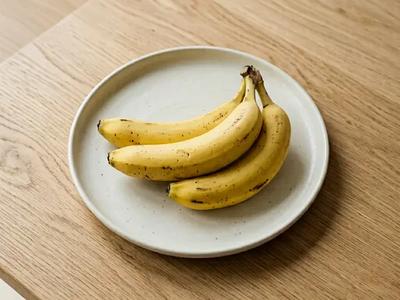
Banana
Fruits
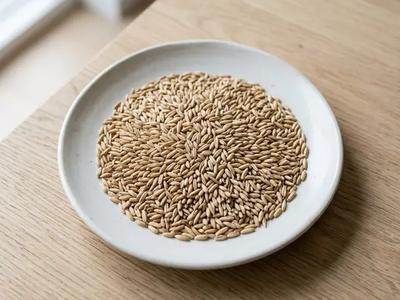
Oats
Whole Grains

Potatoes
Starchy Veggies and Roots

Sweet Potato
Vegetables
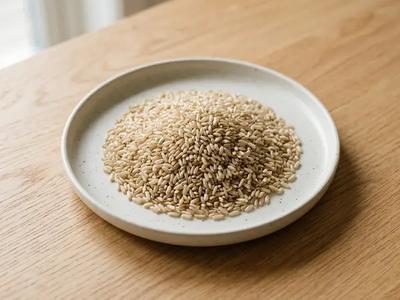
Brown Rice
Whole Grains

Mango
Fruits

Grape
Fruits

Honey
Natural Sweeteners
How the ratings work
Of the 1,133 foods in this library, 852 have a low blood sugar impact, 165 medium and 116 high. 202 carry a pregnancy food-safety warning: 17 to avoid, 72 to limit and 113 that are safe only if prepared the right way.
Blood sugar
A glycemic impact band (low, medium or high), the glycemic index where one has been published, carbohydrate per 100 g and portion notes. Glycemic index is measured on one food eaten on its own: a mixed meal behaves differently, and two people can respond very differently to the same food.[1] [2]
We keep the two apart on purpose. A food can be gentle on blood sugar and still be one to avoid in pregnancy: swordfish has almost no carbohydrate, but it is high in mercury. One combined score would hide exactly that.[4]
How we source, check and correct these ratings is in our editorial policy.
Food questions with gestational diabetes
What to eat, what to avoid in pregnancy, and what the ratings in this library mean.
What can I eat with gestational diabetes?
Is a low glycemic index food always a good choice in pregnancy?
Which foods should I avoid while pregnant?
What does “blood sugar impact” mean?
Important Safety Information
Every pregnancy is different, and gestational diabetes is managed differently depending on your readings, your medication and how far along you are. The ratings and portions on this page are general information — not a diagnosis, a treatment plan or a medical device — and they cannot see your results.
- Low blood sugar:
- If you take insulin or diabetes medication, eating less carbohydrate than your team planned for can push your blood sugar too low. Treat a reading below 70 mg/dL (3.9 mmol/L), or symptoms such as shaking, sweating, confusion or a racing heart, with fast-acting carbohydrate immediately and retest after 15 minutes. Never use this page as a reason to skip or shrink a meal you were told to eat.
- Carbohydrate and ketones:
- Cutting carbohydrate hard to force a number down is not safe in pregnancy — it can produce ketones. Published guidance sets a minimum of 175 g of carbohydrate per day in pregnancy. Readings that stay above target for several days need your care team, not a smaller portion.
- Medication and insulin:
- The portions here are generic and know nothing about your insulin doses, your metformin, or the steroids given to mature your baby's lungs — all of which change how a meal affects you. Never adjust a dose or a mealtime based on this page.
- Food safety in pregnancy:
- Blood sugar is not the only thing that makes a food suitable while you are pregnant. Some foods with excellent glycemic numbers still carry mercury, vitamin A, listeria or alcohol risks, and those are judged separately from the ratings shown here. Check your national pregnancy food-safety guidance before adding an unfamiliar food.
- What these ratings can and cannot tell you:
- Glycemic index values, impact ratings and maximum servings are population averages taken from published tables. Two people eating the same food can get very different readings, so your own meter is the only measurement that describes you. Nutrition figures are indicative per 100 g and vary with brand, ripeness and preparation.
Contact your care team the same day if: your readings stay above target for several days; you have a reading below 54 mg/dL (3.0 mmol/L) or needed someone else's help to treat a low; you test positive for ketones; or your baby is moving less than usual. Seek emergency care for confusion, fainting, repeated vomiting, or a low you cannot bring back up.
By using this guide, you agree to our Terms and Conditions. How we write, source and review this content: editorial policy.
Sources
- Atkinson et al. — International Tables of Glycemic Index and Glycemic Load Values 2021 (Am J Clin Nutr)
- USDA FoodData Central — Nutritional Database
- NHS — Foods to avoid in pregnancy
- FDA — Advice about Eating Fish
- American Diabetes Association — Management of Diabetes in Pregnancy: Standards of Care in Diabetes—2026