Food Library
Most nuts carry a modest amount of carbohydrate: about 12 to 30 g per 100 g in this library. They carry a lot of energy, though, 550 to 720 kcal per 100 g, because 44 to 76 g of every 100 g is fat. So with nuts the amount matters more for energy than for carbohydrate. Chestnuts, lotus seeds and tiger nuts are the exceptions: they are starchy. This guide covers amounts, the starchy exceptions and nut-butter labels, then the pregnancy points specific to this group: peanuts, Brazil nuts and a few spice seeds. Whole nuts, seeds and nut butters each have a page of their own, and every food is listed further down.
See what works for you. Try SugarCurve free for 7 days
58 foodsLast reviewed: September 9, 2026Sources

No foods found for your search.
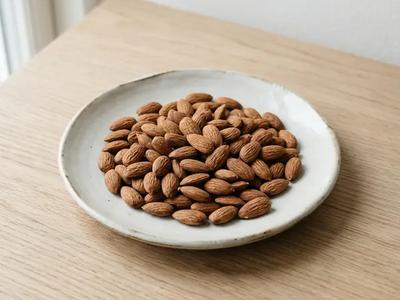
About 22 g of carbohydrate per 100 g, with 12.5 g of fibre.
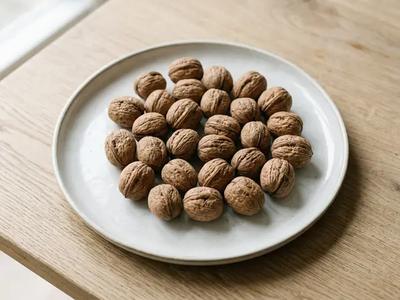
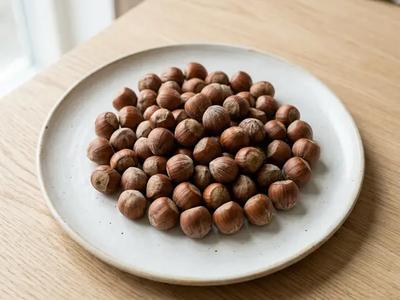
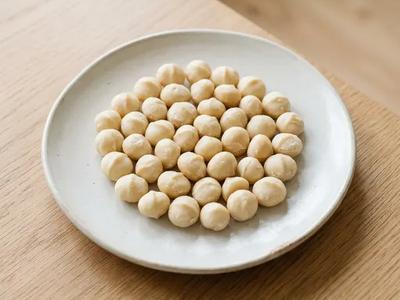
Among the lowest-carbohydrate nuts here, at about 14 g per 100 g.
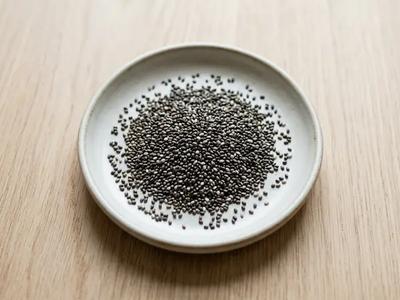
42 g of carbohydrate per 100 g, but 34 g of it is fibre.
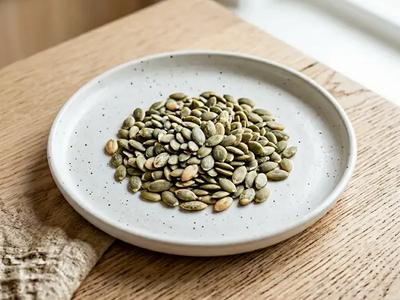
About 30 g of protein per 100 g, more than any whole nut here.
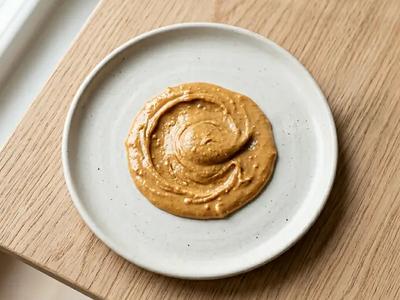
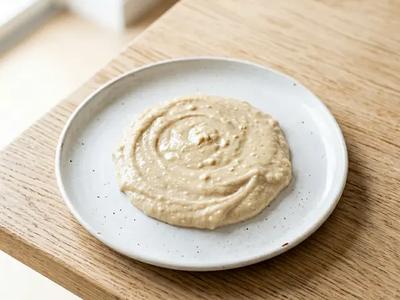
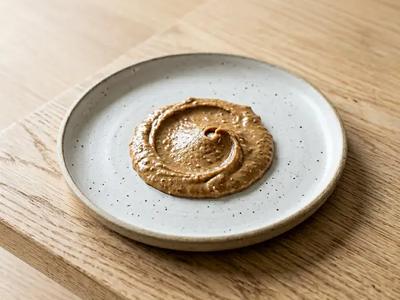
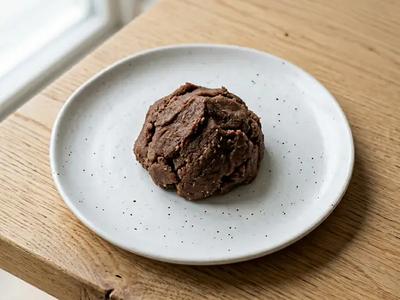
About 22 g each of carbohydrate and protein per 100 g; check the label for salt and sugar.

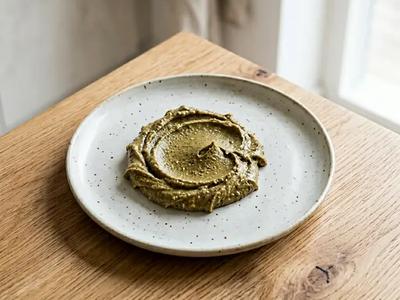
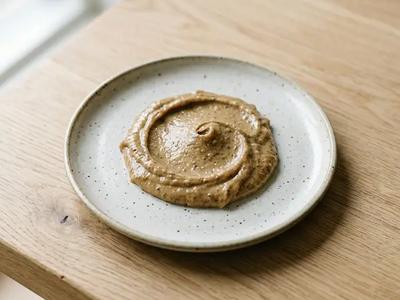
Sesame paste with under 1 g of sugar per 100 g.
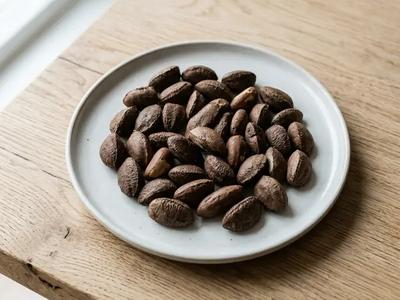
Here for its limit: one or two a day, because of the selenium.

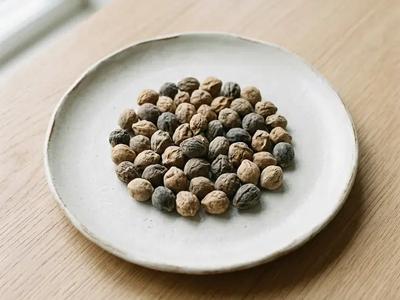
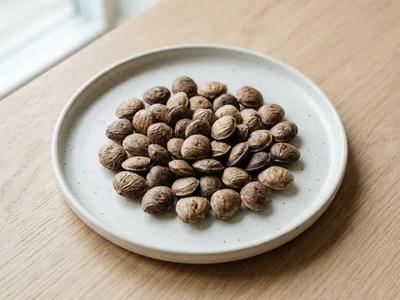
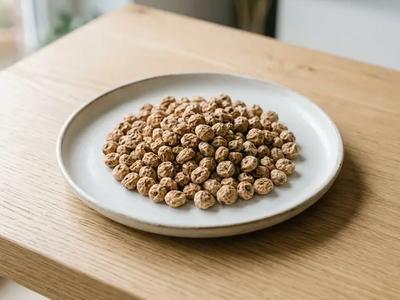
The starchy exception: about 45 g of carbohydrate per 100 g, twice that of almonds.
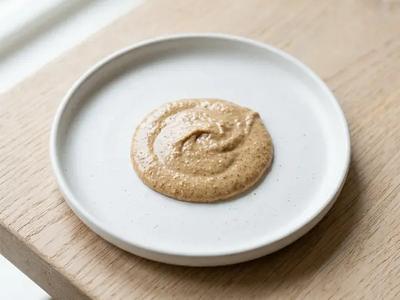
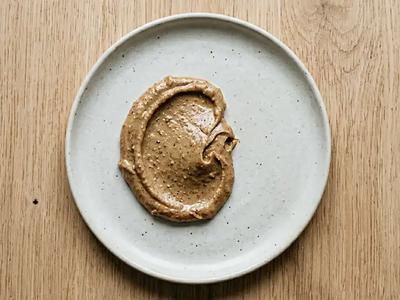
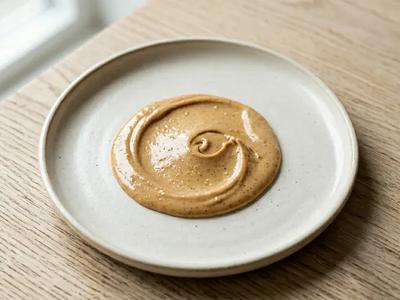
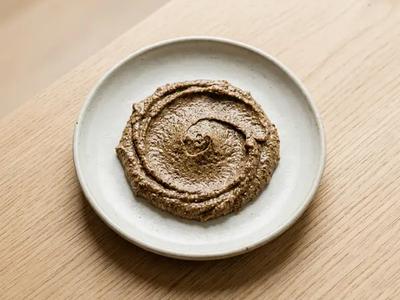
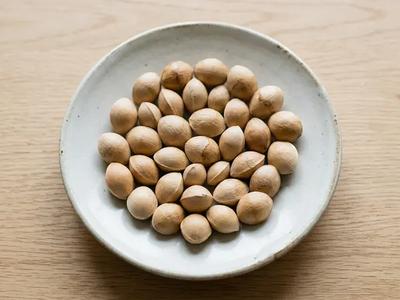
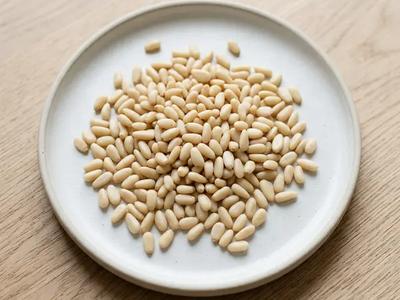
Everyday nuts and seeds with their carbohydrate, fibre and protein in view, one nut butter and one seed paste, chestnuts as the starchy exception, and Brazil nuts for their limit. Ginkgo nuts are marked avoid in this library and aren't featured.
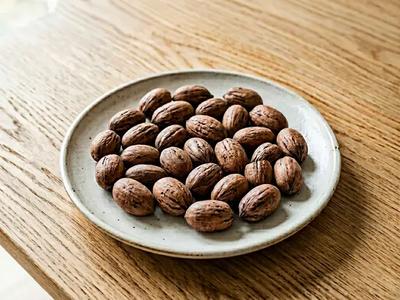
The NHS calls unsalted nuts a good snack and notes that they are high in fibre but still high in fat, so they are best eaten in moderation. In this library, 30 g of whole nuts carries about 165 to 215 kcal but only about 4 to 9 g of carbohydrate, depending on the nut.[1]
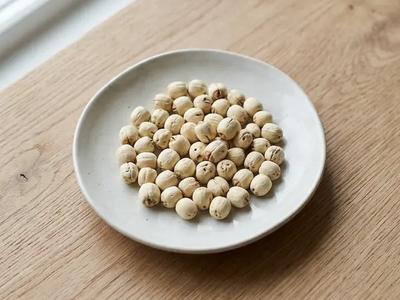
USDA lists raw chestnuts at about 44 g of carbohydrate per 100 g, against 22 g for almonds and 14 g for walnuts, with almost no fat. In this library, dried lotus seeds carry 65 g and tiger nuts 63 g, about half of it fibre in the tiger nuts.[2]
USDA's figures for smooth peanut butter show how much the label can change: about 17 mg of sodium per 100 g without salt and 426 mg with it. The nut butters in this library carry 3 to 17 mg, the unsalted kind. Under EU rules, 'no added sugars' means nothing was added for sweetness, and a product with sugars of its own must also say 'contains naturally occurring sugars'.[2] [3]
The NHS says peanuts and other nuts are safe to eat in pregnancy unless a doctor or midwife has told you not to have them, or you have an allergy.[4]
USDA lists Brazil nuts at about 1,900 µg of selenium per 100 g, while the NHS puts what women need at 60 µg a day and notes that too much selenium causes selenosis, which in its mildest form means losing hair and nails. That is why this library limits Brazil nuts, and Brazil nut butter, to small amounts.[2] [5]
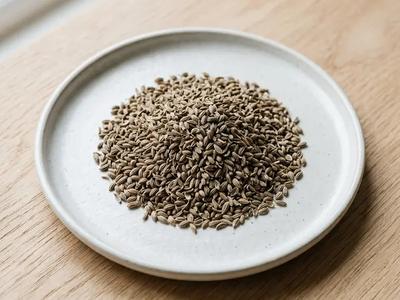
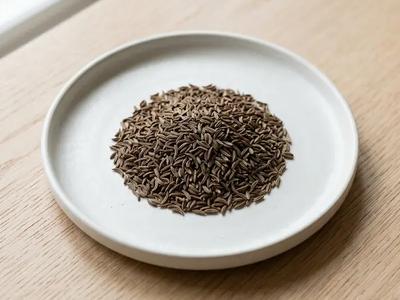
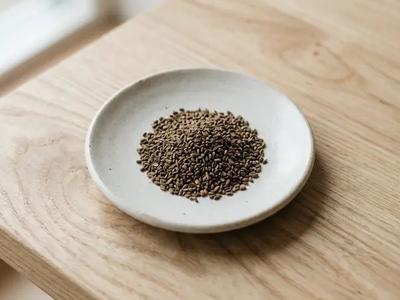
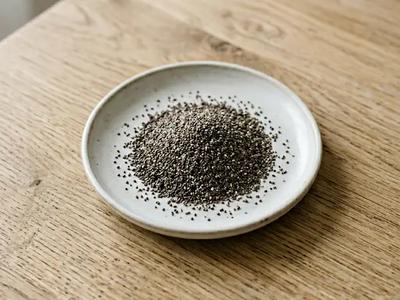
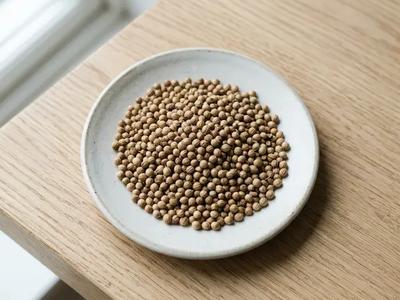
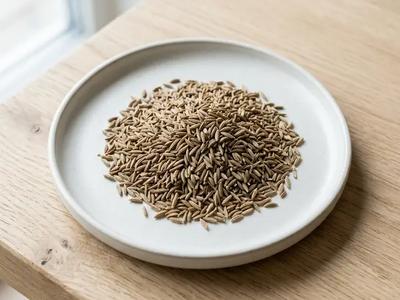
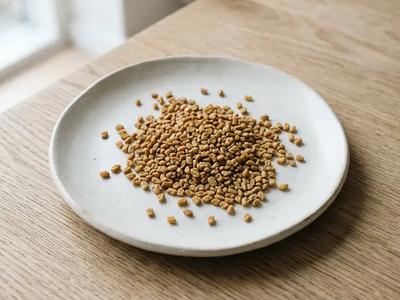
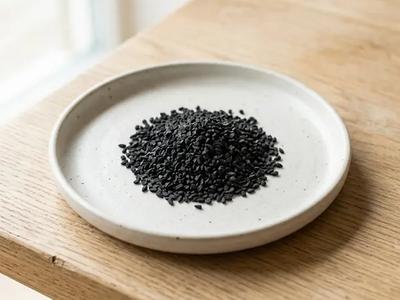
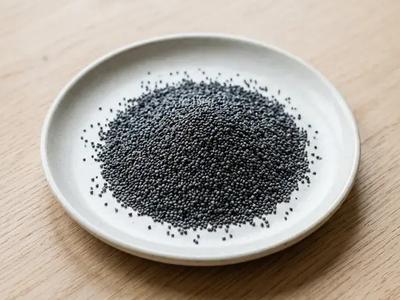
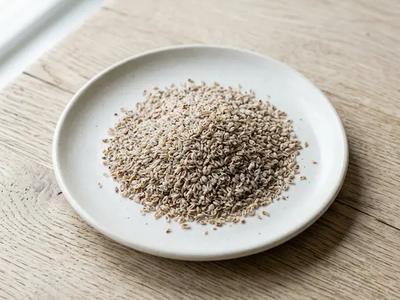
Fenugreek, celery and nigella seeds are marked limit in this library: fine as a spice in a dish, but not as daily doses, extracts, oils or supplements. The NHS says not to take herbal medicines if you are pregnant or breastfeeding.[6]
| Food | Carbs | Fiber | Protein | Calories | Blood sugar impact |
|---|---|---|---|---|---|
| Almonds | 21.6 g | 12.5 g | 21.2 g | 579 kcal | low |
| Walnuts | 13.7 g | 6.7 g | 15.2 g | 654 kcal | low |
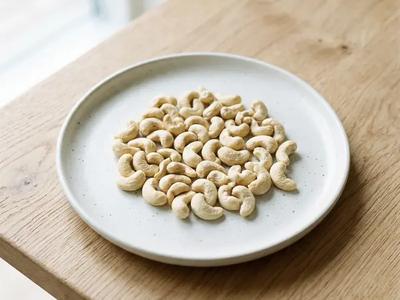
| Cashews | 30.2 g | 3.3 g | 18.2 g | 553 kcal | low |
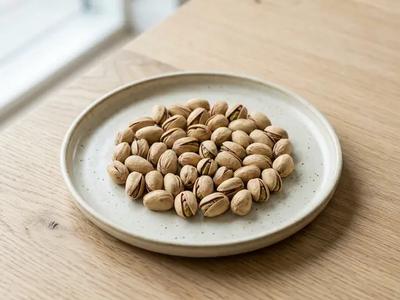
| Pistachios | 27.5 g | 10.3 g | 20.2 g | 562 kcal | low |
| Macadamia Nuts | 13.8 g | 8.6 g | 7.9 g | 718 kcal | low |
| Brazil Nuts Caution | 12.3 g | 7.5 g | 14.3 g | 659 kcal | low |
Cashews and pistachios carry the most carbohydrate here, macadamias the most energy.
| Food | Carbs | Fiber | Fat | Calories | Blood sugar impact |
|---|---|---|---|---|---|
| Almonds | 21.6 g | 12.5 g | 49.9 g | 579 kcal | low |
| Peanuts | 16.1 g | 8.5 g | 49.2 g | 567 kcal | low |
| Chestnuts (whole) | 45.5 g | 8.1 g | 2.2 g | 213 kcal | medium |
| Tiger Nut (Chufa) | 63 g | 33 g | 25 g | 460 kcal | low |
| Lotus Seeds | 64.5 g | 10.6 g | 1.9 g | 332 kcal | low |
Chestnuts, tiger nuts and lotus seeds carry two to three times the carbohydrate of almonds, and less fat. Peanuts, a legume, carry less than almonds.
| Food | Carbs | Fiber | Protein | Blood sugar impact |
|---|---|---|---|---|
| Chia Seeds | 42.1 g | 34.4 g | 16.5 g | low |
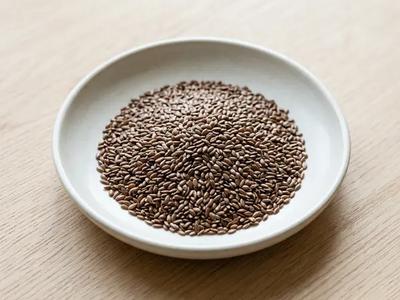
| Flaxseeds | 28.9 g | 27.3 g | 18.3 g | low |
| Pumpkin Seeds | 10.7 g | 6 g | 30.2 g | low |
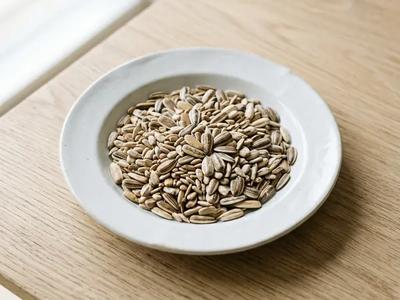
| Sunflower Seeds | 20 g | 8.6 g | 20.8 g | low |
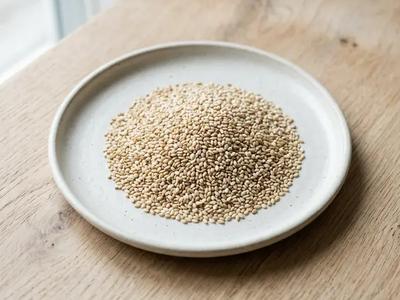
| Sesame Seeds | 23.4 g | 11.8 g | 17.7 g | low |
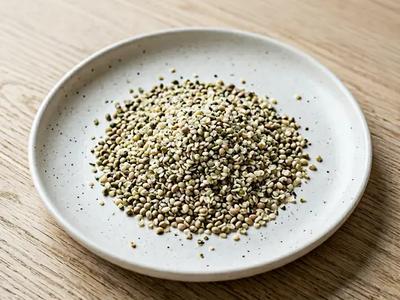
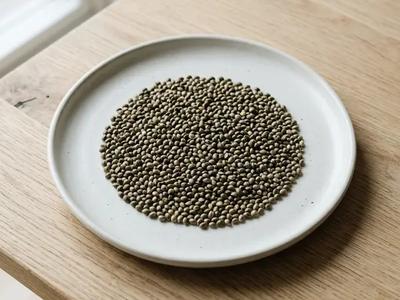
| Hemp Seeds | 8.7 g | 4 g | 31.6 g | low |
Chia and flax carry the most fibre; hemp and pumpkin seeds the most protein.
| Food | Carbs | Sugars | Protein | Blood sugar impact |
|---|---|---|---|---|
| Peanut Butter | 22.3 g | 5.9 g | 22.5 g | low |
| Almond Butter | 21.2 g | 4.9 g | 21.1 g | low |
| Cashew Butter | 30.5 g | 5.2 g | 17.5 g | low |
| Tahini (sesame paste) | 21.2 g | 0.5 g | 17 g | low |
| Sunflower Seed Butter | 23.5 g | 4.5 g | 19.8 g | low |
| Chestnut Spread | 60 g | 48 g | 1.2 g | high |
Chestnut spread is a sweet spread rather than a nut butter: 48 g of sugar per 100 g, against under 6 g for the others.
Figures from each food's entry in this library. Open a food for its full profile and portion notes.
58 foods in this category, each rated for glycemic impact and blood sugar effect.
Track how nuts, seeds & butters affects your blood sugar with the SugarCurve app — free to download.
Start Free Trial →The NHS calls unsalted nuts a good snack, to eat in moderation because of their fat. In this library, 30 g of most whole nuts carries about 4 to 9 g of carbohydrate and 165 to 215 kcal. Your dietitian or diabetes team can say how nuts fit your plan.[1]
Yes, according to the NHS, unless a doctor or midwife has told you not to, or you are allergic. Peanut butter carries about 22 g of carbohydrate and 22 g of protein per 100 g in this library; check its label for added salt and sugar.[4]
This library suggests no more than one or two a day, because of their selenium: about 1,900 µg per 100 g by USDA's figures, against the 60 µg a day the NHS says women need.[2] [5]
They carry about 42 g of carbohydrate per 100 g, in this library and in USDA's figures, but about 34 g of that is fibre.[2]
Every pregnancy is different, and gestational diabetes is managed differently depending on your readings, your medication and how far along you are. The ratings and portions on this page are general information — not a diagnosis, a treatment plan or a medical device — and they cannot see your results.
Contact your care team the same day if: your readings stay above target for several days; you have a reading below 54 mg/dL (3.0 mmol/L) or needed someone else's help to treat a low; you test positive for ketones; or your baby is moving less than usual. Seek emergency care for confusion, fainting, repeated vomiting, or a low you cannot bring back up.
By using this guide, you agree to our Terms and Conditions. How we write, source and review this content: editorial policy.
Compiled and reviewed by Dalo Labs ApS. Numbered references in the text point to the sources below. Not endorsed by or affiliated with any referenced organization. · Last reviewed: September 9, 2026
SugarCurve plans your week, turns cravings into recipes and shows how your readings respond to what you eat, so following your care team's advice takes less guesswork, day after day.
7 days free, then a subscription. Cancel anytime before the trial ends.