Nuts, Seeds & Butters
A tablespoon of peanut butter carries about 3.6 g of carbohydrate, 3.6 g of protein and 95 kcal: USDA weighs a tablespoon of peanut, almond or cashew butter at 16 g, and the figure per 100 g describes a sixth of a jar. This guide takes the 16 nut and seed butters in the category and works at that scale; the Nuts, Seeds & Butters guide compares six of them per 100 g and explains what the salt and sugar claims on a jar mean. It then covers the products that change those numbers: reduced-fat peanut butter, which carries more carbohydrate than the regular kind, powdered peanut butter, which is peanut flour, and palm oil, which the ingredient list has to name. One butter here carries a pregnancy rule, Brazil nut butter, for the same selenium reason as the nut.
See what works for you. Try SugarCurve free for 7 days
16 foodsLast reviewed: September 12, 2026Sources


No foods found for your search.
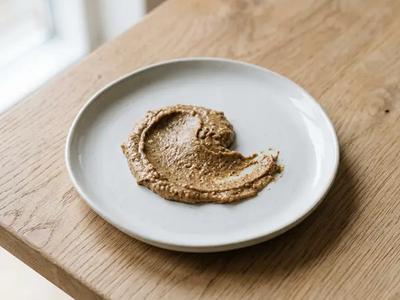
11.3 g of carbohydrate per 100 g, the lowest here; 1.8 g a spoon.
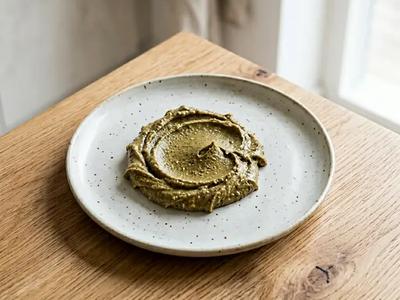
31.5 g of protein and 8.7 g of carbohydrate per 100 g.
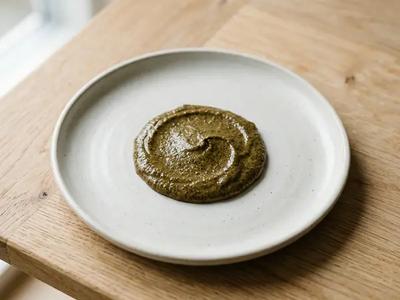
30 g of protein per 100 g with 14.7 g of carbohydrate.
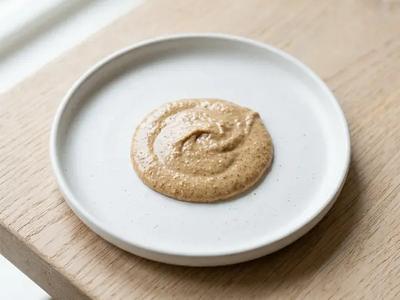
21 g each of carbohydrate and protein per 100 g, 10 g of fibre; a spoon is 3.4 g of carbohydrate.
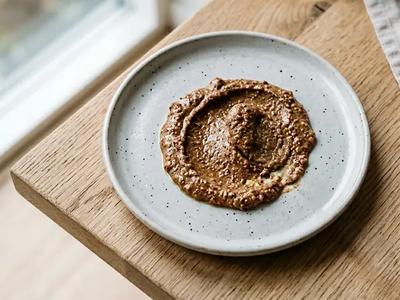
17.2 g of carbohydrate per 100 g; the plain version, not the chocolate spread.
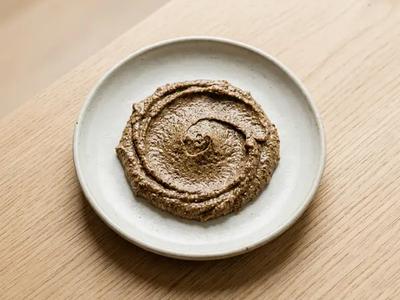
29 g of carbohydrate per 100 g, 27 g of it fibre.
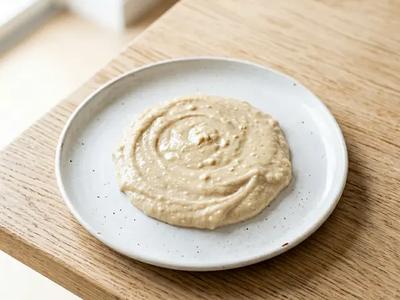
13.8 g of carbohydrate per 100 g but 76 g of fat: 115 kcal a spoon, the most here.
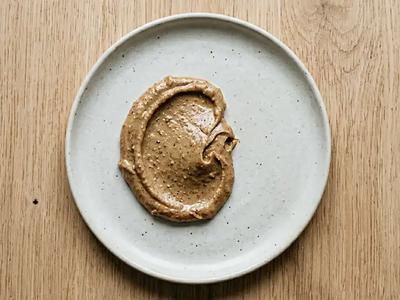
Here for its rule: limited for selenium, like the nut it's made from.
The nut butters with the least carbohydrate, the seed butters with the most protein, macadamia for what its energy shows, and Brazil nut butter for its rule. Peanut butter and tahini are featured in the Nuts, Seeds & Butters guide; chestnut spread is a sweet spread and isn't featured.
USDA weighs a tablespoon of peanut, almond or cashew butter at 16 g. At this library's figures, a spoon of peanut butter is 3.6 g of carbohydrate and 3.6 g of protein; of almond butter 3.4 g and 3.4 g; of cashew butter 4.9 g of carbohydrate, the most of the common butters; of walnut butter 1.8 g. Each spoon carries 95 to 115 kcal, because every butter here is 46 to 76 g fat per 100 g. Two spoons on toast is a normal serving, and 190 to 230 kcal.[1] [2]
USDA lists regular smooth peanut butter at 22.3 g of carbohydrate and 51.4 g of fat per 100 g, and reduced-fat peanut butter at 35.7 g of carbohydrate and 34 g of fat, with 540 mg of sodium against 426 mg. The fat that is taken out is replaced, and the carbohydrate rises by 13 g per 100 g. There is no reduced-fat butter in this library, so the comparison is USDA's alone; for gestational diabetes it is the one label word that moves the number that matters in the wrong direction.[1]
Products sold as powdered peanut butter are peanuts with most of the oil pressed out, so USDA's defatted peanut flour is the reference: 34.7 g of carbohydrate, 52 g of protein and 0.55 g of fat per 100 g, against 22.3 g, 22.2 g and 51.4 g for peanut butter. Per spoon, that means more carbohydrate and protein and almost no fat. Check the ingredient list for added sugar and salt.[1]
Under the EU's food information rules, refined vegetable oils may be grouped as 'vegetable oils' on an ingredient list only when the specific origin follows immediately, so a jar that contains palm oil says palm. The nutrition panel won't show it: added oil and the nut's own fat both land on the same fat line, so the ingredient list is where the difference lives.[3]
The butters here carry 1.4 to 8 g of sugar per 100 g, which is the sugar of the nut or seed itself: pistachio butter 8 g, peanut butter 5.9 g, almond butter 4.9 g, hemp and pumpkin seed butters 1.4 to 1.5 g. All but pistachio and peanut sit at or under the NHS's 5 g threshold for low sugar. A jar showing 10 g or more has had sugar added; chestnut spread, at 48 g, is a sweet spread and not a nut butter at all.[4]
USDA's salted peanut butter carries 426 mg of sodium per 100 g, so a 16 g spoon carries about 68 mg; its reduced-sodium version 203 mg, about 32 mg a spoon; the unsalted butters here 3 to 17 mg, against the NHS's 6 g of salt a day. Brazil nut butter is marked limit for the same reason as the nut: selenium, which the NHS says causes selenosis in excess, against the 60 µg a day women need.[1] [5] [6]
| Food | Carbs | Protein | Calories | Blood sugar impact |
|---|---|---|---|---|
| Walnut Butter | 11.3 g | 15.1 g | 688 kcal | low |
| Macadamia Nut Butter | 13.8 g | 7.9 g | 718 kcal | low |
| Pecan Butter | 13.9 g | 9.2 g | 710 kcal | low |
| Hazelnut Butter | 17.2 g | 15.1 g | 635 kcal | low |
| Almond Butter | 21.2 g | 21.1 g | 614 kcal | low |
| Cashew Butter | 30.5 g | 17.5 g | 594 kcal | low |
From 11 g of carbohydrate per 100 g in walnut butter to 30.5 g in cashew butter; macadamia carries the most energy.
| Food | Carbs | Fiber | Protein | Blood sugar impact |
|---|---|---|---|---|
| Hemp Seed Butter | 8.7 g | 4 g | 31.5 g | low |
| Pumpkin Seed Butter | 14.7 g | 6 g | 30.2 g | low |
| Watermelon Seed Butter | 15 g | 5 g | 28 g | low |
| Sunflower Seed Butter | 23.5 g | 6.2 g | 19.8 g | low |
| Flaxseed Butter | 29 g | 27.1 g | 18.5 g | low |
Hemp and pumpkin seed butters carry about 30 g of protein per 100 g; flaxseed butter's 29 g of carbohydrate is 27 g fibre.
| Food | Protein | Carbs | Fat | Blood sugar impact |
|---|---|---|---|---|
| Hemp Seed Butter | 31.5 g | 8.7 g | 49 g | low |
| Pumpkin Seed Butter | 30.2 g | 14.7 g | 49.1 g | low |
| Watermelon Seed Butter | 28 g | 15 g | 51 g | low |
| Peanut Butter | 22.5 g | 22.3 g | 51 g | low |
| Almond Butter | 21.1 g | 21.2 g | 55.5 g | low |
| Pistachio Butter | 21 g | 27 g | 50 g | low |
The seed butters lead on protein; peanut and almond butter sit together at about 22 g and 21 g.
Figures from each food's entry in this library. Open a food for its full profile and portion notes.
16 foods in this category, each rated for glycemic impact and blood sugar effect.
Track how nut butters affects your blood sugar with the SugarCurve app — free to download.
Start Free Trial →USDA's tablespoon is 16 g, about 3.6 g of carbohydrate and 95 kcal at this library's figures; two spoons is a usual serving on toast. Nut butters are as dense in energy as the nuts, so the amount matters more for energy than for carbohydrate. Your dietitian sets what fits your plan.[1] [2]
No, on USDA's figures: it carries 35.7 g of carbohydrate per 100 g against 22.3 g for regular peanut butter, and more sodium, 540 mg against 426 mg. The fat goes down from 51 g to 34 g, but the carbohydrate is the figure that matters more here.[1]
It is peanut flour with the oil pressed out: USDA lists defatted peanut flour at 34.7 g of carbohydrate, 52 g of protein and 0.55 g of fat per 100 g. Per spoon it carries more carbohydrate and protein than peanut butter and far fewer calories. Read the ingredient list for added sugar and salt.[1]
From the ingredient list. EU rules require the specific vegetable origin to follow the words 'vegetable oils', so palm oil is named as palm. The nutrition panel can't tell you, because the added fat looks like the nut's fat.[3]
Every pregnancy is different, and gestational diabetes is managed differently depending on your readings, your medication and how far along you are. The ratings and portions on this page are general information — not a diagnosis, a treatment plan or a medical device — and they cannot see your results.
Contact your care team the same day if: your readings stay above target for several days; you have a reading below 54 mg/dL (3.0 mmol/L) or needed someone else's help to treat a low; you test positive for ketones; or your baby is moving less than usual. Seek emergency care for confusion, fainting, repeated vomiting, or a low you cannot bring back up.
By using this guide, you agree to our Terms and Conditions. How we write, source and review this content: editorial policy.
Compiled and reviewed by Dalo Labs ApS. Numbered references in the text point to the sources below. Not endorsed by or affiliated with any referenced organization. · Last reviewed: September 12, 2026
SugarCurve plans your week, turns cravings into recipes and shows how your readings respond to what you eat, so following your care team's advice takes less guesswork, day after day.
7 days free, then a subscription. Cancel anytime before the trial ends.