Nuts, Seeds & Butters
A tablespoon of most seeds adds two or three grams of carbohydrate, and in flax and chia most of that is fibre: USDA weighs a tablespoon of whole flaxseed at 10.3 g and of sesame at 9 g. This guide takes all 25 seeds in the category and does that sum, because nobody eats 100 g of chia; the Nuts, Seeds & Butters guide compares six of them per 100 g. It sorts the seeds into the oil seeds, which are as dense in energy as nuts, and the fibre seeds, then covers the five with a pregnancy rule: raw sprouted seeds, cacao nibs for their caffeine, and three spice seeds that the Spices guide treats in full. Sesame's place on the allergen list closes it.
See what works for you. Try SugarCurve free for 7 days
25 foodsLast reviewed: September 7, 2026Sources


No foods found for your search.
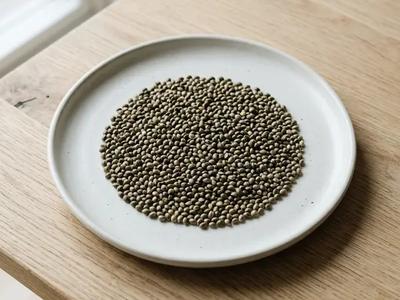
31.6 g of protein and 8.7 g of carbohydrate per 100 g; three tablespoons weigh 30 g.
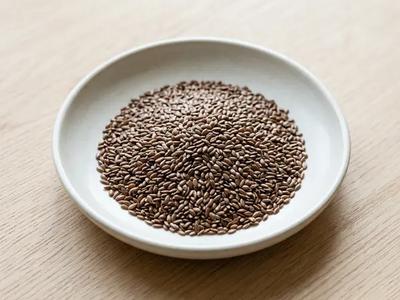
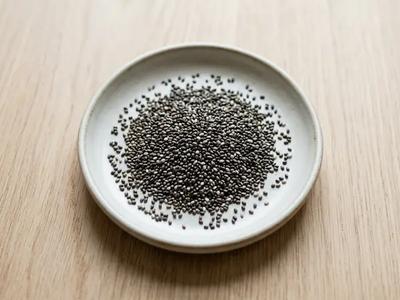
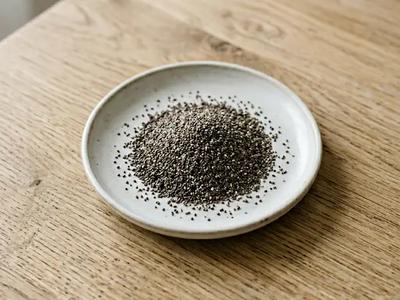
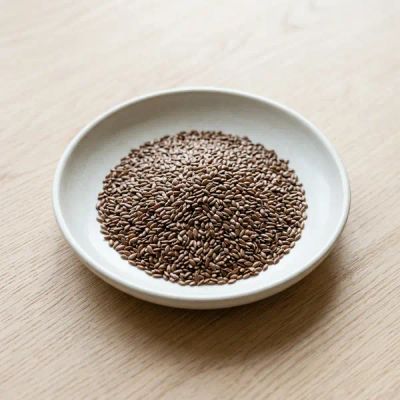
28.9 g of carbohydrate per 100 g, 27.3 g of it fibre; a tablespoon of whole seed weighs 10.3 g.
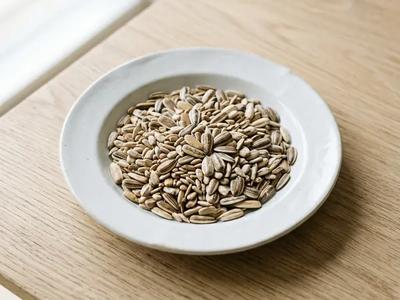
20 g of carbohydrate per 100 g with 8.6 g of fibre and 20.8 g of protein.
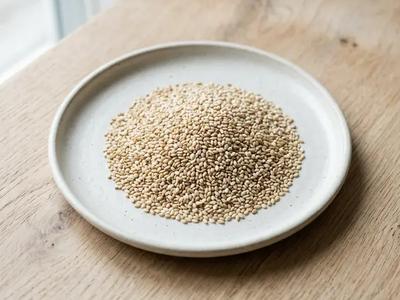
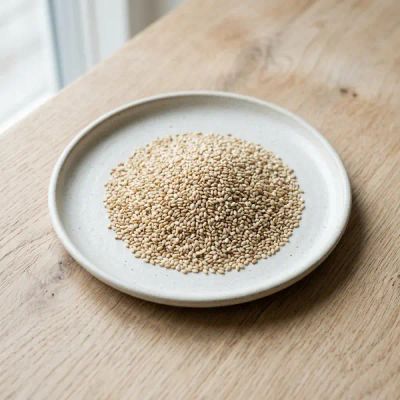
23.4 g of carbohydrate per 100 g, half of it fibre; a regulated allergen, so it is always named on a label.
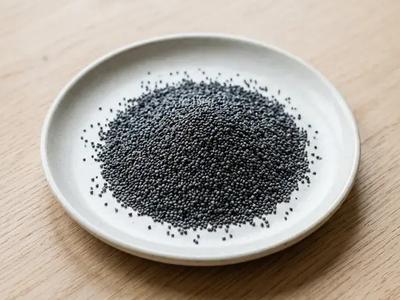
28 g of carbohydrate per 100 g, 19.5 g of it fibre.
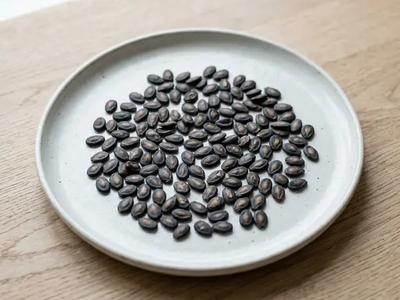
15.3 g of carbohydrate per 100 g and 28.3 g of protein, close to pumpkin seeds.
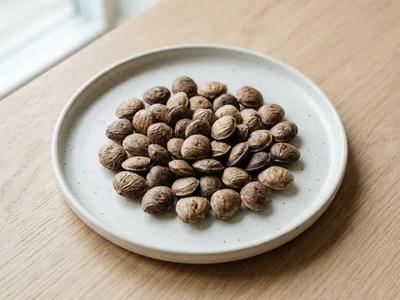
17.9 g of carbohydrate per 100 g, all of it listed as fibre, with 28.6 g of protein.
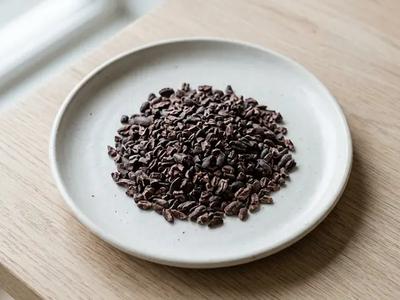
Here for its rule: the cocoa bean carries caffeine, which the NHS caps at 200 mg a day in pregnancy.
The oil seeds with the most protein, the fibre seeds with the most fibre, sesame for its allergen note, and cacao nibs for their rule. Chia and pumpkin seeds are featured in the Nuts, Seeds & Butters guide; the spice seeds belong to the Spices guide.
USDA weighs a tablespoon of whole flaxseed at 10.3 g, which at this library's figures is 3 g of carbohydrate, 2.8 g of it fibre; a tablespoon of sesame at 9 g, so 2.1 g of carbohydrate and 1.1 g of fibre; and three tablespoons of hulled hemp seed at 30 g, so 2.6 g of carbohydrate and 9.5 g of protein. Chia carries 42 g of carbohydrate per 100 g here and in USDA's tables, 34 g of it fibre, so a 15 g spoonful is about 6 g of carbohydrate and 5 g of fibre. The NHS's guideline is 30 g of fibre a day; a spoon of seeds is a sixth of it at most.[1] [2]
Ground and whole flaxseed carry the same figures per 100 g, and so do the chia and ground chia entries here, because grinding changes nothing but the size of the pieces. What changes is the spoon: USDA weighs a tablespoon of ground flaxseed at 7 g against 10.3 g whole, so the ground spoon adds a third less of everything. The two chia entries show different GIs on identical figures, which is a data problem, not a property of grinding.[1]
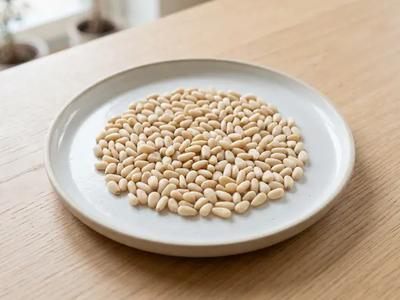
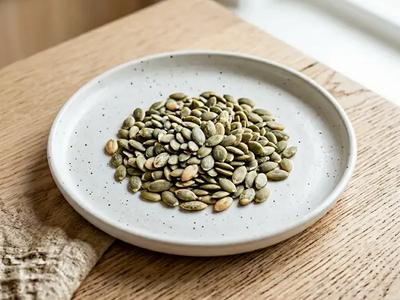
Hemp, pumpkin, sunflower, sesame, watermelon and pine seeds carry 47 to 68 g of fat per 100 g here, with 525 to 673 kcal, the same range as whole nuts. Their carbohydrate is modest, 9 to 23 g, and their protein high: hemp and pumpkin seeds carry about 30 g per 100 g, more than any nut. USDA's figures for hulled hemp, pumpkin kernels and sunflower kernels match. With these, as with nuts, the amount matters more for energy than for carbohydrate.[1]
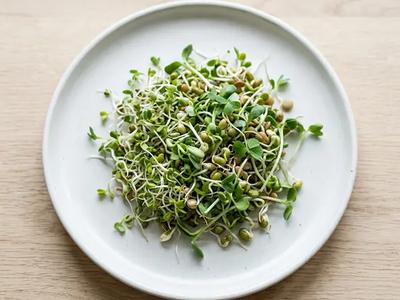
The FDA says people more vulnerable to foodborne illness, pregnant women among them, should avoid raw or lightly cooked sprouts of any kind, and the sprouted seeds entry here is marked conditional for that reason. Its figures, 570 kcal and 48 g of fat per 100 g, are those of the dry seed rather than the sprout, so use the rule, not the numbers.[3]
Cacao nibs are the roasted, crushed cocoa bean with nothing added, and the nibs page here marks them limit for caffeine. The NHS's pregnancy limit is 200 mg of caffeine a day, and it counts a 50 g bar of plain dark chocolate at under 25 mg; it doesn't list nibs, and the page here limits them because they are the bean itself, without the sugar or milk that dilutes it in chocolate. Their carbohydrate is 31 g per 100 g here, 23 g of it fibre.[4]
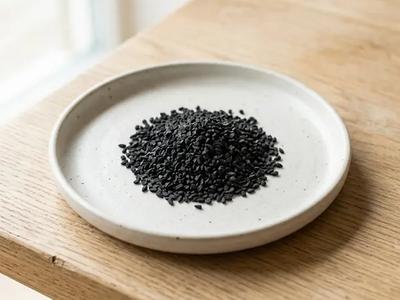
Sesame is one of the 14 allergens the FSA requires to be named on a label, alongside peanuts and tree nuts, so tahini, sesame seeds and anything dusted with them carry it. Poppy, sunflower, pumpkin, hemp, chia and flax are not on the list. The three spice seeds marked limit here, celery, fenugreek and nigella, are covered in the Spices guide.[5] [6]
| Food | Carbs | Fat | Calories | Blood sugar impact |
|---|---|---|---|---|
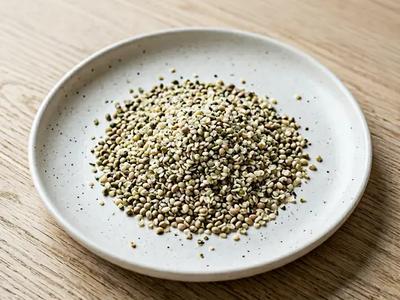
| Hemp Seeds | 8.7 g | 48.8 g | 553 kcal | low |
| Pumpkin Seeds | 10.7 g | 49.1 g | 559 kcal | low |
| Pine Seeds | 13.1 g | 68.4 g | 673 kcal | low |
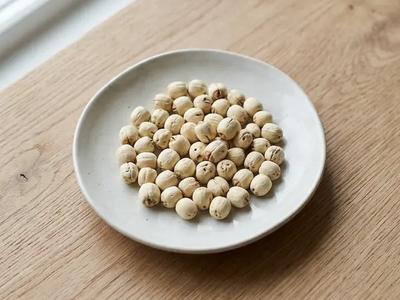
| Watermelon Seeds | 15.3 g | 47.4 g | 557 kcal | low |
| Sunflower Seeds | 20 g | 51.5 g | 584 kcal | low |
| Sesame Seeds | 23.4 g | 49.7 g | 573 kcal | low |
From 9 to 23 g of carbohydrate per 100 g, and from 525 to 673 kcal; pine seeds carry the most fat.
| Food | Carbs | Fiber | Protein | Blood sugar impact |
|---|---|---|---|---|
| Poppy seeds | 28.1 g | 19.5 g | 18 g | low |
| Flaxseeds | 28.9 g | 27.3 g | 18.3 g | low |
| Baobab Seeds | 30.2 g | 18.5 g | 36.1 g | low |
| Chia Seeds | 42.1 g | 34.4 g | 16.5 g | low |
| Sacha Inchi Seeds | 17.9 g | 17.9 g | 28.6 g | low |
| Psyllium Husk | 85 g | 78 g | 1.5 g | low |
In flax, chia, sacha inchi and psyllium, most or all of the carbohydrate is fibre; psyllium is a supplement, not a food.
| Food | Carbs | Fiber | Sodium | Blood sugar impact |
|---|---|---|---|---|
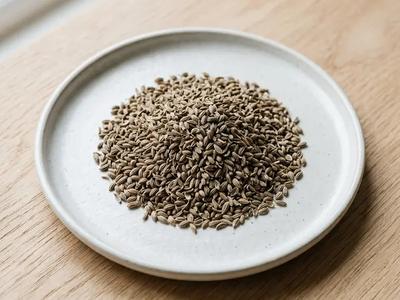
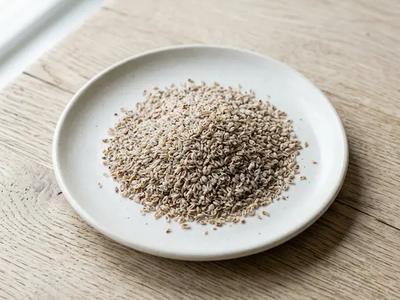
| Cumin Seeds | 44.2 g | 10.5 g | 168 mg | low |
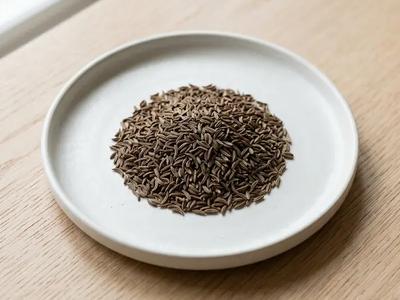
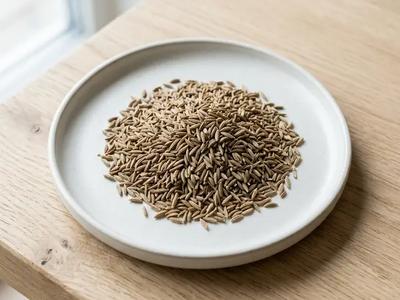
| Caraway Seeds | 49.9 g | 38 g | 17 mg | low |
| Anise Seeds | 50 g | 14.6 g | 16 mg | low |
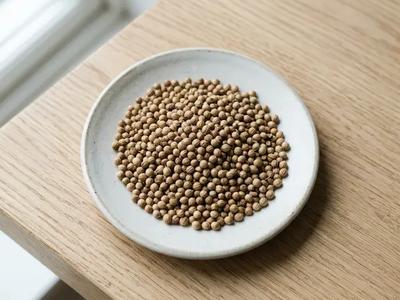
| Coriander Seeds | 55 g | 41.9 g | 35 mg | low |
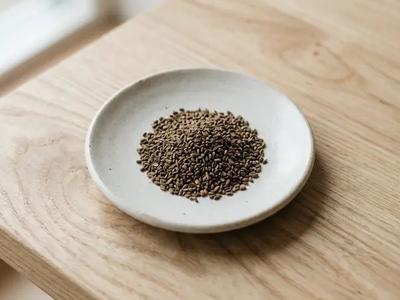
| Celery seeds Caution | 41.4 g | 11.8 g | 160 mg | low |
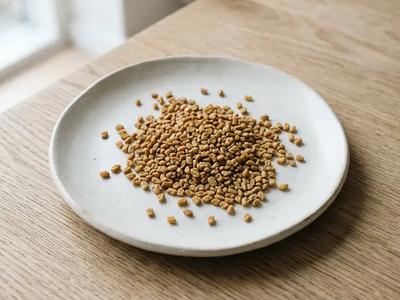
| Fenugreek Seeds Caution | 58.4 g | 24.6 g | 67 mg | low |
Used by the teaspoon; the badges on celery and fenugreek seeds are about supplement-strength amounts, not seasoning.
Figures from each food's entry in this library. Open a food for its full profile and portion notes.
25 foods in this category, each rated for glycemic impact and blood sugar effect.
Track how seeds affects your blood sugar with the SugarCurve app — free to download.
Start Free Trial →The figures are the same per 100 g, 28.9 g of carbohydrate and 27.3 g of fibre here and in USDA's tables. USDA weighs a tablespoon of ground seed at 7 g and of whole at 10.3 g, so the ground spoon simply adds less. No agency source on what grinding does to digestion was found, so this guide makes no claim about it.[1]
Chia carries 34 g of fibre in 42 g of carbohydrate per 100 g, so a 15 g spoonful is about 5 g of fibre and 6 g of carbohydrate, a sixth of the NHS's 30 g a day.[1] [2]
Not raw. The FDA says pregnant women should avoid raw or lightly cooked sprouts of any kind; cooked through, they are fine. The sprouted seeds page here is marked conditional for that reason.[3]
In small amounts. They carry caffeine, which the NHS caps at 200 mg a day in pregnancy, counting a 50 g bar of dark chocolate at under 25 mg. Nibs are the bean without the sugar, so count them towards the day's caffeine rather than as a free topping.[4]
Every pregnancy is different, and gestational diabetes is managed differently depending on your readings, your medication and how far along you are. The ratings and portions on this page are general information — not a diagnosis, a treatment plan or a medical device — and they cannot see your results.
Contact your care team the same day if: your readings stay above target for several days; you have a reading below 54 mg/dL (3.0 mmol/L) or needed someone else's help to treat a low; you test positive for ketones; or your baby is moving less than usual. Seek emergency care for confusion, fainting, repeated vomiting, or a low you cannot bring back up.
By using this guide, you agree to our Terms and Conditions. How we write, source and review this content: editorial policy.
Compiled and reviewed by Dalo Labs ApS. Numbered references in the text point to the sources below. Not endorsed by or affiliated with any referenced organization. · Last reviewed: September 7, 2026
SugarCurve plans your week, turns cravings into recipes and shows how your readings respond to what you eat, so following your care team's advice takes less guesswork, day after day.
7 days free, then a subscription. Cancel anytime before the trial ends.