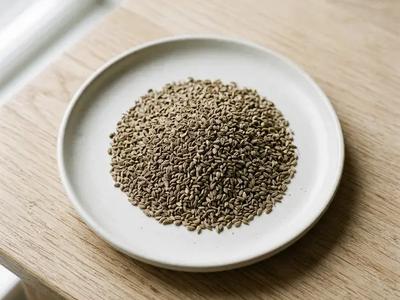
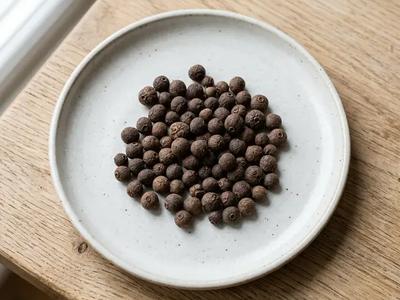
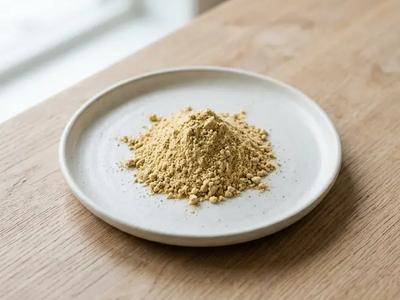
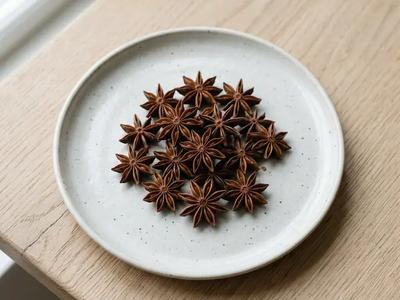
Herbs & Spices
A teaspoon of most ground spices adds one or two grams of carbohydrate, much of it fibre: they carry 45 to 80 g per 100 g, but USDA weighs a teaspoon of most of them at 2 to 3 g. This guide takes 38 spices, from cumin and paprika to saffron and asafoetida, and starts with that measure; cinnamon and fenugreek, the two spices with the most claims attached to them, are in the Herbs & Spices guide. It then covers turmeric and ginger, the two spices people ask about in pregnancy, the four others marked for culinary pinches only, the salt in spice blends, and the handful of products filed here that are really sugar: tamarind powder, mango powder and ginger chews.
See what works for you. Try SugarCurve free for 7 days
40 foodsLast reviewed: August 27, 2026Sources


No foods found for your search.
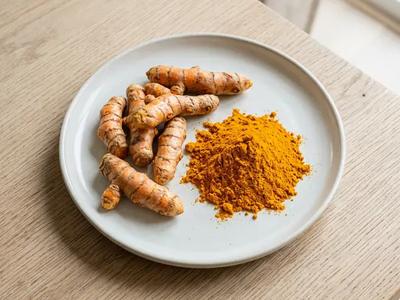
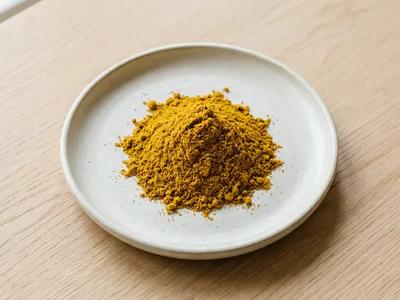
67 g of carbohydrate per 100 g, a third of it fibre; a teaspoon is 3 g. The spice, not the supplement.
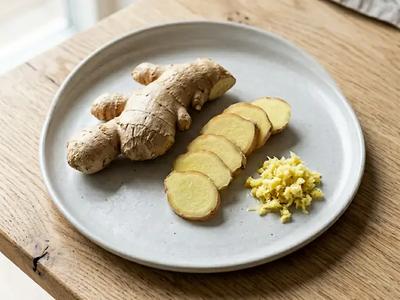
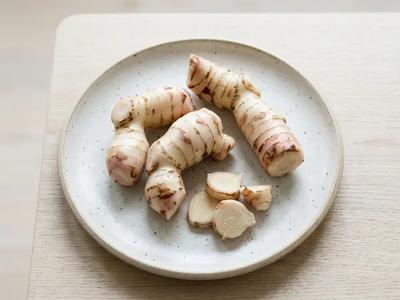
Fresh root at 17.8 g of carbohydrate per 100 g; the NHS names ginger foods and drinks for nausea.
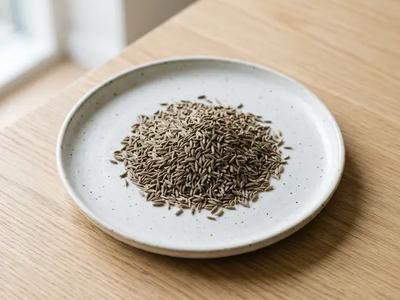
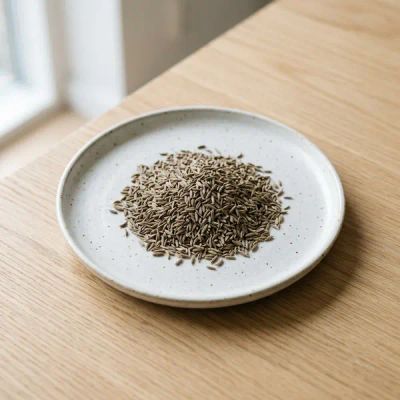
44 g of carbohydrate per 100 g, the lowest of the ground spices here, and no pregnancy note.
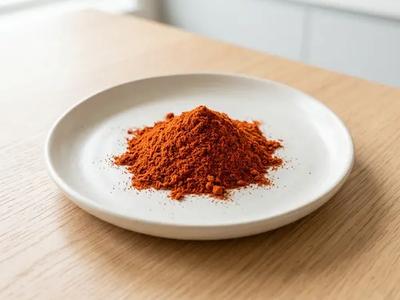
54 g of carbohydrate per 100 g, 35 g of it fibre.
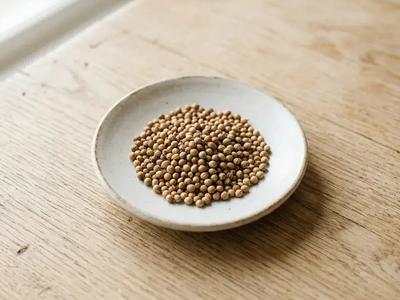
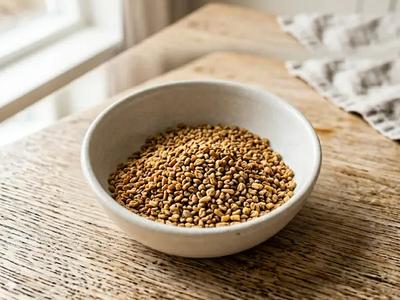
55 g of carbohydrate per 100 g, 42 g of it fibre; the seed, not the leaf.
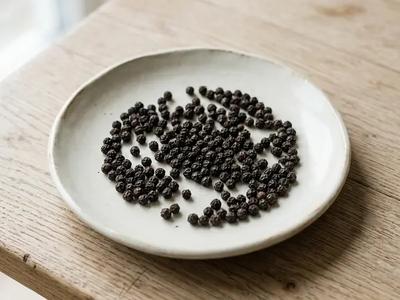
64 g of carbohydrate per 100 g; a teaspoon weighs 2.3 g.
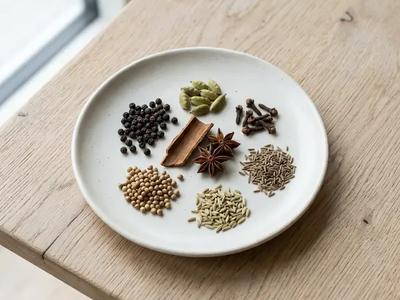
An unsalted blend: 72 mg of sodium per 100 g against berbere's 1,550 mg.
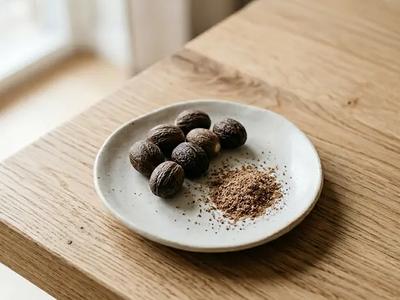
Here for its rule: culinary sprinkles only, because of myristicin; a teaspoon is 2.2 g.
Six single spices with no pregnancy note, turmeric and ginger for what the agencies say about them, an unsalted blend, and nutmeg for its rule. Cinnamon is featured in the Herbs & Spices guide and isn't repeated.
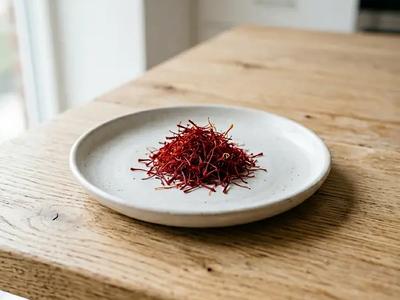
USDA weighs a teaspoon of ground turmeric at 3 g, cinnamon 2.6 g, black pepper 2.3 g, nutmeg 2.2 g, curry powder 2 g, ground ginger 1.8 g and saffron 0.7 g. At this library's figures, a teaspoon of turmeric is 2 g of carbohydrate with 0.7 g of fibre, black pepper 1.5 g, and saffron under half a gram. Fenugreek seed is the heavy one, 3.7 g a teaspoon and 2.2 g of carbohydrate. A spice's figure per 100 g describes a jar, not a meal.[1]
The US National Center for Complementary and Integrative Health says the use of turmeric supplements during pregnancy may be unsafe, that not enough is known to conclude turmeric or curcumin is beneficial for any health purpose, and that formulations modified to raise absorption have been linked to liver damage. Diabetes isn't among the uses it discusses. Ground turmeric carries 67 g of carbohydrate per 100 g here and in USDA's tables, a third of it fibre; a teaspoon in a curry is the food amount.[1] [2]
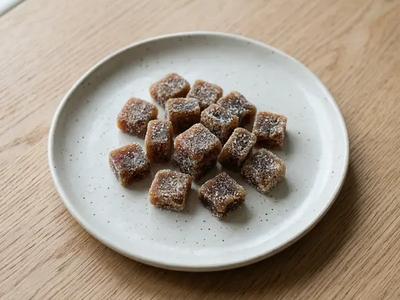
The NHS's page on morning sickness says to eat foods or drinks containing ginger, as there is some evidence it may help reduce nausea and vomiting, and to check with a pharmacist before taking ginger supplements. Fresh ginger root carries 17.8 g of carbohydrate per 100 g here and in USDA's tables; ground ginger 71.6 g in USDA's, because the water is gone. The ginger chews filed here are a sweet: 92 g of carbohydrate per 100 g, 67 g of it sugar.[1] [3]
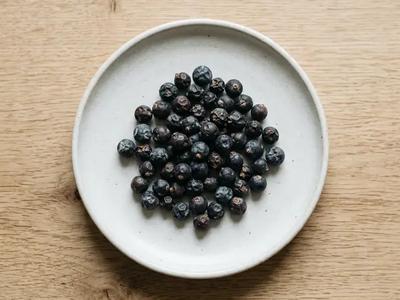
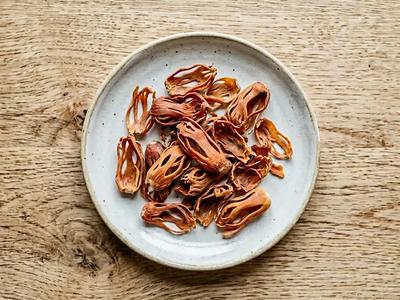
Four spices here are marked for culinary amounts only. The nutmeg and mace pages cite myristicin, which is toxic in large doses; the saffron page says it is uterotonic at gram-scale doses; the juniper page calls it a uterine stimulant in herbal references. No agency page names any of the four, so the NHS's general advice against herbal medicines in pregnancy is the source behind them. A teaspoon of nutmeg is 2.2 g and of saffron 0.7 g; the amounts that worry the references are grams, not pinches.[1] [4]
Single spices carry 5 to 80 mg of sodium per 100 g here, cloves 277 mg and cumin 168 mg. Blends can be salted: berbere lists 1,550 mg, above the NHS's high-salt threshold of 600 mg per 100 g, za'atar 550 mg and dukkah 300 mg, while garam masala, ras el hanout and curry powder sit at 50 to 72 mg. The NHS's adult limit is 6 g of salt a day. A teaspoon of berbere is still only about 30 mg of sodium; the line matters when a blend is used as a rub or a seasoning salt.[5] [6]
Amchur, dried mango powder, carries 72 g of sugar per 100 g here; tamarind powder 42 g; ginger chews 67 g; vanilla extract 12.6 g. All but vanilla are above the NHS's 22.5 g line for high sugar, and tamarind powder and ginger chews are the only foods in this category with a medium or high impact rating. Used by the pinch for sourness, amchur adds little; eaten as sweets, ginger chews are sweets.[5]
| Food | Carbs | Fiber | Sodium | Blood sugar impact |
|---|---|---|---|---|
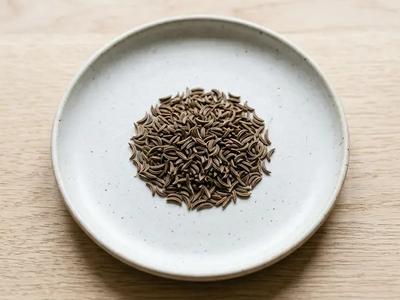
| Cumin | 44.2 g | 10.5 g | 168 mg | low |
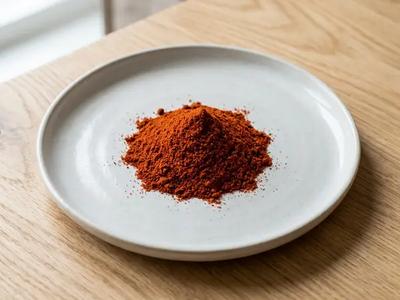
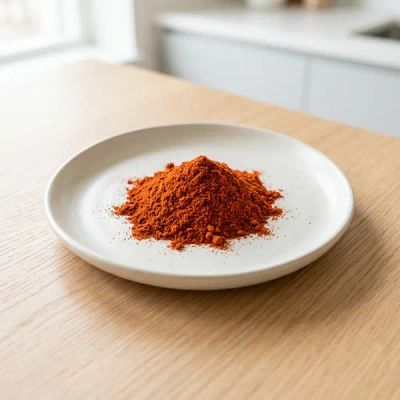
| Paprika (sweet, mild) | 54 g | 34.9 g | 68 mg | low |
| Coriander | 55 g | 41.9 g | 35 mg | low |
| Black Pepper | 63.9 g | 25.3 g | 20 mg | low |
| Turmeric | 67.1 g | 22.7 g | 27 mg | low |
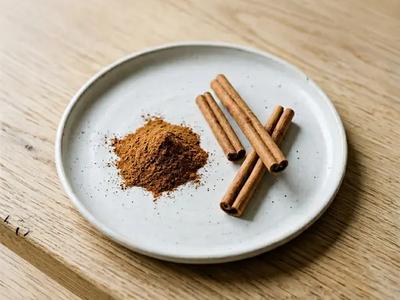
| Cinnamon Caution | 80.6 g | 53.1 g | 10 mg | low |
All dry, at 44 to 81 g of carbohydrate per 100 g; between a fifth and two thirds of it is fibre.
| Food | Carbs | Sodium | Fat | Blood sugar impact |
|---|---|---|---|---|
| Ras el hanout | 55.2 g | 70 mg | 14.3 g | low |
| Garam masala | 57.5 g | 72 mg | 15.4 g | low |
| Curry powder | 58.2 g | 52 mg | 13.8 g | low |
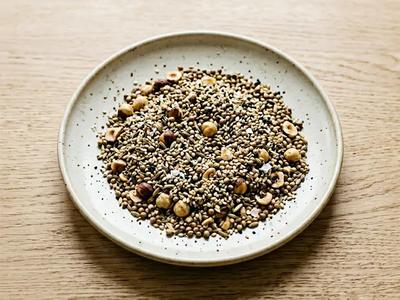
| Dukkah | 17.7 g | 300 mg | 50.5 g | low |
| Za'atar blend | 50.1 g | 550 mg | 20.5 g | low |
| Berbere | 55.2 g | 1,550 mg | 14.1 g | low |
Sodium runs from 52 mg per 100 g in curry powder to 1,550 mg in berbere; dukkah's fat is its nuts and seeds.
| Food | Carbs | Sugars | Fiber | Blood sugar impact |
|---|---|---|---|---|
| Vanilla | 12.7 g | 12.6 g | 0 g | low |
| Pumpkin Spice Blend (Salt/Sugar-Free) | 75.3 g | 7.1 g | 35.2 g | low |
| Tamarind Powder | 73.6 g | 42.3 g | 5.6 g | medium |
| Amchur (Dried Mango Powder) | 85 g | 72 g | 5.2 g | low |
| Ginger Chews | 91.7 g | 66.7 g | 0 g | high |
The pumpkin spice blend is the control: a sugar-free blend carries 7 g of sugar; amchur and ginger chews are mostly sugar.
| Food | Carbs | Fiber | Blood sugar impact |
|---|---|---|---|
| Juniper Berries Caution | 37.3 g | 12.7 g | low |
| Nutmeg Caution | 49.3 g | 20.8 g | low |
| Mace Caution | 50.5 g | 20.2 g | low |
| Fenugreek Caution | 58.4 g | 24.6 g | low |
| Saffron Caution | 65.4 g | 3.9 g | low |
| Cinnamon Caution | 80.6 g | 53.1 g | low |
The badge on each row is the point; every one is fine at the pinch or teaspoon its page describes.
Figures from each food's entry in this library. Open a food for its full profile and portion notes.
40 foods in this category, each rated for glycemic impact and blood sugar effect.
Track how spices affects your blood sugar with the SugarCurve app — free to download.
Start Free Trial →As a spice in food, nothing in the agency advice says otherwise. The US National Center for Complementary and Integrative Health says turmeric supplements in pregnancy may be unsafe and that too little is known to conclude turmeric helps with any condition, so the line is the same as for the herbs: cook with it, don't take it in capsules.[2]
The NHS says there is some evidence that foods or drinks containing ginger may help reduce nausea and vomiting, and to check with a pharmacist before taking ginger supplements. Fresh ginger in tea or cooking carries 17.8 g of carbohydrate per 100 g here; ginger chews carry 67 g of sugar, so they count as sweets.[3]
The nutmeg page here allows culinary sprinkles and no more, because myristicin is toxic in large doses; the amounts in the references are whole nutmegs or teaspoons, not the grating over a dish. No agency page names nutmeg; the NHS's rule against herbal medicines in pregnancy is the one that covers it.[4]
Every pregnancy is different, and gestational diabetes is managed differently depending on your readings, your medication and how far along you are. The ratings and portions on this page are general information — not a diagnosis, a treatment plan or a medical device — and they cannot see your results.
Contact your care team the same day if: your readings stay above target for several days; you have a reading below 54 mg/dL (3.0 mmol/L) or needed someone else's help to treat a low; you test positive for ketones; or your baby is moving less than usual. Seek emergency care for confusion, fainting, repeated vomiting, or a low you cannot bring back up.
By using this guide, you agree to our Terms and Conditions. How we write, source and review this content: editorial policy.
Compiled and reviewed by Dalo Labs ApS. Numbered references in the text point to the sources below. Not endorsed by or affiliated with any referenced organization. · Last reviewed: August 27, 2026
SugarCurve plans your week, turns cravings into recipes and shows how your readings respond to what you eat, so following your care team's advice takes less guesswork, day after day.
7 days free, then a subscription. Cancel anytime before the trial ends.