Herbs & Spices
Condiments and broths are eaten by the spoonful, so how they are made and how much salt they carry matter more in pregnancy than their carbohydrate. This guide takes the 72 condiments and broths under the Herbs & Spices guide and asks the pregnancy questions first: what is in a stock cube, why dashi carries an iodine note, when mayonnaise counts as a raw-egg food, and whether the cheese in pesto matters. Seven foods here carry a pregnancy rule, each about how the food is made, not about carbohydrate. Then it turns to the spoon. Miso and fish sauce carry more salt in a tablespoon than the NHS's whole high-salt threshold, tomato purée multiplies its sugar on the way to sun-dried paste, and the vinegars carry almost nothing. Every figure below is per 100 g; USDA's spoon weights turn them into portions.
See what works for you. Try SugarCurve free for 7 days
72 foodsLast reviewed: September 1, 2026Sources


No foods found for your search.
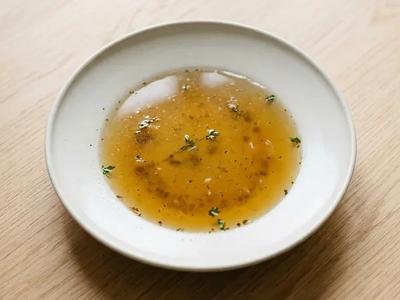
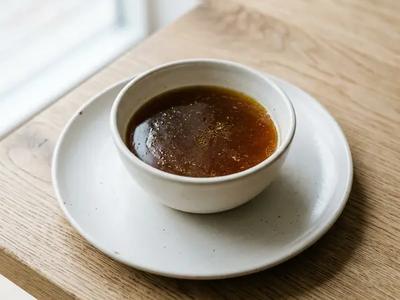
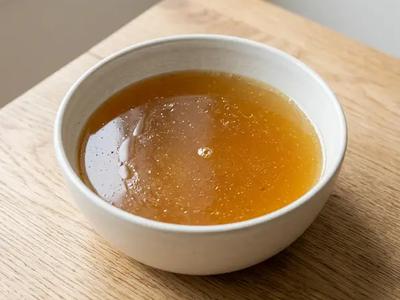
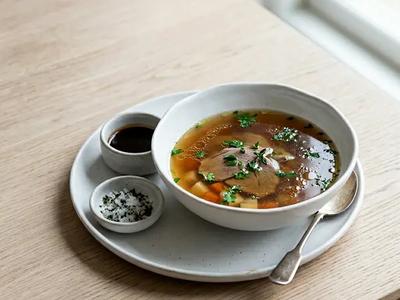
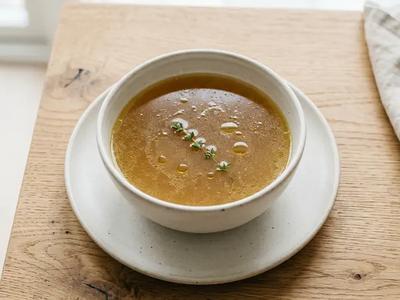
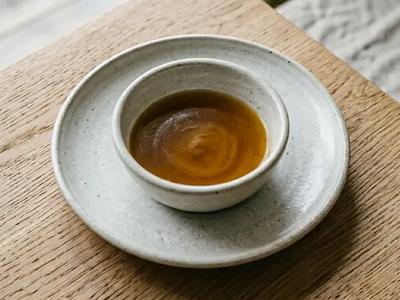
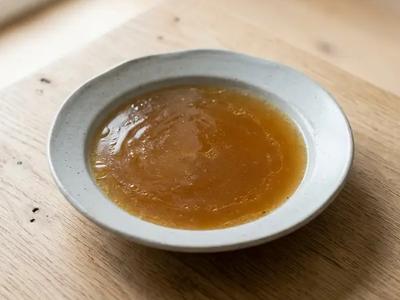
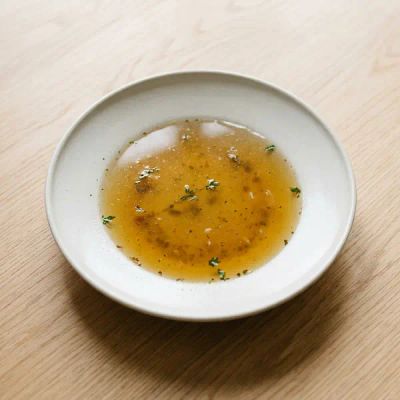
60 mg of sodium per 100 g, the lowest of the broths, and 1.5 g of carbohydrate.
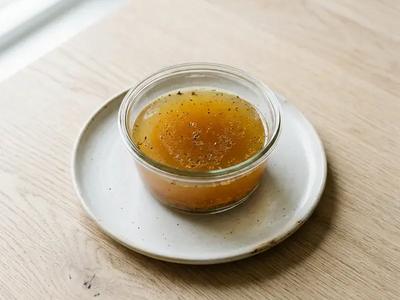
2.5 g of protein and 0.2 g of carbohydrate per 100 g, at 180 mg of sodium.
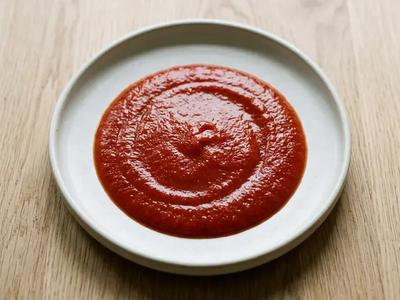
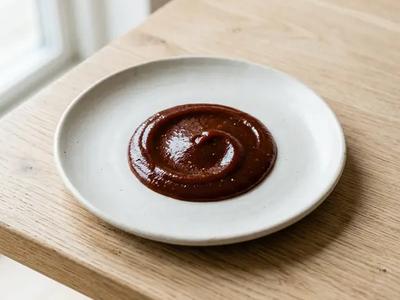
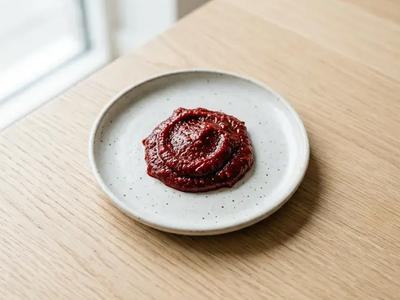
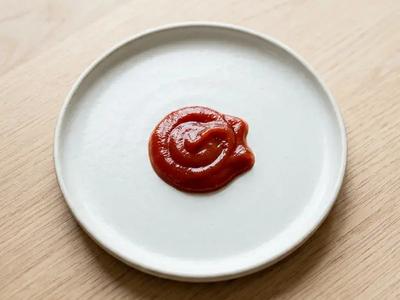
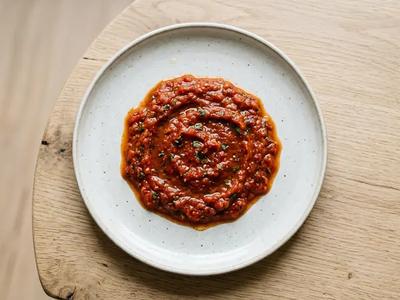
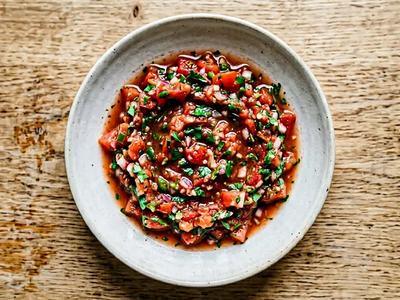
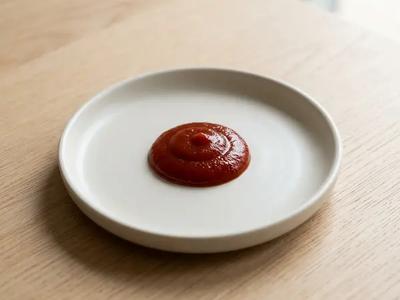
8.6 g of carbohydrate per 100 g with 22 mg of sodium; the least concentrated tomato here.
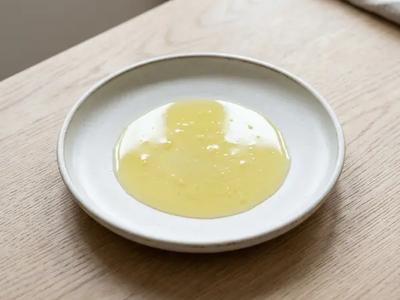
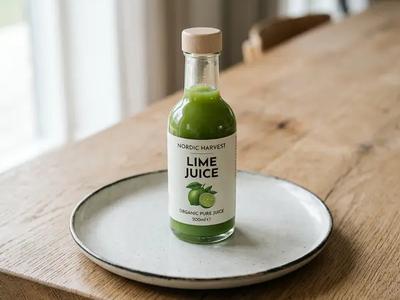
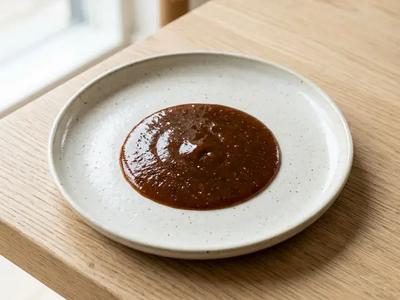
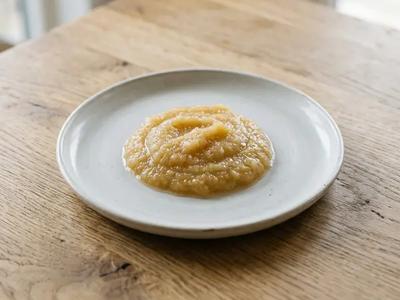
9.3 g of carbohydrate per 100 g, used by the squeeze; 1 mg of sodium.
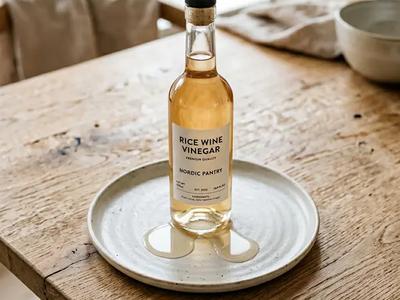
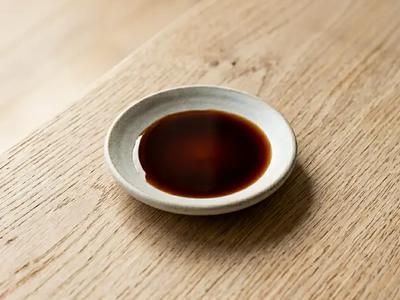
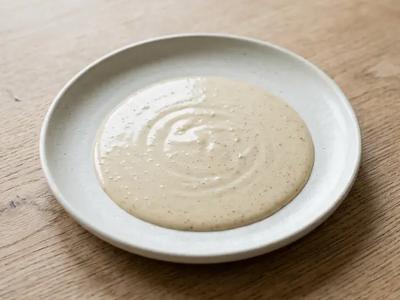
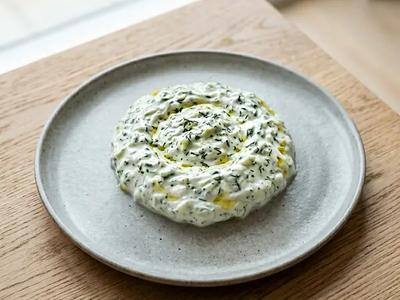
0.1 g of carbohydrate per 100 g; the plainest dressing base in the category.
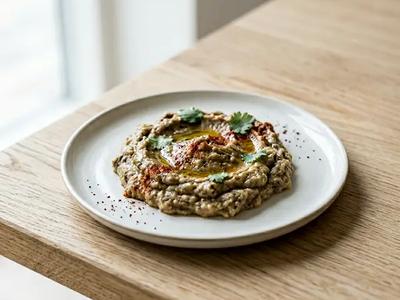
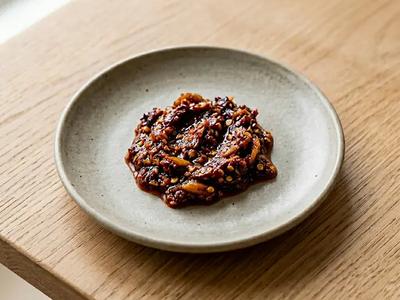
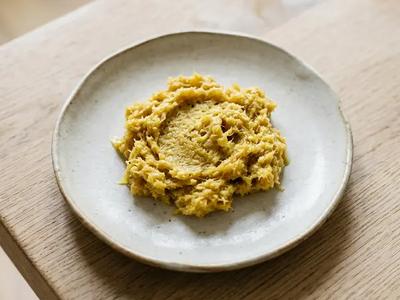
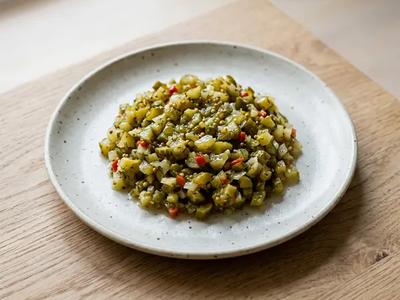
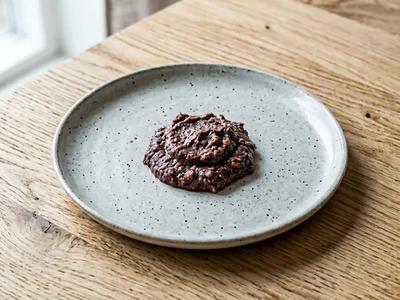
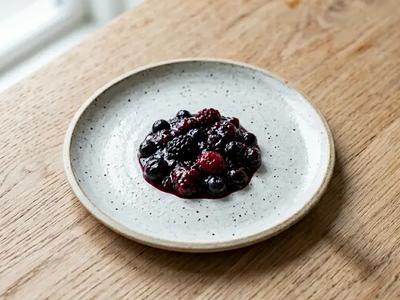
10.5 g of carbohydrate per 100 g, half of it fibre, with 5 mg of sodium.
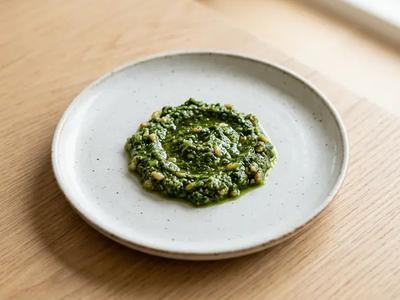
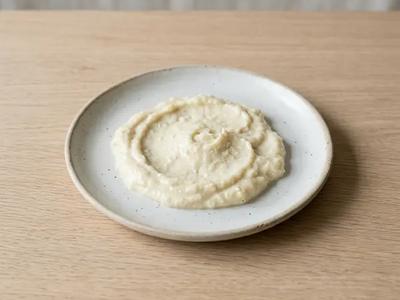
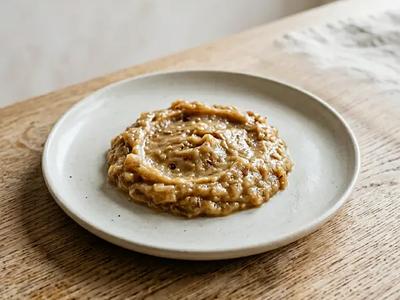
Here for the cheese question: parmesan is a hard cheese, fine in pregnancy; the fat is 45.5 g.
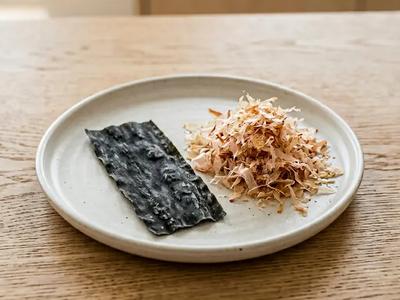
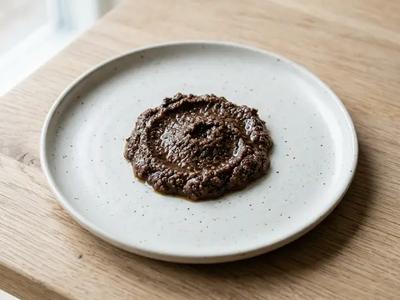
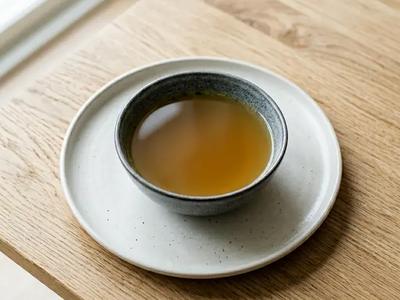
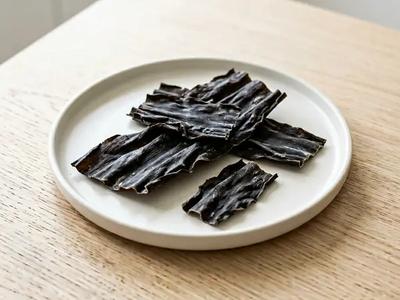
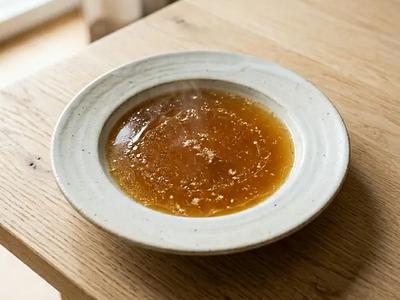
Here for its rule: a kelp broth, so the BDA's once-a-week line on brown seaweed applies.
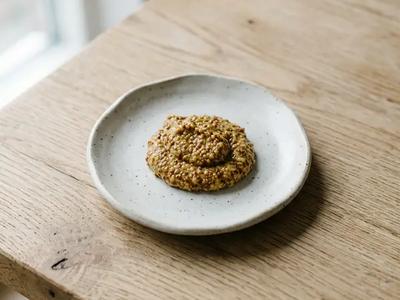
The broths with the least salt, the least concentrated tomato, two near-zero acids, a dip with no added salt, and pesto and dashi for their pregnancy questions. Mustard, salsa, hummus, tzatziki and soy sauce are featured in the Herbs & Spices guide.
The broths here run from 60 mg of sodium per 100 g in vegetable broth to 410 mg in fish stock, all under the NHS's high-salt threshold of 600 mg; USDA's ready-to-serve chicken broth lists 371 mg. Stock cubes are the exception: USDA lists dry chicken bouillon at 23,875 mg of sodium per 100 g and weighs a cube at 4 g, so one cube carries about 950 mg, more than twice what 100 g of the saltiest broth here does. The NHS suggests low-salt stock cubes and sets the adult limit at 6 g of salt a day.[1] [2] [3]
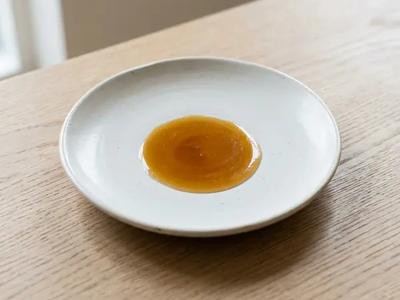
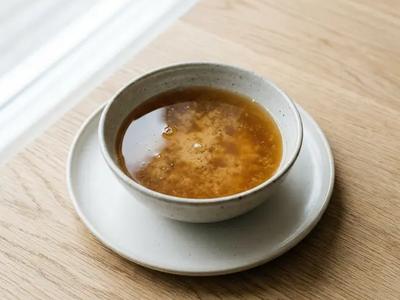
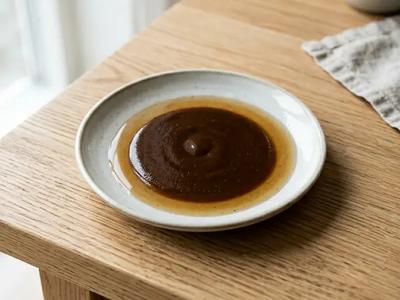
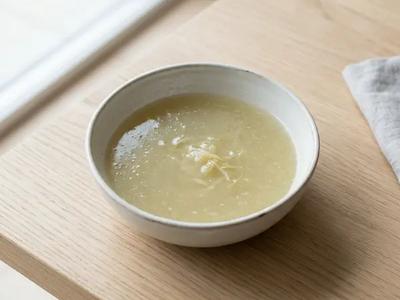
Dashi and kombu dashi are the two broths here with a pregnancy rule, and it is about iodine, not salt: both are built on kombu, a brown seaweed. The British Dietetic Association's iodine fact sheet says the iodine in seaweed is high and variable and that brown seaweeds such as kelp should not be eaten more than once a week, especially in pregnancy. The pages here mark both as limit for that reason.[4]
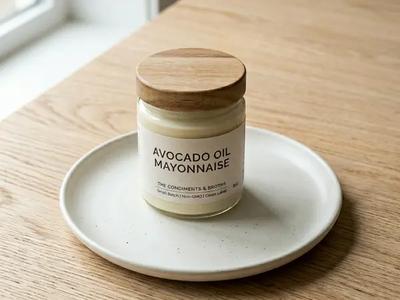
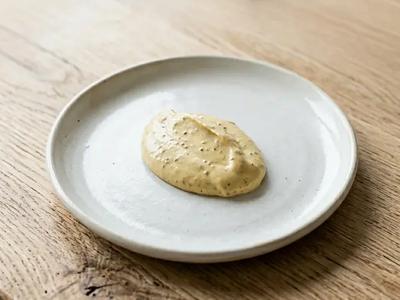
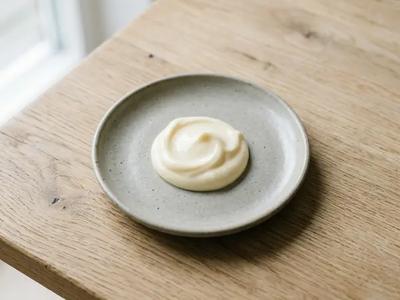
Mayonnaise is egg yolk and oil, and the question is whether the egg was raw. The NHS lists mayonnaise made with raw British Lion eggs as safe to eat in pregnancy; the FDA says recipes served with raw egg should use pasteurised eggs, and names pregnant women among those at greater risk from salmonella. The two mayonnaise pages here take the stricter line and ask for pasteurised egg. USDA's regular mayonnaise is 0.6 g of carbohydrate and 75 g of fat per 100 g; a 13.8 g tablespoon is about 10 g of fat.[1] [5] [6]
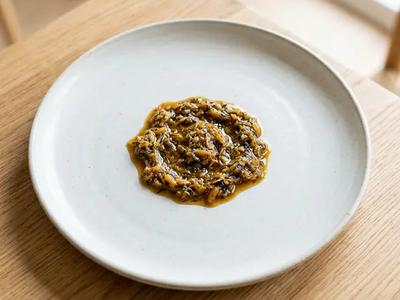
Pesto's cheese is parmesan or pecorino, and the NHS lists hard cheeses such as parmesan as safe in pregnancy whether pasteurised or not. What pesto does carry is fat: 45.5 g per 100 g here, 37.6 g in USDA's refrigerated pesto, with 600 to 680 mg of sodium, at the NHS's high-salt line. After mayonnaise it is the most energy-dense food in this category.[1] [5]
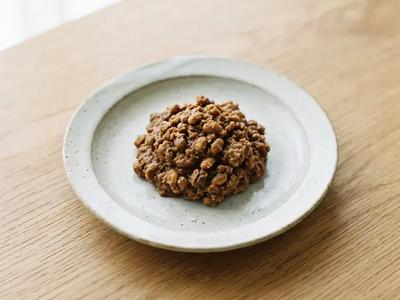
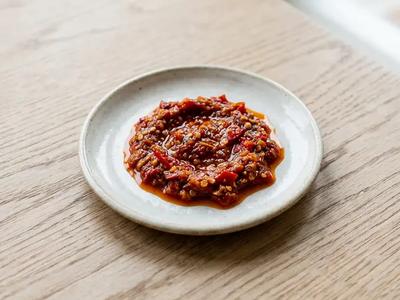
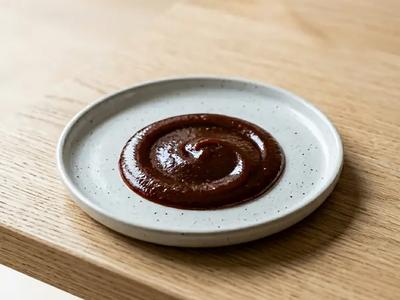
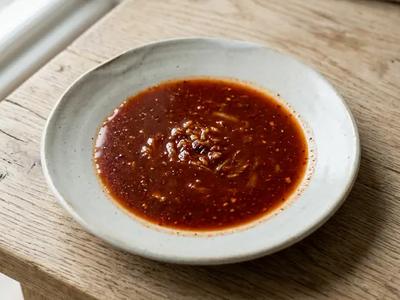
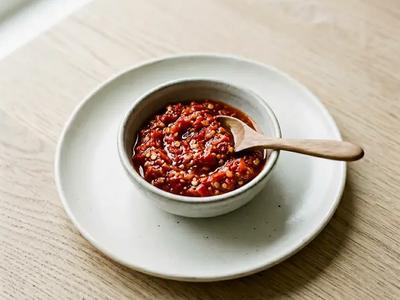
Miso paste lists 3,728 mg of sodium per 100 g here and in USDA's tables, and USDA weighs a tablespoon at 17 g, so one spoon carries about 630 mg, above the NHS's 600 mg threshold on its own. Fish sauce is 7,850 mg per 100 g, a tablespoon about 1,400 mg. Gochujang carries 2,540 mg of sodium and 27 g of sugar; shrimp paste 9,150 mg. The shrimp paste and sauerkraut juice pages add a listeria note because neither is heat-treated; no agency page names either, and the note is the pages' own.[1] [2]
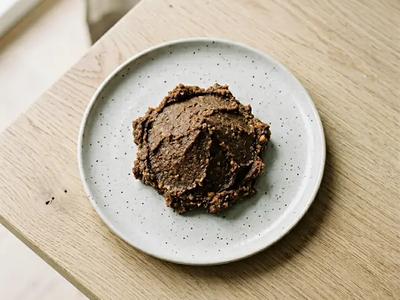
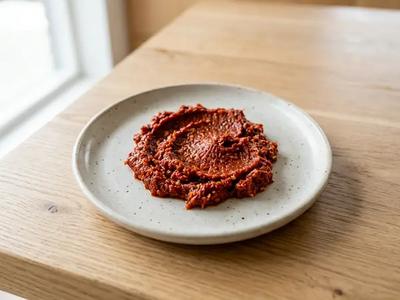
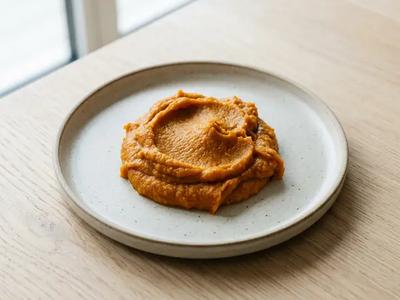
Tomato purée carries 8.6 g of carbohydrate and 5 g of sugar per 100 g here, tomato paste 19 g and 12 g, and sun-dried tomato paste 43.5 g and 37.6 g: the same fruit, with more water removed each time, and only the last crosses the NHS's 22.5 g line for high sugar. Unsweetened applesauce carries 9.6 g of sugar per 100 g and the sugar-free jam 5 g. Garlic paste, at 30 g of carbohydrate, is the surprise; used by the teaspoon it adds little, but it is not the near-zero food garlic looks like.[2]
| Food | Carbs | Protein | Sodium | Blood sugar impact |
|---|---|---|---|---|
| Vegetable Broth | 1.5 g | 0.3 g | 60 mg | low |
| Bone Broth | 0.2 g | 2.5 g | 180 mg | low |
| Chicken Broth | 0.3 g | 0.5 g | 250 mg | low |
| Beef Broth | 0.5 g | 1.5 g | 350 mg | low |
| Ham Stock | 0.5 g | 2.5 g | 400 mg | low |
| Fish stock | 0.5 g | 1.2 g | 410 mg | low |
All under 2 g of carbohydrate per 100 g; sodium runs from 60 to 410 mg, a fraction of a stock cube's.
| Food | Carbs | Sugars | Sodium | Blood sugar impact |
|---|---|---|---|---|
| Kimchi Juice | 3.1 g | 1 g | 950 mg | low |
| Sauerkraut juice Caution | 3.4 g | 1.8 g | 750 mg | low |
| Gochujang | 43.5 g | 27.2 g | 2,540 mg | high |
| Miso Paste | 25.4 g | 6 g | 3,728 mg | low |
| Fermented Bean Paste | 25.4 g | 6 g | 4,200 mg | low |
| Shrimp Paste Caution | 2.1 g | 0.5 g | 9,150 mg | low |
Gochujang carries the carbohydrate; shrimp paste and the bean pastes carry the salt.
| Food | Carbs | Sugars | Fiber | Blood sugar impact |
|---|---|---|---|---|
| Tomato purée | 8.6 g | 5 g | 2.9 g | low |
| Unsweetened Applesauce | 11.3 g | 9.6 g | 1.2 g | medium |
| Unsweetened Pumpkin Puree | 12 g | 5 g | 5 g | medium |
| Tomato Paste | 19 g | 12.2 g | 4.1 g | low |
| Sun-dried Tomato Paste | 43.5 g | 37.6 g | 12.2 g | medium |
| Sugar-Free Jam | 10 g | 5 g | 2 g | low |
From 8.6 g of carbohydrate per 100 g in tomato purée to 43.5 g in sun-dried tomato paste, as water is removed.
| Food | Carbs | Sugars | Sodium | Blood sugar impact |
|---|---|---|---|---|
| Rice Wine Vinegar | 0.1 g | 0 g | 2 mg | low |
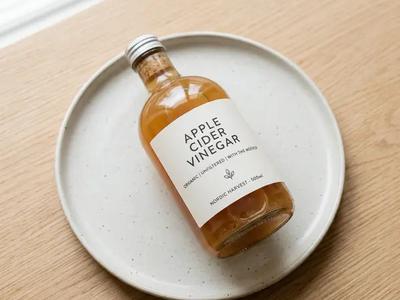
| Apple Cider Vinegar Caution | 0.9 g | 0.4 g | 5 mg | low |
| Verjus | 6 g | 5.5 g | 5 mg | low |
| Ginger Paste | 10.5 g | 1.5 g | 250 mg | low |
| Curry Paste | 15.2 g | 8.5 g | 2,500 mg | low |
| Garlic Paste | 30.2 g | 1 g | 580 mg | low |
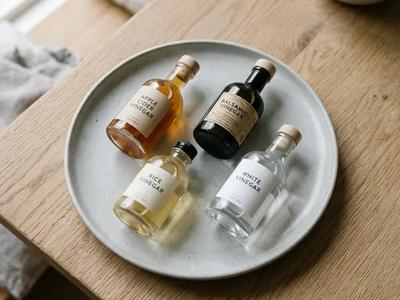
The vinegars carry almost no carbohydrate; garlic paste carries 30 g and curry paste 2,500 mg of sodium.
Figures from each food's entry in this library. Open a food for its full profile and portion notes.
72 foods in this category, each rated for glycemic impact and blood sugar effect.
Track how condiments and broths affects your blood sugar with the SugarCurve app — free to download.
Start Free Trial →Made with pasteurised egg, the pages here say yes. The NHS also lists mayonnaise made with raw British Lion eggs as safe; the FDA's advice for raw-egg recipes is to use pasteurised eggs, with pregnant women among those at higher risk from salmonella. The mayonnaise pages here follow the FDA line. Its carbohydrate is under 1 g per 100 g; the fat is 75 g.[5] [6]
Yes on the cheese: parmesan and pecorino are hard cheeses, which the NHS lists as safe in pregnancy pasteurised or not. Pesto carries 4 g of carbohydrate per 100 g but 45.5 g of fat and 680 mg of sodium here.[5]
By USDA's figures, a 4 g chicken bouillon cube carries about 950 mg of sodium, and a 3.6 g beef cube about 860 mg. The NHS suggests low-salt stock cubes; the ready-made broths here carry 60 to 410 mg per 100 g.[1] [3]
Its carbohydrate is modest, 25 g per 100 g here and in USDA's tables, so a 17 g tablespoon carries about 4 g. The salt is the issue: that same tablespoon carries about 630 mg of sodium, above the NHS's high-salt threshold of 600 mg by itself. Miso broth, at 350 mg per 100 g, is the diluted form.[1] [2]
Every pregnancy is different, and gestational diabetes is managed differently depending on your readings, your medication and how far along you are. The ratings and portions on this page are general information — not a diagnosis, a treatment plan or a medical device — and they cannot see your results.
Contact your care team the same day if: your readings stay above target for several days; you have a reading below 54 mg/dL (3.0 mmol/L) or needed someone else's help to treat a low; you test positive for ketones; or your baby is moving less than usual. Seek emergency care for confusion, fainting, repeated vomiting, or a low you cannot bring back up.
By using this guide, you agree to our Terms and Conditions. How we write, source and review this content: editorial policy.
Compiled and reviewed by Dalo Labs ApS. Numbered references in the text point to the sources below. Not endorsed by or affiliated with any referenced organization. · Last reviewed: September 1, 2026
SugarCurve plans your week, turns cravings into recipes and shows how your readings respond to what you eat, so following your care team's advice takes less guesswork, day after day.
7 days free, then a subscription. Cancel anytime before the trial ends.