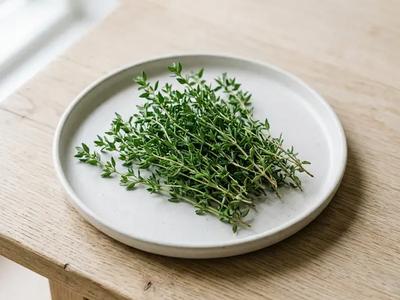
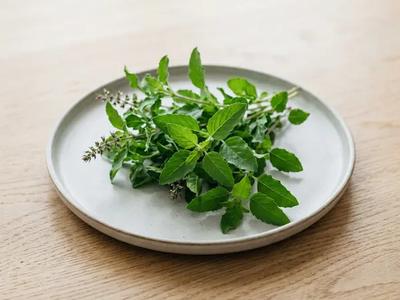
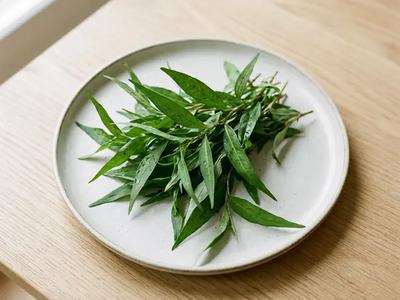
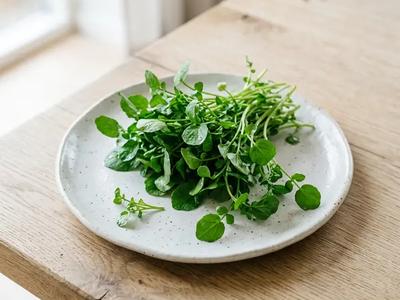
Herbs & Spices
Herbs used in cooking amounts are fine, and teas, oils and supplements are a different matter: that is the general point the Herbs & Spices guide makes. This guide goes herb by herb through the 32 in this category. Thirteen carry a pregnancy rule, more than any other group of its size in the library, and the rule is nearly always about the form: a garnish or a stuffing is not the same thing as a daily tea, an essential oil or a capsule. It also sorts out a quieter problem with the numbers. Some herbs here are listed fresh and some dried, which is why sage shows 61 g of carbohydrate per 100 g and basil 2.7 g. Neither adds much to a meal once you weigh what a teaspoon holds.
See what works for you. Try SugarCurve free for 7 days
32 foodsLast reviewed: August 30, 2026Sources



No foods found for your search.
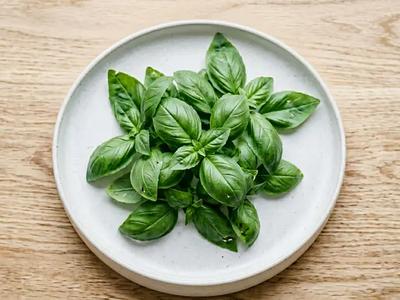
2.7 g of carbohydrate per 100 g fresh; tulsi, its cousin, carries a caution that basil doesn't.
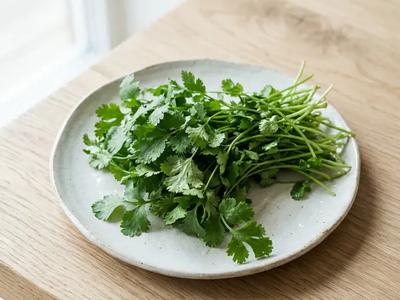
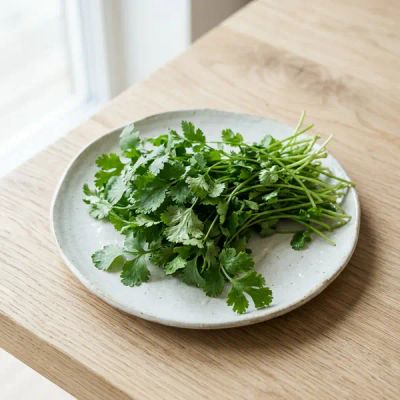
3.7 g of carbohydrate per 100 g fresh, and no pregnancy note.
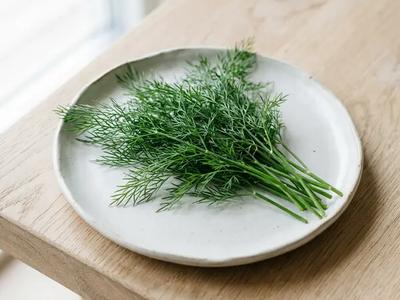
7 g of carbohydrate per 100 g fresh, 3.5 g of protein, no pregnancy note.
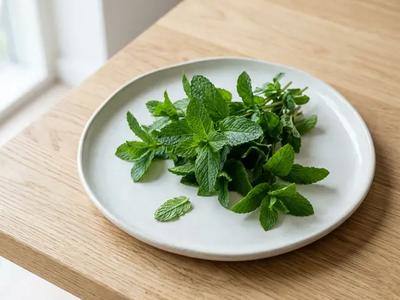
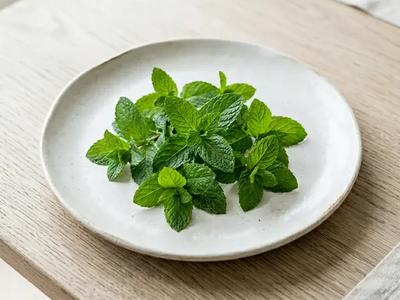
8.4 g of carbohydrate per 100 g fresh, 6.8 g of it fibre; the tea appears safe by NCCIH's account.
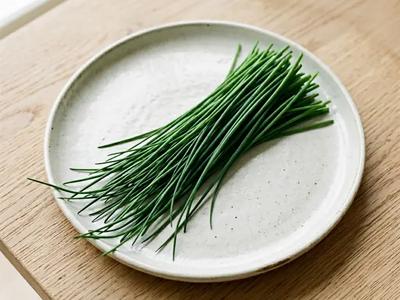
4.4 g of carbohydrate per 100 g fresh; the onion family's herb.
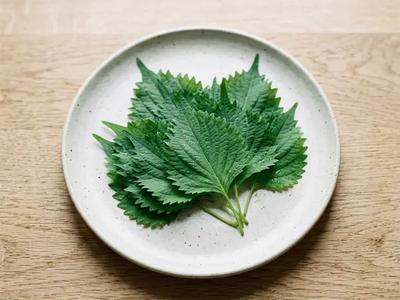
7.5 g of carbohydrate per 100 g, 7 g of it fibre.
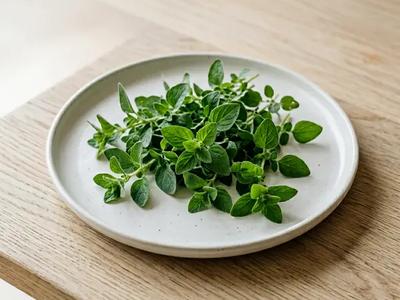
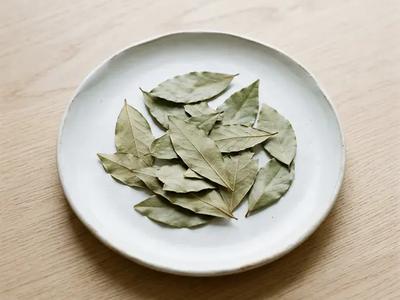
Listed dried: 69 g of carbohydrate per 100 g, but a teaspoon of leaves weighs 1 g.
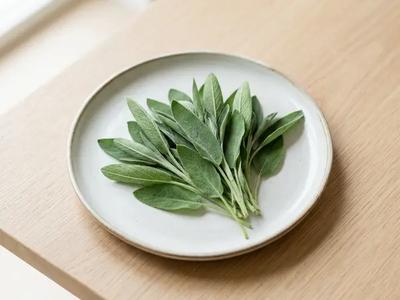
Here for its rule: fine as a seasoning; the EU monograph says the herbal medicine isn't recommended in pregnancy.
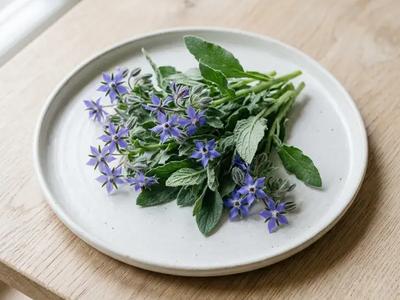
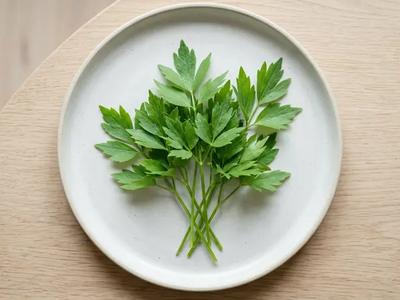
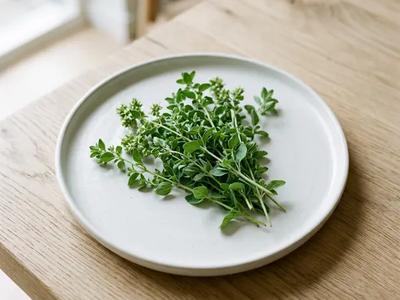
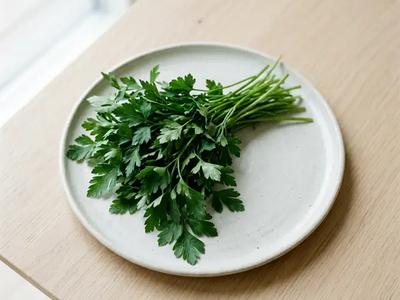
Six fresh herbs with no pregnancy note, oregano for what a teaspoon of a dried herb weighs, and sage for its rule. Parsley is featured in the Herbs & Spices guide; borage and epazote are marked avoid and aren't featured.
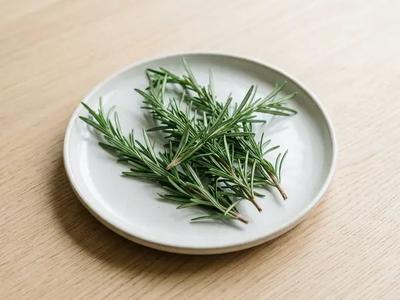
Basil, parsley, coriander, dill, chives, mint, thyme and rosemary are listed fresh here; sage, oregano, marjoram, tarragon and bay leaves are listed dried, which is why their carbohydrate runs from 50 to 75 g per 100 g. USDA shows the gap on one herb at a time: fresh basil 2.7 g of carbohydrate per 100 g, dried 47.8 g; fresh parsley 6.3 g, dried 50.6 g. The weights close it again: a teaspoon of dried oregano leaves is 1 g, of ground sage 0.7 g, so a teaspoon of any dried herb here adds under a gram of carbohydrate, most of it fibre.[1]
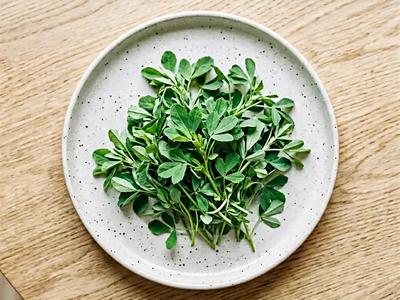
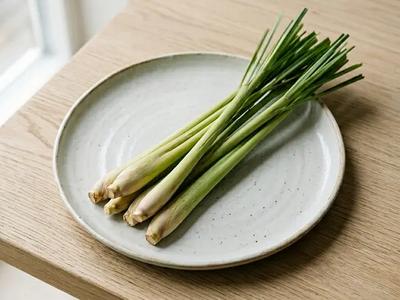
Parsley, sage, lovage, lemongrass, tulsi, fenugreek leaves, Vietnamese coriander and epazote are marked for the same reason: herbal references describe a uterine-stimulant effect at medicinal strength. The pages here draw the line at the form, not the herb. Parsley as a garnish or in a salad is fine and concentrated parsley preparations are not; a stalk of lemongrass in a curry is fine and lemongrass tea or oil is cautioned; sage as a seasoning is fine and sage tea is not. Epazote is the one marked avoid at any dose. The NHS's general rule, not to take herbal medicines in pregnancy, is the source behind all of them; no agency page names the individual herbs.[2]
The European Medicines Agency's herbal monograph on sage leaf says that safety in pregnancy and breastfeeding has not been established and that use is not recommended, and it notes that thujone, the compound sage is known for, is reported to be neurotoxic, capping daily exposure from a sage medicine at 6 mg. The monograph covers sage as a herbal medicine, meaning teas and extracts, not the leaf in a stuffing, and the sage page here draws the same line.[3]
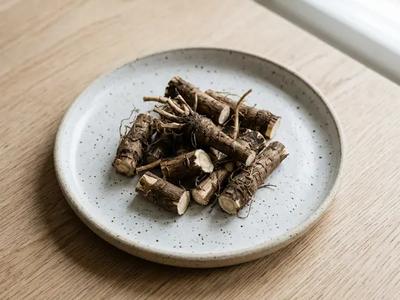
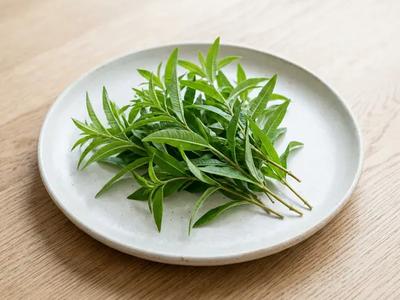
The NHS says to drink no more than 4 cups of herbal tea a day in pregnancy and to avoid teas containing liquorice root. The US National Center for Complementary and Integrative Health says peppermint tea appears to be safe, while little is known about peppermint in medicinal amounts in pregnancy, which is where the peppermint oil entry here sits: food-flavouring drops, not doses. Lemon verbena and dandelion root are listed as limit for the same reason, tea strength rather than supplement strength.[4] [5]
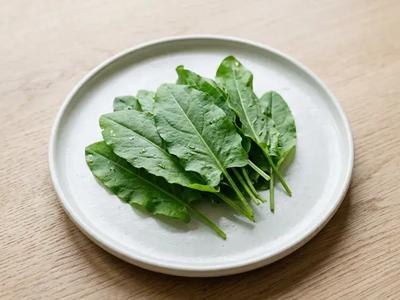
Borage is marked avoid because its leaves and flowers contain pyrrolizidine alkaloids, liver toxins with no established safe intake in pregnancy, and epazote because of a long traditional use as an abortifacient. Sorrel is limited for its oxalic acid, which binds calcium and iron, and dandelion root and lemon verbena for the lack of pregnancy data at daily strength. These are the pages' own reasons; the NHS's blanket advice against herbal medicines in pregnancy is the only agency source that covers them.[2]
| Food | Carbs | Fiber | Protein | Blood sugar impact |
|---|---|---|---|---|
| Basil | 2.7 g | 1.6 g | 3.2 g | low |
| Cilantro (Coriander Leaves) | 3.7 g | 2.8 g | 2.1 g | low |
| Chives | 4.4 g | 2.5 g | 3.3 g | low |
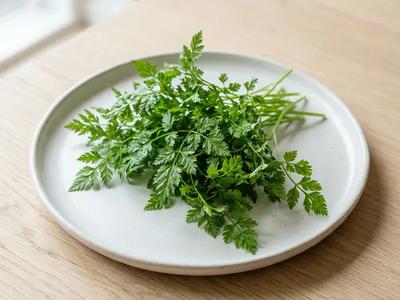
| Parsley Caution | 6.3 g | 3.3 g | 3 g | low |
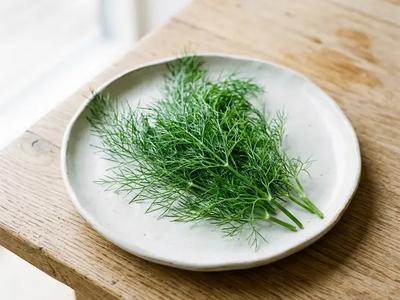
| Dill | 7 g | 2.1 g | 3.5 g | low |
| Mint | 8.4 g | 6.8 g | 3.8 g | low |
All fresh, at 3 to 8 g of carbohydrate per 100 g; a handful weighs a few grams.
| Food | Carbs | Fiber | Fat | Blood sugar impact |
|---|---|---|---|---|
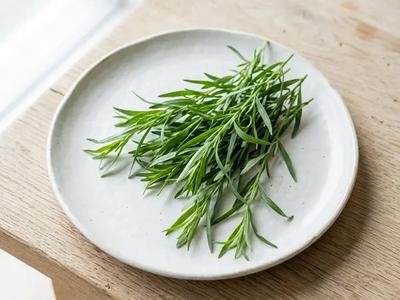
| Tarragon | 50.2 g | 7.4 g | 7.2 g | low |
| Marjoram | 60.6 g | 40.3 g | 7 g | low |
| Sage Caution | 60.7 g | 40.3 g | 12.8 g | low |
| Oregano | 68.9 g | 42.5 g | 4.3 g | low |
| Bay leaves | 75 g | 26.3 g | 8.4 g | low |
All dried, at 50 to 75 g of carbohydrate per 100 g, over half of it fibre in marjoram, sage and oregano.
| Food | Carbs | Fiber | Blood sugar impact |
|---|---|---|---|
| Parsley Caution | 6.3 g | 3.3 g | low |
| Sage Caution | 60.7 g | 40.3 g | low |
| Lemongrass Caution | 25.3 g | 5 g | low |
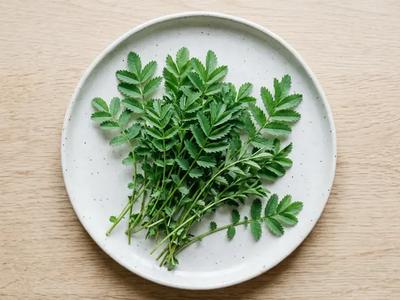
| Lovage Caution | 7.4 g | 3.5 g | low |
| Tulsi (Holy Basil) Caution | 2.7 g | 1.6 g | low |
| Fenugreek Leaves (Methi) Caution | 6 g | 1.1 g | low |
The badge on each row is the point of this table; the carbohydrate is trivial in every case.
Figures from each food's entry in this library. Open a food for its full profile and portion notes.
32 foods in this category, each rated for glycemic impact and blood sugar effect.
Track how herbs affects your blood sugar with the SugarCurve app — free to download.
Start Free Trial →As a garnish, in a salad or in tabbouleh, yes; the parsley page here marks it conditional because its volatile oils are described as uterine stimulants at medicinal concentration, so parsley tea, juice and supplements are what to skip. The NHS's advice is not to take herbal medicines in pregnancy; it doesn't name parsley.[2]
In a stuffing or a sauce, the sage page here says yes. As a tea, an oil or a supplement, the European Medicines Agency's monograph says use is not recommended in pregnancy because safety has not been established. USDA weighs a teaspoon of ground sage at 0.7 g, which is the seasoning amount.[1] [3]
The NHS's rule is no more than 4 cups of herbal tea a day and none containing liquorice root; NCCIH says peppermint tea appears safe. Teas made from the herbs marked here, sage, lemongrass, tulsi, lemon verbena and dandelion root, are the form their pages caution against, so they are the ones to leave out.[4] [5]
Very little. Fresh herbs carry 3 to 8 g per 100 g and a handful weighs a few grams; dried herbs carry 50 to 75 g per 100 g but a teaspoon weighs about 1 g, so it adds under a gram. USDA's figures for fresh and dried basil, 2.7 g against 47.8 g, show the whole difference is water.[1]
Every pregnancy is different, and gestational diabetes is managed differently depending on your readings, your medication and how far along you are. The ratings and portions on this page are general information — not a diagnosis, a treatment plan or a medical device — and they cannot see your results.
Contact your care team the same day if: your readings stay above target for several days; you have a reading below 54 mg/dL (3.0 mmol/L) or needed someone else's help to treat a low; you test positive for ketones; or your baby is moving less than usual. Seek emergency care for confusion, fainting, repeated vomiting, or a low you cannot bring back up.
By using this guide, you agree to our Terms and Conditions. How we write, source and review this content: editorial policy.
Compiled and reviewed by Dalo Labs ApS. Numbered references in the text point to the sources below. Not endorsed by or affiliated with any referenced organization. · Last reviewed: August 30, 2026
SugarCurve plans your week, turns cravings into recipes and shows how your readings respond to what you eat, so following your care team's advice takes less guesswork, day after day.
7 days free, then a subscription. Cancel anytime before the trial ends.