

Nutrition per 100g
Lemon Verbena for Gestational Diabetes
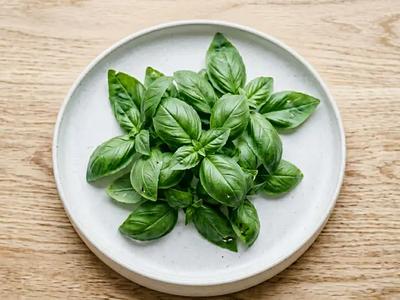
Lemon verbena is a perennial shrub native to South America, celebrated for its intensely fragrant, lemon-scented leaves. The powerful aroma comes from volatile oils, primarily citral, which gives it a cleaner, more potent scent than actual lemons. It is most commonly used to make herbal teas, also known as tisanes, prized for their calming and digestive properties. Beyond beverages, it is also utilized in perfumery and as a subtle flavoring agent in various culinary dishes. Its traditional use in folk medicine spans from reducing fever to acting as a gentle sedative.
At a glance
Pregnancy safety
LimitBlood sugar impact
lowCarbs / 100 g
0.5gIs Lemon Verbena safe with gestational diabetes?
Lemon verbena is an exceptional choice for managing gestational diabetes as it offers a flavorful, satisfying beverage without calories, sugar, or caffeine. It serves as an excellent alternative to sugary drinks or sodas, helping to maintain hydration, which is crucial for stable blood sugar levels. Its naturally sweet, citrusy flavor can curb cravings for sweets without impacting glucose. Furthermore, its calming properties may help in managing stress, a known factor that can influence blood sugar control during pregnancy.
Pregnancy safety
Limit how much Lemon Verbena you eat during pregnancy
No more than two to three cups of lemon verbena tea a day, as part of a total of no more than four cups of herbal tea daily.
Lemon verbena is a herbal infusion rather than a food, and pregnancy guidance caps herbal teas at a few cups a day because the safety of a concentrated daily intake has not been established.
This is about food safety in pregnancy, not blood sugar — it applies whatever your readings look like. Confirm it with your midwife or doctor.
How does Lemon Verbena affect blood sugar during pregnancy?
As an herbal infusion, lemon verbena has a glycemic index and glycemic load of virtually zero. It contains no carbohydrates or sugars that would require an insulin response from the body. Therefore, consuming lemon verbena tea will not cause a spike in blood glucose levels. This makes it a perfectly safe and highly recommended beverage to enjoy at any time of day. Its stability in this regard allows for liberal consumption without the need for careful monitoring or measurement related to blood sugar management.
What is a safe portion of Lemon Verbena for gestational diabetes?
Lemon verbena tea has no effect on your blood sugar, but it is a herbal infusion rather than a food, so keep it to two or three cups a day. A typical portion is one cup, made by steeping one to two teaspoons of dried leaves or a few fresh sprigs. That cap comes from the herb, not from glucose: the safety of a concentrated daily intake in pregnancy has not been established, and herbal teas of all kinds are best kept to no more than four cups a day in total. Within that allowance, use it as a satisfying, caffeine-free alternative to sweet drinks, and let plain water do the rest of the hydrating. The 5-gram serving figure refers to the dried leaves and is a database formality, separate from the daily cup count above.
How should I combine Lemon Verbena to manage blood sugar during pregnancy?
Lemon verbena does not require pairing to mitigate its own blood sugar impact; rather, it is a tool to complement meals. Enjoy a cup of warm lemon verbena tea after a protein-rich meal to aid digestion and provide a sweet-tasting finish, which can help prevent dessert cravings. It can also be used as a hydrating, zero-calorie drink alongside snacks like nuts or Greek yogurt. Using it as a base for iced tea with a squeeze of fresh lemon can make hydration more appealing throughout the day.
Last reviewed: August 31, 2026
Important Safety Information
Every pregnancy is different, and gestational diabetes is managed differently depending on your readings, your medication and how far along you are. The ratings and portions on this page are general information — not a diagnosis, a treatment plan or a medical device — and they cannot see your results.
- Low blood sugar:
- If you take insulin or diabetes medication, eating less carbohydrate than your team planned for can push your blood sugar too low. Treat a reading below 70 mg/dL (3.9 mmol/L), or symptoms such as shaking, sweating, confusion or a racing heart, with fast-acting carbohydrate immediately and retest after 15 minutes. Never use this page as a reason to skip or shrink a meal you were told to eat.
- Carbohydrate and ketones:
- Cutting carbohydrate hard to force a number down is not safe in pregnancy — it can produce ketones. Published guidance sets a minimum of 175 g of carbohydrate per day in pregnancy. Readings that stay above target for several days need your care team, not a smaller portion.
- Medication and insulin:
- The portions here are generic and know nothing about your insulin doses, your metformin, or the steroids given to mature your baby's lungs — all of which change how a meal affects you. Never adjust a dose or a mealtime based on this page.
- Food safety in pregnancy:
- Blood sugar is not the only thing that makes a food suitable while you are pregnant. Some foods with excellent glycemic numbers still carry mercury, vitamin A, listeria or alcohol risks, and those are judged separately from the ratings shown here. Check your national pregnancy food-safety guidance before adding an unfamiliar food.
- What these ratings can and cannot tell you:
- Glycemic index values, impact ratings and maximum servings are population averages taken from published tables. Two people eating the same food can get very different readings, so your own meter is the only measurement that describes you. Nutrition figures are indicative per 100 g and vary with brand, ripeness and preparation.
Contact your care team the same day if: your readings stay above target for several days; you have a reading below 54 mg/dL (3.0 mmol/L) or needed someone else's help to treat a low; you test positive for ketones; or your baby is moving less than usual. Seek emergency care for confusion, fainting, repeated vomiting, or a low you cannot bring back up.
By using this guide, you agree to our Terms and Conditions. How we write, source and review this content: editorial policy.
Sources & Editorial Review
Content independently developed by Dalo Labs ApS, informed by the American Diabetes Association's Standards of Care in Diabetes, ACOG's gestational diabetes guidelines, and the IADPSG consensus criteria. Not endorsed by or affiliated with any referenced organization. · Last reviewed: August 2026
- American Diabetes Association — Management of Diabetes in Pregnancy: Standards of Care in Diabetes—2026
- ACOG Practice Bulletin No. 190 — Gestational Diabetes Mellitus (reaffirmed 2026)
- USDA FoodData Central — Nutritional Database
- Atkinson et al. — International Tables of Glycemic Index and Glycemic Load Values 2021 (Am J Clin Nutr)




Help with every meal, not just this one
SugarCurve plans your week, turns cravings into recipes and shows how your readings respond to what you eat, so following your care team's advice takes less guesswork, day after day.
- Weekly meal plans
- Recipes for your cravings
- Your numbers, in charts
- Reports for your care team
7 days free, then a subscription. Cancel anytime before the trial ends.