Food Library
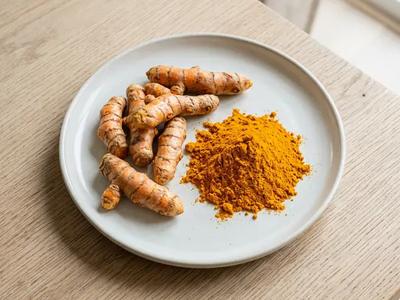
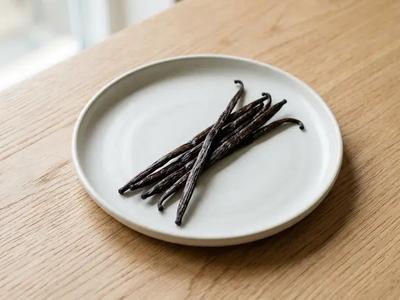
Herbs and spices are usually used by the pinch, so the carbohydrate they add to a meal is small even when the figure per 100 g looks high: ground cinnamon is about 81 g per 100 g by USDA's figures, 53 g of it fibre. Sauces are different. Ketchup, barbecue sauce, hoisin and chutney carry 25 to 55 g of carbohydrate per 100 g in this library, much of it sugar, and soy sauce, fish sauce and stock can carry a lot of salt. This guide covers sweet sauces and salty ones, what the evidence does and doesn't show for cinnamon and fenugreek, and the herbs that are fine in cooking but not as teas or supplements in pregnancy. Herbs, spices and condiments each have a page of their own, and every food is listed further down.
See what works for you. Try SugarCurve free for 7 days
144 foodsLast reviewed: September 9, 2026Sources

No foods found for your search.

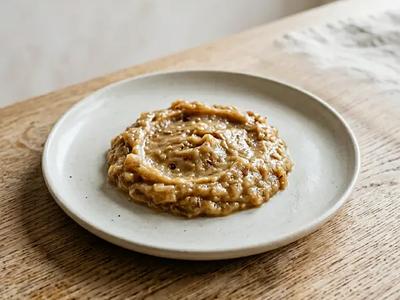
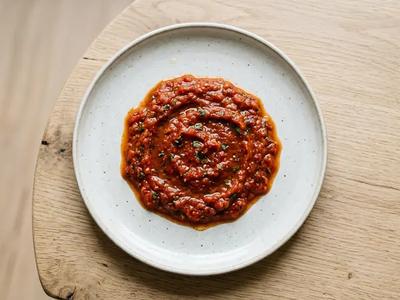
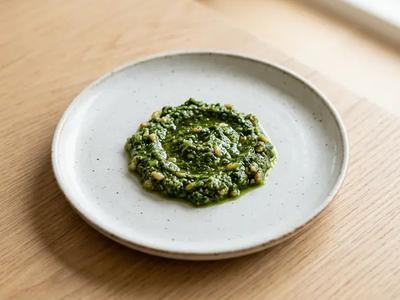
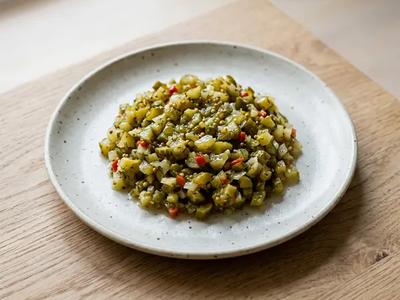
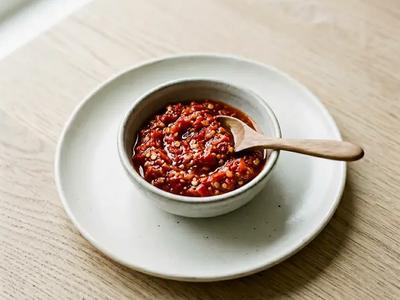
Under 10 g of carbohydrate per 100 g, but check the salt.
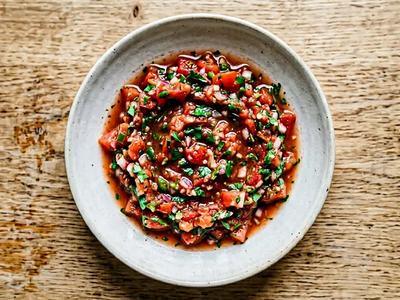
About 8 g of carbohydrate per 100 g.
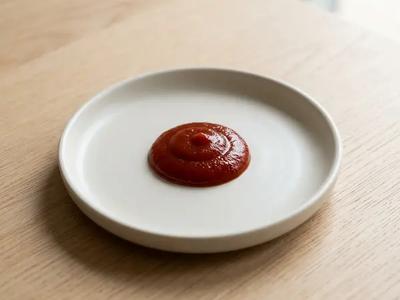
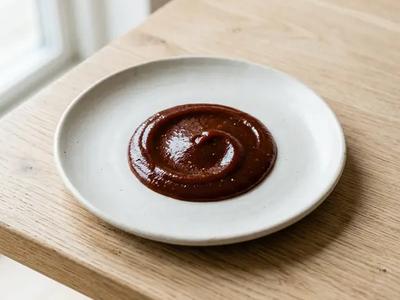
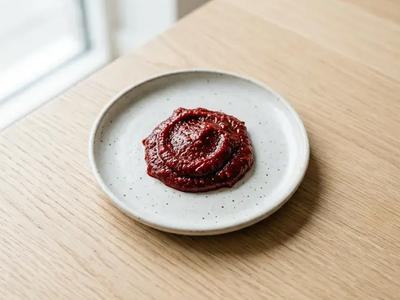
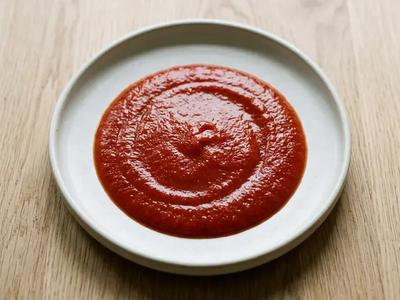
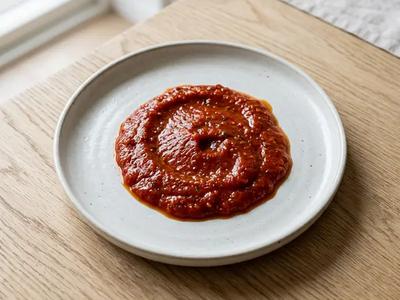
About 12 g of carbohydrate per 100 g, under half that of regular ketchup.
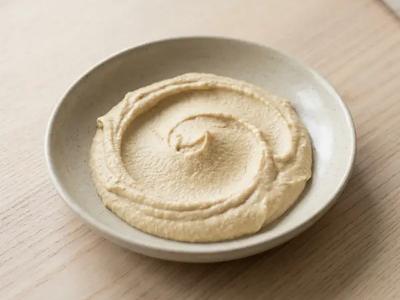
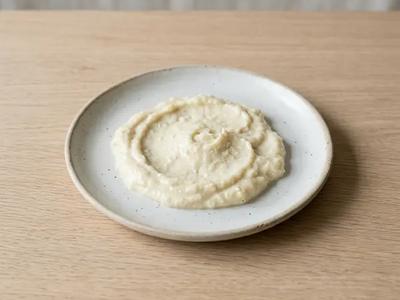
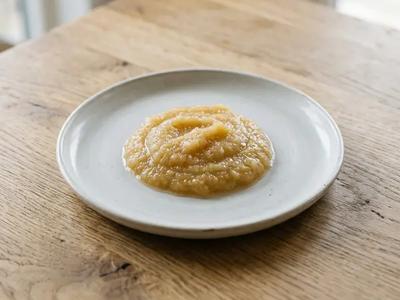
About 14 g of carbohydrate per 100 g, in a version with no added salt.
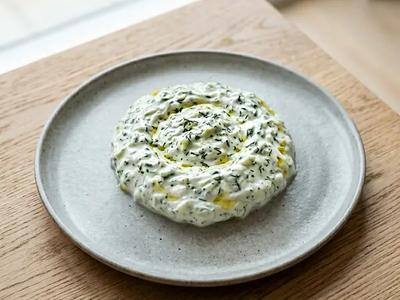
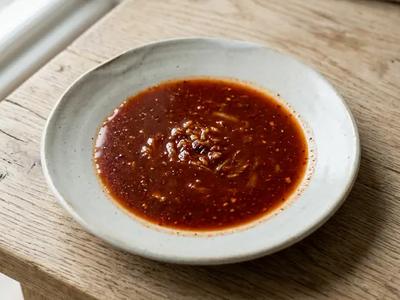
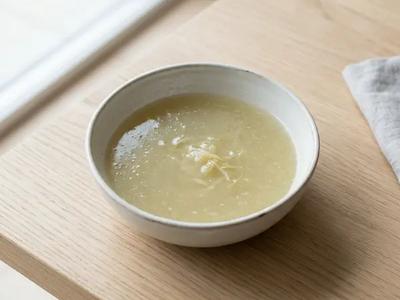
About 5 g of carbohydrate per 100 g.
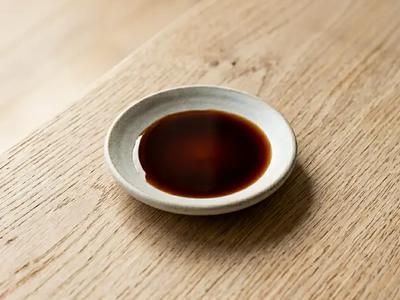
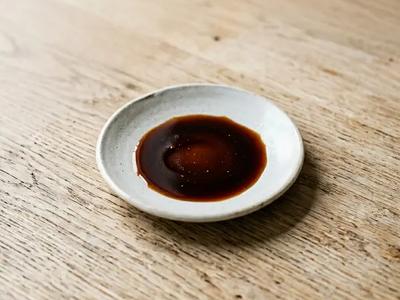
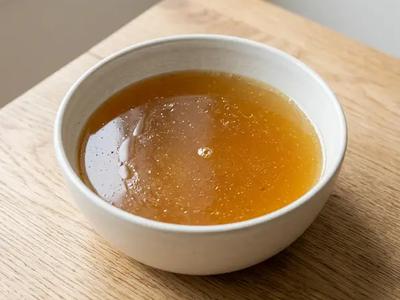
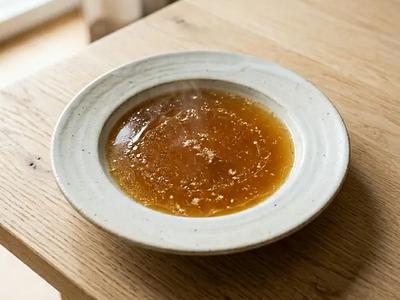
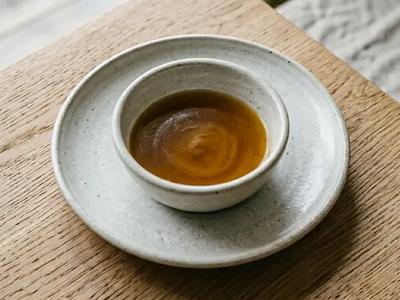
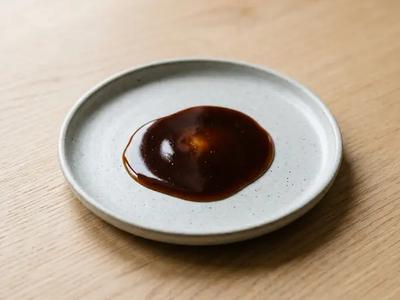
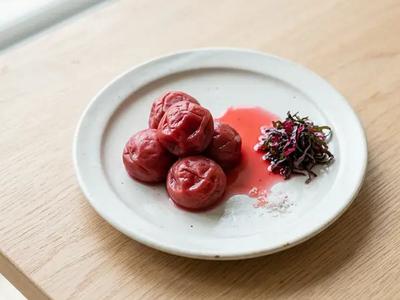
Here for its salt: about 5,500 mg of sodium per 100 g.
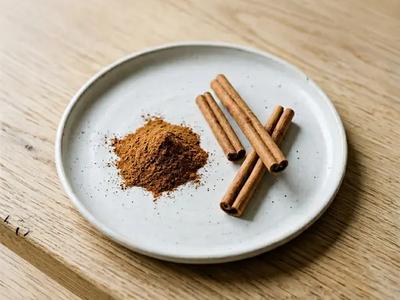
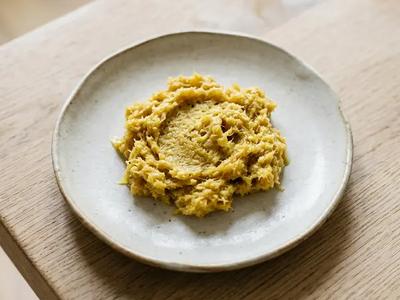
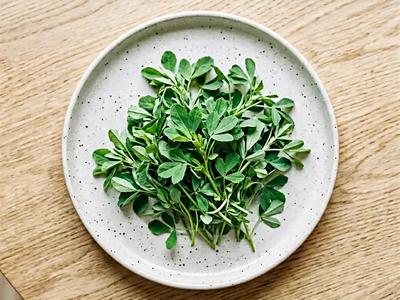
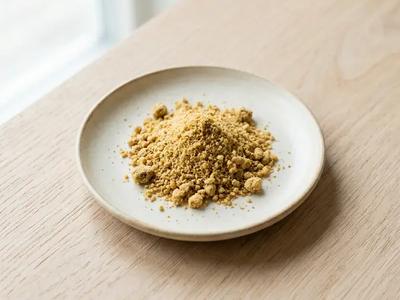
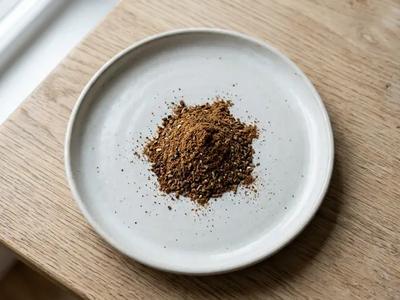
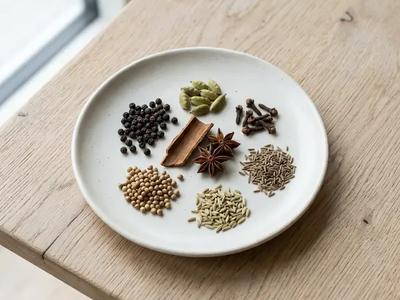
Here for its note: fine in cooking amounts, and the blood-sugar evidence is weak.
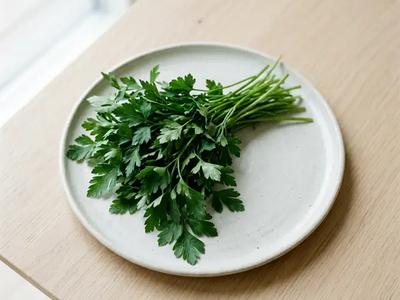
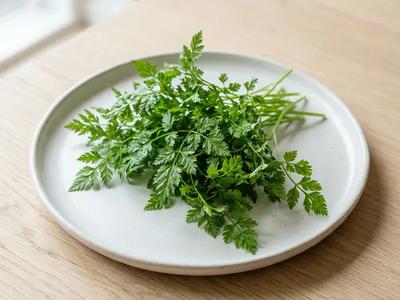
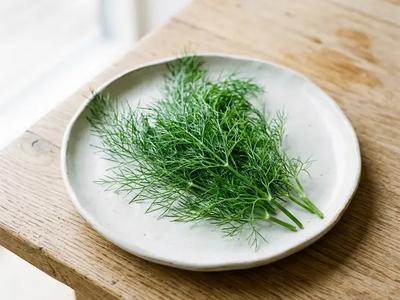
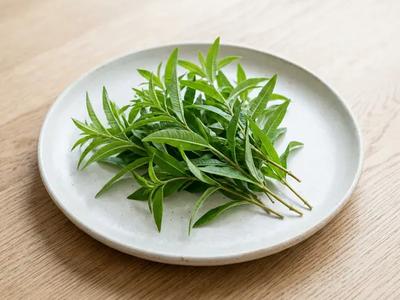
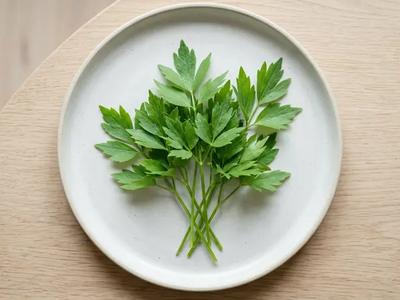
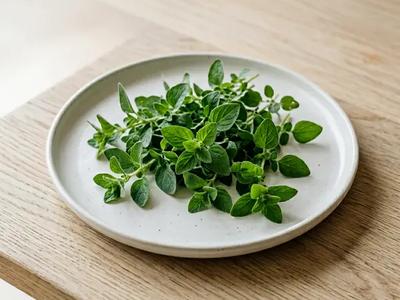
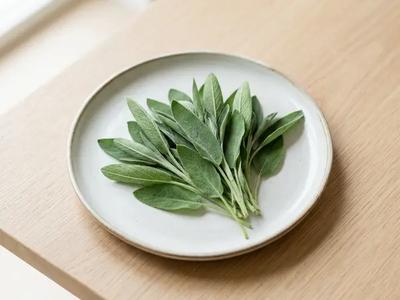
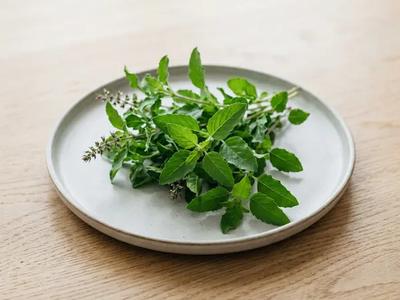
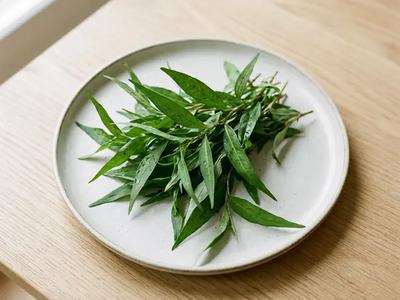
Fine in cooking and salad amounts; not as juice, tea or supplements.
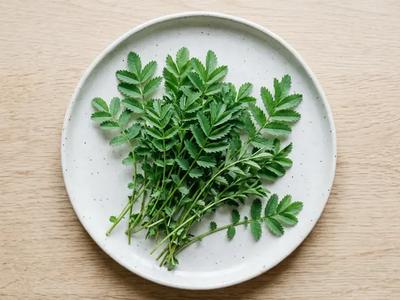
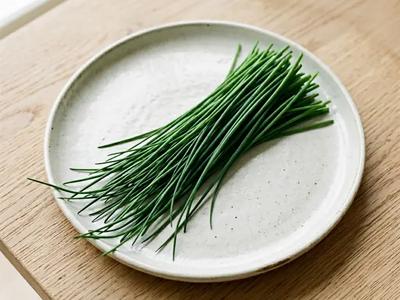
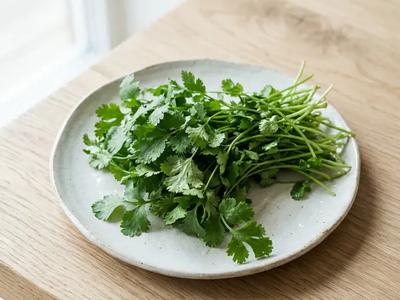
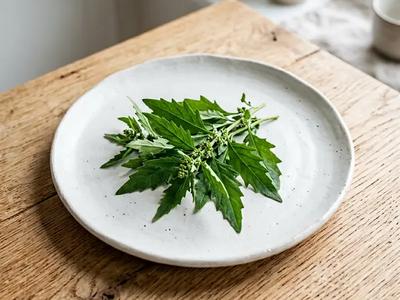
Sauces and dips with little carbohydrate, the sugar-free versions of two sweet sauces, soy sauce for its salt, and cinnamon and parsley for their notes. Borage and epazote are marked avoid in this library and aren't featured.
USDA lists ketchup at about 27 g of carbohydrate per 100 g, 21 g of it sugar, barbecue sauce at 41 g and hoisin sauce at 44 g. In this library, chutney carries 55 g and pickle relish 38 g, while mustard, hot sauce and salsa carry under 10 g. The sugar-free ketchup and barbecue sauce here carry about 12 g and 8 g.[1]
The NHS says adults should have no more than 6 g of salt a day, and names soy sauce, gravy granules, ketchup, mustard, mayonnaise and brown sauce among the sauces that can be high in salt; it suggests low-salt soy sauce and stock cubes. USDA lists soy sauce at about 5,500 mg of sodium per 100 g and fish sauce at about 7,900 mg.[1] [2]
The US National Center for Complementary and Integrative Health says it is unclear whether cinnamon supplements help with diabetes, and that the studies suggesting fenugreek may lower blood sugar in type 2 diabetes were often not of high quality. Some food pages in this library describe these effects more confidently than the evidence does; go by this summary.[3] [4]
The same centre says cinnamon appears safe in pregnancy in the amounts found in food, but that larger amounts of Ceylon cinnamon are considered unsafe, and that cassia cinnamon can contain a lot of coumarin. It says fenugreek is not safe in pregnancy in amounts greater than those in food, and has been linked to birth defects. This library limits both to cooking amounts.[3] [4]
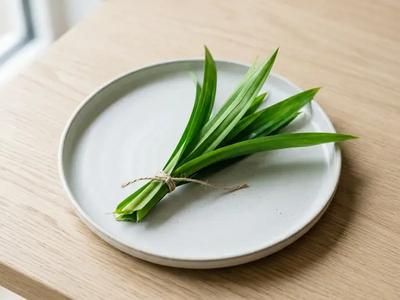
The NHS says not to take herbal medicines if you are pregnant or breastfeeding, and to drink no more than 4 cups of herbal tea a day, avoiding any with liquorice root. In this library, parsley, sage, lemongrass, lovage, tulsi and several other herbs are marked for cooking and salad amounts only, not as juices, teas, essential oils or supplements, and borage and epazote are marked avoid.[5] [6]
| Food | Carbs | Sugars | Sodium | Blood sugar impact |
|---|---|---|---|---|
| Ketchup | 25 g | 22 g | 1,114 mg | medium |
| Sugar-Free Ketchup | 11.8 g | 5.9 g | 1,118 mg | low |
| Barbecue Sauce | 38.5 g | 32.2 g | 950 mg | high |
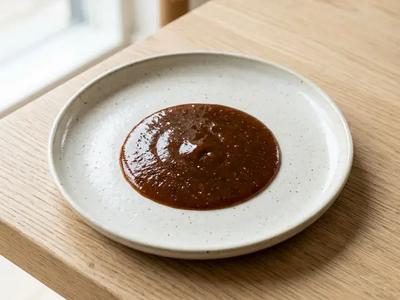
| Sugar-Free BBQ Sauce | 8.1 g | 2.5 g | 950 mg | low |
| Hoisin Sauce | 53.5 g | 48.2 g | 2,450 mg | high |
| Teriyaki Sauce | 16 g | 12 g | 2,500 mg | high |
The sugar-free ketchup carries about half the carbohydrate of the regular one, and the sugar-free barbecue sauce about a fifth.
| Food | Carbs | Sodium | Blood sugar impact |
|---|---|---|---|
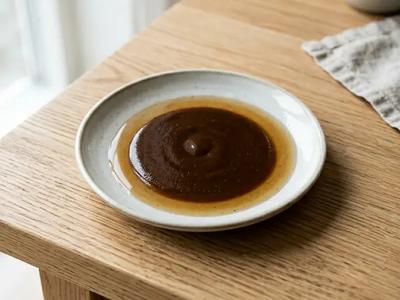
| Soy Sauce | 5.6 g | 5,493 mg | low |
| Tamari | 5.6 g | 4,680 mg | low |
| Fish sauce | 1.2 g | 7,850 mg | low |
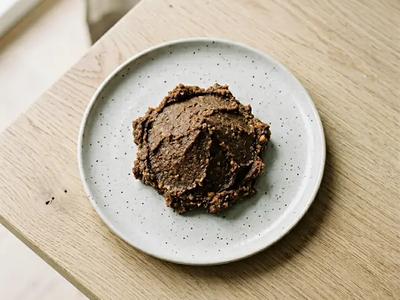
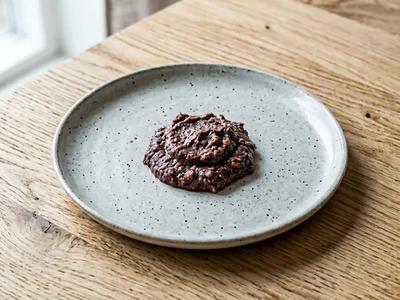
| Miso Paste | 25.4 g | 3,728 mg | low |
| Coconut aminos | 25 g | 2,000 mg | low |
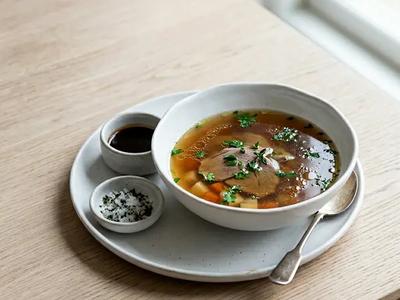
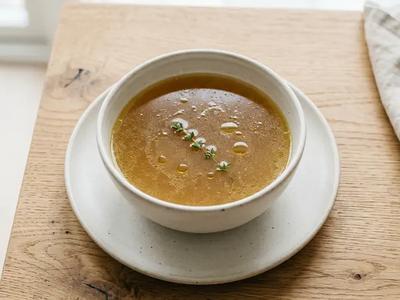
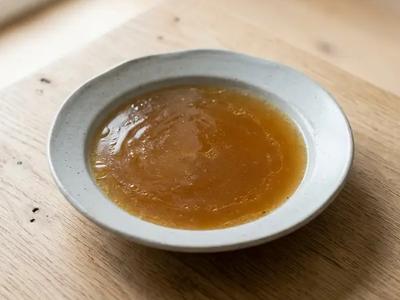
| Chicken Broth | 0.3 g | 250 mg | low |
Fish sauce carries the most sodium here; coconut aminos carries less sodium than soy sauce but more carbohydrate.
| Food | Carbs | Sugars | Calories | Blood sugar impact |
|---|---|---|---|---|
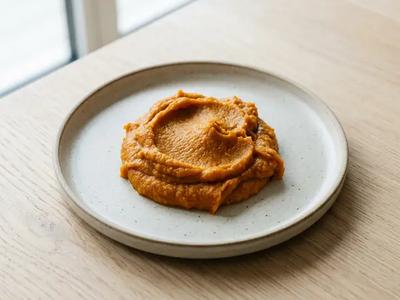
| Hummus (plain, no added salt) | 14.3 g | 0.7 g | 166 kcal | low |
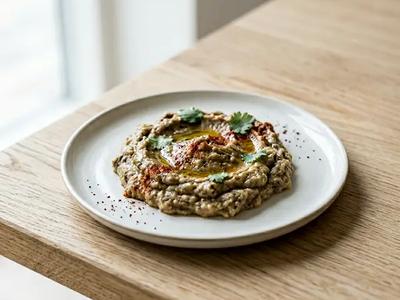
| Baba Ganoush (no added salt) | 10.5 g | 4.1 g | 122 kcal | low |
| Tzatziki (plain) | 5 g | 4 g | 95 kcal | low |
| Pesto | 4.2 g | 2.2 g | 460 kcal | low |
| Salsa | 7.8 g | 4.5 g | 36 kcal | low |
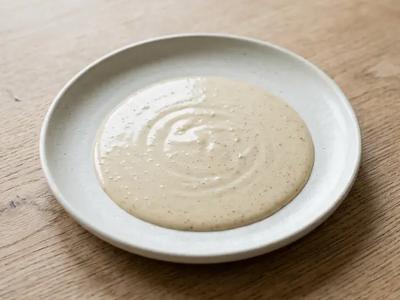
| Tahini Sauce (diluted) | 10.6 g | 0.3 g | 298 kcal | low |
All carry under 15 g of carbohydrate per 100 g; pesto carries by far the most energy.
Figures from each food's entry in this library. Open a food for its full profile and portion notes.
144 foods in this category, each rated for glycemic impact and blood sugar effect.
Track how herbs & spices affects your blood sugar with the SugarCurve app — free to download.
Start Free Trial →The evidence doesn't show it. The US National Center for Complementary and Integrative Health says it is unclear whether cinnamon supplements help with diabetes. As a spice in food, it appears safe in pregnancy; this library suggests keeping cassia cinnamon to about half a teaspoon a day, because of its coumarin.[3]
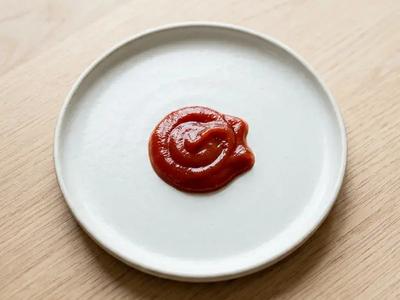
About 21 g of sugar in 27 g of carbohydrate per 100 g, by USDA's figures, so 15 g of ketchup carries about 4 g of carbohydrate. The sugar-free ketchup in this library carries about 12 g per 100 g.[1]
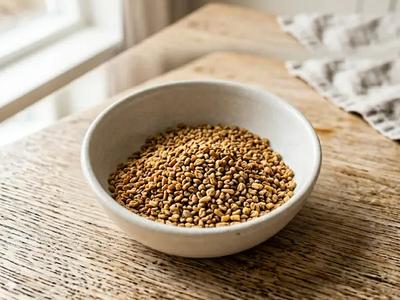
In the amounts used in cooking, yes. The US National Center for Complementary and Integrative Health says it is not safe in pregnancy in amounts greater than those found in food, and has been linked to birth defects, so avoid fenugreek supplements, powder doses and teas.[4]
Every pregnancy is different, and gestational diabetes is managed differently depending on your readings, your medication and how far along you are. The ratings and portions on this page are general information — not a diagnosis, a treatment plan or a medical device — and they cannot see your results.
Contact your care team the same day if: your readings stay above target for several days; you have a reading below 54 mg/dL (3.0 mmol/L) or needed someone else's help to treat a low; you test positive for ketones; or your baby is moving less than usual. Seek emergency care for confusion, fainting, repeated vomiting, or a low you cannot bring back up.
By using this guide, you agree to our Terms and Conditions. How we write, source and review this content: editorial policy.
Compiled and reviewed by Dalo Labs ApS. Numbered references in the text point to the sources below. Not endorsed by or affiliated with any referenced organization. · Last reviewed: September 9, 2026
SugarCurve plans your week, turns cravings into recipes and shows how your readings respond to what you eat, so following your care team's advice takes less guesswork, day after day.
7 days free, then a subscription. Cancel anytime before the trial ends.