

Allergen Information
Contains: Fenugreek
Nutrition per 100g
Fenugreek for Gestational Diabetes
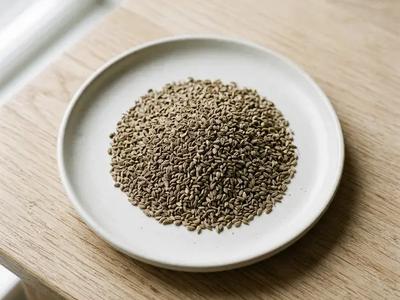
Fenugreek is a versatile herb whose seeds and leaves are used in cooking and medicine, primarily in Indian, Middle Eastern, and North African cuisines. The seeds have a complex, bittersweet flavor with notes of maple and celery, which becomes more nutty and palatable when toasted. Historically, it has been used for centuries in traditional medicine for a variety of ailments, from digestive issues to inducing labor. The plant's high soluble fiber content is responsible for many of its purported health benefits. Fenugreek is a key component in many spice blends, such as Indian panch phoran and Ethiopian berbere.
At a glance
Pregnancy safety
Prepare with careBlood sugar impact
lowCarbs / 100 g
58.4gIs Fenugreek safe with gestational diabetes?
Fenugreek is exceptionally well-suited for a gestational diabetes diet due to its proven effects on blood glucose regulation. Its high concentration of soluble fiber, particularly galactomannan, plays a crucial role in slowing down carbohydrate digestion and absorption. This helps prevent the sharp blood sugar spikes that are critical to manage during pregnancy. Furthermore, certain compounds in fenugreek may enhance insulin sensitivity, making your body's response to glucose more efficient. While it is a powerful adjunct to your diet, it should not replace prescribed medical treatments or monitoring.
Pregnancy safety
Fenugreek is only safe in pregnancy if it is prepared the right way
Only in ordinary culinary amounts, such as a teaspoon of seed in a multi-serving dish. Avoid fenugreek capsules, extracts and strong fenugreek teas during pregnancy.
Fenugreek is a uterine stimulant at medicinal doses and has been used to bring on labour, so supplement-strength intake is contraindicated in pregnancy even though seed used as a spice is not.
This is about food safety in pregnancy, not blood sugar — it applies whatever your readings look like. Confirm it with your midwife or doctor.
How does Fenugreek affect blood sugar during pregnancy?
The primary mechanism by which fenugreek impacts blood sugar is through its substantial soluble fiber content, which forms a viscous gel in the digestive tract. This gel-like substance physically slows the absorption of sugars from your meal, leading to a much gentler and lower glycemic response. Additionally, the amino acid 4-hydroxyisoleucine, found in fenugreek, has been shown to stimulate insulin secretion in a glucose-dependent manner. Cooking methods like toasting do not negatively affect these properties; in fact, they make the spice more palatable for regular inclusion in meals.
What is a safe portion of Fenugreek for gestational diabetes?
A little fenugreek goes a long way, both in flavor and effect. A safe and effective portion is about one teaspoon of the seeds or powder mixed into a larger dish that serves multiple people. This small amount is sufficient to contribute to blood sugar control without overpowering the meal or causing potential side effects. Given its potency, it's wise to start with smaller amounts to assess your digestive tolerance. Culinary use is generally considered safe, but avoid medicinal-level doses during pregnancy without consulting your doctor.
How should I combine Fenugreek to manage blood sugar during pregnancy?
Fenugreek is an excellent spice to incorporate into meals to help buffer their glycemic load. Pair it with complex carbohydrate sources like lentils, chickpeas, or quinoa by adding it to curries or stews. Using fenugreek powder to season lean proteins such as chicken, fish, or tofu can also create a more balanced meal. Combining it with healthy fats, like in a yogurt-based marinade or a dish with avocado, further helps to slow digestion and stabilize blood sugar levels. Its robust flavor complements many savory dishes, making it an easy addition.
Last reviewed: August 31, 2026
Important Safety Information
Every pregnancy is different, and gestational diabetes is managed differently depending on your readings, your medication and how far along you are. The ratings and portions on this page are general information — not a diagnosis, a treatment plan or a medical device — and they cannot see your results.
- Low blood sugar:
- If you take insulin or diabetes medication, eating less carbohydrate than your team planned for can push your blood sugar too low. Treat a reading below 70 mg/dL (3.9 mmol/L), or symptoms such as shaking, sweating, confusion or a racing heart, with fast-acting carbohydrate immediately and retest after 15 minutes. Never use this page as a reason to skip or shrink a meal you were told to eat.
- Carbohydrate and ketones:
- Cutting carbohydrate hard to force a number down is not safe in pregnancy — it can produce ketones. Published guidance sets a minimum of 175 g of carbohydrate per day in pregnancy. Readings that stay above target for several days need your care team, not a smaller portion.
- Medication and insulin:
- The portions here are generic and know nothing about your insulin doses, your metformin, or the steroids given to mature your baby's lungs — all of which change how a meal affects you. Never adjust a dose or a mealtime based on this page.
- Food safety in pregnancy:
- Blood sugar is not the only thing that makes a food suitable while you are pregnant. Some foods with excellent glycemic numbers still carry mercury, vitamin A, listeria or alcohol risks, and those are judged separately from the ratings shown here. Check your national pregnancy food-safety guidance before adding an unfamiliar food.
- What these ratings can and cannot tell you:
- Glycemic index values, impact ratings and maximum servings are population averages taken from published tables. Two people eating the same food can get very different readings, so your own meter is the only measurement that describes you. Nutrition figures are indicative per 100 g and vary with brand, ripeness and preparation.
Contact your care team the same day if: your readings stay above target for several days; you have a reading below 54 mg/dL (3.0 mmol/L) or needed someone else's help to treat a low; you test positive for ketones; or your baby is moving less than usual. Seek emergency care for confusion, fainting, repeated vomiting, or a low you cannot bring back up.
By using this guide, you agree to our Terms and Conditions. How we write, source and review this content: editorial policy.
Sources & Editorial Review
Content independently developed by Dalo Labs ApS, informed by the American Diabetes Association's Standards of Care in Diabetes, ACOG's gestational diabetes guidelines, and the IADPSG consensus criteria. Not endorsed by or affiliated with any referenced organization. · Last reviewed: August 2026
- American Diabetes Association — Management of Diabetes in Pregnancy: Standards of Care in Diabetes—2026
- ACOG Practice Bulletin No. 190 — Gestational Diabetes Mellitus (reaffirmed 2026)
- USDA FoodData Central — Nutritional Database
- Atkinson et al. — International Tables of Glycemic Index and Glycemic Load Values 2021 (Am J Clin Nutr)



Help with every meal, not just this one
SugarCurve plans your week, turns cravings into recipes and shows how your readings respond to what you eat, so following your care team's advice takes less guesswork, day after day.
- Weekly meal plans
- Recipes for your cravings
- Your numbers, in charts
- Reports for your care team
7 days free, then a subscription. Cancel anytime before the trial ends.