Food Library
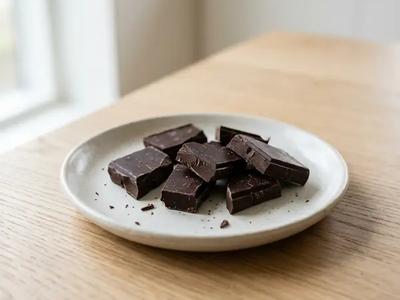
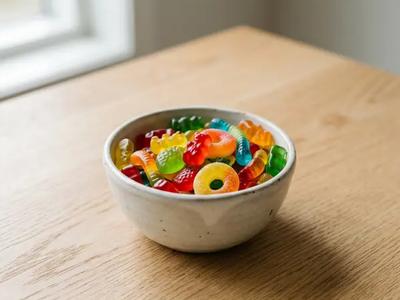
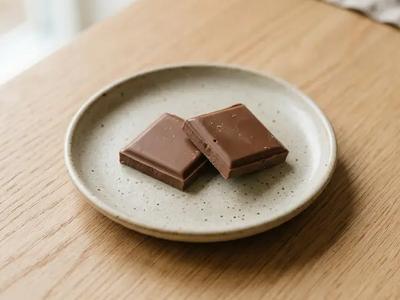
Chocolate, crisps (potato chips), popcorn, pretzels and sweets such as gummy bears differ a lot in what they carry: by USDA's figures, jelly sweets are almost entirely carbohydrate, crisps are mostly starch and fat with almost no sugar, and 70–85% dark chocolate has less than half the sugar of milk chocolate. It is the group most food advice says to eat less of, and the one people ask about most. This guide sets out those differences, explains why a low GI on chocolate or crisps says more about their fat than their carbohydrate, and covers the two pregnancy points particular to this aisle: caffeine in chocolate and glycyrrhizin in liquorice. It doesn't rank any of them as a good snack. Every food in the group is listed further down.
See what works for you. Try SugarCurve free for 7 days
41 foodsLast reviewed: September 7, 2026Sources

No foods found for your search.

The most sugar of the chocolates, and no caffeine.

Here for the label lesson: almost no sugar, plenty of carbohydrate.

The lowest-fat savoury snack in the group, and the saltiest.
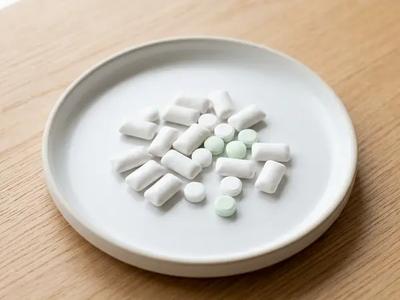
No sugar, but its polyols still count towards the carbohydrate on the label.
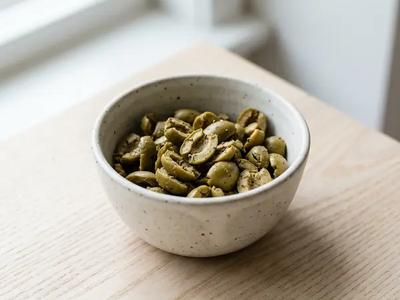
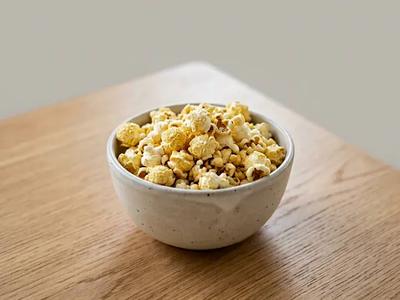
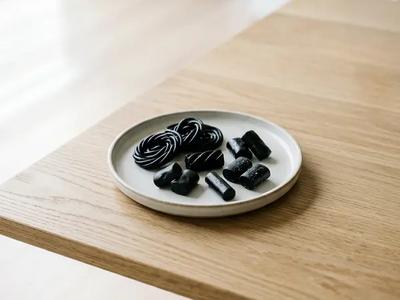
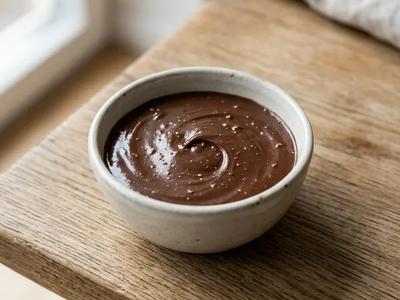
Two chocolates at opposite ends of the sugar range, three savoury snacks that each show one thing to check on the label, one sweet that is almost all carbohydrate, liquorice for its pregnancy caution, and sugar-free gum for its polyols.
The NHS's advice on eating in pregnancy is to try not to snack on foods high in fat or sugar, and it names sweets, biscuits, crisps and chocolate; when you do have them, have them less often and in small amounts. The sugar added to sweets and chocolate counts as free sugar, and the NHS says adults should have no more than 30 g of free sugars a day. If your diabetes team has given you snack times or carbohydrate amounts, those come before anything general here.[1] [2]
Diabetes UK explains that fat lowers a food's GI by slowing the absorption of carbohydrate: most chocolate has a low GI for that reason, and crisps have a lower GI than potatoes cooked without fat. It adds that not all low-GI foods are healthy choices. The carbohydrate is still there: by USDA's figures, milk chocolate carries about 59 g per 100 g and plain salted crisps about 54 g, and each is about a third fat by weight. That page covers diabetes of every kind and says nothing specific to pregnancy.[3] [4]
Crisps, pretzels, tortilla chips and popcorn are starch, so the 'of which sugars' line on their label is close to zero while the carbohydrate line is not. By USDA's figures, plain salted crisps carry 0.3 g of sugars but 54 g of carbohydrate per 100 g, and hard salted pretzels about 80 g of carbohydrate. Air-popped popcorn has the most fibre of the group, about 14.5 g per 100 g.[4]
The NHS's guide to food labels counts more than 1.5 g of salt per 100 g (0.6 g of sodium) as high, and the NHS advises adults to have no more than 6 g of salt a day. By USDA's figures, hard salted pretzels carry about 1,240 mg of sodium per 100 g, which is high on that scale, and plain salted crisps about 530 mg. Unsalted versions of both are sold, and a front-of-pack traffic light shows the difference: red means high.[4] [5] [6]
The NHS advises no more than 200 mg of caffeine a day in pregnancy and lists chocolate among the sources: less than 25 mg in a 50 g bar of plain dark chocolate and less than 10 mg in a 50 g bar of milk chocolate. That is small beside a cup of instant coffee, at about 100 mg, but it adds to the day's total. By USDA's figures, white chocolate has no caffeine.[4] [7]
Liquorice contains glycyrrhizin. The Finnish Food Authority doesn't recommend liquorice or salty liquorice sweets in pregnancy: the safe intake isn't known, and a high intake raises blood pressure and causes swelling. It adds that small amounts, such as a few sweets or a serving of liquorice ice cream, are not harmful. The NHS says to avoid herbal teas that contain liquorice root.[7] [8]
| Food | Carbs | Sugars | Fiber | Saturated fat | Blood sugar impact |
|---|---|---|---|---|---|
| Milk Chocolate Caution | 59.4 g | 51.5 g | 3.4 g | 18.5 g | low |
| White Chocolate | 59 g | 59 g | 0 g | 19 g | low |
Dark chocolate carries the least carbohydrate and sugar and the most fibre; white chocolate the most sugar. Cocoa content varies from bar to bar, so check the label.[4]
| Food | Carbs | Fiber | Fat | Sodium | Blood sugar impact |
|---|---|---|---|---|---|
| Potato Chips | 53 g | 4.5 g | 34 g | 520 mg | low |
| Tortilla Chips | 65 g | 5 g | 23 g | 420 mg | medium |
| Pretzels | 80 g | 3 g | 2.5 g | 1,350 mg | medium |
All four are mostly carbohydrate with little sugar. Pretzels carry the least fat and the most salt, popcorn the most fibre.[4]
Figures from each food's entry in this library. Open a food for its full profile and portion notes.
41 foods in this category, each rated for glycemic impact and blood sugar effect.
Track how snacks & sweets affects your blood sugar with the SugarCurve app — free to download.
Start Free Trial →Chocolate is carbohydrate: by USDA's figures, about 46 g per 100 g in 70–85% dark chocolate and about 59 g in milk and white chocolate. The NHS suggests having foods like chocolate less often and in small amounts. Dark chocolate has the least sugar of the three and the most caffeine, which counts towards the NHS's 200 mg a day. Your dietitian or diabetes team can say how a portion fits your plan.[1] [4] [7]
Not simply. Crisps have almost no sugar and a lower GI than plain potatoes, but Diabetes UK puts the lower GI down to their fat, and by USDA's figures plain salted crisps still carry about 54 g of carbohydrate per 100 g, against about 94 g in jelly beans. Crisps also bring salt. The NHS names both among the snacks to try not to have between meals in pregnancy.[1] [3] [4]
No one has set a safe amount, and countries draw the line differently. Denmark's food agency advises pregnant women to eat no more than 50 g of liquorice sweets a day and only very small amounts of pure liquorice, up to 2 g. In the US, NCCIH says that large amounts, about 250 g of liquorice a week, are unsafe in pregnancy, and notes that many 'licorice' sweets sold there contain none, using anise oil for the flavour. The ingredients list tells you which you have.[8] [9] [10]
They carry little or no sugar, but not necessarily little carbohydrate: they are often sweetened with polyols such as sorbitol, which EU and UK labels count as carbohydrate. A 'sugar-free' claim limits sugars to 0.5 g per 100 g and says nothing about the rest. The NHS notes that polyols can have a laxative effect in large amounts. The Sweeteners guide covers them in more detail.[11] [12] [13]
Every pregnancy is different, and gestational diabetes is managed differently depending on your readings, your medication and how far along you are. The ratings and portions on this page are general information — not a diagnosis, a treatment plan or a medical device — and they cannot see your results.
Contact your care team the same day if: your readings stay above target for several days; you have a reading below 54 mg/dL (3.0 mmol/L) or needed someone else's help to treat a low; you test positive for ketones; or your baby is moving less than usual. Seek emergency care for confusion, fainting, repeated vomiting, or a low you cannot bring back up.
By using this guide, you agree to our Terms and Conditions. How we write, source and review this content: editorial policy.
Compiled and reviewed by Dalo Labs ApS. Numbered references in the text point to the sources below. Not endorsed by or affiliated with any referenced organization. · Last reviewed: September 7, 2026
SugarCurve plans your week, turns cravings into recipes and shows how your readings respond to what you eat, so following your care team's advice takes less guesswork, day after day.
7 days free, then a subscription. Cancel anytime before the trial ends.