

Allergen Information
Contains: Gluten, Wheat, Soy
May contain: Milk, Peanuts, Tree Nuts
Nutrition per 100g
Granola Bar for Gestational Diabetes
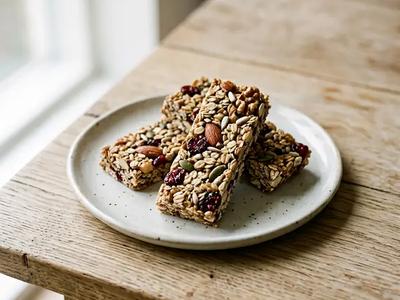
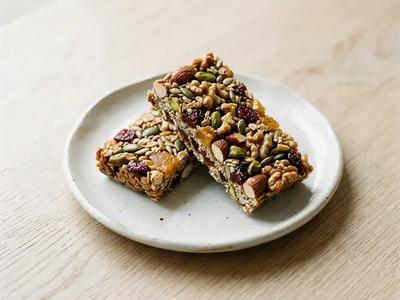
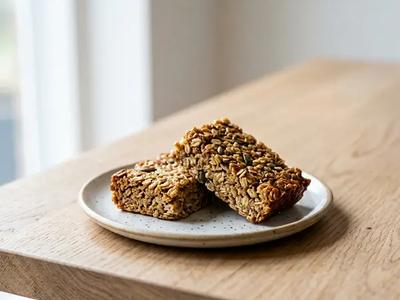
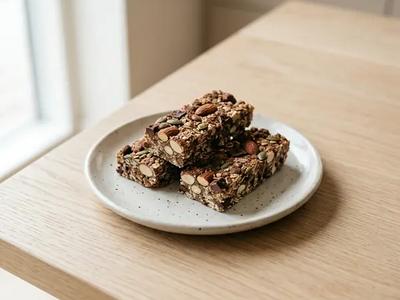
A granola bar is a popular, individually wrapped snack typically made from rolled oats, sweeteners like glucose syrup or honey, vegetable oils, and flavorings such as chocolate chips or raisins. The mixture is pressed, baked lightly, and cut into bars that have a chewy texture. While often perceived as a nourishing grain snack because of the oat content, standard commercially made chewy bars are concentrated in fast-acting carbohydrates. They offer quick convenience on busy days, yet their dense composition means they require careful consideration when planning daily meals during pregnancy.
At a glance
Pregnancy safety
SafeBlood sugar impact
mediumCarbs / 100 g
70gIs Granola Bar safe with gestational diabetes?
When navigating gestational diabetes, commercial granola bars can present a distinct challenge due to their high carbohydrate concentration. With approximately 70 g of total carbohydrate and 32 g of sugar per 100 g, they deliver a dense amount of energy in a small volume. Although the rolled oats provide about 4.5 g of fiber per 100 g, the high proportion of syrups tends to elevate blood glucose readings relatively quickly. This does not mean they are forbidden, but it does mean they usually require intentional portioning alongside protein or fats to fit into your eating plan.
How does Granola Bar affect blood sugar during pregnancy?
Standard chewy oat granola bars have an estimated glycemic index of 61, placing them in the medium category. Because they are often bound with rapidly digested corn syrup or invert sugar, they tend to enter the bloodstream faster than whole porridge oats. For many people with gestational diabetes, eating a sweet oat bar on an empty stomach can result in a noticeable rise in post-meal glucose readings. Monitoring your readings with your home meter after eating a bar helps clarify how your body responds to this particular combination of processed grains and added sugars.
What is a safe portion of Granola Bar for gestational diabetes?
A typical single mini bar weighs roughly 25 g, which provides about 17.5 g of carbohydrate, 8 g of sugar, 1.5 g of protein, 3 g of fat, and 104 calories. For someone with gestational diabetes, keeping your portion to one small 25 g bar is usually sensible for a standalone snack. Larger breakfast-style bars can weigh 40 g to 50 g and supply double the carbohydrate, which may be difficult to accommodate within recommended snack targets. Weighing or checking wrapper weights ensures you know the precise carbohydrate amount you are consuming.
How should I combine Granola Bar to manage blood sugar during pregnancy?
Eating a granola bar on its own often leads to a faster rise in blood sugar, so combining it with protein and healthy fats is a practical approach. You might pair half or one small 25 g bar with a handful of raw almonds, walnuts, or two tablespoons of unsweetened peanut butter. Alternatively, crumble a measured piece into a bowl of unsweetened full-fat Greek yogurt or cottage cheese, which supplies protein and fat that slow down the overall digestive process. Discussing snack combinations with your dietitian can help you find combinations that support your nutritional goals.
Last reviewed: August 31, 2026
Important Safety Information
Every pregnancy is different, and gestational diabetes is managed differently depending on your readings, your medication and how far along you are. The ratings and portions on this page are general information — not a diagnosis, a treatment plan or a medical device — and they cannot see your results.
- Low blood sugar:
- If you take insulin or diabetes medication, eating less carbohydrate than your team planned for can push your blood sugar too low. Treat a reading below 70 mg/dL (3.9 mmol/L), or symptoms such as shaking, sweating, confusion or a racing heart, with fast-acting carbohydrate immediately and retest after 15 minutes. Never use this page as a reason to skip or shrink a meal you were told to eat.
- Carbohydrate and ketones:
- Cutting carbohydrate hard to force a number down is not safe in pregnancy — it can produce ketones. Published guidance sets a minimum of 175 g of carbohydrate per day in pregnancy. Readings that stay above target for several days need your care team, not a smaller portion.
- Medication and insulin:
- The portions here are generic and know nothing about your insulin doses, your metformin, or the steroids given to mature your baby's lungs — all of which change how a meal affects you. Never adjust a dose or a mealtime based on this page.
- Food safety in pregnancy:
- Blood sugar is not the only thing that makes a food suitable while you are pregnant. Some foods with excellent glycemic numbers still carry mercury, vitamin A, listeria or alcohol risks, and those are judged separately from the ratings shown here. Check your national pregnancy food-safety guidance before adding an unfamiliar food.
- What these ratings can and cannot tell you:
- Glycemic index values, impact ratings and maximum servings are population averages taken from published tables. Two people eating the same food can get very different readings, so your own meter is the only measurement that describes you. Nutrition figures are indicative per 100 g and vary with brand, ripeness and preparation.
Contact your care team the same day if: your readings stay above target for several days; you have a reading below 54 mg/dL (3.0 mmol/L) or needed someone else's help to treat a low; you test positive for ketones; or your baby is moving less than usual. Seek emergency care for confusion, fainting, repeated vomiting, or a low you cannot bring back up.
By using this guide, you agree to our Terms and Conditions. How we write, source and review this content: editorial policy.
Sources & Editorial Review
Content independently developed by Dalo Labs ApS, informed by the American Diabetes Association's Standards of Care in Diabetes, ACOG's gestational diabetes guidelines, and the IADPSG consensus criteria. Not endorsed by or affiliated with any referenced organization. · Last reviewed: August 2026
- American Diabetes Association — Management of Diabetes in Pregnancy: Standards of Care in Diabetes—2026
- ACOG Practice Bulletin No. 190 — Gestational Diabetes Mellitus (reaffirmed 2026)
- USDA FoodData Central — Nutritional Database
- Atkinson et al. — International Tables of Glycemic Index and Glycemic Load Values 2021 (Am J Clin Nutr)
Help with every meal, not just this one
SugarCurve plans your week, turns cravings into recipes and shows how your readings respond to what you eat, so following your care team's advice takes less guesswork, day after day.
- Weekly meal plans
- Recipes for your cravings
- Your numbers, in charts
- Reports for your care team
7 days free, then a subscription. Cancel anytime before the trial ends.