

Allergen Information
Contains: Milk, Soy
May contain: Peanuts, Tree Nuts, Gluten
Nutrition per 100g
Protein Bar for Gestational Diabetes
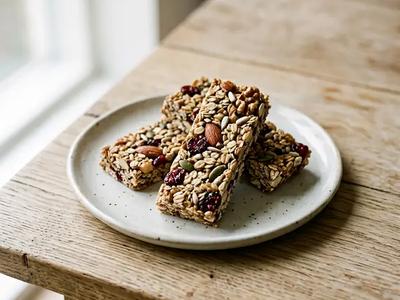
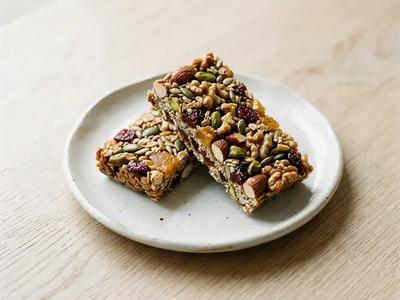
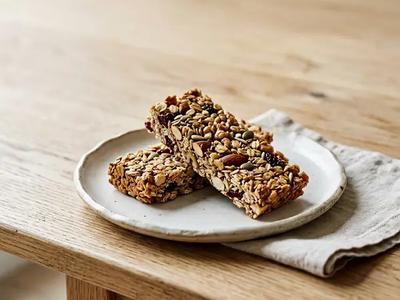
A protein bar is a prepackaged snack formulated to provide a concentrated amount of protein alongside dietary fiber, fats, and carbohydrates. Many versions use whey isolate or milk protein concentrates paired with sugar alcohols, such as maltitol or erythritol, to replicate sweet confectionery textures without large quantities of standard table sugar. These bars often feature layers of dough-like core, caramel-flavoured paste, and a chocolate-style coating. Because formulations vary widely across manufacturers, checking the ingredients list helps identify the primary protein sources, types of non-nutritive sweeteners, and total fat content before adding them to your routine.
At a glance
Pregnancy safety
SafeBlood sugar impact
lowCarbs / 100 g
34gIs Protein Bar safe with gestational diabetes?
A typical whey-based bar provides around 32 g of protein and 10 g of fiber per 100 g, which helps to moderate the rate of nutrient digestion. With only 2.5 g of sugar per 100 g, they appeal to many women looking for sweet flavours without large amounts of fast-digesting carbohydrates. However, because they are ultra-processed foods that contain isolated proteins and polyols, they are generally best used as an occasional fallback rather than a daily staple. You can discuss how packaged protein snacks fit into your personal carbohydrate distribution with your midwife or dietitian.
How does Protein Bar affect blood sugar during pregnancy?
With a low glycemic index of approximately 28, a whey-based bar tends to have a moderate or gentle effect on postprandial blood sugar readings for many people. The combination of milk proteins and fats slows gastric emptying, which delays the appearance of glucose in the bloodstream. Even so, the total carbohydrate count includes polyols and added starches that still yield absorbable energy. Some individuals notice unexpected rises depending on the specific sweetener blend used, particularly with maltitol, which makes post-meal finger-prick testing a helpful way to observe your individual bodily response.
What is a safe portion of Protein Bar for gestational diabetes?
A sensible portion is one single 60 g bar, which provides roughly 218 calories and 20.4 g of total carbohydrate, along with 6 g of fiber and 19.2 g of protein. For some individuals, eating half a bar, around 30 g supplying approximately 10.2 g of carbohydrate, offers a lighter mid-afternoon snack that satisfies sweet cravings without excessive fullness. Be mindful not to consume multiple bars in one sitting, as higher intakes of sugar alcohols can cause digestive discomfort, gas, or gastrointestinal upset during pregnancy.
How should I combine Protein Bar to manage blood sugar during pregnancy?
Because a standard bar already supplies substantial amounts of protein and moderate fat, it does not require additional protein pairings. Enjoying your portion with a large glass of water or a warm cup of caffeine-free rooibos tea can help your digestive system handle the dense fiber and polyol content comfortably. If you prefer to eat half a bar, you might complement it with fresh cucumber rounds, crisp celery sticks, or a small handful of raw raspberries to introduce natural volume and hydration without adding a large carbohydrate burden.
Last reviewed: August 31, 2026
Important Safety Information
Every pregnancy is different, and gestational diabetes is managed differently depending on your readings, your medication and how far along you are. The ratings and portions on this page are general information — not a diagnosis, a treatment plan or a medical device — and they cannot see your results.
- Low blood sugar:
- If you take insulin or diabetes medication, eating less carbohydrate than your team planned for can push your blood sugar too low. Treat a reading below 70 mg/dL (3.9 mmol/L), or symptoms such as shaking, sweating, confusion or a racing heart, with fast-acting carbohydrate immediately and retest after 15 minutes. Never use this page as a reason to skip or shrink a meal you were told to eat.
- Carbohydrate and ketones:
- Cutting carbohydrate hard to force a number down is not safe in pregnancy — it can produce ketones. Published guidance sets a minimum of 175 g of carbohydrate per day in pregnancy. Readings that stay above target for several days need your care team, not a smaller portion.
- Medication and insulin:
- The portions here are generic and know nothing about your insulin doses, your metformin, or the steroids given to mature your baby's lungs — all of which change how a meal affects you. Never adjust a dose or a mealtime based on this page.
- Food safety in pregnancy:
- Blood sugar is not the only thing that makes a food suitable while you are pregnant. Some foods with excellent glycemic numbers still carry mercury, vitamin A, listeria or alcohol risks, and those are judged separately from the ratings shown here. Check your national pregnancy food-safety guidance before adding an unfamiliar food.
- What these ratings can and cannot tell you:
- Glycemic index values, impact ratings and maximum servings are population averages taken from published tables. Two people eating the same food can get very different readings, so your own meter is the only measurement that describes you. Nutrition figures are indicative per 100 g and vary with brand, ripeness and preparation.
Contact your care team the same day if: your readings stay above target for several days; you have a reading below 54 mg/dL (3.0 mmol/L) or needed someone else's help to treat a low; you test positive for ketones; or your baby is moving less than usual. Seek emergency care for confusion, fainting, repeated vomiting, or a low you cannot bring back up.
By using this guide, you agree to our Terms and Conditions. How we write, source and review this content: editorial policy.
Sources & Editorial Review
Content independently developed by Dalo Labs ApS, informed by the American Diabetes Association's Standards of Care in Diabetes, ACOG's gestational diabetes guidelines, and the IADPSG consensus criteria. Not endorsed by or affiliated with any referenced organization. · Last reviewed: August 2026
- American Diabetes Association — Management of Diabetes in Pregnancy: Standards of Care in Diabetes—2026
- ACOG Practice Bulletin No. 190 — Gestational Diabetes Mellitus (reaffirmed 2026)
- USDA FoodData Central — Nutritional Database
- Atkinson et al. — International Tables of Glycemic Index and Glycemic Load Values 2021 (Am J Clin Nutr)

Help with every meal, not just this one
SugarCurve plans your week, turns cravings into recipes and shows how your readings respond to what you eat, so following your care team's advice takes less guesswork, day after day.
- Weekly meal plans
- Recipes for your cravings
- Your numbers, in charts
- Reports for your care team
7 days free, then a subscription. Cancel anytime before the trial ends.