Fats & Oils
Oils carry no carbohydrate, and coconut and palm oil carry a lot of saturated fat. This guide, which sits under the Fats & Oils guide, takes the 27 liquid oils here, which all carry 100 g of fat and 884 kcal per 100 g, coconut and MCT aside, so nothing separates them per 100 g except saturated fat. What separates them at the stove is the spoon: USDA weighs a teaspoon of oil at 4.5 g and a tablespoon at 13.6 g. It ranks all 27 by saturated fat, explains what olive oil's grades do and don't tell you, covers the two infused oils and the botulism rule for homemade ones, and takes the two oils people ask about: flaxseed oil, the one with a pregnancy note, and MCT oil, which is saturated fat and nothing else.
See what works for you. Try SugarCurve free for 7 days
27 foodsLast reviewed: August 4, 2026Sources
No foods found for your search.
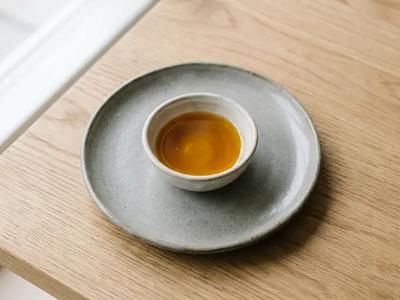
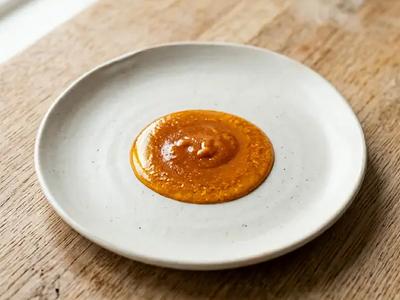
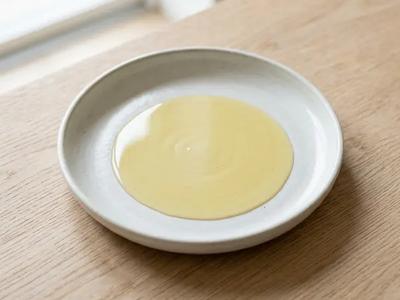
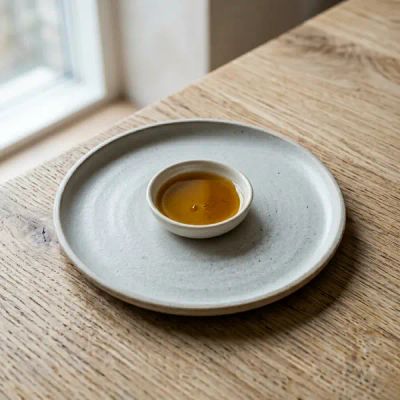
4.5 g of saturated fat per 100 g, the lowest of any oil here.
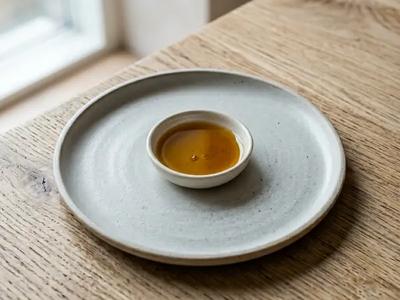
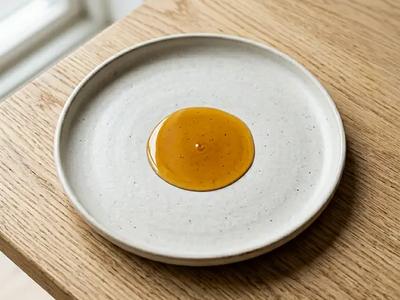
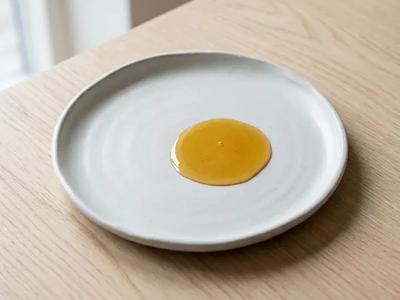
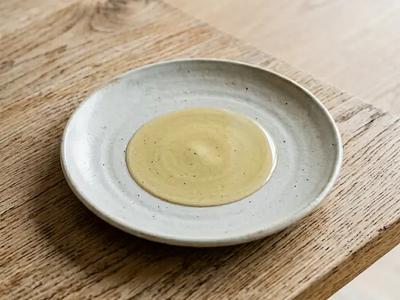
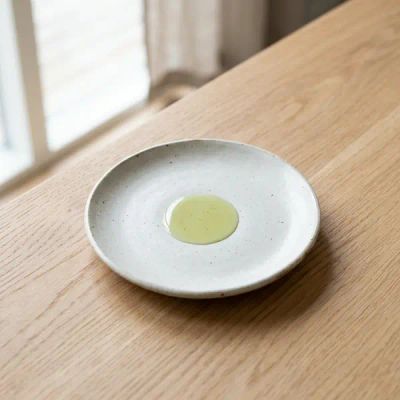
9.1 g of saturated fat per 100 g; a finishing oil, used by the teaspoon.
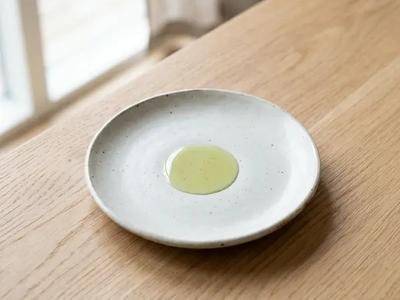
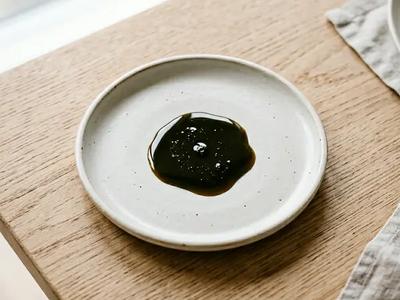
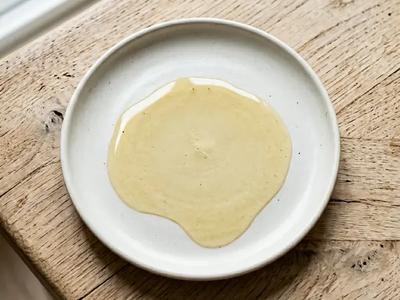
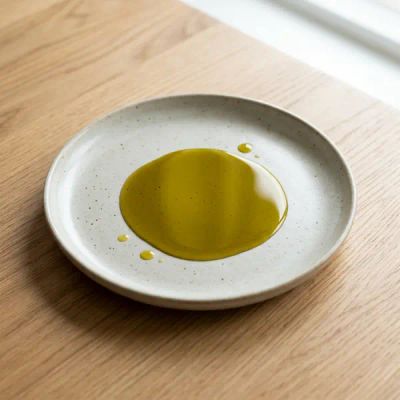
9.6 g of saturated fat per 100 g, matching USDA's figure.
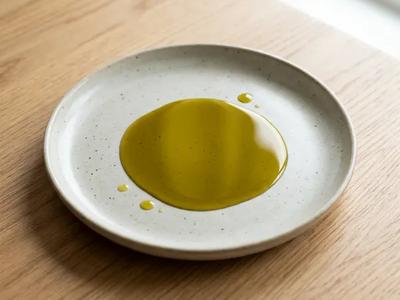
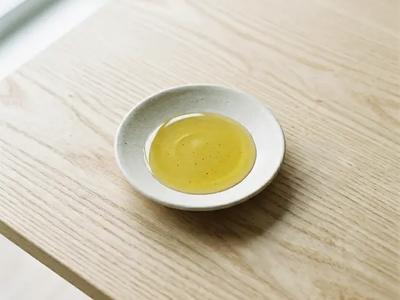
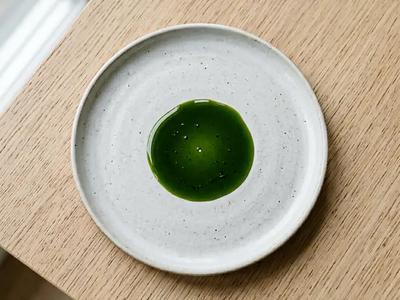
11.6 g of saturated fat per 100 g.
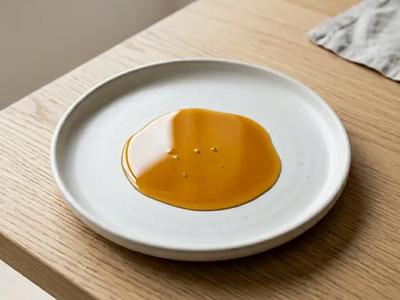
14.2 g of saturated fat per 100 g, matching USDA; used by the teaspoon for flavour.
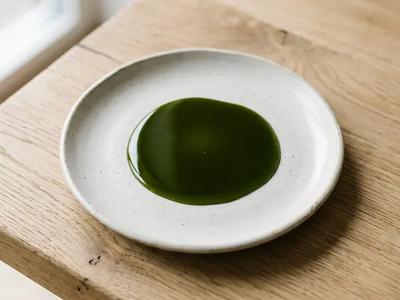
9 g of saturated fat per 100 g, with flaxseed and walnut oil at the low end.
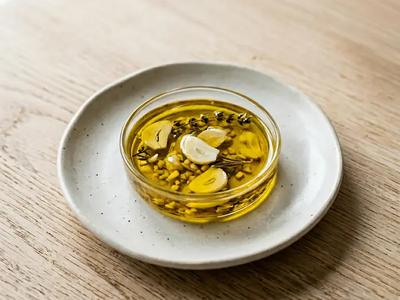
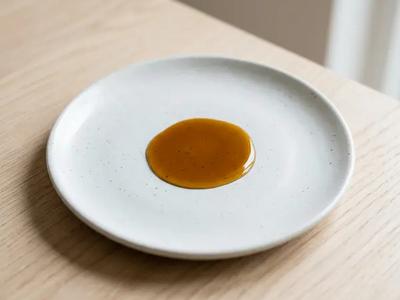
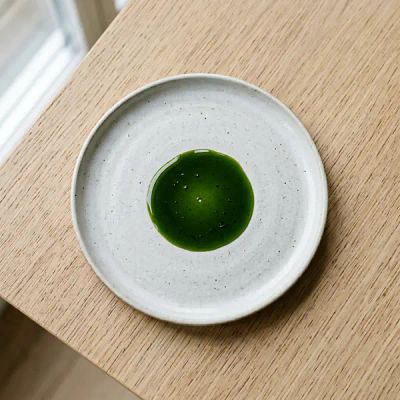
Here for the rule: homemade garlic oil goes in the fridge and out after 4 days, by the CDC.
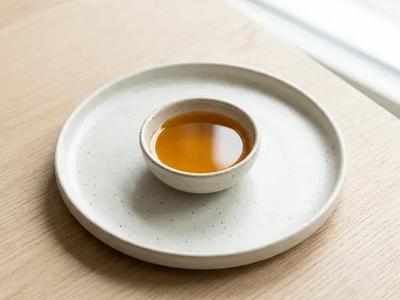
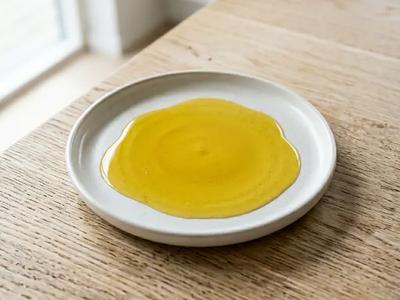
Here for its note: NCCIH says little is known about its safety in pregnancy; a drizzle, not a daily dose.
The oils with the least saturated fat, three everyday and finishing oils that match USDA's figures, and two featured for their rules: garlic-infused oil and flaxseed oil. Olive, rapeseed, sunflower and coconut oil are featured in the Fats & Oils guide and aren't repeated.
USDA weighs a teaspoon of oil at 4.5 g and a tablespoon at 13.6 g. At 884 kcal per 100 g, that is 40 kcal a teaspoon and 120 kcal a tablespoon, for every oil here, olive or sunflower or walnut alike. A cooking spray changes the arithmetic rather than the oil: USDA weighs one third-of-a-second spray at 0.3 g, about 2 kcal, which is why a spray can list a portion as near zero. Fat is 9 kcal a gram by the NHS's figure, so the spoon, not the bottle, decides what a dish carries.[1] [2]
Saturated fat runs from 4.5 g per 100 g in algae oil, 7.4 g in rapeseed and 9 g in flaxseed, walnut and hemp seed oil, through 13.8 g in olive oil, to 25 g in rice bran oil, 49 g in palm oil, 82.5 g in coconut oil and 100 g in MCT oil. The NHS's label threshold calls more than 5 g per 100 g high, which every oil except algae oil clears, because an oil is nothing but fat; the useful figure is per spoon. A tablespoon of olive oil carries 1.9 g of saturated fat, of coconut oil 11.2 g, against the 20 g a day the NHS gives for women.[1] [2] [3]
The EU's marketing standards define extra virgin olive oil as having no sensory defects and an acidity no higher than 0.8 %, virgin olive oil as having some defects at a very low level and acidity up to 2 %, and 'olive oil composed of refined and virgin olive oils' as a blend with acidity up to 1 %. None of that changes the nutrition panel: the olive, garlic-infused and onion-infused olive oils here all carry 13.8 g of saturated fat per 100 g, USDA's figure for olive oil. Pay for the grade for the flavour.[1] [4]
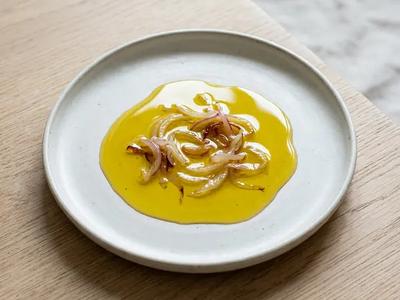
The garlic- and onion-infused olive oils here carry olive oil's figures. The rule that matters is about how they are made: the CDC says to refrigerate homemade oils made with garlic or herbs and throw them away after 4 days, because of botulism. The rule is for everyone, not only pregnancy, and the CDC states it for homemade oils. Truffle oil sits here too, at 14 g of saturated fat.[5]
Flaxseed oil is marked limit here. The US National Center for Complementary and Integrative Health says little is known about whether flaxseed oil is safe to use during pregnancy or breastfeeding, and that some studies suggest flaxseed itself is possibly unsafe in pregnancy, though the evidence is not conclusive. The page here treats a drizzle as food and a daily spoonful as a supplement, and cautions the second. Its saturated fat is 9 g per 100 g, among the lowest.[6]
MCT oil lists 100 g of saturated fat per 100 g here and 830 kcal, so a 13.6 g tablespoon is 13.6 g of saturated fat, two thirds of the 20 g a day the NHS gives for women. No agency page on MCT oil in pregnancy or in diabetes was found, so this guide makes no claim about what it does; the figure it does have is enough to place it at the far end of the saturated-fat range, beyond coconut oil.[2]
| Food | Saturated fat | Calories | Blood sugar impact |
|---|---|---|---|
| Algae Oil | 4.5 g | 884 kcal | low |
| Apricot Kernel Oil | 7 g | 884 kcal | low |
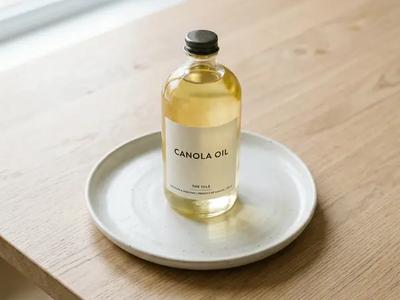
| Canola Oil | 7.4 g | 884 kcal | low |
| Almond Oil | 8.2 g | 884 kcal | low |
| Flaxseed Oil Caution | 9 g | 884 kcal | low |
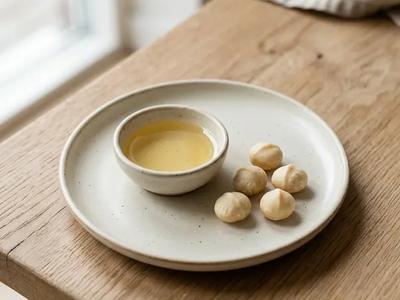
| Walnut Oil | 9.1 g | 884 kcal | low |
From 4.5 g to 9.1 g of saturated fat per 100 g; all 884 kcal.
| Food | Saturated fat | Calories | Blood sugar impact |
|---|---|---|---|
| Hemp Seed Oil | 9 g | 884 kcal | low |
| Grapeseed Oil | 9.6 g | 884 kcal | low |
| Sesame Oil | 14.2 g | 884 kcal | low |
| Macadamia Oil | 16 g | 840 kcal | low |
| Pumpkin Seed Oil | 19 g | 884 kcal | low |
| Argan Oil (Culinary) | 19.7 g | 884 kcal | low |
From 9 g to nearly 20 g of saturated fat per 100 g; macadamia oil lists slightly fewer calories.
| Food | Saturated fat | Calories | Blood sugar impact |
|---|---|---|---|
| Peanut Oil | 17 g | 884 kcal | low |
| Rice Bran Oil | 24.8 g | 884 kcal | low |
| Palm Oil | 49.3 g | 884 kcal | low |
| Coconut Oil | 82.5 g | 892 kcal | low |
| MCT Oil | 100 g | 830 kcal | low |
From 17 g of saturated fat per 100 g to 100 g; palm, coconut and MCT oil are the three the NHS's 20 g a day meets fastest.
Figures from each food's entry in this library. Open a food for its full profile and portion notes.
27 foods in this category, each rated for glycemic impact and blood sugar effect.
Track how oils affects your blood sugar with the SugarCurve app — free to download.
Start Free Trial →No oil carries carbohydrate, so none raises blood sugar on its own. Extra virgin is an EU grade about defects and acidity, not nutrition: every olive oil here carries 13.8 g of saturated fat per 100 g and 884 kcal, whatever the label says about the pressing.[1] [4]
The oils here carry olive oil's figures and no pregnancy note. A homemade one follows the CDC's rule for everyone: keep it in the fridge and throw it away after 4 days, to prevent botulism.[5]
No agency page on MCT oil in pregnancy or diabetes was found, so this guide makes no claim about it. What the data shows is that it is 100 g of saturated fat per 100 g, so one tablespoon is two thirds of the NHS's 20 g a day for women.[2]
About 120, for any oil here: USDA weighs a tablespoon at 13.6 g and every oil carries 884 kcal per 100 g. A teaspoon is about 40 kcal, and one 0.3 g spray about 2.[1]
Every pregnancy is different, and gestational diabetes is managed differently depending on your readings, your medication and how far along you are. The ratings and portions on this page are general information — not a diagnosis, a treatment plan or a medical device — and they cannot see your results.
Contact your care team the same day if: your readings stay above target for several days; you have a reading below 54 mg/dL (3.0 mmol/L) or needed someone else's help to treat a low; you test positive for ketones; or your baby is moving less than usual. Seek emergency care for confusion, fainting, repeated vomiting, or a low you cannot bring back up.
By using this guide, you agree to our Terms and Conditions. How we write, source and review this content: editorial policy.
Compiled and reviewed by Dalo Labs ApS. Numbered references in the text point to the sources below. Not endorsed by or affiliated with any referenced organization. · Last reviewed: August 4, 2026
SugarCurve plans your week, turns cravings into recipes and shows how your readings respond to what you eat, so following your care team's advice takes less guesswork, day after day.
7 days free, then a subscription. Cancel anytime before the trial ends.