Fats & Oils
Butter carries no carbohydrate but a lot of saturated fat, and in pregnancy it should be pasteurised. This guide, which sits under the Fats & Oils guide, takes the 12 butters and spreads here at the size they are eaten. USDA weighs a pat of butter at 5 g and a tablespoon at 14.2 g, so a pat is 2.6 g of saturated fat and 36 kcal, and a tablespoon 7.3 g and 102 kcal, over a third of the 20 g of saturated fat a day the NHS gives for women. It then covers what salting changes and what it doesn't, why ghee carries more saturated fat than the butter it came from, how margarine and the 60 % spreads compare, the two butters here with a pregnancy rule, camel and yak, and the plant 'butters', the only ones in the group that carry carbohydrate.
See what works for you. Try SugarCurve free for 7 days
12 foodsLast reviewed: August 31, 2026Sources

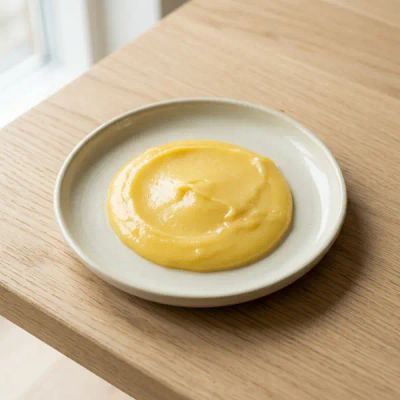
No foods found for your search.
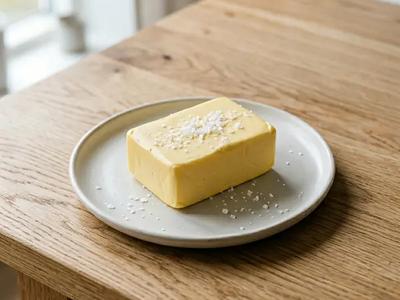
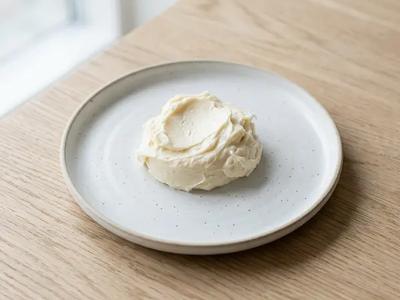
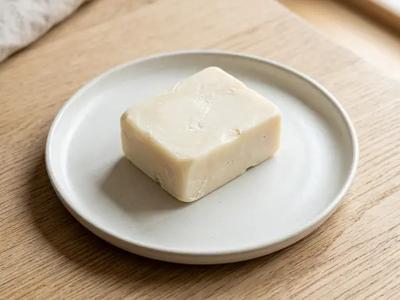
Same fat as unsalted, plus 643 mg of sodium per 100 g: 32 mg a pat.
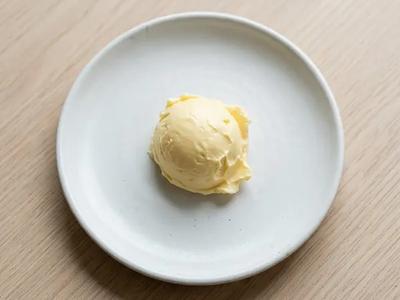
23 g of saturated fat per 100 g, under half of butter's; the NHS's swap, with the salt to check.
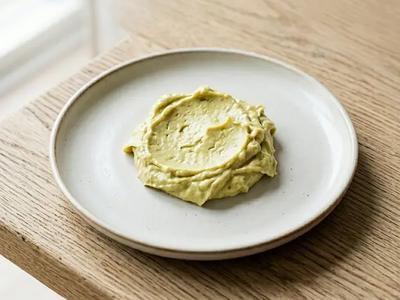
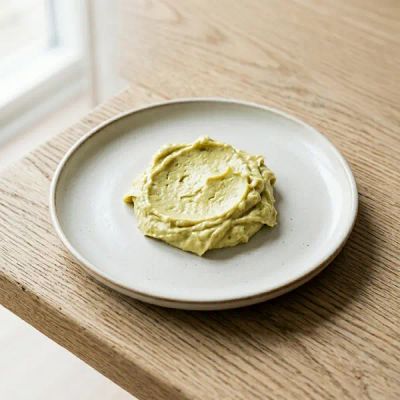
15 g of saturated fat per 100 g, the least of the spreadable fats here, with 9 g of carbohydrate.
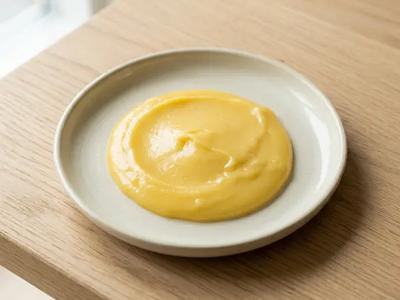
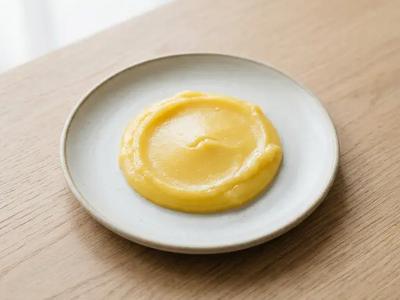
62.5 g of saturated fat per 100 g: butter with the water removed, so a tablespoon carries more, not less.
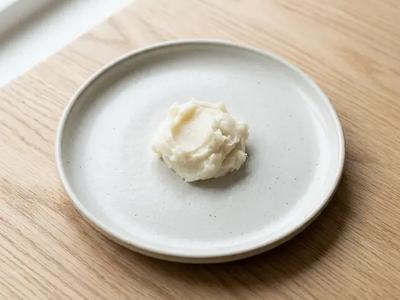
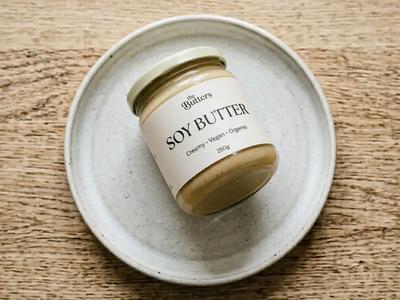
Here for the number: 24 g of carbohydrate and 57 g of saturated fat per 100 g, the one 'butter' that is both.
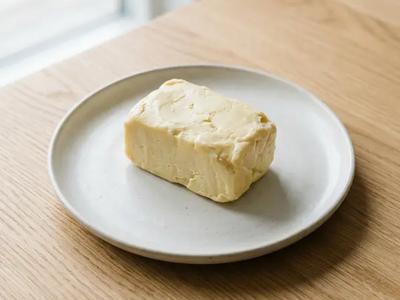
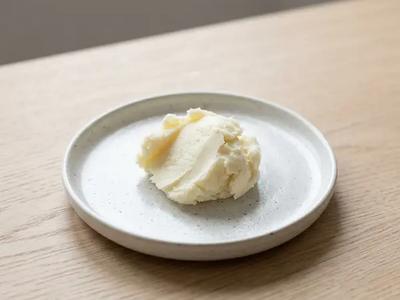
Here for its rule: traditionally made from raw milk, so only a pasteurised version in pregnancy.
Salted butter for its one difference, margarine and avocado butter as the lower-saturated-fat end, ghee and coconut butter for what their numbers show, and yak butter for its rule. Unsalted butter and camel milk butter are featured in the Fats & Oils guide.
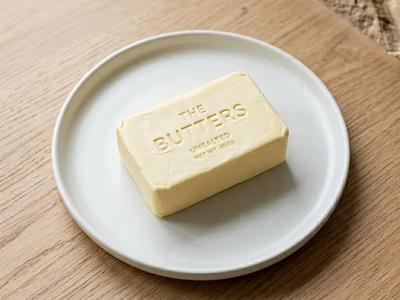
USDA weighs a pat of butter at 5 g, a tablespoon at 14.2 g and a stick at 113 g. At this library's 51.4 g of saturated fat per 100 g, a pat is 2.6 g of saturated fat and 36 kcal, a tablespoon 7.3 g and 102 kcal. The NHS gives women no more than 20 g of saturated fat a day, so a tablespoon of butter is over a third of it. Whipped butter is lighter only because of air: USDA's pat of it weighs 3.8 g.[1] [2]
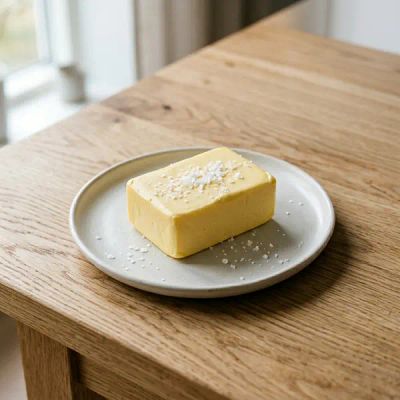
Salted and unsalted butter carry the same fat, 81 g per 100 g, and the same saturated fat here; the only difference is sodium, 643 mg against 11 mg, and USDA's records agree. A 5 g pat of salted butter is 32 mg of sodium, a tablespoon 91 mg, against the NHS's 6 g of salt a day. Margarine here lists 640 mg and USDA's stick margarine 751 mg, so swapping butter for a spread changes the saturated fat, not the salt.[1] [3]
Ghee and clarified butter list 99.8 g of fat and 62.5 g of saturated fat per 100 g here, against butter's 81 g and 51.4 g; USDA's butter oil is 99.5 g and 61.9 g. Nothing has been added: the water and milk solids are gone, so every gram is fat. USDA's 12.8 g tablespoon of ghee is 8 g of saturated fat, slightly more than butter's 7.3 g. The NHS names both among the foods high in saturated fat.[1] [2]
The vegetable spread here carries 23 g of saturated fat per 100 g, under half of butter's 51.4 g, with 81 g of fat. USDA lists an 80 % fat stick margarine at 15.2 g of saturated fat and a 60 % fat spread at 10 g, with 59 g of fat, so a tablespoon of the 60 % spread is 1.4 g of saturated fat against butter's 7.3 g. The NHS suggests unsaturated spreads in place of butter; the ingredient list says which oils a spread is made from, since EU rules require the specific vegetable origin to be named.[1] [2] [4]
The NHS lists pasteurised butter as safe in pregnancy and unpasteurised butter among the foods to avoid, because raw milk can carry listeria. Camel milk butter and yak butter are marked conditional here for that reason: both are traditionally churned from unpasteurised milk. The rule is about the milk, not the animal; a camel or yak butter made from pasteurised milk is fine, and a raw-milk cow's butter is not. The label says whether the milk was pasteurised.[5]
Every dairy butter here carries under 0.1 g of carbohydrate per 100 g. The plant 'butters' don't: coconut butter, which is whole coconut flesh puréed, carries 24 g of carbohydrate and 57 g of saturated fat, more saturated fat than butter itself; soy butter 25 g of carbohydrate with 9 g of saturated fat; avocado butter 9 g of carbohydrate with 15 g of saturated fat, the least of the spreadable fats here. Soya is a regulated allergen. Shea butter and tallow are all fat, 47 and 50 g of it saturated.[1] [6]
| Food | Fat | Saturated fat | Sodium | Blood sugar impact |
|---|---|---|---|---|
| Unsalted Butter | 81.1 g | 51.4 g | 11 mg | low |
| Salted Butter | 81.1 g | 51.4 g | 643 mg | low |
| Camel Milk Butter Caution | 82 g | 52 g | 10 mg | low |
| Yak Butter Caution | 82 g | 52 g | 10 mg | low |
| Clarified Butter | 99.8 g | 62.5 g | 2 mg | low |
| Ghee | 99.8 g | 62.5 g | 2 mg | low |
Butter is 81 g fat, ghee 99.8 g; salting adds 630 mg of sodium and nothing else; camel and yak butter carry the badge.
| Food | Carbs | Fat | Saturated fat | Blood sugar impact |
|---|---|---|---|---|
| Avocado Butter | 9.2 g | 70.5 g | 15.2 g | low |
| Soy butter | 25 g | 46.4 g | 8.9 g | low |
| Vegetable-based Butter (Margarine) | 0.6 g | 81 g | 23 g | low |
| Coconut Butter | 24.1 g | 64.5 g | 57.2 g | low |
| Shea Butter (Edible Grade) | 0 g | 100 g | 47 g | low |
Coconut and soy butter carry 24 to 25 g of carbohydrate; margarine and shea butter none; avocado butter the least saturated fat.
| Food | Saturated fat | Fat | Calories | Blood sugar impact |
|---|---|---|---|---|
| Avocado Butter | 15.2 g | 70.5 g | 680 kcal | low |
| Vegetable-based Butter (Margarine) | 23 g | 81 g | 717 kcal | low |
| Tallow | 50 g | 100 g | 902 kcal | low |
| Unsalted Butter | 51.4 g | 81.1 g | 717 kcal | low |
| Coconut Butter | 57.2 g | 64.5 g | 660 kcal | low |
| Ghee | 62.5 g | 99.8 g | 899 kcal | low |
From 15 g of saturated fat per 100 g in avocado butter to 62.5 g in ghee; the NHS's 20 g a day is two and a half tablespoons of ghee.
Figures from each food's entry in this library. Open a food for its full profile and portion notes.
12 foods in this category, each rated for glycemic impact and blood sugar effect.
Track how butters affects your blood sugar with the SugarCurve app — free to download.
Start Free Trial →About 2.6 g, and 36 kcal: USDA weighs a pat at 5 g and butter carries 51.4 g of saturated fat per 100 g here. A 14.2 g tablespoon is 7.3 g, over a third of the 20 g a day the NHS gives for women. Butter carries no carbohydrate.[1] [2]
Only for salt: the fat and saturated fat are identical, and the sodium is 11 mg against 643 mg per 100 g, so a pat of salted butter carries 32 mg. Against the NHS's 6 g of salt a day, a pat is small; the difference shows up in baking, where butter is used by the stick.[1] [3]
Neither carries carbohydrate, so the difference is fat. The spread here carries 23 g of saturated fat per 100 g against butter's 51.4 g, and the NHS suggests unsaturated spreads in place of butter. Salt is similar, 640 mg against 643 mg. The ingredient list names the oils it is made from.[1] [2]
Pasteurised butter, yes: the NHS lists it as safe. Unpasteurised butter is on its list to avoid, because raw milk can carry listeria, which is why camel and yak butter are marked conditional here. The label says whether the milk was pasteurised; farm and imported butters are where to check.[5]
Every pregnancy is different, and gestational diabetes is managed differently depending on your readings, your medication and how far along you are. The ratings and portions on this page are general information — not a diagnosis, a treatment plan or a medical device — and they cannot see your results.
Contact your care team the same day if: your readings stay above target for several days; you have a reading below 54 mg/dL (3.0 mmol/L) or needed someone else's help to treat a low; you test positive for ketones; or your baby is moving less than usual. Seek emergency care for confusion, fainting, repeated vomiting, or a low you cannot bring back up.
By using this guide, you agree to our Terms and Conditions. How we write, source and review this content: editorial policy.
Compiled and reviewed by Dalo Labs ApS. Numbered references in the text point to the sources below. Not endorsed by or affiliated with any referenced organization. · Last reviewed: August 31, 2026
SugarCurve plans your week, turns cravings into recipes and shows how your readings respond to what you eat, so following your care team's advice takes less guesswork, day after day.
7 days free, then a subscription. Cancel anytime before the trial ends.