Dairy & Dairy Alternatives
Most cheese carries little carbohydrate: hard and semi-hard cheeses almost none per 100 g, and fresh cheeses such as cottage cheese and ricotta only a few grams. With gestational diabetes, what separates one cheese from another is a different set of questions: whether it needs cooking before you eat it in pregnancy, how much salt and saturated fat it brings, and how much protein you get for its energy. This guide sorts cheeses by those questions rather than alphabetically. It follows the NHS's pregnancy advice, which is specific about cheese; if your own health service draws the line somewhere else, follow theirs. The full list of cheeses in the library is further down the page.
See what works for you. Try SugarCurve free for 7 days
45 foodsLast reviewed: September 1, 2026Sources
No foods found for your search.
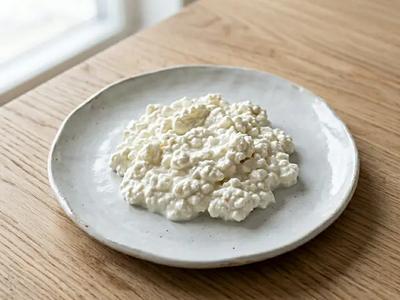
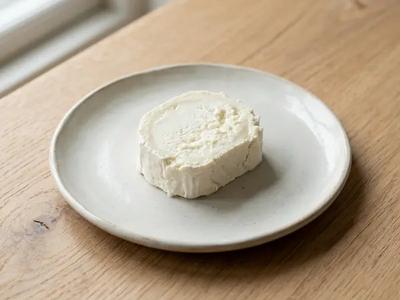
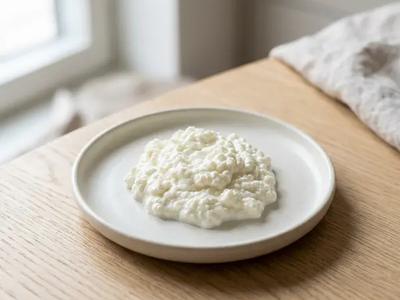
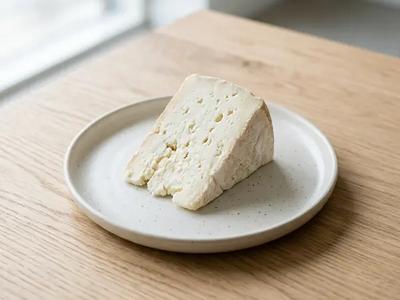
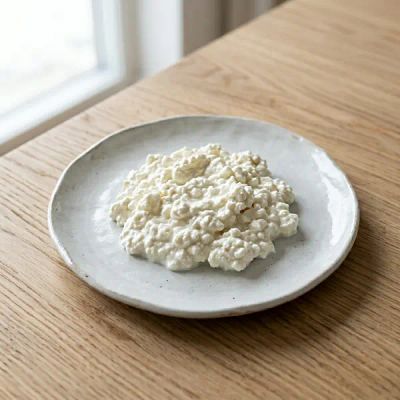
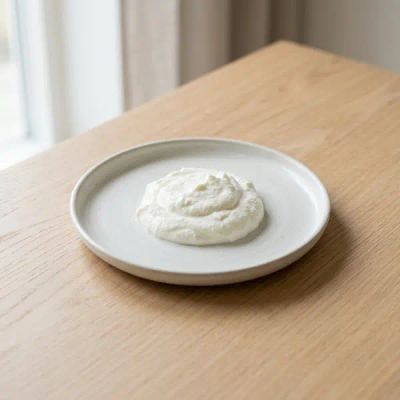
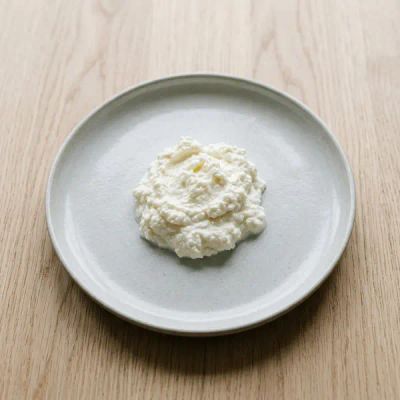
Pasteurised, fresh and high in protein for its energy, with a few grams of lactose.
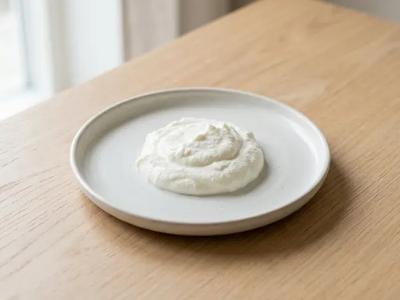
The most protein for the least energy of the cheeses here.
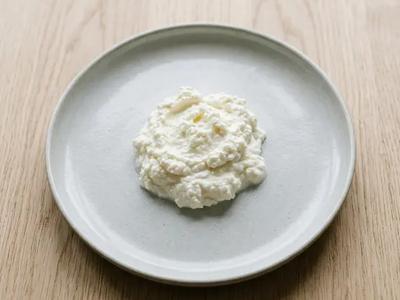
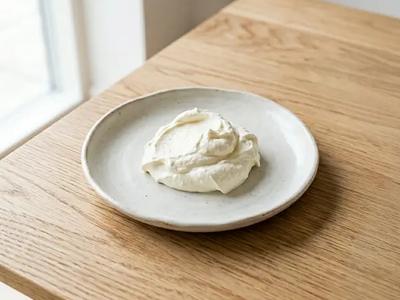
Fresh and mild, with less salt than most cheeses.
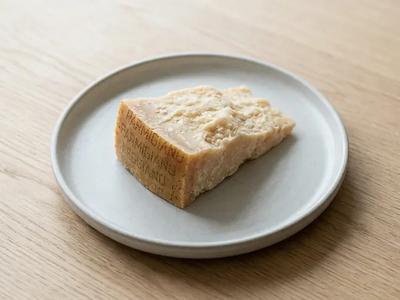
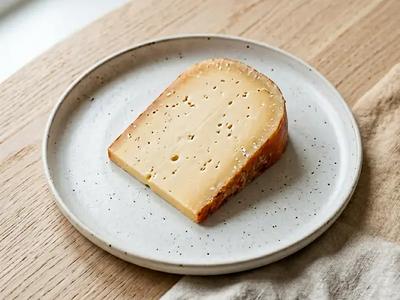
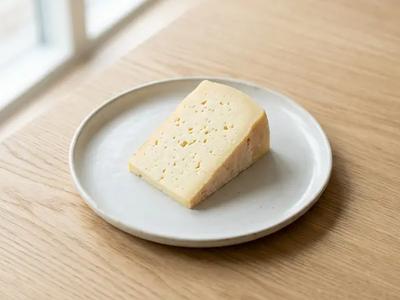
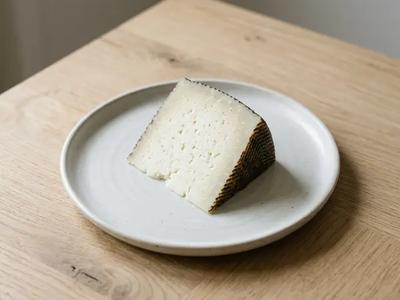
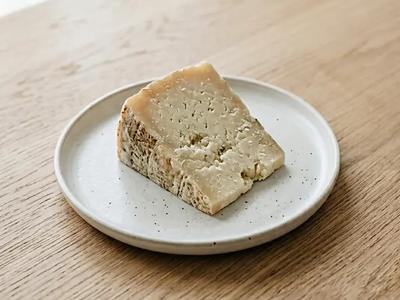
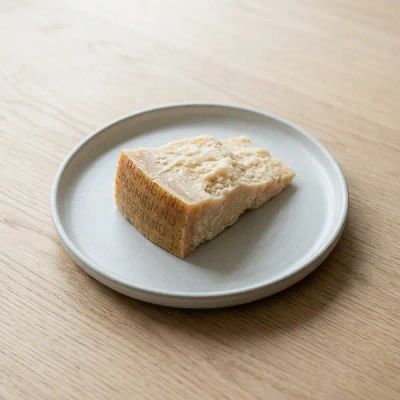
A hard cheese, fine in pregnancy even when unpasteurised, and one of the saltiest.
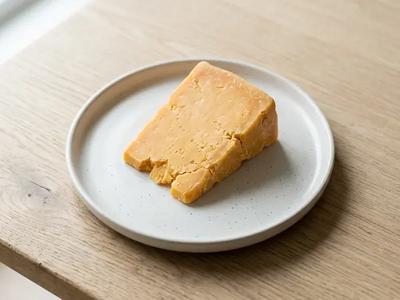
Almost no carbohydrate, but high in saturated fat and energy.
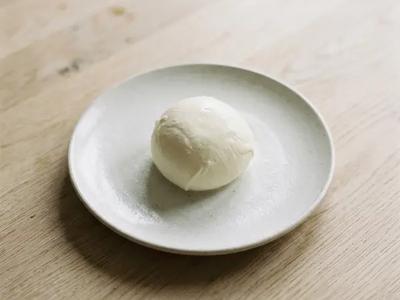
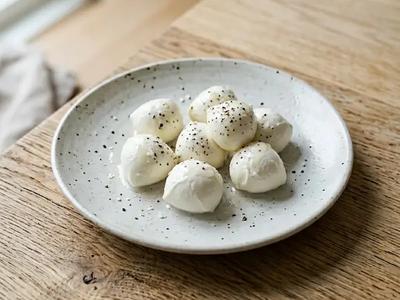
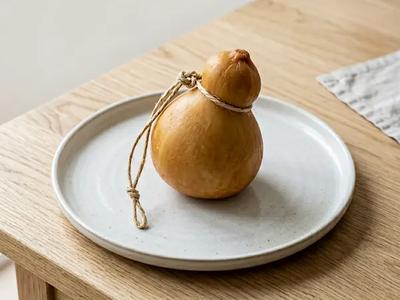
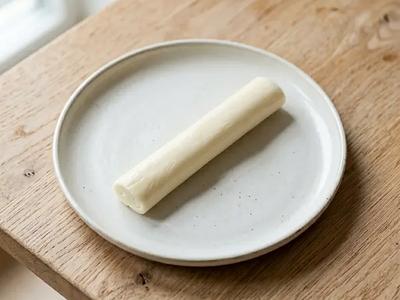
Pasteurised mozzarella is on the NHS list of soft cheeses that are fine.
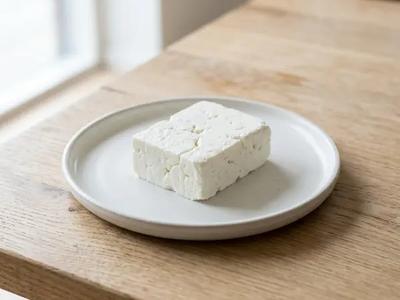
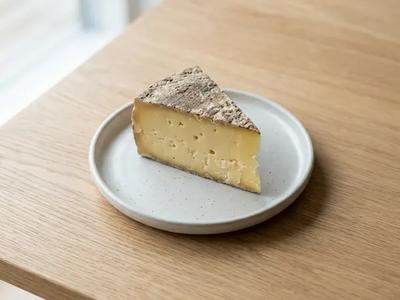
Fine when pasteurised; one of the saltier cheeses in the library.
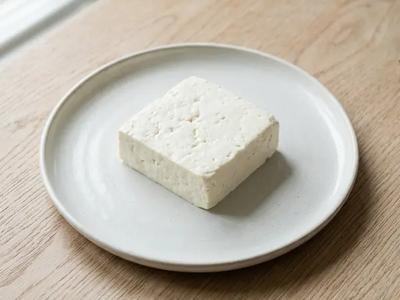
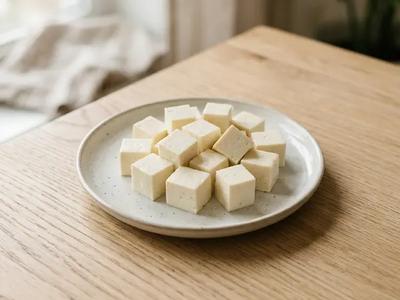
Pasteurised paneer is fine, and this library's entry is almost unsalted.
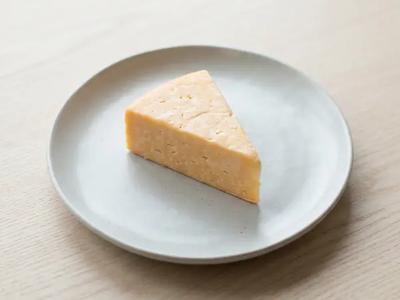
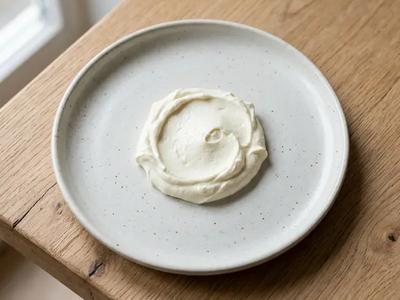
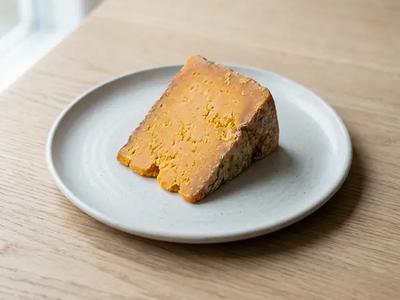
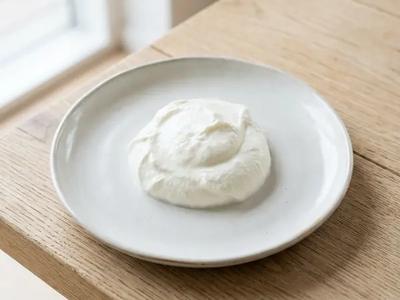
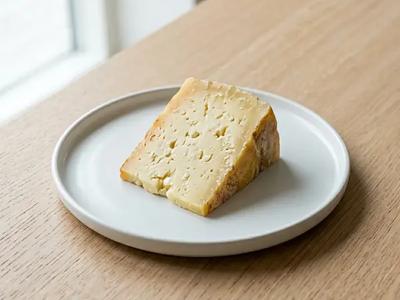
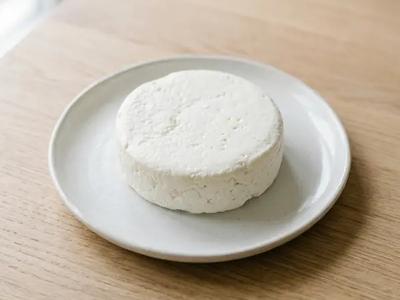
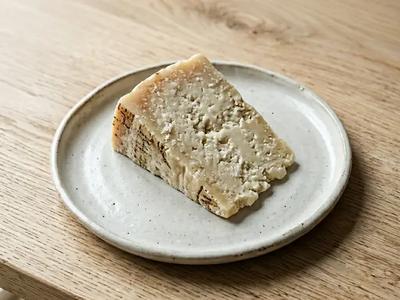
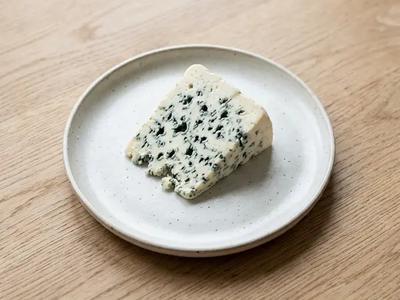
One cheese from each group the pregnancy advice treats differently: hard, pasteurised soft, fresh, and one that needs cooking first. Within those, the fresh cheeses that give the most protein for their energy, and a spread from very salty to almost unsalted, since salt is where cheeses differ most.
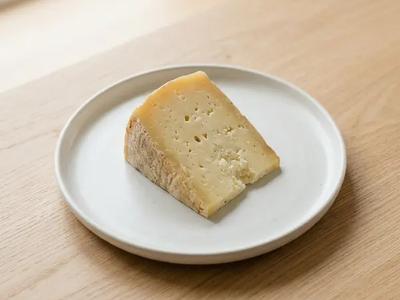
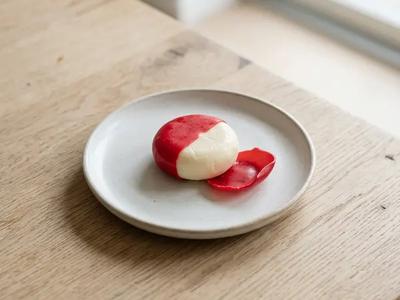
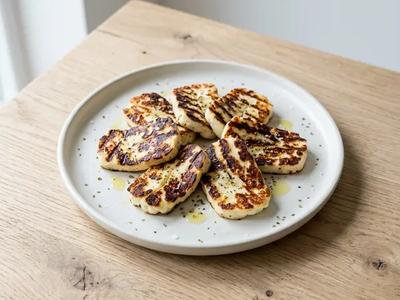
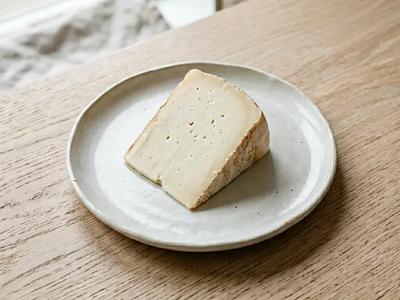
The NHS sorts cheese into groups, and the group decides what's fine in pregnancy. Hard cheeses such as cheddar, gruyère and parmesan are fine whether or not the milk was pasteurised. Pasteurised soft and fresh cheeses are fine too, including cottage cheese, cream cheese, mozzarella, feta, paneer, ricotta, mascarpone, halloumi, burrata and goats' cheese without a white rind. Most cheese sold in supermarkets is pasteurised, and the pack will say.[1]
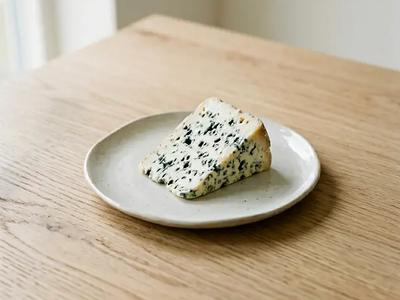
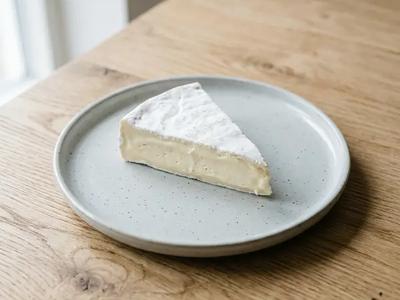
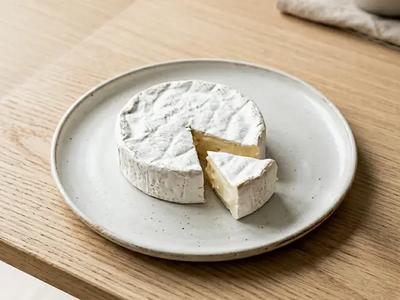
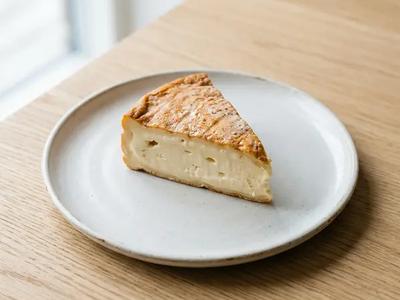
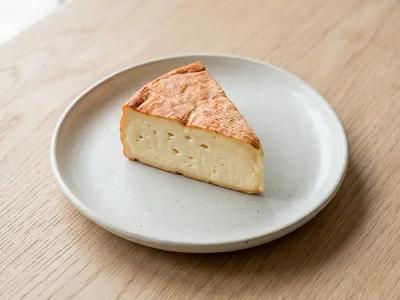
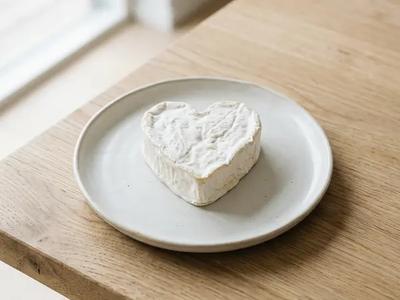
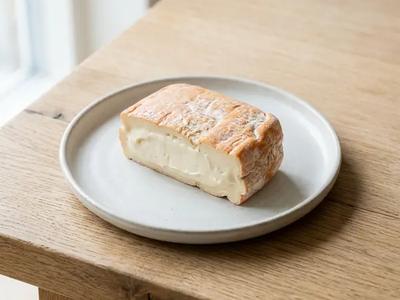
Mould-ripened soft cheeses with a white rind, such as brie, camembert and chèvre, and soft blue-veined cheeses, such as Danish blue, gorgonzola and roquefort, need cooking until steaming hot in pregnancy, even when made from pasteurised milk. The concern is listeria. Cooked that way, in a baked camembert or a blue cheese sauce, the NHS lists them as fine. It also advises keeping pre-packed sandwiches and salads with cheese chilled and eating them before the use-by date.[1]
The NHS's guide to food labels treats more than 1.5 g of salt, or 0.6 g of sodium, per 100 g as high. By that measure parmesan, pecorino, roquefort and feta in this library are all high, while paneer, mascarpone, ricotta and swiss cheese sit well below it. UK and EU labels give salt; the salt comparison below gives sodium, which is salt divided by 2.5.[2]
Hard cheeses carry around 350 to 420 kcal per 100 g in this library, much of it saturated fat, which the ADA's 2026 Standards advise limiting in pregnancy with diabetes. Fresh, lower-fat cheeses give protein for far less energy: quark and cottage cheese carry 11 to 12 g of protein per 100 g at under 100 kcal. When cheese is the protein in a meal, that ratio is the one to compare.[3]
Fresh cheeses carry a little carbohydrate, from lactose, a sugar found in dairy: cottage cheese, ricotta, quark and cream cheese carry around 3 to 4 g per 100 g in this library, against close to none for parmesan, gruyère or pecorino. The ADA's 2026 Standards note that the amount of carbohydrate affects glucose levels, so it counts when a fresh cheese is a large part of the meal.[3] [4]
| Food | Carbs | Protein | Saturated fat | Blood sugar impact |
|---|---|---|---|---|
| Brie Caution | 0.5 g | 20.8 g | 17.4 g | low |
| Camembert Caution | 0.5 g | 19.8 g | 15.2 g | low |
| Blue Cheese (Pasteurized) Caution | 2.3 g | 21.4 g | 18.6 g | low |
| Goat Cheese (Chevre) Caution | 1.1 g | 18.5 g | 14.5 g | low |
| Mozzarella | 2.2 g | 22.2 g | 13.2 g | low |
| Feta (pasteurized) | 4.1 g | 14.2 g | 14.9 g | low |
The caution badge marks the cheeses that need cooking in pregnancy. Nutritionally they sit close to the cheeses beside them: the difference is in how they are made and ripened.[1]
| Food | Carbs | Protein | Calories | Saturated fat | Blood sugar impact |
|---|---|---|---|---|---|
| Cottage Cheese | 3.4 g | 11.1 g | 98 kcal | 1.7 g | low |
| Quark | 4.1 g | 12 g | 68 kcal | 0.1 g | low |
| Fromage blanc | 3.9 g | 8.1 g | 73 kcal | 1.9 g | low |
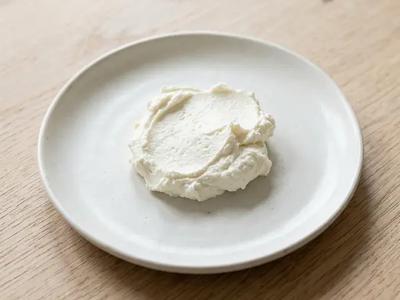
| Ricotta | 3 g | 11.3 g | 174 kcal | 8.2 g | low |
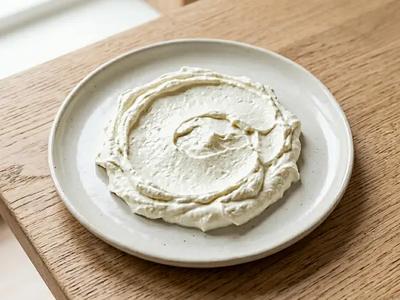
| Cream cheese | 4.1 g | 6.2 g | 342 kcal | 21.7 g | low |
| Mascarpone | 4.8 g | 5.5 g | 435 kcal | 29.5 g | low |
Quark, fromage blanc and cottage cheese give the most protein for the least energy; cream cheese and mascarpone are mostly fat.
| Food | Sodium | Protein | Blood sugar impact |
|---|---|---|---|
| Parmesan | 1,550 mg | 36 g | low |
| Pecorino | 1,700 mg | 26 g | low |
| Roquefort Caution | 1,800 mg | 21.5 g | low |
| Feta (pasteurized) | 1,116 mg | 14.2 g | low |
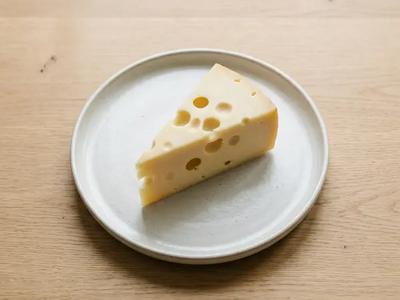
| Swiss Cheese | 198 mg | 26.9 g | low |
| Paneer | 22 mg | 18.3 g | low |
More than 600 mg of sodium per 100 g counts as high on the NHS's label scale.[2]
Figures from each food's entry in this library. Open a food for its full profile and portion notes.
45 foods in this category, each rated for glycemic impact and blood sugar effect.
Track how cheese affects your blood sugar with the SugarCurve app — free to download.
Start Free Trial →Most cheese carries very little carbohydrate, so on its own it adds little: the comparisons above show under 5 g per 100 g even for fresh cheeses. The ADA's 2026 Standards note that the amount and type of carbohydrate affect glucose levels, so in a meal it's usually what the cheese is eaten with, such as bread, crackers or pasta, that carries the carbohydrate.[3]
Yes, if it's cooked until steaming hot. The NHS lists any cheese cooked that way, including soft and blue cheeses, as fine. What it advises against is eating mould-ripened soft cheeses and soft blue cheeses uncooked.[1]
The NHS lists hard cheeses such as parmesan, cheddar and gruyère as fine whether or not they're pasteurised. Advice differs between countries, so if your own health service says otherwise, follow it.[1]
When pasteurised, yes: all three are on the NHS list of soft cheeses that are fine. Most supermarket cheese is pasteurised, but check the label. Feta is also one of the saltier cheeses, as the salt comparison shows.[1]
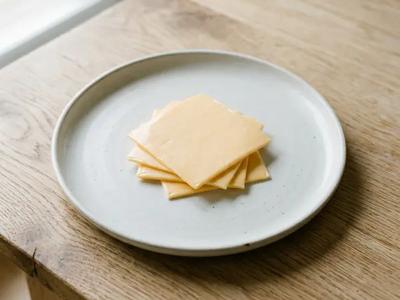
Pasteurised processed cheese spreads are on the NHS list of cheeses that are fine in pregnancy. They can read differently from natural cheese on the label: this library's processed American cheese carries about 5 g of carbohydrate and more sodium per 100 g than cheddar.[1]
Every pregnancy is different, and gestational diabetes is managed differently depending on your readings, your medication and how far along you are. The ratings and portions on this page are general information — not a diagnosis, a treatment plan or a medical device — and they cannot see your results.
Contact your care team the same day if: your readings stay above target for several days; you have a reading below 54 mg/dL (3.0 mmol/L) or needed someone else's help to treat a low; you test positive for ketones; or your baby is moving less than usual. Seek emergency care for confusion, fainting, repeated vomiting, or a low you cannot bring back up.
By using this guide, you agree to our Terms and Conditions. How we write, source and review this content: editorial policy.
Compiled and reviewed by Dalo Labs ApS. Numbered references in the text point to the sources below. Not endorsed by or affiliated with any referenced organization. · Last reviewed: September 1, 2026
SugarCurve plans your week, turns cravings into recipes and shows how your readings respond to what you eat, so following your care team's advice takes less guesswork, day after day.
7 days free, then a subscription. Cancel anytime before the trial ends.