Dairy & Dairy Alternatives
Many plant-based cheeses carry far more carbohydrate than the dairy cheese they imitate. The slices and blocks made mainly from water, coconut oil and starch carry 15 to 25 g of carbohydrate per 100 g in this library and very little protein, where cheddar carries almost no carbohydrate and around 25 g of protein. Others are made from nuts, soy or pea protein and come much closer to what dairy cheese does in a meal. So the useful question here isn't whether a plant cheese is dairy-free, but what it's made of. This guide shows how to tell from the ingredient list and the nutrition panel, and how the main types compare.
See what works for you. Try SugarCurve free for 7 days
23 foodsLast reviewed: September 10, 2026Sources


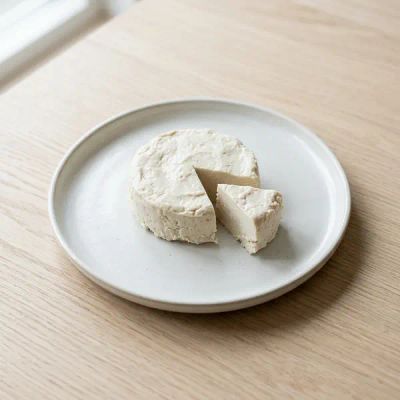
No foods found for your search.
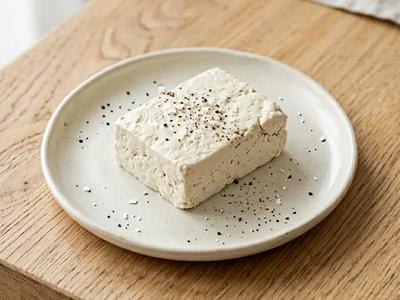
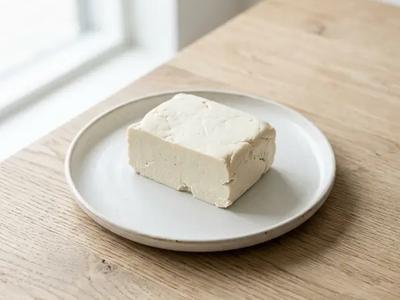
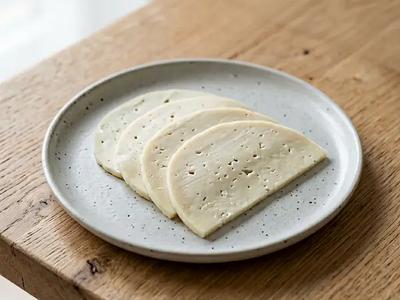
18 g of protein per 100 g, among the closest of the plant cheeses to dairy cheese.
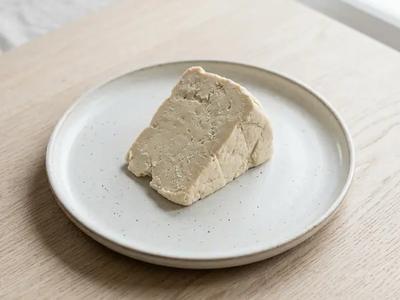
Also around 18 g of protein, but high in saturated fat in this library's entry.
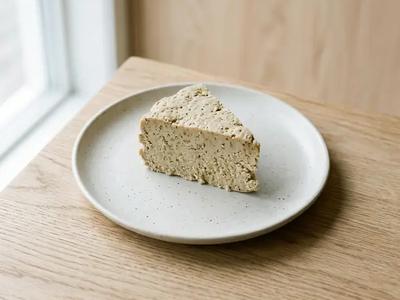
High protein with far less saturated fat than the coconut-oil cheeses.
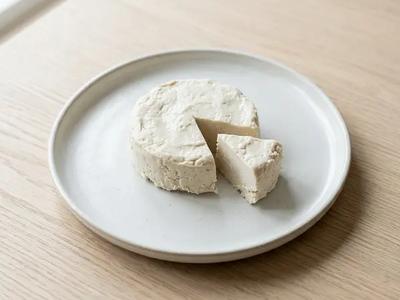
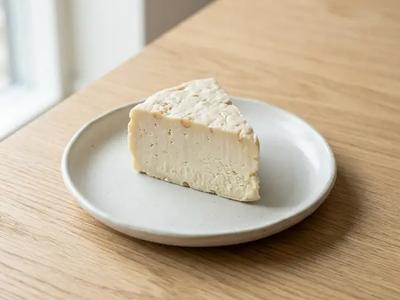
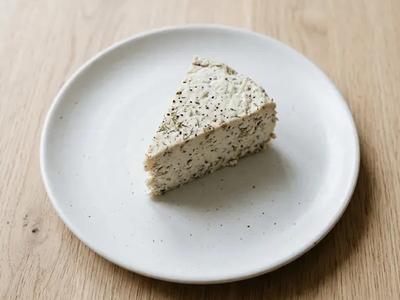
Nut-based, with more protein and less saturated fat than coconut-oil versions.
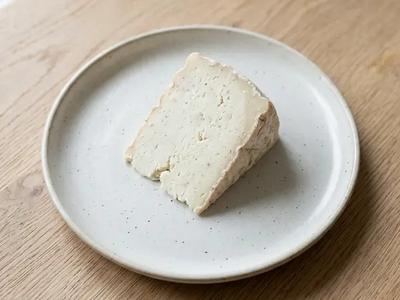
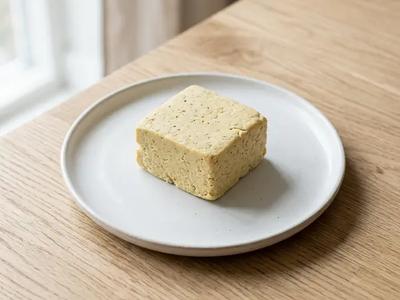
Nut-based, with around 8 g of protein and 10 g of carbohydrate per 100 g.
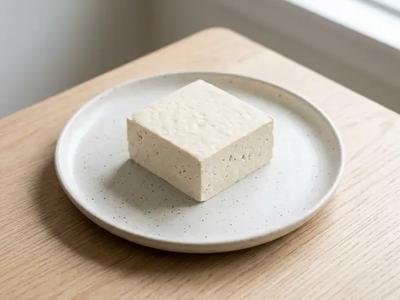
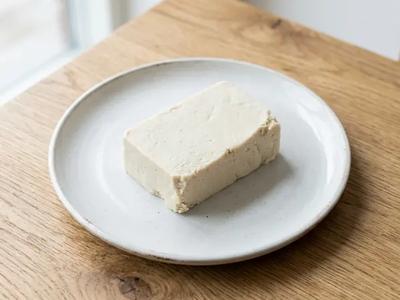
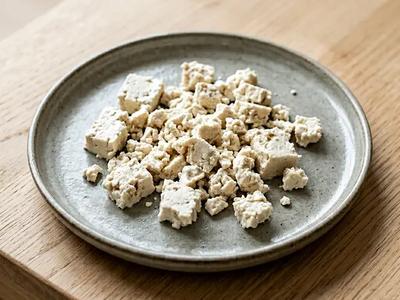
The lowest in carbohydrate of the plant cheeses here, with 10 g of protein.
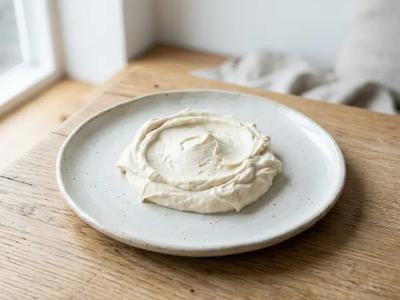
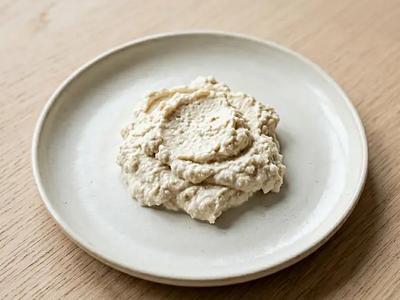
A spread with modest carbohydrate; compare its protein with dairy cream cheese.
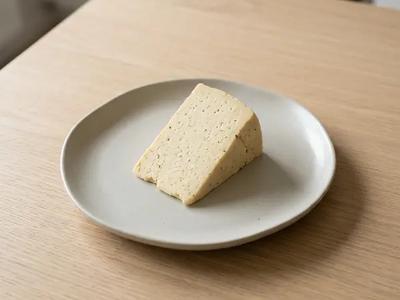
Made from a legume, with about 10 g of protein but 17 g of carbohydrate.
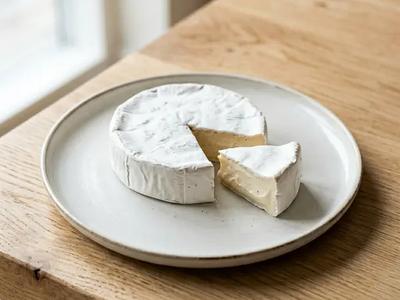
The plant cheeses that do most of what dairy cheese does in a meal, which mostly means protein, plus one typical coconut-oil block for comparison. Cultured soft plant cheeses, such as the plant-based brie and blue, carry a pregnancy caution in this library and are in the full list rather than here.
Surveys of supermarket plant cheeses keep finding the same base. Of 245 products in a US survey, 106 were based on coconut oil and 61 on cashews with coconut, and an Irish study in 2025 found the plant cheeses it tested were held together mainly by solid fats, starch and thickeners rather than protein. If water, coconut oil and starch lead the ingredient list, expect carbohydrate from the starch and very little protein.[1] [2]
On many plant cheeses the sugar line is close to zero while the carbohydrate line reads 20 g or more per 100 g, as this library's entries show; that carbohydrate is mostly starch. The ADA's 2026 Standards note that both the amount and the type of carbohydrate affect glucose levels. On a UK or EU label, 'of which sugars' sits under carbohydrate, and it's the carbohydrate line that tells you what the cheese adds to a meal.[2] [3] [4]
The Irish study measured 0.1 to 1.7 g of protein per 100 g in its plant cheeses, against 25 g in cheddar. Soy, pea, hemp and most nut-based cheeses are the exception, carrying 8 to 18 g per 100 g in this library. If cheese is the protein in a meal, the ADA's minimum of 71 g of protein a day in pregnancy makes this the line to check.[2] [3]
In the US survey almost 60% of plant cheeses were high in saturated fat, and those containing coconut oil more often had higher saturated fat and sodium, while cashew-only products more often had the lowest. The NHS's label guide treats more than 5 g of saturated fat per 100 g as high, and the ADA's 2026 Standards advise limiting saturated fat in pregnancy with diabetes.[1] [3] [4]
The British Nutrition Foundation counts cheese among dairy's good sources of calcium. Most plant cheeses don't replace it: in the US survey only 19% were fortified with calcium and 14% with vitamin B12. If plant cheese regularly takes the place of dairy cheese, those nutrients need to come from fortified drinks, yogurts or other foods.[1] [5]
| Food | Carbs | Protein | Saturated fat | Blood sugar impact |
|---|---|---|---|---|
| Cheddar | 1.3 g | 24.9 g | 21.1 g | low |
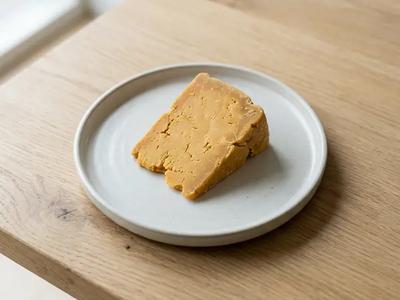
| Plant-based cheddar | 22 g | 1 g | 21 g | medium |
| Coconut Oil-Based Cheese | 20 g | 1 g | 21 g | low |
| Soy Cheese | 10 g | 18 g | 7 g | low |
| Pea protein cheese | 7 g | 18 g | 20 g | low |
| Cashew cheese | 21.2 g | 10.5 g | 5.5 g | low |
Starch-and-coconut-oil cheeses carry around 20 g of carbohydrate and 1 g of protein per 100 g; soy and pea-protein cheeses come closest to cheddar on protein.
| Food | Carbs | Protein | Calories | Blood sugar impact |
|---|---|---|---|---|
| Cream cheese | 4.1 g | 6.2 g | 342 kcal | low |
| Plant-based Cream Cheese | 6 g | 4 g | 280 kcal | low |
| Ricotta | 3 g | 11.3 g | 174 kcal | low |
| Plant-based ricotta | 10.1 g | 9.5 g | 220 kcal | low |
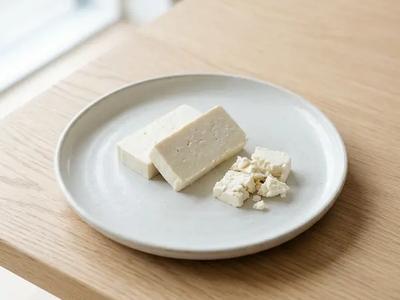
| Tofu Cheese | 4 g | 10 g | 120 kcal | low |
| Almond Cheese | 10 g | 8 g | 300 kcal | low |
Plant cream cheese and ricotta carry more carbohydrate than their dairy versions; tofu-based cheese is the lowest in carbohydrate of the plant options here.
| Food | Carbs | Protein | Sodium | Blood sugar impact |
|---|---|---|---|---|
| Parmesan | 0.1 g | 36 g | 1,550 mg | low |
| Plant-based Parmesan | 22.1 g | 15.5 g | 1,250 mg | low |
| Nutritional Yeast-Based Cheese | 25 g | 15 g | 450 mg | low |
| Feta (pasteurized) | 4.1 g | 14.2 g | 1,116 mg | low |
| Plant-based feta | 18.5 g | 1.2 g | 1,150 mg | low |
Plant parmesan and feta carry around 20 g of carbohydrate per 100 g where the dairy versions carry almost none. Salt is high on both sides.
Figures from each food's entry in this library. Open a food for its full profile and portion notes.
23 foods in this category, each rated for glycemic impact and blood sugar effect.
Track how plant-based cheese affects your blood sugar with the SugarCurve app — free to download.
Start Free Trial →Usually not. Dairy cheese carries almost no carbohydrate, while many plant cheeses in this library carry 15 to 25 g per 100 g, mostly from starch, which an Irish study of supermarket products also found. Tofu, soy and some nut-based cheeses carry less.[2]
Most isn't. The authors of a US survey of 245 products concluded that few could be considered good sources of protein or calcium. Soy, pea, hemp and some nut-based cheeses are the exception, with 8 to 18 g of protein per 100 g in this library.[1]
Three lines do most of the work: carbohydrate (not just sugars), protein and saturated fat. The NHS's label guide treats more than 5 g of saturated fat per 100 g as high, and many coconut-oil cheeses in this library carry around 20 g. The ingredient list explains the numbers: water, coconut oil and starch at the top means a product built from fat and starch.[2] [4]
Not by default. Compared with a semi-hard dairy cheese, the plant slices in a 2025 Slovenian study averaged 60 times less protein, 8 times less calcium, 50% more salt and 50% more saturated fat. Nut, soy and pea-based versions compare better, so it depends on the product more than on the 'plant-based' claim.[6]
Every pregnancy is different, and gestational diabetes is managed differently depending on your readings, your medication and how far along you are. The ratings and portions on this page are general information — not a diagnosis, a treatment plan or a medical device — and they cannot see your results.
Contact your care team the same day if: your readings stay above target for several days; you have a reading below 54 mg/dL (3.0 mmol/L) or needed someone else's help to treat a low; you test positive for ketones; or your baby is moving less than usual. Seek emergency care for confusion, fainting, repeated vomiting, or a low you cannot bring back up.
By using this guide, you agree to our Terms and Conditions. How we write, source and review this content: editorial policy.
Compiled and reviewed by Dalo Labs ApS. Numbered references in the text point to the sources below. Not endorsed by or affiliated with any referenced organization. · Last reviewed: September 10, 2026
SugarCurve plans your week, turns cravings into recipes and shows how your readings respond to what you eat, so following your care team's advice takes less guesswork, day after day.
7 days free, then a subscription. Cancel anytime before the trial ends.