

Allergen Information
Contains: Soy
May contain: Nuts, Gluten
Nutrition per 100g
Dairy & Dairy Alternatives › Plant-Based Cheese
Soy Cheese for Gestational Diabetes
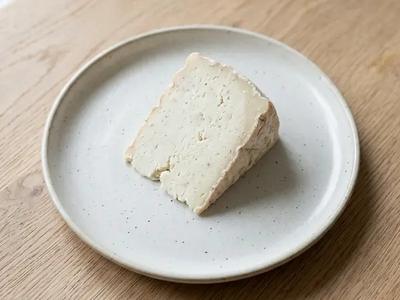
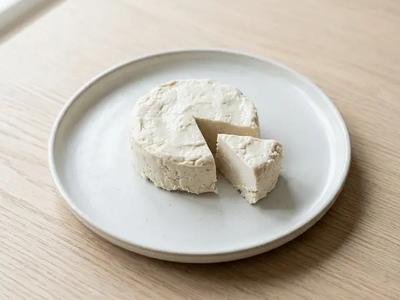
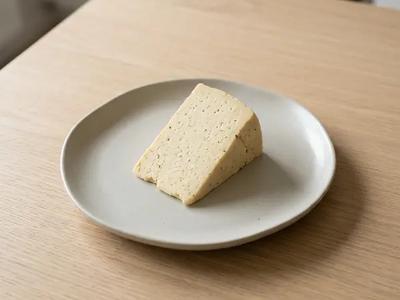
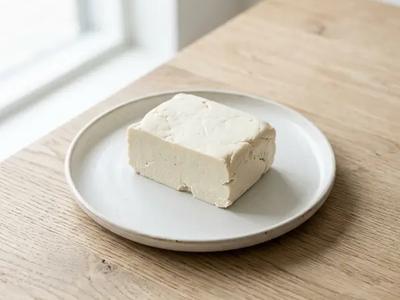
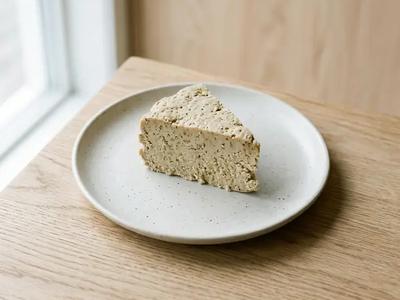
Soy cheese is a plant-based cheese alternative made primarily from soy, typically using soy milk or tofu as a base. It serves as a popular dairy-free and lactose-free option for those with allergies, intolerances, or following a vegan diet. Nutritionally, it provides a good source of plant-based protein and is often lower in saturated fat than its dairy counterpart, though fat and sodium content can vary widely by brand. Its texture is often softer and less elastic than dairy cheese, and it contains beneficial soy isoflavones.
At a glance
Pregnancy safety
SafeBlood sugar impact
lowCarbs / 100 g
10gIs Soy Cheese safe with gestational diabetes?
Soy cheese can be a suitable dairy-free option for managing gestational diabetes due to its low carbohydrate content. However, its processed nature means careful label reading is essential to avoid hidden sugars and starches. The high fat and sodium content also require mindful consumption to support overall cardiovascular health during pregnancy. It provides beneficial protein, which is advantageous for blood sugar management, but should be chosen and portioned carefully as part of a balanced diet.
How does Soy Cheese affect blood sugar during pregnancy?
The primary components of soy cheese, protein and fat, have a minimal direct impact on blood glucose levels, resulting in a very low glycemic index and load. This makes it generally safe for blood sugar control. However, it's important to be aware that some brands add starches or other fillers that can slightly increase the carbohydrate count and potentially affect glucose readings. The protein content is beneficial as it helps to slow down the absorption of any carbohydrates consumed alongside it, promoting more stable blood sugar.
What is a safe portion of Soy Cheese for gestational diabetes?
A sensible portion for gestational diabetes management is about one slice or a small, matchbox-sized piece. This amount provides flavor and protein without contributing excessive sodium or saturated fat, which should be monitored during pregnancy. Visually, this equates to about two tablespoons of crumbled soy cheese. Exceeding this portion regularly can lead to high sodium intake, so always check the nutrition label for sodium content as formulations vary significantly between brands.
How should I combine Soy Cheese to manage blood sugar during pregnancy?
To create a blood-sugar-friendly meal, pair soy cheese with high-fiber carbohydrates and non-starchy vegetables. For example, melt one slice on a piece of whole-grain toast with avocado or add crumbles to a large salad full of leafy greens and colorful vegetables. This combination of fiber, healthy fats from avocado, and protein from the soy cheese effectively blunts any potential glucose spike. Avoid pairing it with highly refined carbohydrates like white crackers or sugary sauces to maintain stable blood sugar levels.
Last reviewed: August 31, 2026
Important Safety Information
Every pregnancy is different, and gestational diabetes is managed differently depending on your readings, your medication and how far along you are. The ratings and portions on this page are general information — not a diagnosis, a treatment plan or a medical device — and they cannot see your results.
- Low blood sugar:
- If you take insulin or diabetes medication, eating less carbohydrate than your team planned for can push your blood sugar too low. Treat a reading below 70 mg/dL (3.9 mmol/L), or symptoms such as shaking, sweating, confusion or a racing heart, with fast-acting carbohydrate immediately and retest after 15 minutes. Never use this page as a reason to skip or shrink a meal you were told to eat.
- Carbohydrate and ketones:
- Cutting carbohydrate hard to force a number down is not safe in pregnancy — it can produce ketones. Published guidance sets a minimum of 175 g of carbohydrate per day in pregnancy. Readings that stay above target for several days need your care team, not a smaller portion.
- Medication and insulin:
- The portions here are generic and know nothing about your insulin doses, your metformin, or the steroids given to mature your baby's lungs — all of which change how a meal affects you. Never adjust a dose or a mealtime based on this page.
- Food safety in pregnancy:
- Blood sugar is not the only thing that makes a food suitable while you are pregnant. Some foods with excellent glycemic numbers still carry mercury, vitamin A, listeria or alcohol risks, and those are judged separately from the ratings shown here. Check your national pregnancy food-safety guidance before adding an unfamiliar food.
- What these ratings can and cannot tell you:
- Glycemic index values, impact ratings and maximum servings are population averages taken from published tables. Two people eating the same food can get very different readings, so your own meter is the only measurement that describes you. Nutrition figures are indicative per 100 g and vary with brand, ripeness and preparation.
Contact your care team the same day if: your readings stay above target for several days; you have a reading below 54 mg/dL (3.0 mmol/L) or needed someone else's help to treat a low; you test positive for ketones; or your baby is moving less than usual. Seek emergency care for confusion, fainting, repeated vomiting, or a low you cannot bring back up.
By using this guide, you agree to our Terms and Conditions. How we write, source and review this content: editorial policy.
Sources & Editorial Review
Content independently developed by Dalo Labs ApS, informed by the American Diabetes Association's Standards of Care in Diabetes, ACOG's gestational diabetes guidelines, and the IADPSG consensus criteria. Not endorsed by or affiliated with any referenced organization. · Last reviewed: August 2026
- American Diabetes Association — Management of Diabetes in Pregnancy: Standards of Care in Diabetes—2026
- ACOG Practice Bulletin No. 190 — Gestational Diabetes Mellitus (reaffirmed 2026)
- USDA FoodData Central — Nutritional Database
- Atkinson et al. — International Tables of Glycemic Index and Glycemic Load Values 2021 (Am J Clin Nutr)
More in Plant-Based Cheese
Help with every meal, not just this one
SugarCurve plans your week, turns cravings into recipes and shows how your readings respond to what you eat, so following your care team's advice takes less guesswork, day after day.
- Weekly meal plans
- Recipes for your cravings
- Your numbers, in charts
- Reports for your care team
7 days free, then a subscription. Cancel anytime before the trial ends.