Food Library
In a gestational diabetes meal plan, plain milk and yogurt count as carbohydrate even with nothing added, while most cheese carries almost none. Flavoured and drinkable yogurts can hold far more carbohydrate than their plain versions, and plant-based drinks run from almost none to more than cow's milk, depending on what they are made from and whether they are sweetened. This guide is about telling those apart in a shop or at the fridge: what to read on the label, how the common options compare side by side, and which cheeses and milks need care in pregnancy for reasons that have nothing to do with blood sugar. It is general information to use alongside the plan your care team or dietitian has given you, not a replacement for it.
See what works for you. Try SugarCurve free for 7 days
150 foodsLast reviewed: September 11, 2026Sources

No foods found for your search.

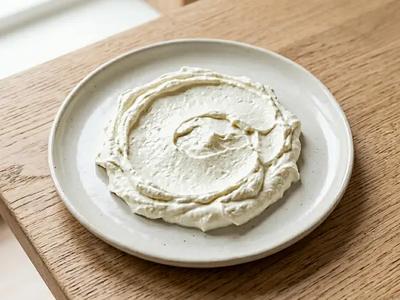
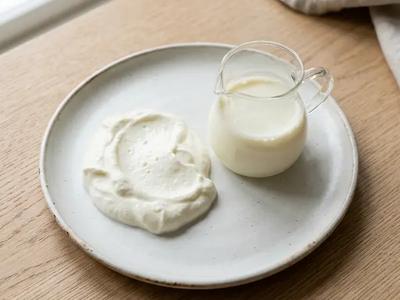
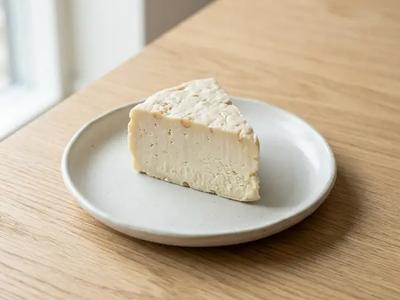
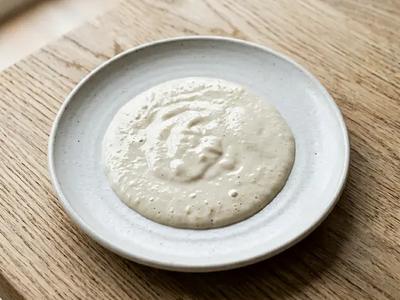
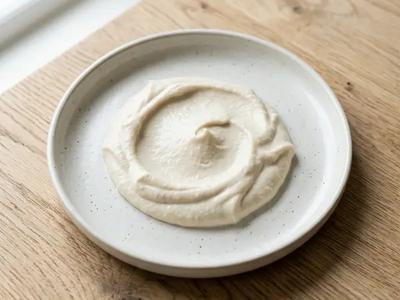
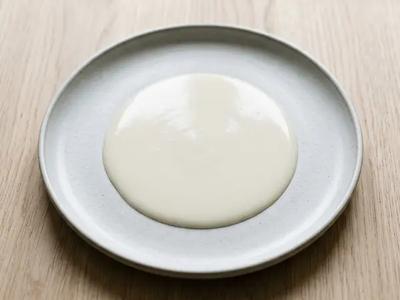
Strained: less carbohydrate and more protein than regular plain yogurt.

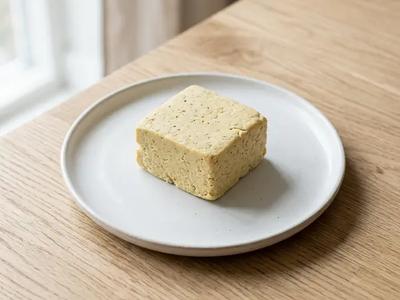
The highest in protein of the plain yogurts here.

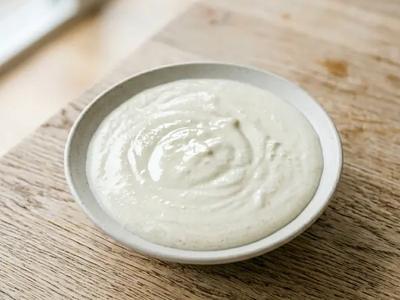
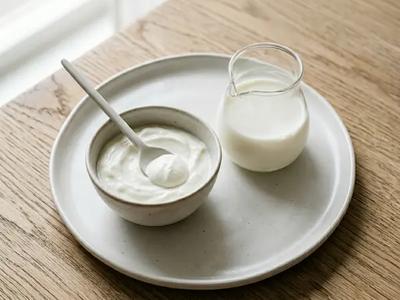
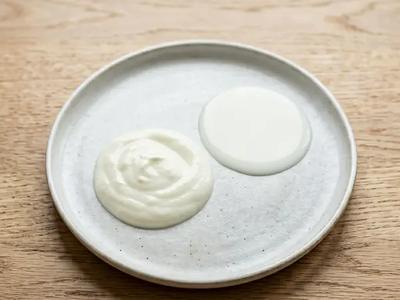
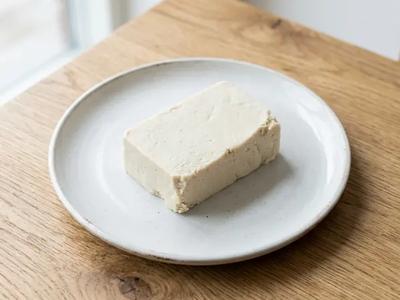
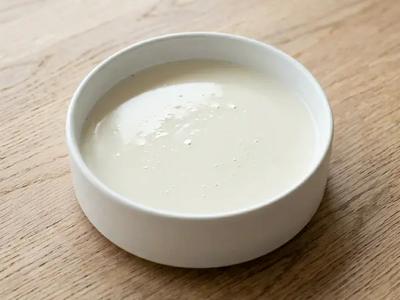
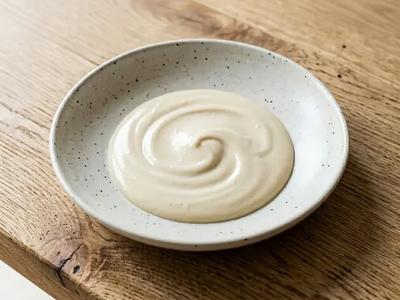
The baseline for comparing yogurts: its sugar is the milk's own.

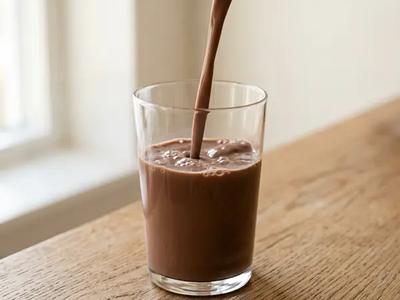
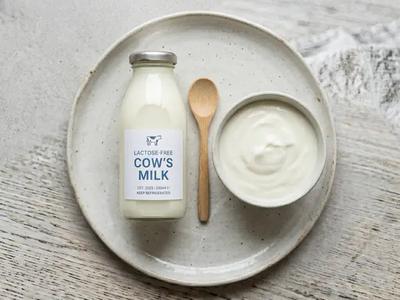
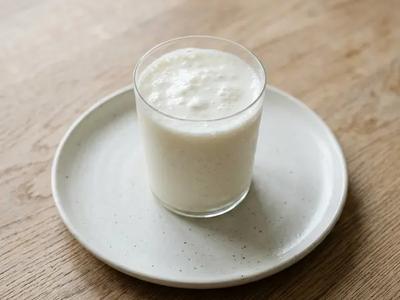
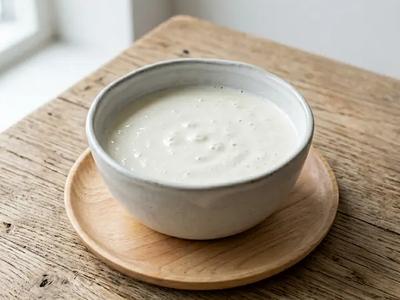
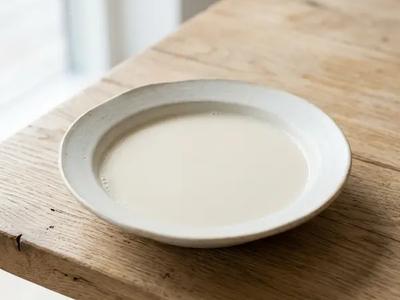
Its lactose counts as carbohydrate, so a glass is part of the meal.
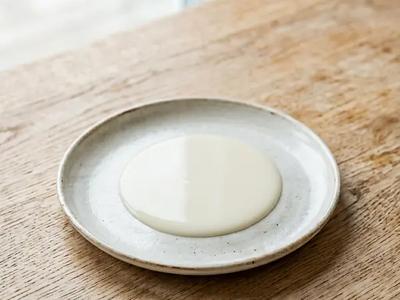
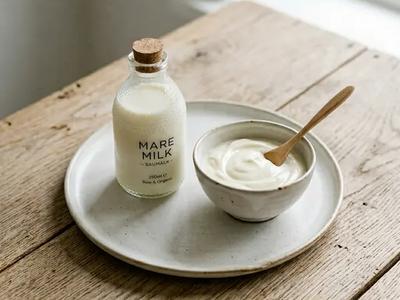
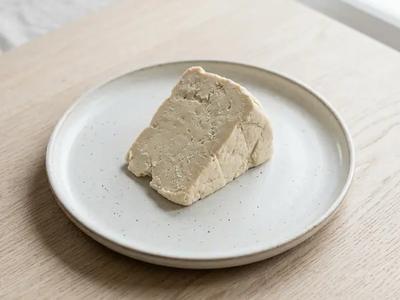
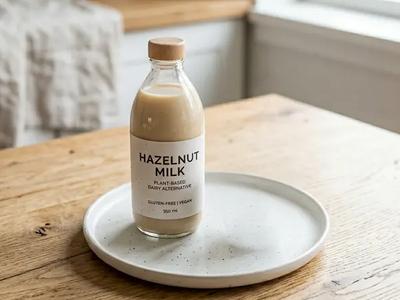
The plant drink closest to cow's milk for protein. Pick unsweetened.

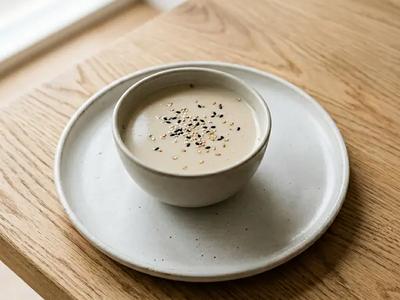
Very little carbohydrate unsweetened, and very little protein.
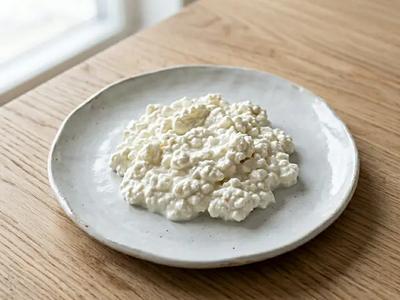
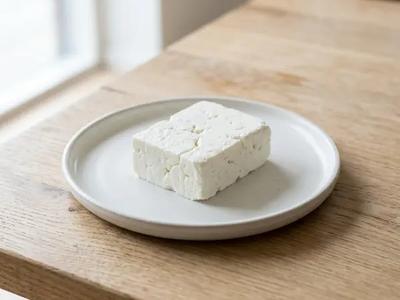
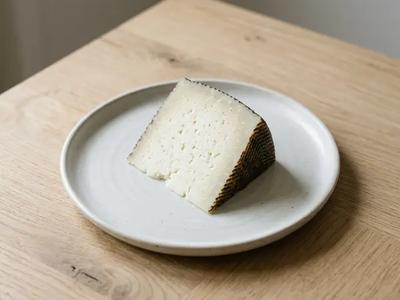
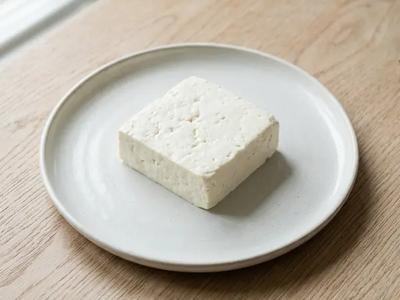
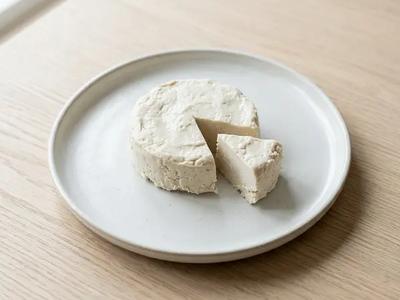
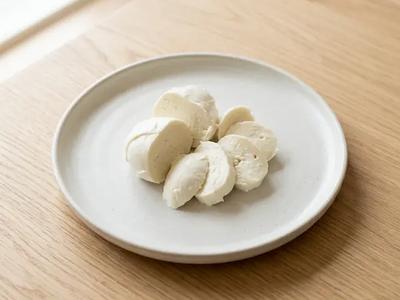
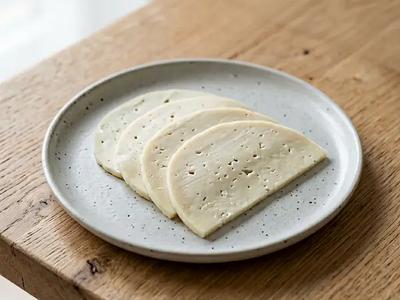
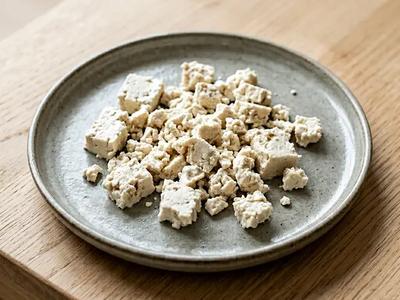
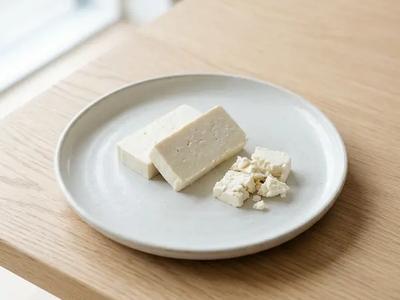
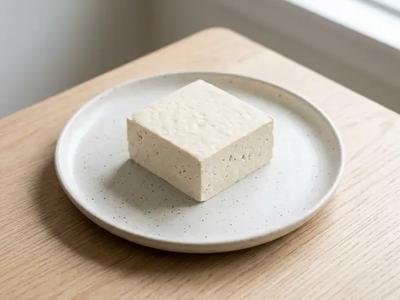
A pasteurised fresh cheese with more protein than most yogurts.
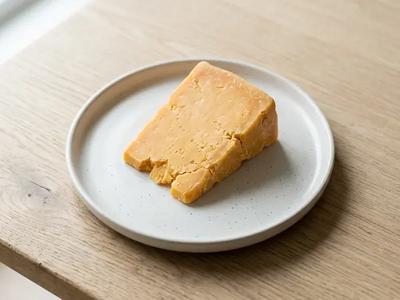
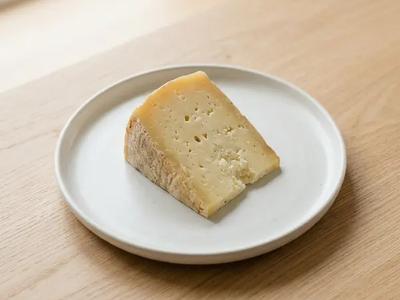
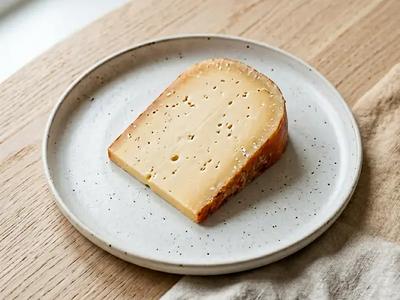
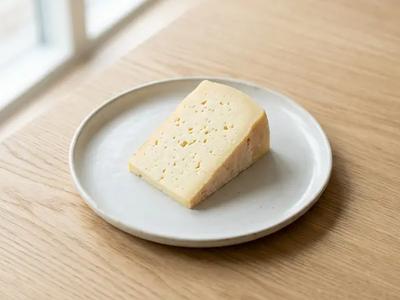
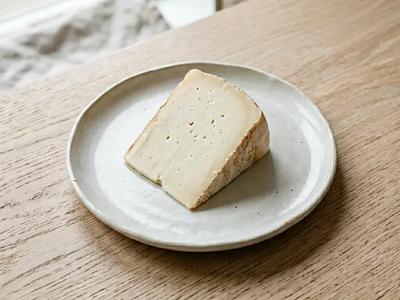
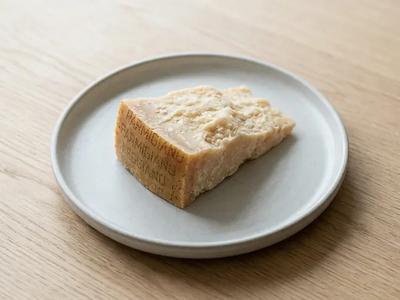
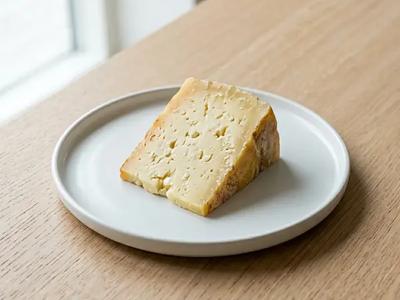
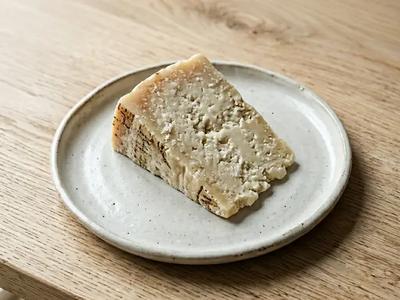
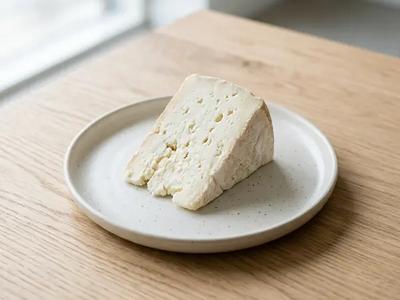
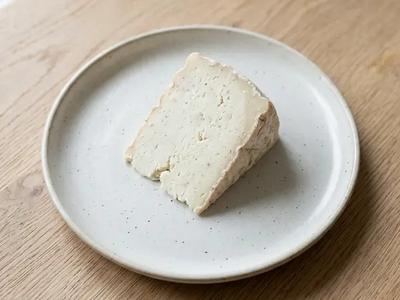
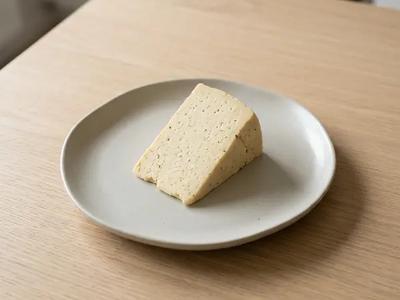
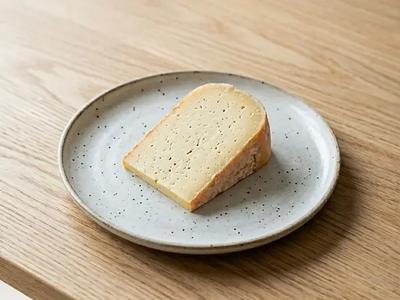
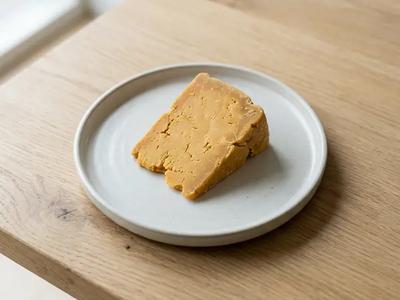
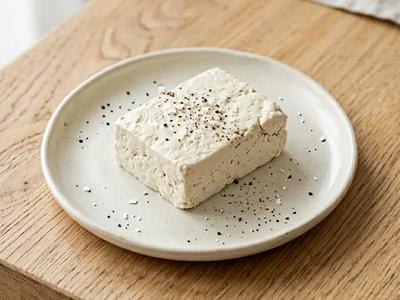
A hard cheese with almost no carbohydrate.
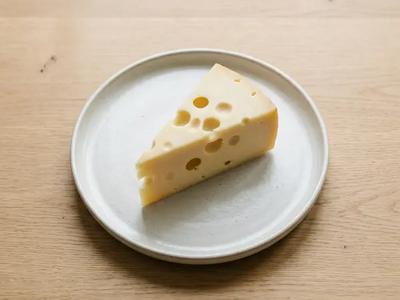
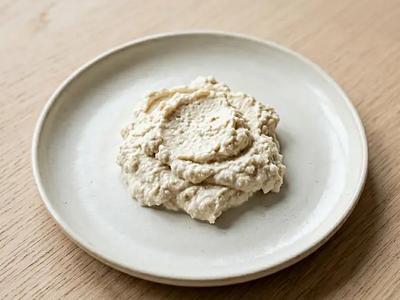
Plain and unsweetened versions, because they show what the food contributes before anything is added. A spread of protein levels, since that is where dairy differs most. Cheeses that are fine in pregnancy as sold, plus one that needs cooking first. Flavoured products are in the full list below; compare them against these.
The carbohydrate in plain milk and yogurt is lactose, milk's own sugar. USDA's reference values put plain whole milk and plain whole-milk yogurt at a little under 5 g per 100 g. The ADA's 2026 Standards note that both the amount and the type of carbohydrate affect glucose levels, so milk or yogurt belongs in a meal's carbohydrate, not outside it.[1] [2]
Plain dairy already contains lactose, so a sugar figure alone doesn't show whether sugar was added. US labels list added sugar separately ("Includes X g Added Sugars"), and the FDA counts honey, syrups and fruit-juice concentrates as added sugar. UK and EU labels give total sugars per 100 g ("of which sugars"). Plain yogurt has about 4 to 5 g per 100 g from the milk itself, so a flavoured one well above that has added sugar; the ingredients list shows what kind.[1] [3] [4]
The ADA's 2026 Standards set a minimum of 71 g of protein a day in pregnancy, and dairy options differ more in protein than in anything else: strained yogurts and cottage cheese carry two to three times the protein of regular yogurt or milk. "Low-fat" is not a carbohydrate claim either. USDA lists plain low-fat yogurt at about 7 g of carbohydrate per 100 g, more than plain whole-milk yogurt.[1] [2]
What a plant drink is made from sets its carbohydrate. In USDA's figures, unsweetened almond and soy drinks are under 2 g per 100 g, oat around 5 g (similar to cow's milk) and rice around 9 g. Only soy comes close to cow's milk for protein; almond, oat and rice carry under 1 g per 100 g. Sweetened versions add sugar on top, so look for "unsweetened" on the carton.[1] [5]
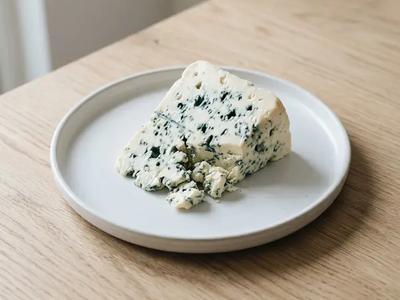
Some dairy needs care in pregnancy because of listeria, not blood sugar. The NHS advises avoiding unpasteurised milk, cream and yogurt, and notes that most supermarket dairy is pasteurised; the pack will say. Soft mould-ripened and soft blue cheeses need cooking until steaming hot even when pasteurised. Foods in this library with a pregnancy food-safety condition carry a caution badge.[6]
| Food | Carbs | Sugars | Protein | Blood sugar impact |
|---|---|---|---|---|
| Plain Whole Milk Yogurt | 4.7 g | 4.7 g | 3.5 g | low |
| Plain Greek Yogurt | 3.2 g | 3.2 g | 9 g | low |
| Skyr (Icelandic Yogurt) | 4.2 g | 4.1 g | 11.5 g | low |
| Flavored Yogurt (Low Sugar) | 6 g | 4 g | 8 g | low |
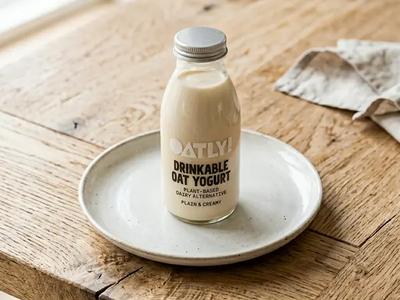
| Drinkable Yogurt (Dairy) | 12.5 g | 11.8 g | 3.1 g | medium |
Strained yogurts carry less carbohydrate and more protein than regular plain yogurt. Drinkable yogurt carries more than twice the carbohydrate of plain, and even a "low sugar" flavoured one carries more than plain.
| Food | Carbs | Sugars | Protein | Blood sugar impact |
|---|---|---|---|---|
| Whole Milk (Cow) | 4.7 g | 4.7 g | 3.3 g | low |
| Soy Milk | 1 g | 0.4 g | 3.3 g | low |
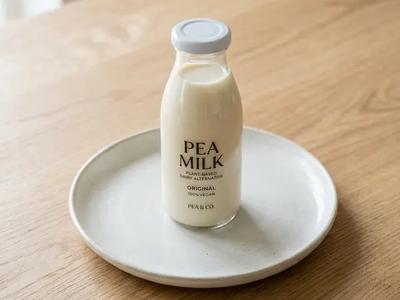
| Pea milk | 0.1 g | 0 g | 3.3 g | low |
| Almond Milk | 0.6 g | 0.1 g | 0.5 g | low |
| Oat Milk | 7 g | 3.5 g | 1 g | medium |
| Rice milk Caution | 9.2 g | 5.3 g | 0.3 g | high |
Soy and pea drinks come closest to cow's milk for protein; oat and rice carry more carbohydrate and little protein. Brands differ, especially sweetened versus unsweetened, so check the carton.
| Food | Carbs | Protein | Calories | Blood sugar impact |
|---|---|---|---|---|
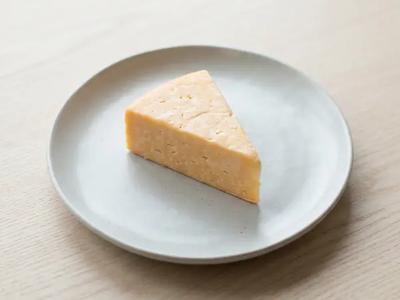
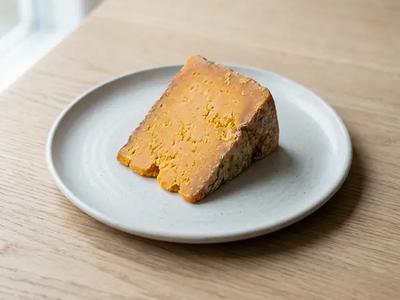
| Cheddar | 1.3 g | 24.9 g | 404 kcal | low |
| Parmesan | 0.1 g | 36 g | 420 kcal | low |
| Mozzarella | 2.2 g | 22.2 g | 280 kcal | low |
| Feta (pasteurized) | 4.1 g | 14.2 g | 264 kcal | low |
| Cottage Cheese | 3.4 g | 11.1 g | 98 kcal | low |
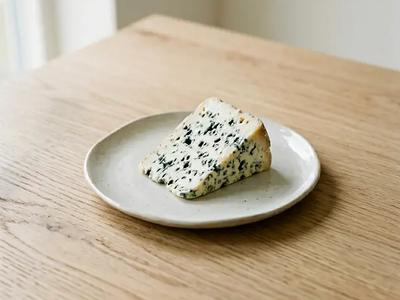
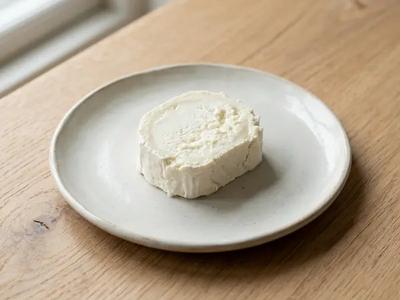
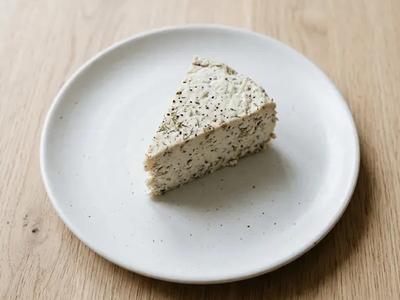
| Brie Caution | 0.5 g | 20.8 g | 334 kcal | low |
Cheese carries little carbohydrate; energy and protein are what vary. Brie's caution badge is about preparation in pregnancy, not blood sugar.
Figures from each food's entry in this library. Open a food for its full profile and portion notes.
150 foods in this category, each rated for glycemic impact and blood sugar effect.
Track how dairy & dairy alternatives affects your blood sugar with the SugarCurve app — free to download.
Start Free Trial →Milk isn't off-limits, but it isn't a free drink either. Its lactose counts as carbohydrate: roughly 12 g in a 250 ml glass of whole milk, by USDA's figures, so it belongs in the meal's carbohydrate total. How much fits depends on your own plan; your care team or dietitian can tell you.[1]
For carbohydrate, clearly. USDA lists unsweetened almond milk at under 1 g per 100 g and a sweetened vanilla version at about 6.6 g, nearly all sugar, which is more than cow's milk. Either way almond milk carries very little protein, so it doesn't replace milk or yogurt as a protein source.[1] [5]
Usually, and more protein too. USDA's reference values put plain whole-milk Greek yogurt at slightly less carbohydrate and more than twice the protein of regular plain yogurt per 100 g, and the comparison above shows the same pattern. Flavoured Greek yogurts differ, so compare their sugar line with the plain version.[1]
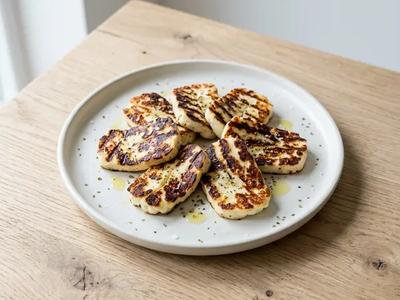
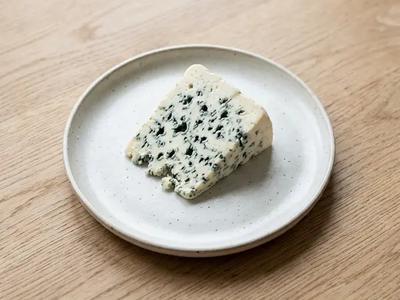
The rule is about listeria, not blood sugar. The NHS advises against unpasteurised dairy and says soft white-rinded cheeses (brie, camembert, chèvre) and soft blue cheeses (gorgonzola, roquefort) should be cooked until steaming hot. Hard cheeses like cheddar and parmesan, and pasteurised soft cheeses like cottage cheese, mozzarella, feta, paneer, ricotta and halloumi, are on its list of cheeses that are fine. Other countries draw the line differently, so follow your own health service's list.[6]
Not as a rule. The ADA's 2026 Standards advise against restrictive eating patterns in pregnancy with diabetes, and name the paleo pattern specifically because it restricts dairy. If you don't eat dairy, the NHS notes that milk and dairy products are a source of iodine and that some soya and oat drinks are fortified with it; the label will say.[2] [7]
Every pregnancy is different, and gestational diabetes is managed differently depending on your readings, your medication and how far along you are. The ratings and portions on this page are general information — not a diagnosis, a treatment plan or a medical device — and they cannot see your results.
Contact your care team the same day if: your readings stay above target for several days; you have a reading below 54 mg/dL (3.0 mmol/L) or needed someone else's help to treat a low; you test positive for ketones; or your baby is moving less than usual. Seek emergency care for confusion, fainting, repeated vomiting, or a low you cannot bring back up.
By using this guide, you agree to our Terms and Conditions. How we write, source and review this content: editorial policy.
Compiled and reviewed by Dalo Labs ApS. Numbered references in the text point to the sources below. Not endorsed by or affiliated with any referenced organization. · Last reviewed: September 11, 2026
SugarCurve plans your week, turns cravings into recipes and shows how your readings respond to what you eat, so following your care team's advice takes less guesswork, day after day.
7 days free, then a subscription. Cancel anytime before the trial ends.