Food Library
Most drinks carry no carbohydrate at all: water, black coffee, tea and unsweetened herbal teas. The ones that do, such as juice, coconut water, sweetened drinks and some fermented drinks, are easiest to compare by grams of carbohydrate per 100 ml, which is how every drink in this guide is listed. Pregnancy adds three other questions: how much caffeine, which herbal teas, and whether a fermented drink contains alcohol. This guide answers them with the NHS's figures, and with the US and UK rules on what an alcohol label means. The drink groups here are small, so this one page covers all of them, and the full list of drinks is further down.
See what works for you. Try SugarCurve free for 7 days
61 foodsLast reviewed: September 11, 2026Sources

No foods found for your search.
No carbohydrate and no caffeine.
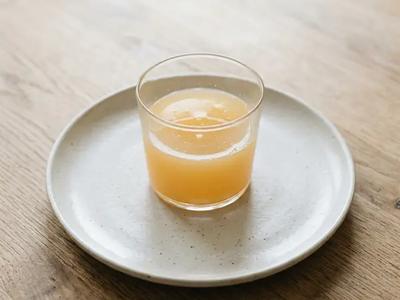
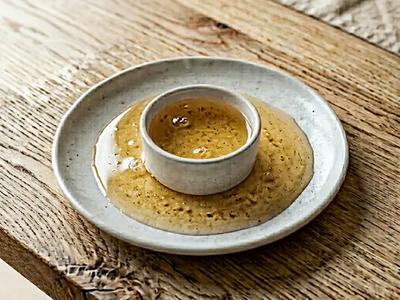
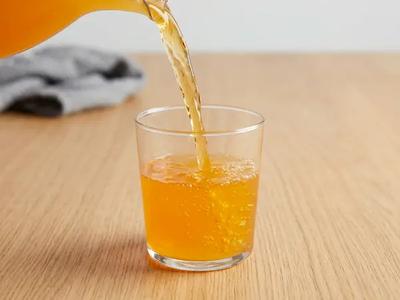
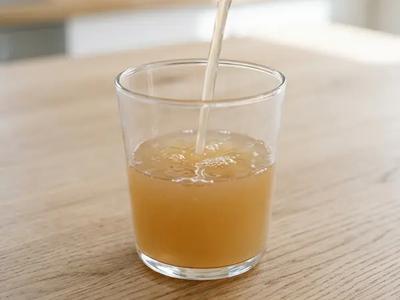
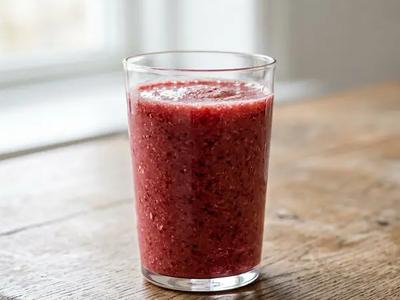
Half juice, half water: about 5 g of carbohydrate per 100 ml, half that of full-strength orange juice.
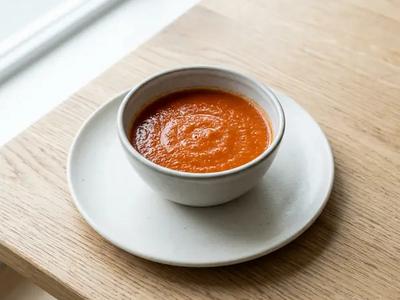
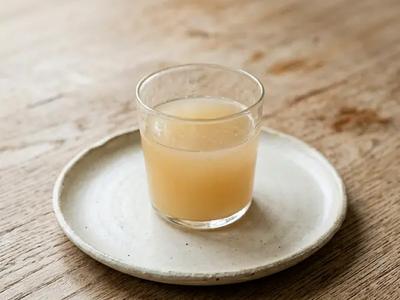
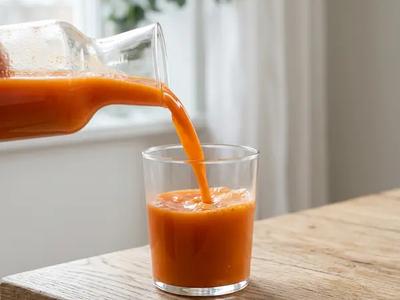
Under 5 g of carbohydrate per 100 ml, less than half that of orange juice.
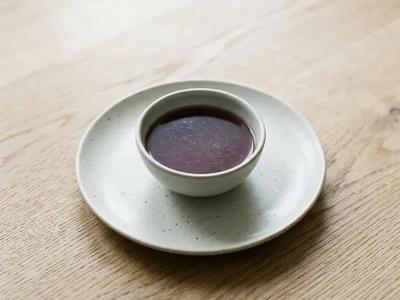
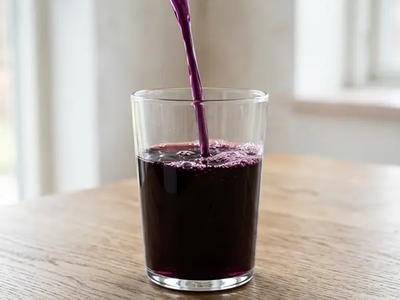
About 4 g of carbohydrate per 100 ml, most of it sugar.
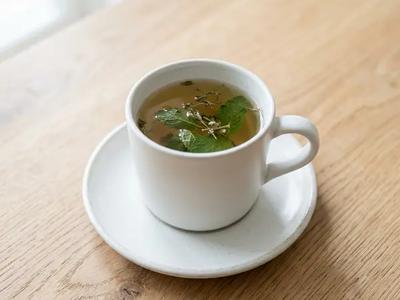
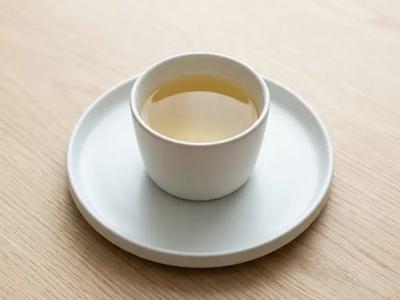
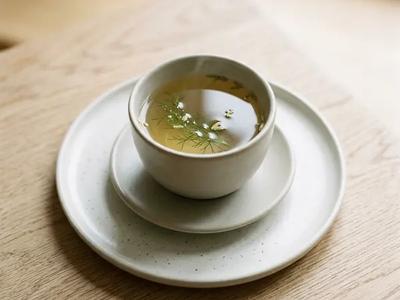
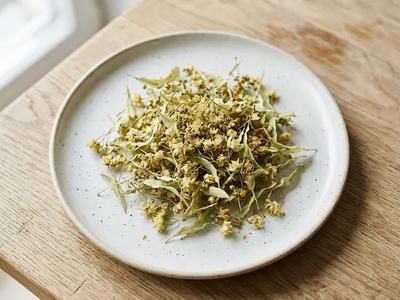
An unsweetened herbal tea with almost no carbohydrate; it counts towards the NHS's 4 cups of herbal tea a day.
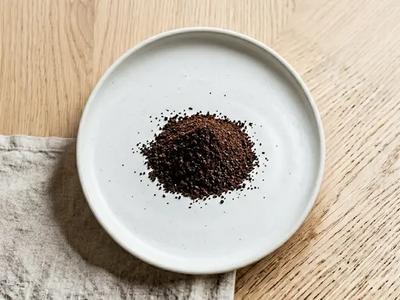
Here for its limit: by the NHS's figures, one cup of instant coffee is half the day's 200 mg of caffeine.
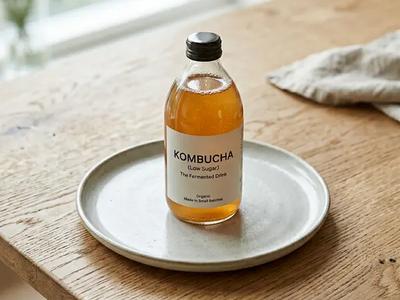
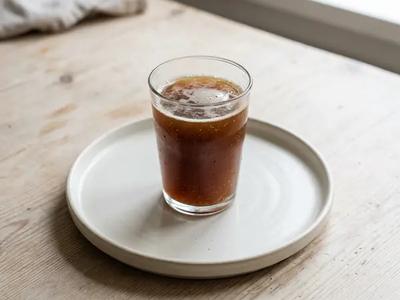
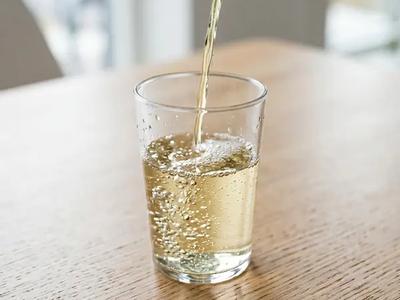
Here for its rule: a commercial, pasteurised bottle with its alcohol content on the label, never home-brewed.
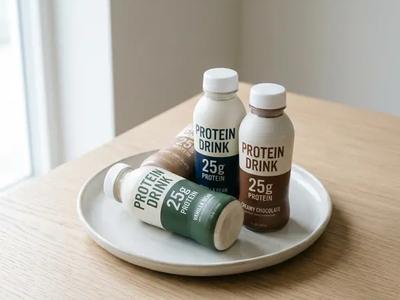
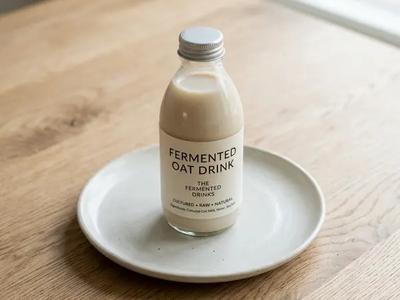
About 9 g of protein and under 2 g of carbohydrate per 100 ml.
Water, the lower-carbohydrate alternatives to full-strength juice, one herbal tea, a protein drink, and coffee and kombucha for their rules. Figures are per 100 ml as drunk; the few powders in this group are listed dry, so they are left out of the tables.
The NHS suggests 6 to 8 cups or glasses of fluid a day, and says water, lower-fat milk and sugar-free drinks, tea and coffee included, all count towards it. It suggests swapping sugary drinks for diet, sugar-free or no-added-sugar versions. Plain water, mineral water and unsweetened tea and coffee carry no carbohydrate in this library.[1]
The NHS suggests keeping fruit juice and smoothies to one small glass, 150 ml, a day, drunk with a meal. USDA lists orange juice at about 10 g of carbohydrate per 100 ml and unsweetened apple juice at 11 g, so a 150 ml glass holds about 16 g. Juice diluted half and half with water carries about half that, and vegetable juice and coconut water carry less than half.[1] [2]
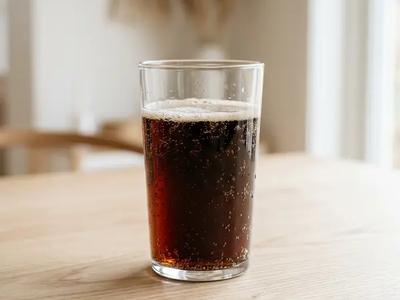
The NHS says to have no more than 200 mg of caffeine a day in pregnancy, because too much has been linked to a higher chance of miscarriage and stillbirth. By its figures, a cup of instant coffee has about 100 mg, filter and coffee-shop coffee can have more, a cup of black or green tea 75 mg, a can of cola 40 mg and a 250 ml can of energy drink 80 mg. Chocolate counts too. At 75 mg a cup, three cups of tea pass 200 mg on their own, though some tea pages in this library allow three or four cups; go by the NHS figures.[3]
The NHS suggests no more than 4 cups of herbal tea a day, and avoiding teas that contain liquorice root. For fennel, the European Medicines Agency's herbal monograph says its safety in pregnancy has not been established and does not recommend its use during pregnancy. This library is also more cautious than the NHS about chamomile, and suggests only weak, occasional cups of it.[3] [4]
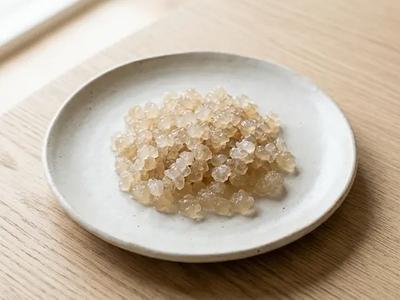
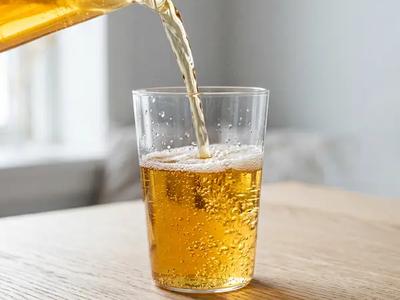
The NHS advises not drinking alcohol if you are pregnant. Kombucha is fermented with yeast and bacteria, and TTB, the US regulator, notes it can reach 0.5% alcohol or more, including by carrying on fermenting after bottling. Under UK government guidance, 'alcohol free' means no more than 0.05%, 'de-alcoholised' up to 0.5% and 'low alcohol' up to 1.2%, so read the ABV on the label. Some pages in this library accept up to 0.5%. Home-brewed kombucha, kvass and water kefir carry no label at all.[5] [6] [7]
| Food | Carbs | Sugars | Calories | Blood sugar impact |
|---|---|---|---|---|
| Folate-Fortified Orange Juice | 10.4 g | 8.4 g | 46 kcal | high |
| Diluted Orange Juice (50/50 with water) | 5 g | 4.2 g | 23 kcal | medium |
| Diluted Apple Juice (50/50 with water) | 5.7 g | 5.2 g | 23 kcal | medium |
| Diluted Pear Juice (50/50 with water) | 7.5 g | 7 g | 30 kcal | medium |
| Vegetable Juice (Low-sodium) | 4.6 g | 3.3 g | 21 kcal | low |
| Coconut Water (Unsweetened) | 3.7 g | 2.6 g | 19 kcal | medium |
Diluting orange juice half and half with water halves its carbohydrate; coconut water and vegetable juice carry the least here.
| Food | Carbs | Sugars | Calories | Blood sugar impact |
|---|---|---|---|---|
| Kombucha (Low Sugar) Caution | 2.5 g | 2 g | 10 kcal | low |
| Water Kefir Caution | 2.5 g | 2.4 g | 10 kcal | low |
| Kvass Caution | 6.1 g | 4.5 g | 25 kcal | medium |
| Fermented Oat Drink | 12.5 g | 6 g | 75 kcal | medium |
The fermented oat drink carries the most carbohydrate; low-sugar kombucha and water kefir the least.
Figures from each food's entry in this library. Open a food for its full profile and portion notes.
61 foods in this category, each rated for glycemic impact and blood sugar effect.
Track how drinks affects your blood sugar with the SugarCurve app — free to download.
Start Free Trial →By the NHS's figures, two cups of instant coffee, at about 100 mg each, reach the 200 mg daily caffeine limit, and filter or coffee-shop coffee can carry more a cup. Everything else with caffeine counts towards the same 200 mg: tea, cola, energy drinks and chocolate.[3]
The NHS doesn't name safe teas. It suggests no more than 4 cups of herbal tea a day and avoiding teas with liquorice root. The European Medicines Agency does not recommend fennel in pregnancy, because its safety hasn't been established. If you drink herbal teas every day, mention it to your midwife or doctor.[3] [4]
The NHS advises no alcohol in pregnancy, and kombucha can contain some: TTB, the US regulator, notes that it can reach 0.5% or more and can keep fermenting in the bottle. If you drink it, choose a commercial bottle that states its alcohol content, and avoid home brews.[5] [6]
Every pregnancy is different, and gestational diabetes is managed differently depending on your readings, your medication and how far along you are. The ratings and portions on this page are general information — not a diagnosis, a treatment plan or a medical device — and they cannot see your results.
Contact your care team the same day if: your readings stay above target for several days; you have a reading below 54 mg/dL (3.0 mmol/L) or needed someone else's help to treat a low; you test positive for ketones; or your baby is moving less than usual. Seek emergency care for confusion, fainting, repeated vomiting, or a low you cannot bring back up.
By using this guide, you agree to our Terms and Conditions. How we write, source and review this content: editorial policy.
Compiled and reviewed by Dalo Labs ApS. Numbered references in the text point to the sources below. Not endorsed by or affiliated with any referenced organization. · Last reviewed: September 11, 2026
SugarCurve plans your week, turns cravings into recipes and shows how your readings respond to what you eat, so following your care team's advice takes less guesswork, day after day.
7 days free, then a subscription. Cancel anytime before the trial ends.