Dairy & Dairy Alternatives
Plant-based drinks and yogurts vary with what they're made from: a drink made from nuts or seeds can carry almost no carbohydrate, one made from oats or rice carries as much as cow's milk or more, and soy and pea stand apart from the rest on protein. The most useful word on the carton is often a small one: 'unsweetened'. If plant-based drinks are replacing dairy rather than sitting alongside it, what they're fortified with matters as well, because dairy supplies nutrients that matter in pregnancy. This guide covers both: how the options compare, and what to look for on the label.
See what works for you. Try SugarCurve free for 7 days
44 foodsLast reviewed: September 7, 2026Sources




No foods found for your search.

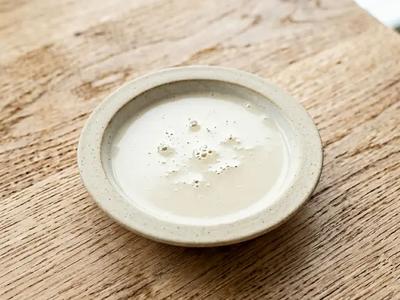
About as much protein as cow's milk, and little carbohydrate unsweetened.
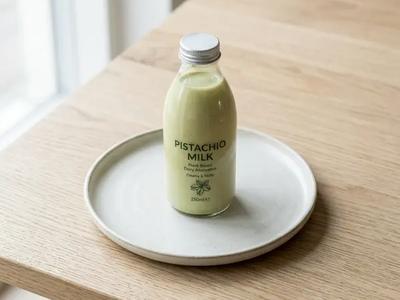
Milk-level protein with almost no carbohydrate in this library's entry.

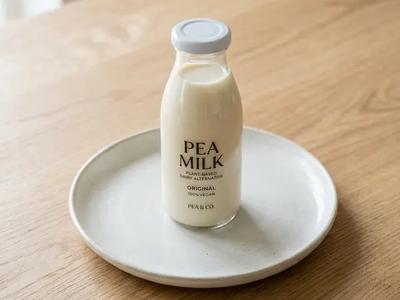
Another legume drink with milk-level protein.

Very little carbohydrate, and very little protein.

Low in carbohydrate, with a little more protein than nut drinks.

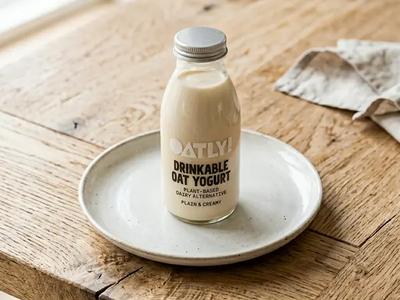
The most protein of the plant yogurts here, about 10 g per 100 g.

A plant yogurt with some protein and little sugar.

Carbohydrate close to cow's milk and little protein, so it counts like milk.
Drinks and yogurts that come closest to what dairy does in a meal, which mostly means protein; the lowest-carbohydrate options; and oat and rice drinks, which behave differently from cow's milk in ways the carton doesn't make obvious.
In this library, drinks made from nuts, seeds, soy or pea carry about 2 g of carbohydrate per 100 g or less, while oat, rice, spelt, quinoa, tigernut and banana drinks carry 6 to 9 g. USDA's figures show the same split, from unsweetened almond milk at under 1 g to unsweetened rice milk at about 9 g. The base is on the front of the carton, so it's the first thing to check.[1]
Soy, pea and lupin drinks carry about as much protein as cow's milk per 100 g in this library; almond, cashew, oat and rice drinks carry about 1 g or less. The ADA's 2026 Standards set a minimum of 71 g of protein a day in pregnancy, so if a plant drink is replacing milk in a meal, the protein line tells you whether it's doing the same job.[1] [2]
The British Nutrition Foundation, which the NHS links to for vegan pregnancy, advises choosing dairy-alternative drinks and yogurts fortified with calcium, vitamin B12, iodine and riboflavin, and notes that dairy provides around a third of UK adults' iodine. The NHS adds that some soya and oat drinks are fortified with iodine. Not all are, so check the label.[3] [4]
| Food | Carbs | Protein | Calories | Blood sugar impact |
|---|---|---|---|---|
| Almond Milk | 0.6 g | 0.5 g | 13 kcal | low |
| Cashew Milk | 1.4 g | 0.5 g | 25 kcal | low |
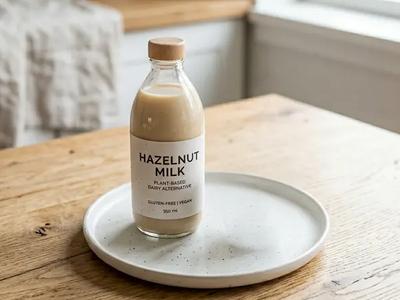
| Hazelnut Milk | 1.4 g | 0.4 g | 29 kcal | low |
| Macadamia Milk | 0.4 g | 0.4 g | 21 kcal | low |
| Hemp Milk | 0.5 g | 2 g | 30 kcal | low |
| Sesame Milk | 1.5 g | 1.2 g | 38 kcal | low |
All low in carbohydrate; hemp carries the most protein of these, at about 2 g per 100 g.
| Food | Carbs | Sugars | Protein | Blood sugar impact |
|---|---|---|---|---|
| Oat Milk | 7 g | 3.5 g | 1 g | medium |
| Rice milk Caution | 9.2 g | 5.3 g | 0.3 g | high |
| Spelt Milk | 8.5 g | 3.5 g | 1.1 g | medium |
| Quinoa milk | 6 g | 1 g | 1 g | low |
| Tigernut Milk | 7 g | 4.5 g | 0.5 g | low |
| Banana Milk | 8.5 g | 6.5 g | 0.5 g | medium |
All carry more carbohydrate than nut and seed drinks, and all carry little protein.
| Food | Carbs | Sugars | Protein | Blood sugar impact |
|---|---|---|---|---|
| Soy milk yogurt | 4 g | 1 g | 4.5 g | low |
| Pea Protein Yogurt | 6 g | 1 g | 10 g | low |
| Hemp Milk Yogurt | 3 g | 0.5 g | 7 g | low |
| Coconut Milk Yogurt | 6.2 g | 2.5 g | 1.1 g | low |
| Almond milk yogurt | 4.5 g | 0.8 g | 2.1 g | low |
| Oat milk yogurt | 12 g | 4 g | 1.5 g | medium |
Protein varies more than sugar: pea-protein and hemp yogurts carry several times what coconut and almond yogurts do.
| Food | Carbs | Sugars | Saturated fat | Blood sugar impact |
|---|---|---|---|---|
| Oat Cream | 7.2 g | 4.1 g | 1.5 g | medium |
| Soy cream | 5.5 g | 2.2 g | 2.1 g | low |
| Coconut Cream | 6.7 g | 3.3 g | 30 g | low |
| Almond cream | 5.2 g | 1 g | 1.5 g | low |
| Rice Cream | 28.5 g | 16 g | 1.2 g | high |
| Plant-Based Whipped Topping | 20.5 g | 18.2 g | 20.1 g | high |
Rice cream and whipped topping are the outliers, with several times the carbohydrate of the others.
Figures from each food's entry in this library. Open a food for its full profile and portion notes.
44 foods in this category, each rated for glycemic impact and blood sugar effect.
Track how plant-based dairy alternatives affects your blood sugar with the SugarCurve app — free to download.
Start Free Trial →For protein, soy, pea and lupin drinks, which carry about as much per 100 g as cow's milk in this library. For carbohydrate, unsweetened soy and pea carry less than cow's milk, while rice carries about twice as much by USDA's figures. None of them matches dairy's calcium, iodine or vitamin B12 unless fortified, which is why the British Nutrition Foundation advises choosing fortified versions.[1] [3]
It's not off-limits, but it isn't a low-carbohydrate swap for milk: USDA lists unsweetened oat milk at about 5 g of carbohydrate per 100 g, much like cow's milk, with under 1 g of protein. Count it the way you'd count milk, and pick an unsweetened, fortified one.[1] [3]
Not reliably. The NHS notes that plant foods contain varying amounts depending on the soil, and that some soya and oat drinks are fortified with iodine. The British Nutrition Foundation notes that iodine needs rise in pregnancy. If plant drinks are replacing dairy, check the label for iodine.[3] [4]
Rice milk carries a 'limit' flag in this library because of arsenic. The UK Food Standards Agency publishes advice on arsenic levels in rice and rice milk, and the food's own page explains the flag. It is also the highest-carbohydrate plain drink here, at about 9 g per 100 g by USDA's figures.[1] [7]
Some are. In this library, pea-protein and hemp yogurts carry 7 to 10 g of protein per 100 g and soy yogurt about 4.5 g, while coconut, almond, cashew and oat yogurts carry about 1 to 2 g. With the ADA's 2026 Standards setting a minimum of 71 g of protein a day in pregnancy, the protein line is worth checking as well as the sugar.[2]
Every pregnancy is different, and gestational diabetes is managed differently depending on your readings, your medication and how far along you are. The ratings and portions on this page are general information — not a diagnosis, a treatment plan or a medical device — and they cannot see your results.
Contact your care team the same day if: your readings stay above target for several days; you have a reading below 54 mg/dL (3.0 mmol/L) or needed someone else's help to treat a low; you test positive for ketones; or your baby is moving less than usual. Seek emergency care for confusion, fainting, repeated vomiting, or a low you cannot bring back up.
By using this guide, you agree to our Terms and Conditions. How we write, source and review this content: editorial policy.
Compiled and reviewed by Dalo Labs ApS. Numbered references in the text point to the sources below. Not endorsed by or affiliated with any referenced organization. · Last reviewed: September 7, 2026
SugarCurve plans your week, turns cravings into recipes and shows how your readings respond to what you eat, so following your care team's advice takes less guesswork, day after day.
7 days free, then a subscription. Cancel anytime before the trial ends.