Fruits & Vegetables
Most of the 84 vegetables here, the leaves, brassicas, stems and alliums, carry under 10 g of carbohydrate per 100 g; only a handful carry more. The Fruits & Vegetables guide separates out the starchy roots and covers washing, sprouts and cut melon; this guide is about the rest. It follows the American Diabetes Association's plate, which is written for diabetes in general, on what goes on half the plate and what counts as starchy. 11 of the 84 carry a pregnancy caution. Five are sprouts and microgreens, two are fermented, and the rest, fiddleheads, bitter melon, moringa and sea lettuce, each have a rule of their own. Spanish advice on raw vegetables is much stricter than British, and the guide says so where it applies.
See what works for you. Try SugarCurve free for 7 days
84 foodsLast reviewed: September 9, 2026Sources


No foods found for your search.
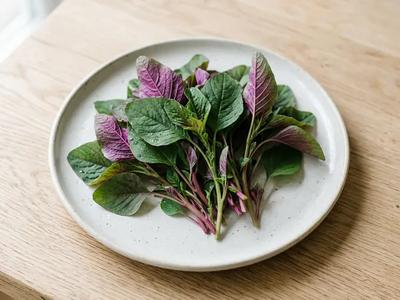
Under 4 g of carbohydrate per 100 g, on the ADA's non-starchy list, and 2.9 g of protein.
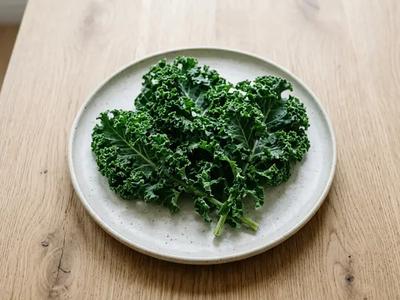
About 9 g of carbohydrate per 100 g with 3.6 g of fibre and the most protein of the leaves here.
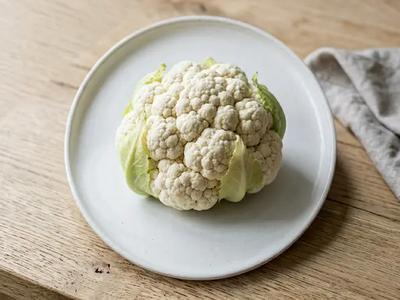
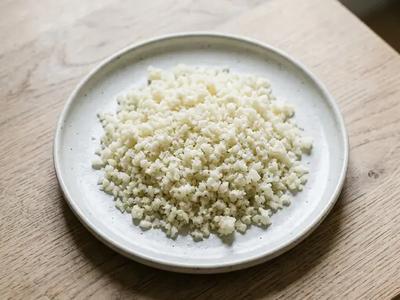
5 g of carbohydrate per 100 g; the same figures as cauliflower rice, which is just cauliflower.
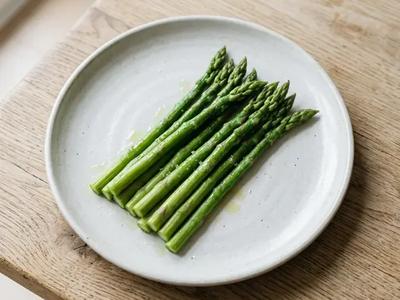
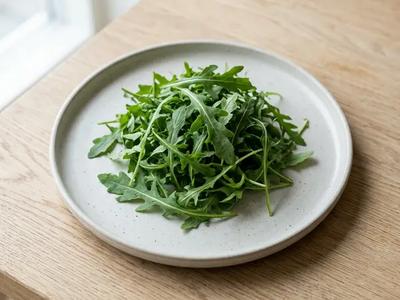
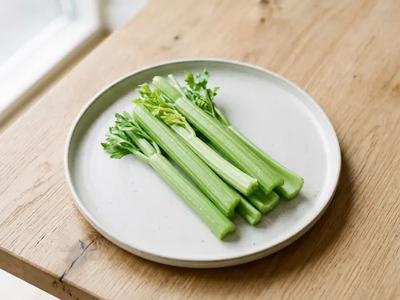
Under 4 g of carbohydrate per 100 g; on the ADA's non-starchy list.
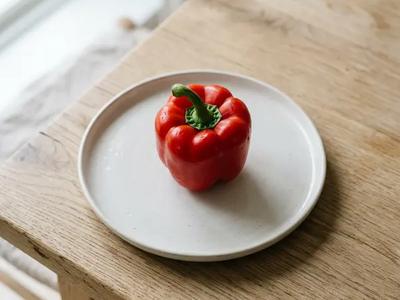
6 g of carbohydrate per 100 g, most of it sugar, with 2 g of fibre.
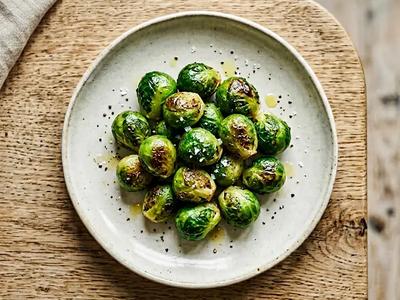
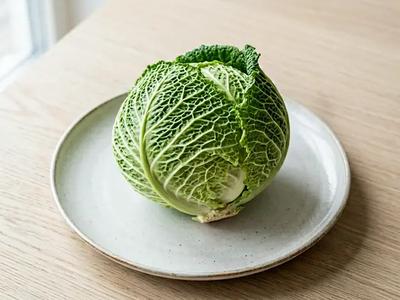
9 g of carbohydrate per 100 g with nearly 4 g of fibre; a brassica, not a sprout in the FDA's sense.
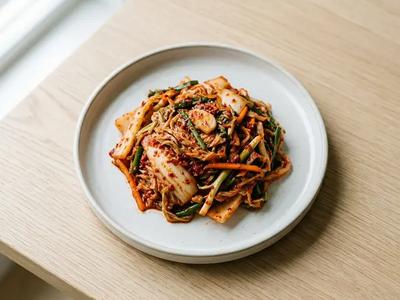
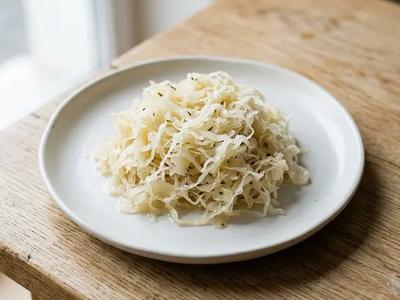
Here for its salt and its rule: about 670 mg of sodium per 100 g, and commercially made and chilled in pregnancy.

Here for its rule: boiled for 15 minutes or steamed for 10 to 12, by Health Canada's advice.
Six vegetables from the ADA's non-starchy list, picked for carbohydrate, fibre and protein, and two that are here for their rule: kimchi for salt and listeria, fiddleheads for cooking. Broccoli and peas are featured in the Fruits & Vegetables guide and aren't repeated.
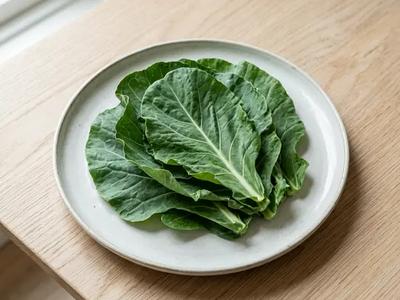
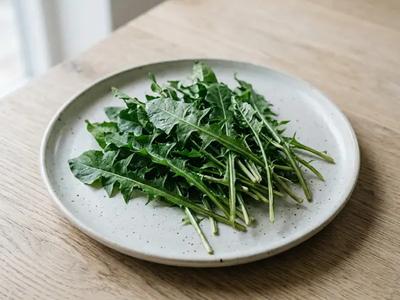
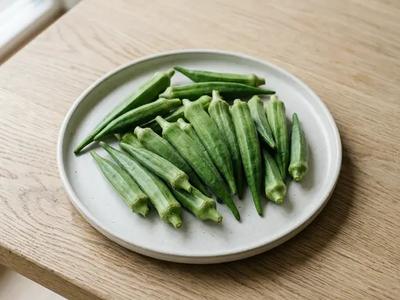
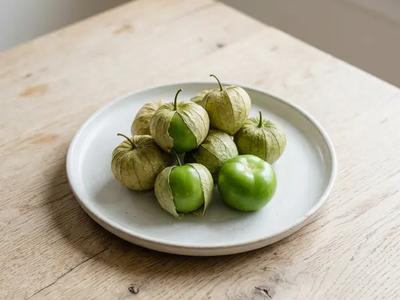
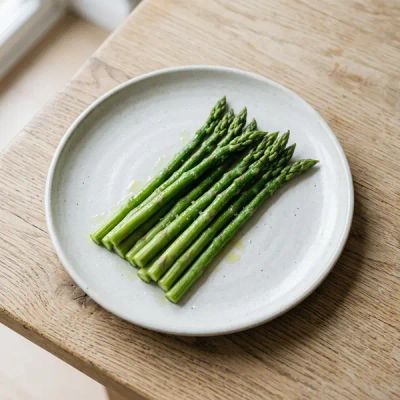
The ADA's Diabetes Plate fills half a 9-inch plate with non-starchy vegetables, a quarter with protein and a quarter with carbohydrate foods, and says the vegetable half doesn't raise blood glucose very much. Its non-starchy list covers most of this group: asparagus, broccoli, cauliflower, Brussels sprouts, cabbage, bok choy, celery, cucumber, aubergine, leafy greens, mushrooms, okra, onions, leeks, peppers, salad greens, summer squash, radish, tomatoes and tomatillos. In this library those sit between 1 and 9 g of carbohydrate per 100 g. The ADA writes for diabetes generally, not pregnancy.[1]
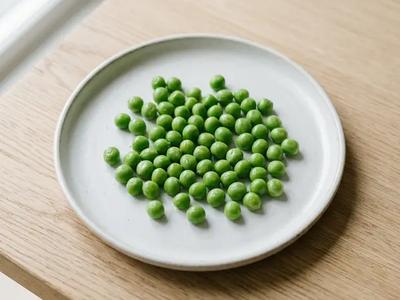
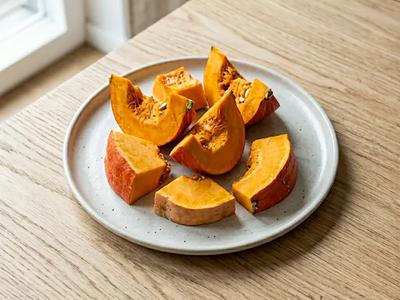
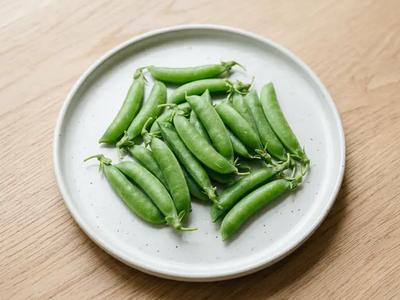
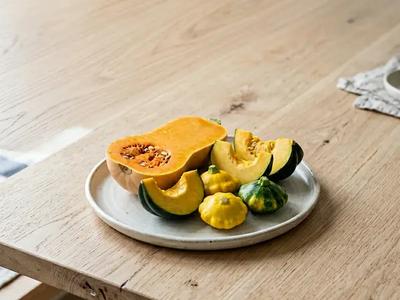
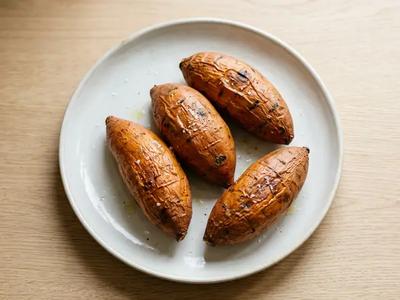
The ADA counts corn, green peas, parsnips, pumpkin, winter squash, plantains, potatoes and sweet potatoes as starchy vegetables, which go in the carbohydrate quarter of the plate with grains and beans. In this library, corn carries 21 g of carbohydrate per 100 g, sweet potato 20 g, parsnip 18 g and peas 14.5 g, against under 7 g for broccoli. Pumpkin is the odd one: the ADA calls it starchy, but the pumpkin here lists only 6.5 g.[1]
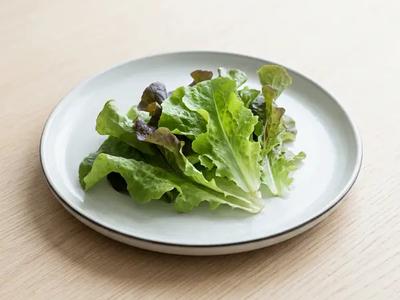
The NHS says to wash salad vegetables such as lettuce and tomatoes thoroughly, because soil can carry bacteria, and lists pre-packaged salads among the foods to be careful with: keep them chilled and eat them by the use-by date, because ready-to-eat produce can carry listeria. Spain's pregnancy advice goes much further, asking for raw fruit and vegetables to be washed and disinfected and for bagged salads and salads eaten out to be avoided; the Spanish page says so.[2]
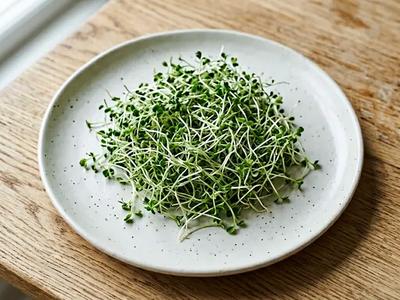
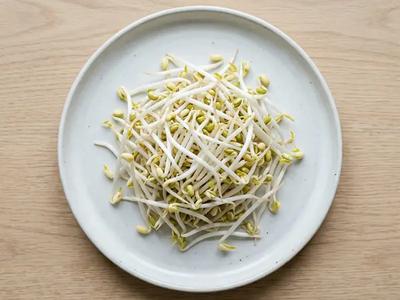
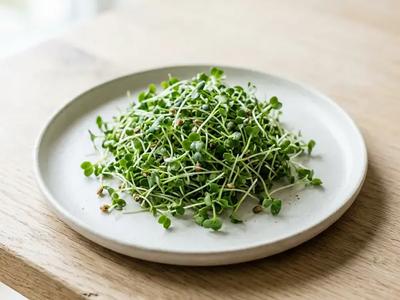
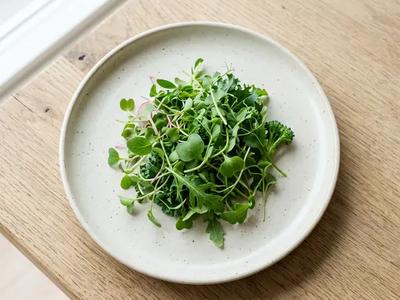
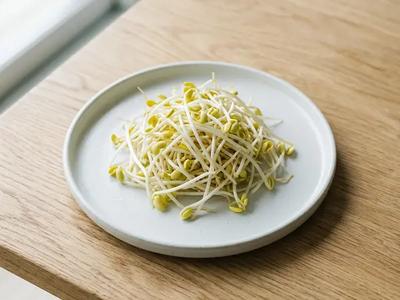
The FDA advises pregnant women to avoid raw or lightly cooked sprouts of any kind, and this library marks alfalfa, mung bean, broccoli and soybean sprouts to eat cooked until steaming hot. Microgreens are cut above the growing surface rather than eaten whole. Quebec's food safety page groups them with sprouts as raw foods that can carry harmful bacteria, and says to rinse them; its instruction not to eat raw sprouts in pregnancy is for sprouts only. The microgreens page here says washed just before eating, or cooked.[2] [3] [4]
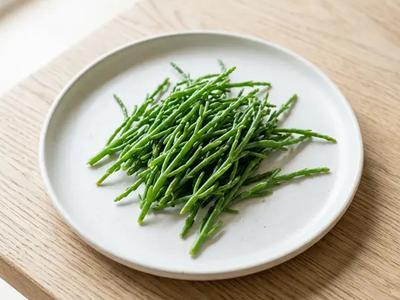
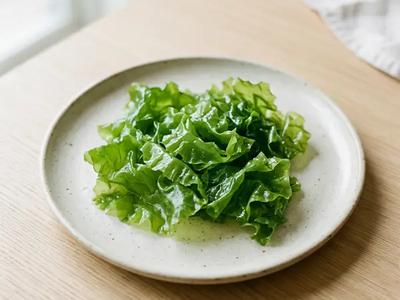
Most vegetables here list under 100 mg of sodium per 100 g. Kimchi and sauerkraut list about 660 to 670 mg, samphire 1,200 mg and sea lettuce 2,600 mg, against the NHS's 6 g of salt a day, which is about 2.4 g of sodium. The kimchi and sauerkraut pages carry a listeria condition, commercially made and refrigerated or else heated through; that is this library's own rule, as the NHS page doesn't name fermented vegetables.[2] [5]
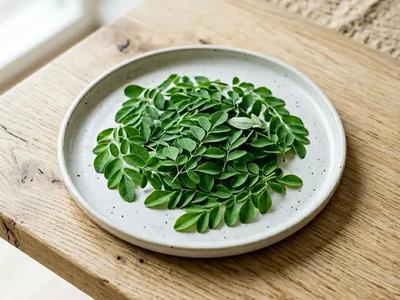
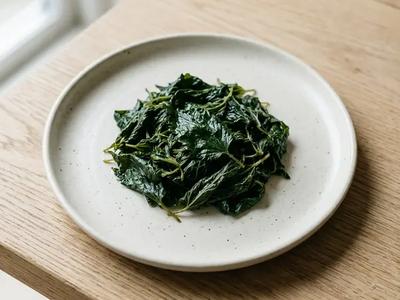
Health Canada says to boil fiddleheads for 15 minutes or steam them for 10 to 12, and to discard the water, after outbreaks from raw or undercooked fiddleheads since 1994. The NIH's LiverTox says bitter melon, as a medicinal extract, is a potential abortifacient and should not be used in pregnancy; the page here allows small cooked amounts and rules out juice, teas and extracts, which is the library's own line. Moringa leaf powders and extracts fall under the NHS's advice not to take herbal medicines in pregnancy; its cooked leaves are marked here on the library's judgement. Sea lettuce carries iodine, and the British Dietetic Association's seaweed advice applies.[6] [7] [8] [9]
| Food | Carbs | Fiber | Protein | Blood sugar impact |
|---|---|---|---|---|
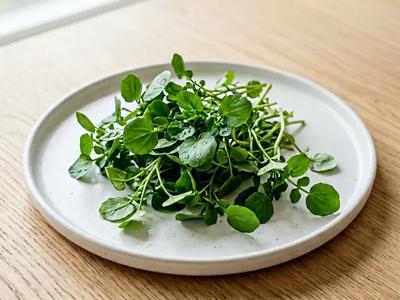
| Watercress | 1.3 g | 0.5 g | 2.3 g | low |
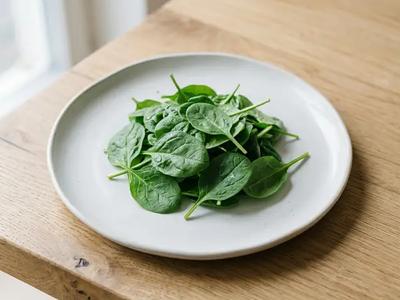
| Spinach | 3.6 g | 2.2 g | 2.9 g | low |
| Lettuce | 2.9 g | 1.3 g | 1.4 g | low |
| Cauliflower | 5 g | 2 g | 1.9 g | low |
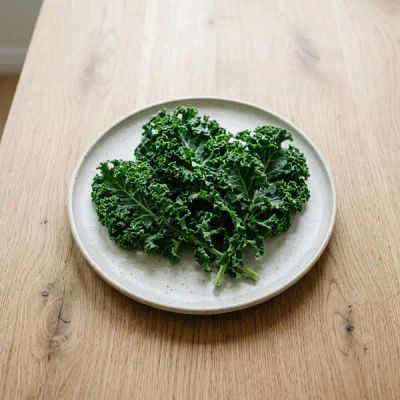
| Kale | 8.8 g | 3.6 g | 4.3 g | low |
| Brussels sprouts | 9 g | 3.8 g | 3.4 g | low |
From 1.3 g of carbohydrate per 100 g in watercress to 9 g in Brussels sprouts; kale carries the most protein, 4.3 g.
| Food | Carbs | Sugars | Fiber | Blood sugar impact |
|---|---|---|---|---|
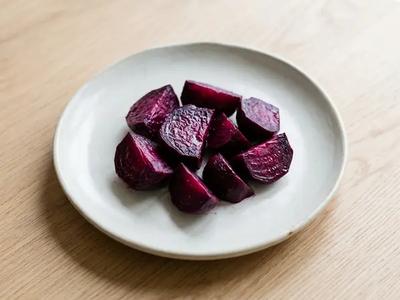
| Beet | 9.6 g | 6.8 g | 2.8 g | medium |
| Pea | 14.5 g | 5.7 g | 5.7 g | medium |
| Parsnip | 18 g | 4.8 g | 4.9 g | high |
| Sweet Potato | 20.1 g | 4.2 g | 3 g | medium |
| Corn | 21 g | 4.5 g | 2.4 g | medium |
| Pumpkin | 6.5 g | 2.8 g | 0.5 g | high |
Corn, sweet potato and parsnip carry 18 to 21 g of carbohydrate per 100 g; the pumpkin here only 6.5 g.
| Food | Carbs | Sugars | Fiber | Blood sugar impact |
|---|---|---|---|---|
| Scallions (Green Onions) | 7.3 g | 2.3 g | 2.6 g | low |
| Onion | 9.3 g | 4.2 g | 1.7 g | low |
| Leek | 14.2 g | 3.9 g | 1.8 g | low |
| Shallot | 16.8 g | 7.9 g | 3.2 g | low |
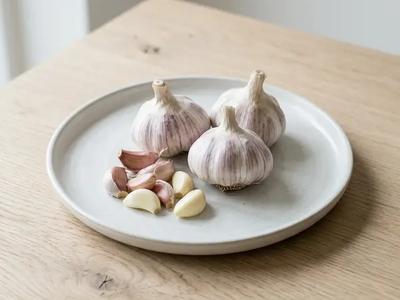
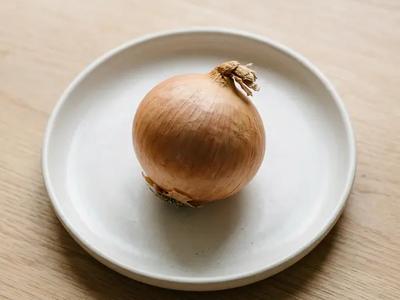
| Garlic | 33.1 g | 1 g | 2.1 g | low |
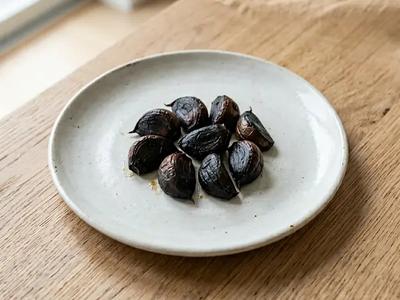
| Black Garlic | 35 g | 25.2 g | 2.1 g | medium |
Garlic lists 33 g of carbohydrate per 100 g, but a clove weighs a few grams; black garlic's 35 g is mostly sugar.
| Food | Sodium | Carbs | Blood sugar impact |
|---|---|---|---|
| Celery | 80 mg | 3 g | low |
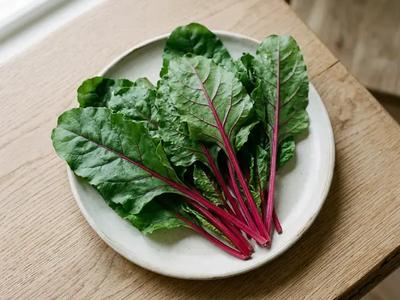
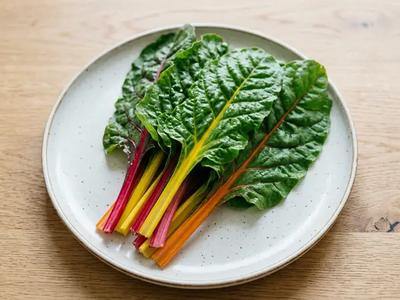
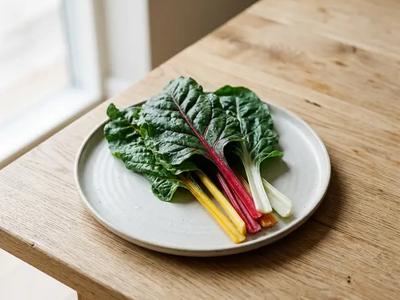
| Chard | 213 mg | 3.7 g | low |
| Kimchi Caution | 670 mg | 3.5 g | low |
| Sauerkraut Caution | 661 mg | 4.3 g | low |
| Sea Beans (Samphire) | 1,200 mg | 3.2 g | low |
| Sea Lettuce Caution | 2,600 mg | 6.1 g | low |
From 80 mg of sodium per 100 g in celery to 2,600 mg in sea lettuce.
Figures from each food's entry in this library. Open a food for its full profile and portion notes.
84 foods in this category, each rated for glycemic impact and blood sugar effect.
Track how vegetables affects your blood sugar with the SugarCurve app — free to download.
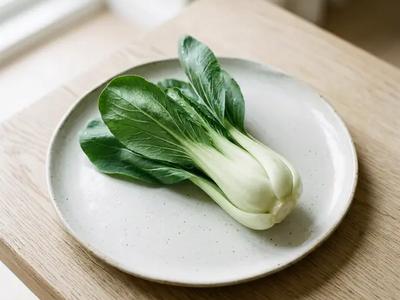
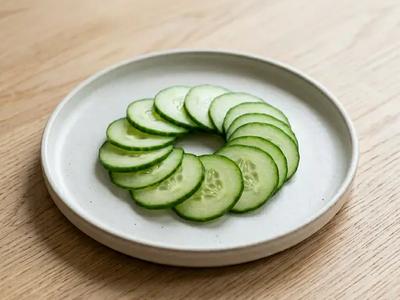
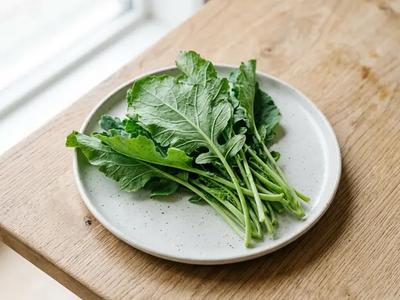
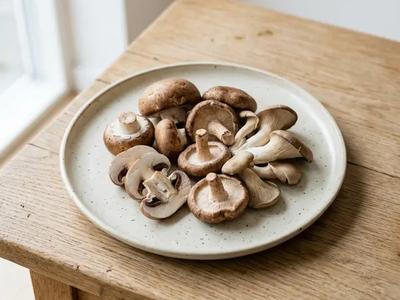
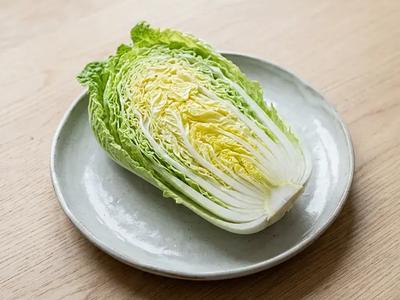
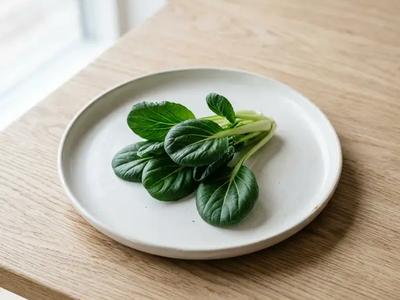
Start Free Trial →In this library, watercress, bok choy, lettuce, celery, courgette, cucumber, spinach and mushrooms all list under 4 g of carbohydrate per 100 g. They are the vegetables the ADA's Diabetes Plate puts on half the plate, in advice written for diabetes in general.[1]
By the NHS's advice, yes, kept chilled and eaten by the use-by date, and it says to wash salad vegetables thoroughly. Spain's pregnancy advice says to avoid bagged salads unless you wash and disinfect them yourself. Follow your own country's advice.[2]
The pages here say commercially made and refrigerated, eaten well within its date, or otherwise heated until steaming hot. That is this library's rule; the NHS's foods-to-avoid page doesn't name fermented vegetables. Both also carry about 660 to 670 mg of sodium per 100 g.[2] [5]
Every pregnancy is different, and gestational diabetes is managed differently depending on your readings, your medication and how far along you are. The ratings and portions on this page are general information — not a diagnosis, a treatment plan or a medical device — and they cannot see your results.
Contact your care team the same day if: your readings stay above target for several days; you have a reading below 54 mg/dL (3.0 mmol/L) or needed someone else's help to treat a low; you test positive for ketones; or your baby is moving less than usual. Seek emergency care for confusion, fainting, repeated vomiting, or a low you cannot bring back up.
By using this guide, you agree to our Terms and Conditions. How we write, source and review this content: editorial policy.
Compiled and reviewed by Dalo Labs ApS. Numbered references in the text point to the sources below. Not endorsed by or affiliated with any referenced organization. · Last reviewed: September 9, 2026
SugarCurve plans your week, turns cravings into recipes and shows how your readings respond to what you eat, so following your care team's advice takes less guesswork, day after day.
7 days free, then a subscription. Cancel anytime before the trial ends.