Fruits & Vegetables
Potatoes, yams, cassava and plantain are the starch in a meal, not a vegetable portion, as the Fruits & Vegetables guide says. This guide ranks the 35 foods in that group, from konjac at 3 g of carbohydrate per 100 g to tapioca at 89 g, and sorts them into three kinds: the roots that stand in for bread or rice, the squashes and roots that are nearer vegetables, and the starches and flours used by the spoonful. It also covers how cooking changes a potato, with USDA's figures, and the two safety points in the group: cassava has to be prepared to remove cyanide, and green or sprouting potatoes should be thrown away. Three foods carry a pregnancy caution: cassava, yuca, which is the same plant, and burdock root.
See what works for you. Try SugarCurve free for 7 days
35 foodsLast reviewed: August 27, 2026Sources



No foods found for your search.
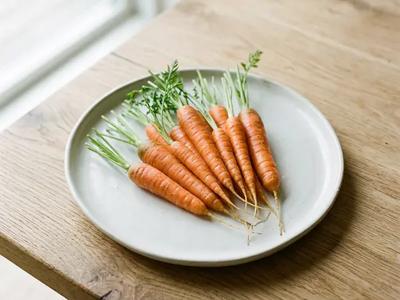
9.6 g of carbohydrate per 100 g with 2.8 g of fibre, half a potato's carbohydrate.
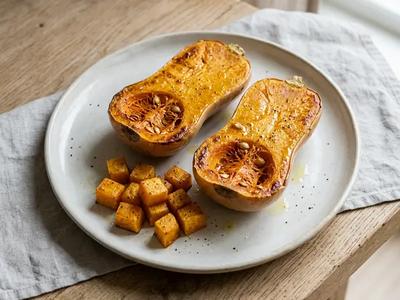
11.7 g of carbohydrate per 100 g, half a potato's, though the ADA files winter squash as starchy.
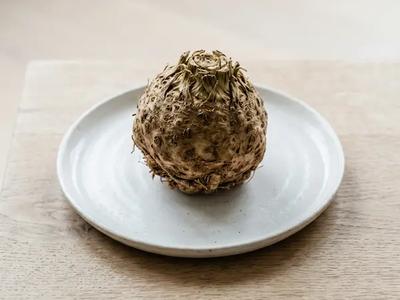
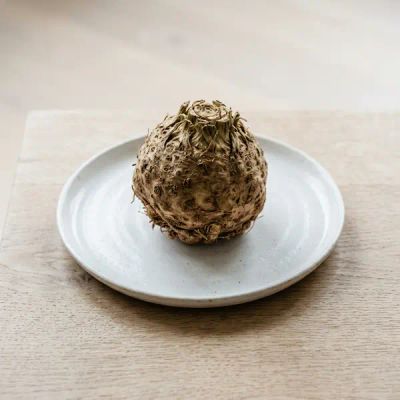
9.2 g of carbohydrate per 100 g; a root that mashes like potato at half the carbohydrate.
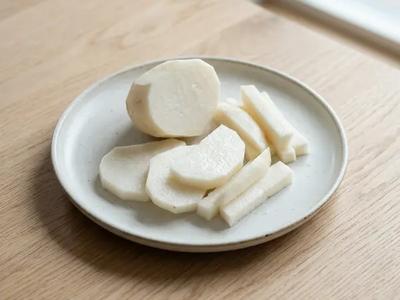
8.8 g of carbohydrate per 100 g, 4.9 g of it fibre.
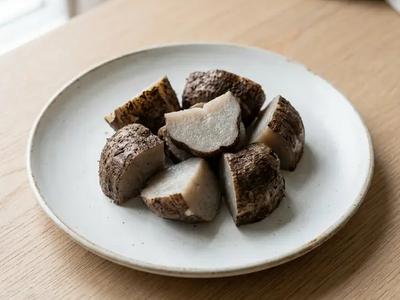
3 g of carbohydrate per 100 g, almost all fibre; the lowest in the group.
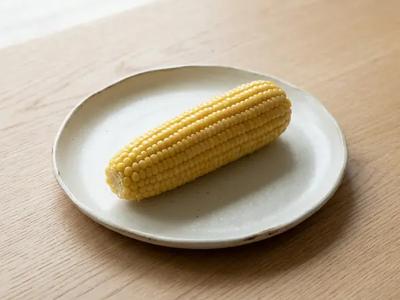
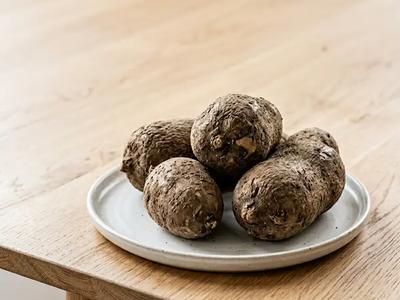
21 g of carbohydrate per 100 g; on the ADA's starchy list, so a carbohydrate portion, not a vegetable one.
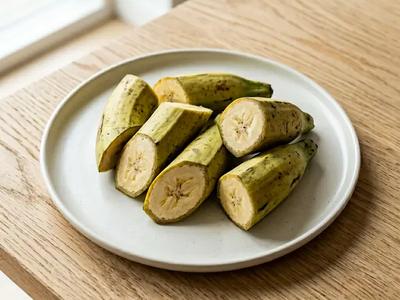
Here for the ranking: 32 g of carbohydrate per 100 g, nearly twice potato's, with 15 g of sugar.
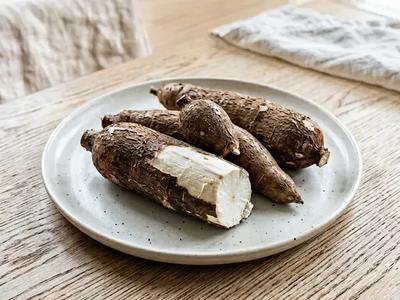
Here for its rule: peeled and cooked through, never raw, and bitter cassava soaked as well.
Five roots and squashes that sit nearer vegetables, corn for where the ADA files it, plantains for the ranking, and cassava for its rule. Potatoes and peas are featured in the Fruits & Vegetables guide and aren't repeated.
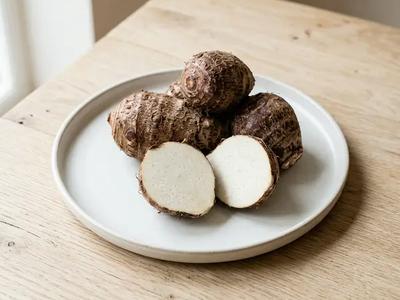
The ADA's Diabetes Plate puts potatoes, sweet potatoes, plantains, corn, peas, parsnips, pumpkin and winter squash in the carbohydrate quarter of the plate, in advice written for diabetes in general. In this library, potatoes carry 17.5 g of carbohydrate per 100 g, taro 26.5 g, yams 28 g, plantains 32 g and cassava 38 g, so a plate of cassava carries about twice the carbohydrate of the same plate of potato. The NHS's rule of thumb is that starchy foods make up just over a third of what you eat.[1] [2]
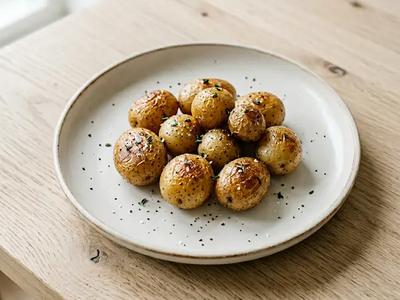
USDA lists potatoes boiled in their skin at 20 g of carbohydrate per 100 g and baked at 21 g, mashed with milk and butter at 17 g of carbohydrate but 4 g of fat, and fast-food fries at 41 g of carbohydrate and 15 g of fat, because frying removes water and adds oil. The NHS counts potatoes boiled, baked, mashed or roasted with a little fat as a healthy choice, says to leave the skins on for the fibre, and says chips cooked in oil or served with salt are not. Diabetes UK adds that cooking and processing change a food's glycemic index, in advice for diabetes generally.[2] [3] [4]
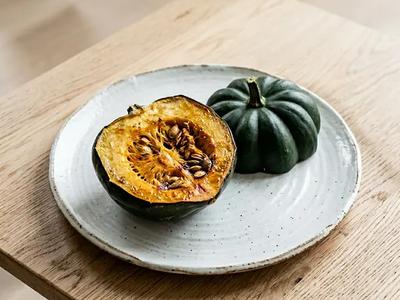
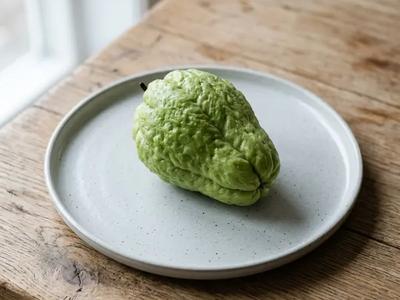
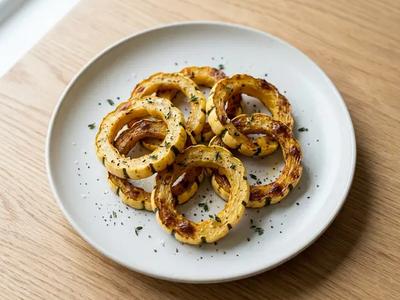
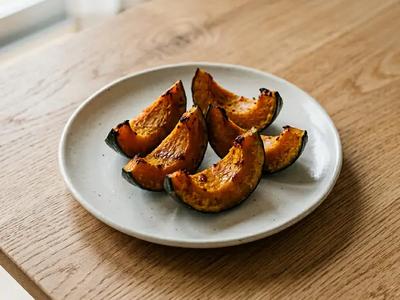
The ADA counts winter squash as starchy, but in this library butternut carries 11.7 g of carbohydrate per 100 g, acorn 10.5 g and kabocha 8.6 g, with carrots at 9.6 g, celeriac 9.2 g and jicama 8.8 g. That is half a potato's, and the NHS counts sweet potatoes, parsnips, swedes and turnips towards 5 A Day where it doesn't count potatoes. Spaghetti squash and chayote, at 7 g and 4.5 g, sit with the vegetables.[1] [5] [6]
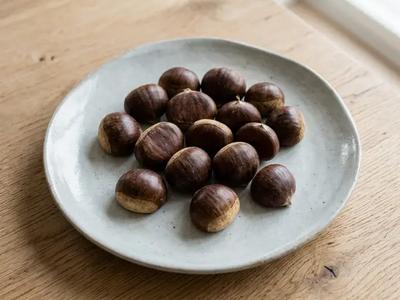
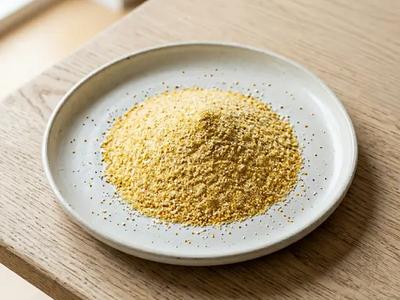
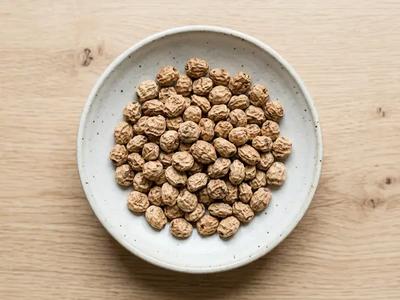
Tapioca and arrowroot list 88 to 89 g of carbohydrate per 100 g in this library and in USDA's tables, and cornmeal 77 g; they are near-pure starch, so what matters is how much a recipe uses: a spoonful to thicken a sauce, or a bowlful as a pudding. Tiger nuts and chestnuts also sit here at 53 to 64 g, though tiger nuts carry 33 g of fibre; the Nuts, Seeds & Butters guide covers them.[3]
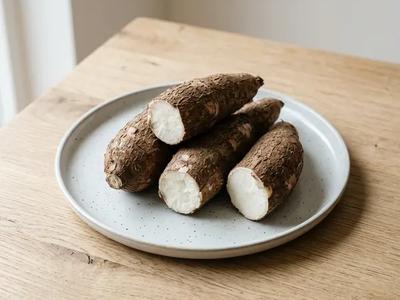
Cassava contains cyanide-forming compounds. Canada's food inspection agency defines sweet cassava as under 50 mg of cyanide per kilo, which cooking makes safe, and bitter cassava as above that, which needs grating, prolonged soaking and cooking. The cassava and yuca pages here, the same root under two names, say peeled and cooked right through, never raw, and to avoid bitter cassava or cassava flour of unknown origin. The agency names no at-risk group; the rule is for everyone.[7]
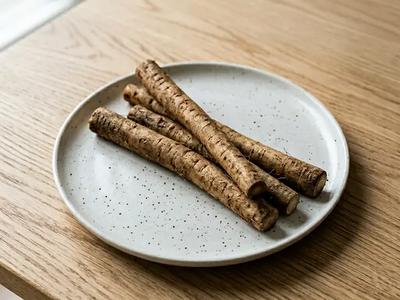
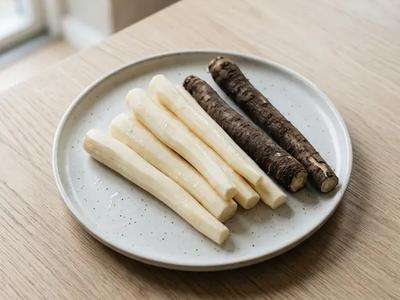
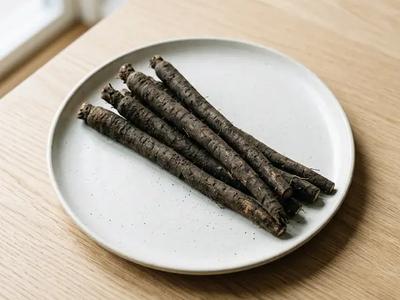
Potatoes make glycoalkaloids, and Canada's food inspection agency says to avoid potatoes that show greening, damage, rotting or sprouting. It's a general rule, not a pregnancy one. Burdock root, the other cautioned food here, is fine as the cooked vegetable; its teas and tinctures fall under the NHS's advice not to take herbal medicines in pregnancy.[7] [8]
| Food | Carbs | Fiber | Sugars | Blood sugar impact |
|---|---|---|---|---|
| Potatoes | 17.5 g | 2.2 g | 0.8 g | high |
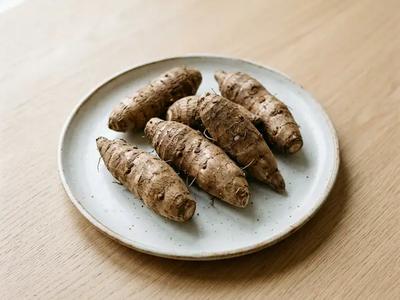
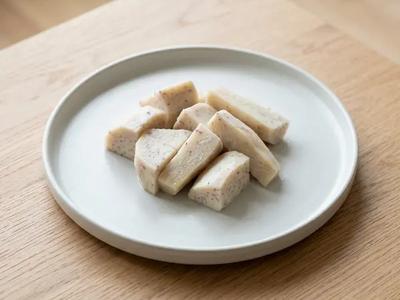
| Taro | 26.5 g | 4.1 g | 0.5 g | medium |
| Yams | 27.9 g | 4.1 g | 0.5 g | medium |
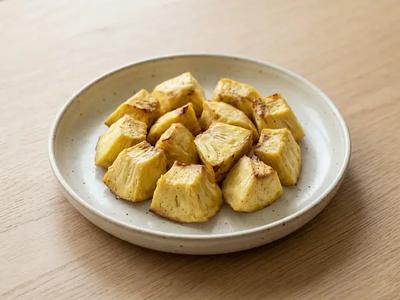
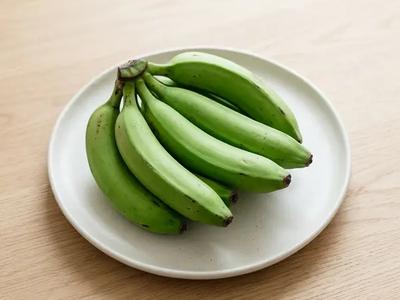
| Green bananas (cooking bananas) | 31.9 g | 2.6 g | 1.2 g | low |
| Plantains | 32 g | 2.3 g | 15 g | medium |
| Cassava Caution | 38.1 g | 1.8 g | 1.7 g | high |
From 17.5 g of carbohydrate per 100 g in potatoes to 38 g in cassava; plantains carry 15 g of sugar, green bananas 1 g.
| Food | Carbs | Fiber | Sugars | Blood sugar impact |
|---|---|---|---|---|
| Jicama | 8.8 g | 4.9 g | 1.8 g | low |
| Celeriac (celery root) | 9.2 g | 1.8 g | 1.6 g | low |
| Carrots | 9.6 g | 2.8 g | 4.7 g | low |
| Acorn Squash | 10.5 g | 1.5 g | 2.2 g | medium |
| Butternut squash | 11.7 g | 2 g | 2.2 g | medium |
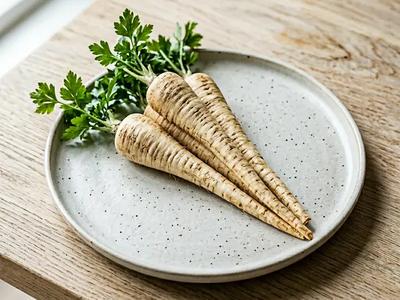
| Parsley Root | 12.2 g | 4.3 g | 0.9 g | medium |
All six sit between 8.8 and 12.2 g of carbohydrate per 100 g; jicama carries the most fibre for its carbohydrate.
| Food | Carbs | Fiber | Sugars | Blood sugar impact |
|---|---|---|---|---|
| Konjac (Elephant Yam) | 3 g | 2.9 g | 0.1 g | low |
| Chayote (mature) | 4.5 g | 1.7 g | 1.7 g | low |
| Spaghetti Squash | 7 g | 1.5 g | 2.8 g | low |
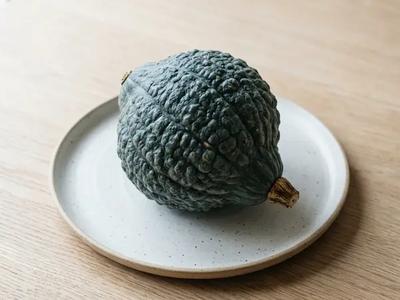
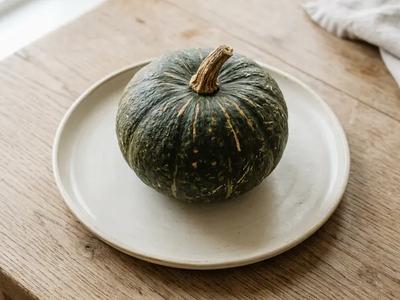
| Kabocha Squash (Japanese Pumpkin) | 8.6 g | 1.5 g | 2.2 g | low |
| Water Chestnuts | 19 g | 3 g | 4.8 g | low |
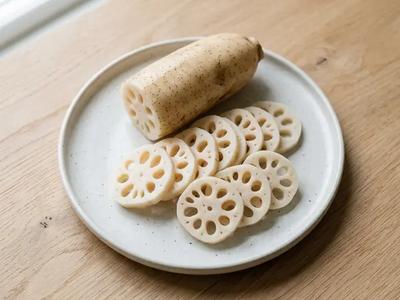
| Lotus Root | 17.2 g | 4.9 g | 0.5 g | low |
Konjac lists 3 g of carbohydrate per 100 g, nearly all fibre; lotus root and water chestnuts 17 to 19 g.
| Food | Carbs | Fiber | Calories | Blood sugar impact |
|---|---|---|---|---|
| Cornmeal | 76.9 g | 7.3 g | 362 kcal | high |
| Tapioca | 88.7 g | 0.9 g | 358 kcal | high |
| Arrowroot | 88.2 g | 3.4 g | 357 kcal | high |
| Chestnuts | 53 g | 5.1 g | 245 kcal | medium |
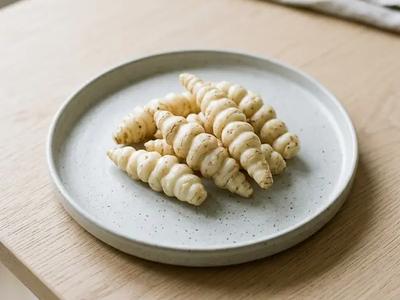
| Tiger Nuts | 64 g | 33 g | 435 kcal | low |
Tapioca and arrowroot carry 88 to 89 g of carbohydrate per 100 g; tiger nuts 64 g, of which 33 g is fibre.
Figures from each food's entry in this library. Open a food for its full profile and portion notes.
35 foods in this category, each rated for glycemic impact and blood sugar effect.
Track how starchy veggies and roots affects your blood sugar with the SugarCurve app — free to download.
Start Free Trial →Potatoes are a starchy food, on the ADA's carbohydrate quarter of the plate and outside the NHS's 5 A Day, at 17.5 g of carbohydrate per 100 g here. How they're cooked matters: USDA lists boiled potatoes at 20 g of carbohydrate per 100 g and fast-food fries at 41 g with 15 g of fat. Your dietitian can say what portion fits your plan.[1] [3]
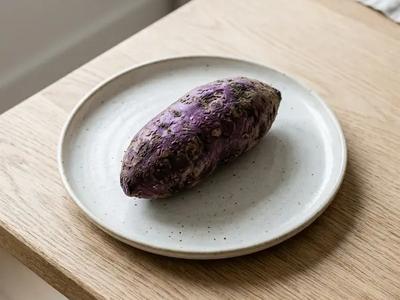
It carries slightly more carbohydrate here, 20.1 g per 100 g against 17.5 g, with more fibre and more sugar: USDA's baked sweet potato lists 6.5 g of sugar against 1.2 g for a baked potato. The NHS counts sweet potato towards 5 A Day and potato not, but the ADA files both as starchy. Neither is free of carbohydrate.[1] [3] [5]
Cooked properly, and the rule is for everyone, not only pregnancy. Sweet cassava needs cooking; bitter cassava needs grating, soaking and cooking, by Canada's food inspection agency. The pages here say peeled and cooked right through, never raw.[7]
Every pregnancy is different, and gestational diabetes is managed differently depending on your readings, your medication and how far along you are. The ratings and portions on this page are general information — not a diagnosis, a treatment plan or a medical device — and they cannot see your results.
Contact your care team the same day if: your readings stay above target for several days; you have a reading below 54 mg/dL (3.0 mmol/L) or needed someone else's help to treat a low; you test positive for ketones; or your baby is moving less than usual. Seek emergency care for confusion, fainting, repeated vomiting, or a low you cannot bring back up.
By using this guide, you agree to our Terms and Conditions. How we write, source and review this content: editorial policy.
Compiled and reviewed by Dalo Labs ApS. Numbered references in the text point to the sources below. Not endorsed by or affiliated with any referenced organization. · Last reviewed: August 27, 2026
SugarCurve plans your week, turns cravings into recipes and shows how your readings respond to what you eat, so following your care team's advice takes less guesswork, day after day.
7 days free, then a subscription. Cancel anytime before the trial ends.