Fruits & Vegetables
Beans and lentils carry carbohydrate that comes with fibre and protein, and they are on the ADA's list of whole foods for pregnancy with diabetes; the Fruits & Vegetables guide makes that case. This guide is the practical side: why the figure on a packet of dry lentils is three times the one on the plate, what a tin adds in salt and what rinsing takes back, what baked beans carry, how bean pastas compare, and the one real safety rule in the group, which is about cooking dried kidney beans. None of the 38 foods here carries a pregnancy caution. The lectin rule isn't a pregnancy rule; it applies to everyone, and the FDA's account of it is the one used here. Three of the entries are in dry or roasted form, and the guide says which.
See what works for you. Try SugarCurve free for 7 days
38 foodsLast reviewed: August 18, 2026Sources

No foods found for your search.
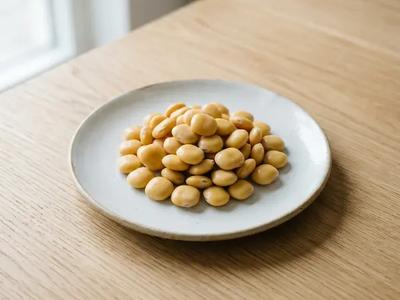
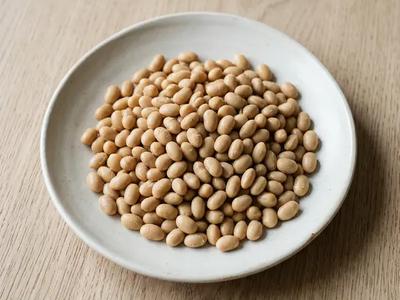
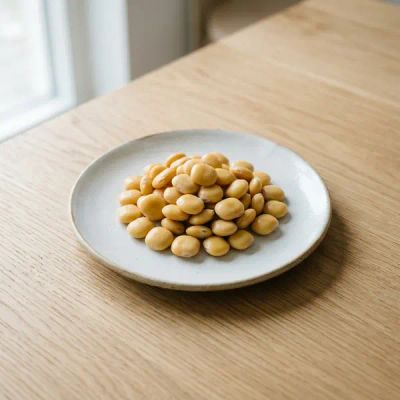
The lowest-carbohydrate pulse here, 9.9 g per 100 g, with 15.6 g of protein.
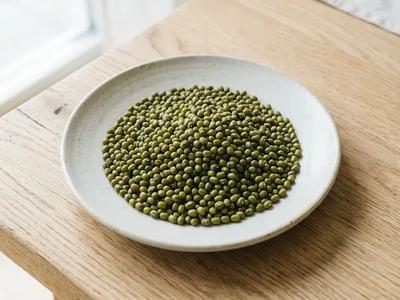
About 19 g of carbohydrate and 7.6 g of fibre per 100 g cooked.
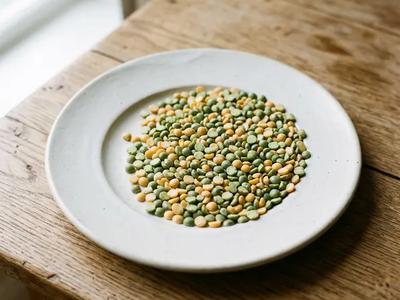
About 21 g of carbohydrate with 8.3 g of fibre per 100 g.
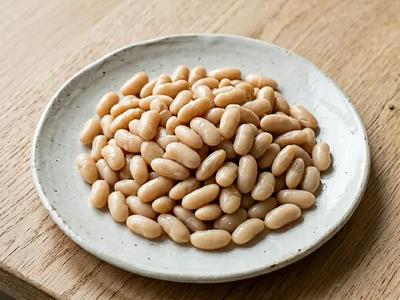
About 24 g of carbohydrate and 7.3 g of fibre per 100 g, listed cooked with 4 mg of sodium.
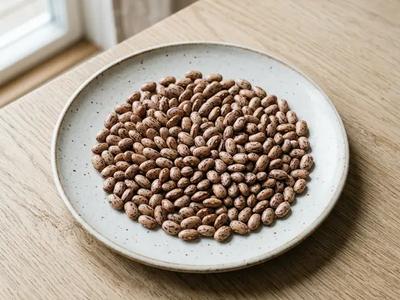
The most fibre of the cooked beans here, 9 g per 100 g.
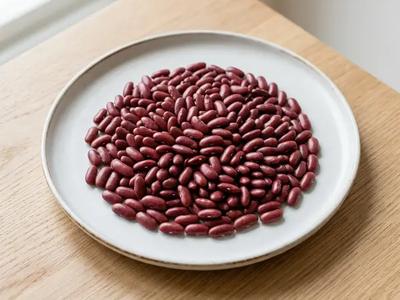
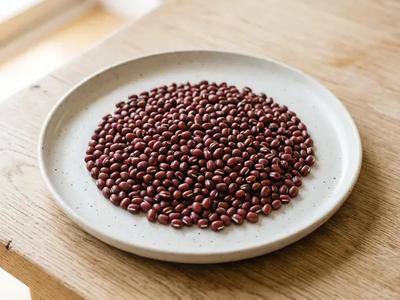
The same bean as kidney beans, listed cooked from dry: 1 mg of sodium against 230 mg tinned.
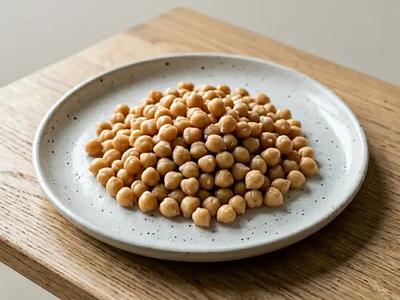
Here for the tin: 310 mg of sodium per 100 g, and rinsing takes back only some of it.
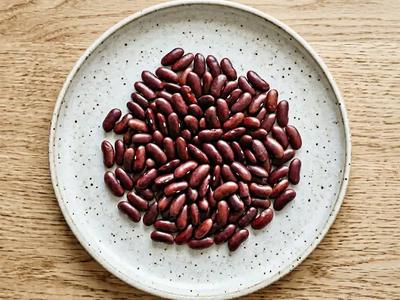
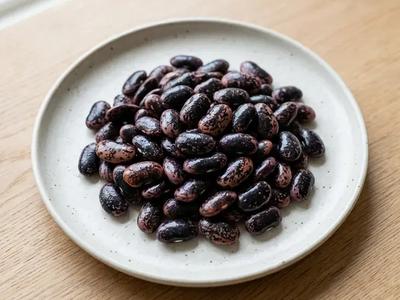
Here for the rule: dried kidney beans need soaking and 30 minutes at a hard boil, never a slow cooker.
Five cooked pulses picked for carbohydrate and fibre, red beans as the unsalted twin of kidney beans, tinned chickpeas for the salt, and kidney beans for the lectin rule. Lentils and black beans are featured in the Fruits & Vegetables guide and aren't repeated.
USDA lists dried kidney beans at 61 g of carbohydrate per 100 g raw and 22.8 g cooked, and chickpeas at 63 g raw and 27 g cooked, because cooking roughly triples the weight with water. Almost every legume in this library is listed cooked, at 19 to 26 g. The exceptions are urad dal at 59 g, roasted black beans at 60 g and roasted dry edamame at 30 g, which are dry or roasted figures. Weigh dry pulses before cooking if you count carbohydrate from the packet, and after if you count from this library.[1]
USDA lists tinned chickpeas, drained, at 246 mg of sodium per 100 g, and drained and rinsed at 212 mg; kidney beans cooked without salt carry 2 mg and tinned, drained, 231 mg. Rinsing helps a little, not a lot. In this library, the white beans, butter beans and chickpeas listed at 240 to 310 mg of sodium are tinned figures, and the red beans at 1 mg are cooked from dry. The NHS's limit is 6 g of salt a day, about 2.4 g of sodium.[1] [2]
There are no baked beans in this library, so USDA stands in: plain canned baked beans carry 21 g of carbohydrate per 100 g, of which 8 g is sugar, and 343 mg of sodium, against under 1 g of sugar in plain cooked beans. The sauce is where both come from, so the label's sugars and salt lines are the ones to read.[1]
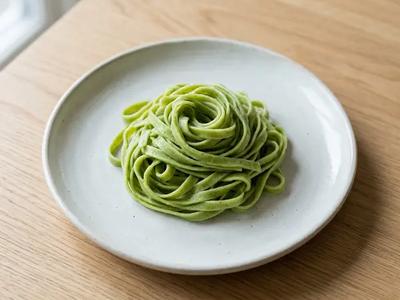
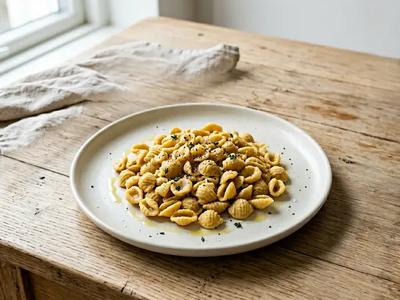
The lupin, edamame and black bean pastas here carry 16 to 35 g of carbohydrate per 100 g with 14 to 18 g of fibre and 16 to 45 g of protein. Two of the three are listed at 340 to 360 kcal, which are dry-packet figures, while the lupin pasta's 140 kcal looks cooked, so the three don't compare cleanly; the table below shows them as listed.[1]
Raw and undercooked kidney beans contain a lectin that the FDA says can cause severe vomiting from as few as four or five beans. Its advice: soak for at least 5 hours, pour the water away, and boil in fresh water for at least 30 minutes; slow cookers don't get hot enough and shouldn't be used. Tinned kidney beans are already cooked. Denmark's food agency applies the same rule to runner, lima, broad, black and white beans, with a 12-hour soak.[3]
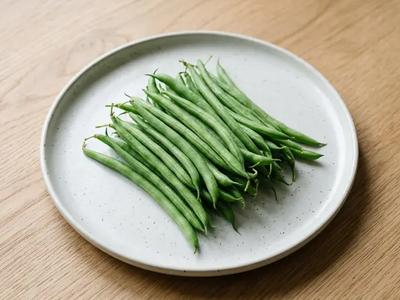
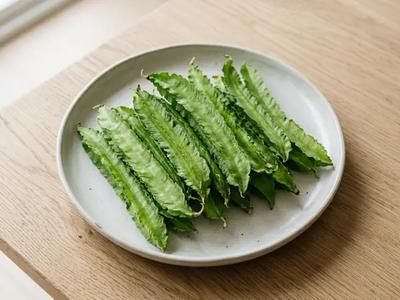
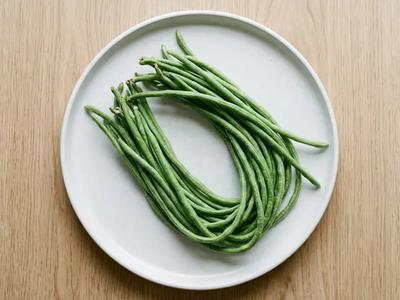
The NHS counts 80 g of beans or pulses as one of your 5 A Day, and only once however many you eat, because they carry fewer nutrients than other fruit and vegetables. Green beans aren't pulses in that rule; they're vegetables, at 7 g of carbohydrate per 100 g here, and count each time. Yardlong and winged beans sit with them.[4] [5]
| Food | Carbs | Fiber | Protein | Blood sugar impact |
|---|---|---|---|---|
| Lupins | 9.9 g | 4.6 g | 15.6 g | low |
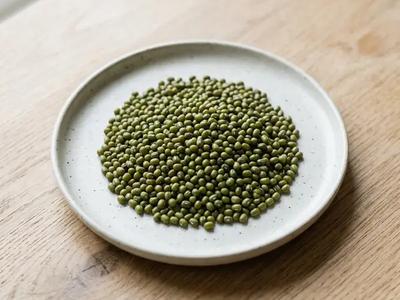
| Mung beans | 19.1 g | 7.6 g | 7 g | low |
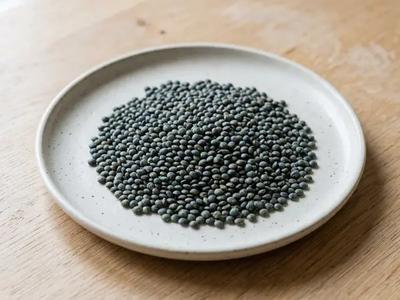
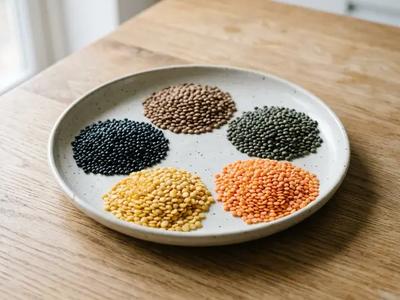
| Lentils (Brown, Green, Red, Yellow, Black) | 20.1 g | 7.9 g | 9 g | low |
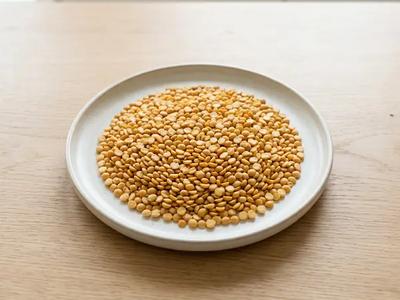
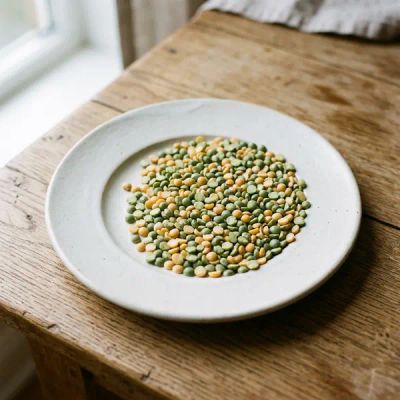
| Split Peas (Green and Yellow) | 21.2 g | 8.3 g | 8.1 g | low |
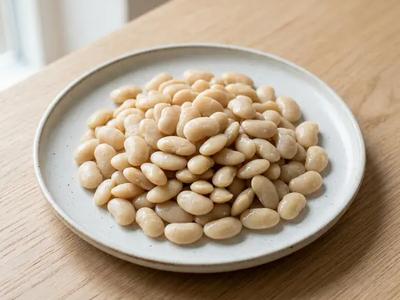
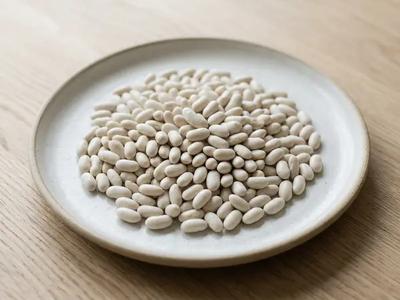
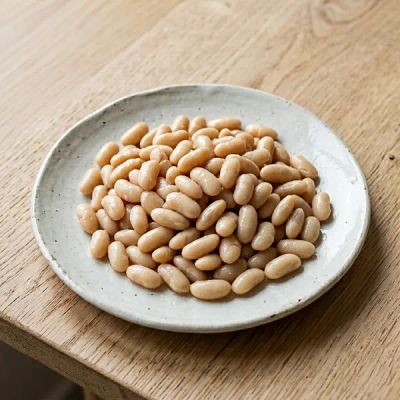
| Cannellini Beans | 23.6 g | 7.3 g | 8.7 g | low |
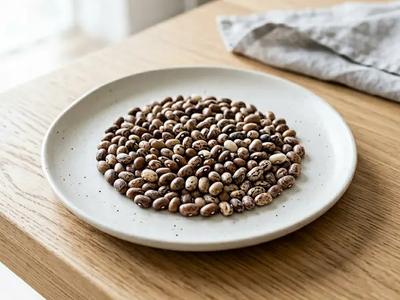
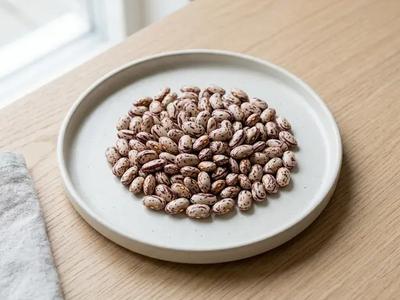
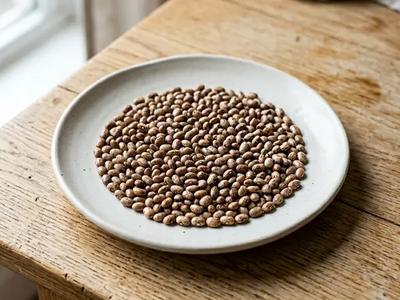
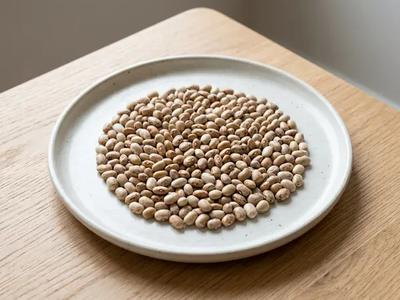
| Pinto Beans | 26.2 g | 9 g | 9 g | low |
From 9.9 g of carbohydrate per 100 g in lupins to 26 g in pinto beans, which also carry the most fibre, 9 g.
| Food | Sodium | Carbs | Fiber | Blood sugar impact |
|---|---|---|---|---|
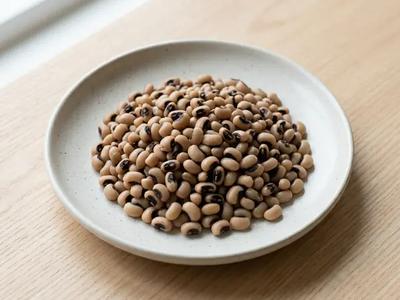
| Red Beans | 1 mg | 22.8 g | 6.4 g | low |
| Kidney Beans | 230 mg | 22.8 g | 6.4 g | low |
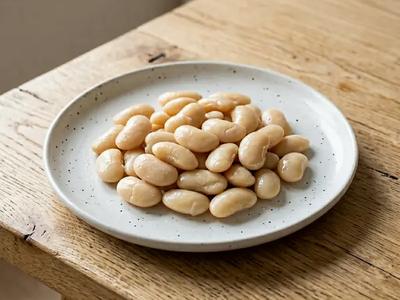
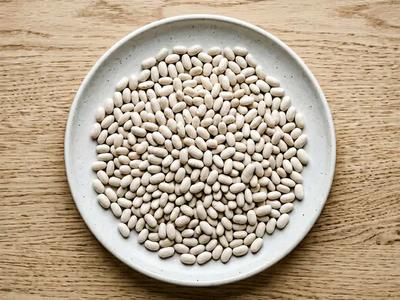
| White beans | 300 mg | 19.1 g | 6.3 g | low |
| Butter beans | 300 mg | 21 g | 7 g | low |
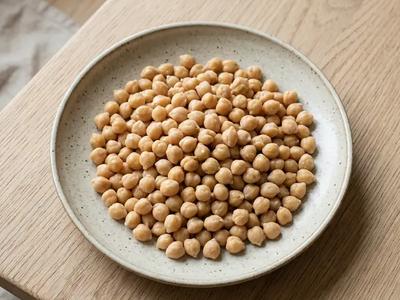
| Chickpeas (Garbanzo beans) | 240 mg | 22 g | 7 g | low |
| Canned Chickpeas | 310 mg | 22.5 g | 7.5 g | low |
Red beans cooked from dry list 1 mg of sodium per 100 g; the tinned entries 230 to 310 mg.
| Food | Carbs | Fiber | Protein | Blood sugar impact |
|---|---|---|---|---|
| Lupin Bean Pasta | 16 g | 14 g | 16 g | low |
| Edamame Pasta | 22 g | 18 g | 42 g | low |
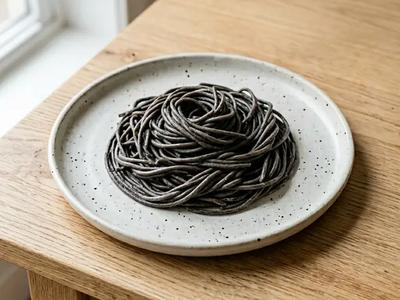
| Black Bean Pasta | 35 g | 18 g | 45 g | low |
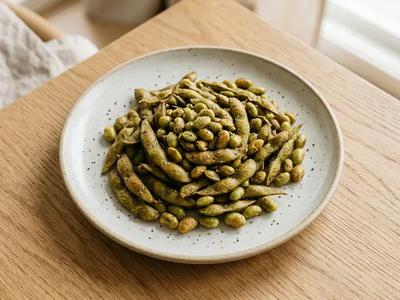
| Roasted Dry Edamame | 30.1 g | 13.5 g | 43.2 g | low |
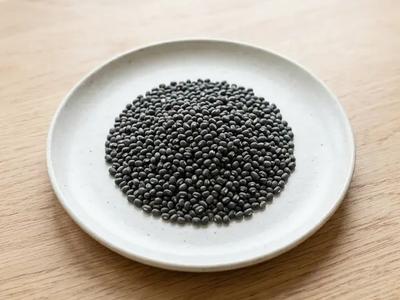
| Urad dal (Black gram) | 58.9 g | 18.3 g | 25.2 g | low |
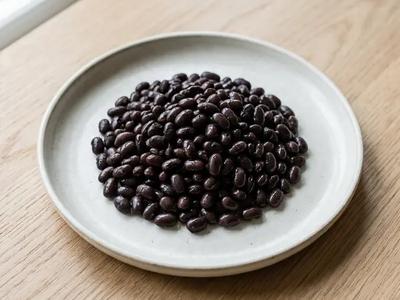
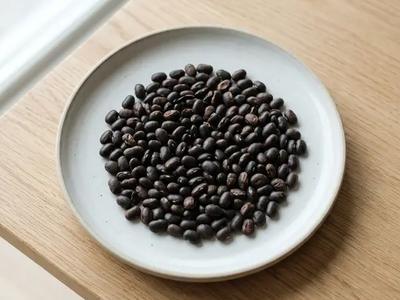
| Roasted Black Beans | 60.3 g | 16.6 g | 24.1 g | low |
Dry and roasted figures: urad dal and roasted black beans carry about 60 g of carbohydrate per 100 g, three times a cooked bean.
| Food | Carbs | Protein | Fat | Blood sugar impact |
|---|---|---|---|---|
| Green Beans | 7 g | 1.8 g | 0.2 g | low |
| Yardlong Beans | 8.4 g | 2.8 g | 0.4 g | low |
| Winged Beans | 7.1 g | 6.9 g | 0.8 g | low |
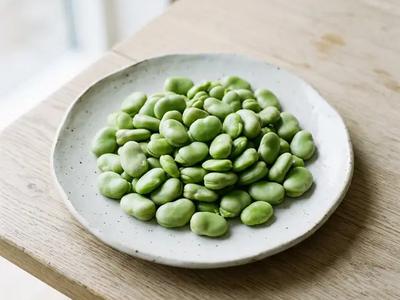
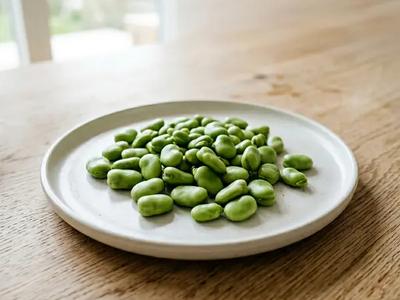
| Broad beans (Fava beans) | 15.4 g | 7.6 g | 0.7 g | high |
| Soybeans | 8.4 g | 18.2 g | 9 g | low |
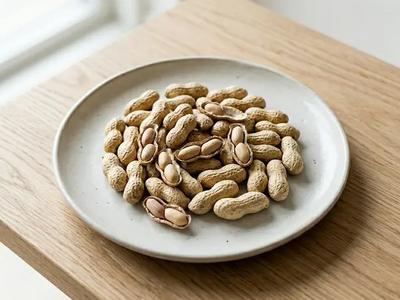
| Peanuts | 16.1 g | 25.8 g | 49.2 g | low |
Green beans carry 7 g of carbohydrate per 100 g and count as a vegetable; peanuts are a legume with 49 g of fat.
Figures from each food's entry in this library. Open a food for its full profile and portion notes.
38 foods in this category, each rated for glycemic impact and blood sugar effect.
Track how legumes and pulses affects your blood sugar with the SugarCurve app — free to download.
Start Free Trial →The ADA's 2026 Standards list legumes among the whole foods recommended in pregnancy with diabetes. In this library, cooked beans and lentils carry 19 to 26 g of carbohydrate per 100 g with 6 to 9 g of fibre and 7 to 9 g of protein, so they count as carbohydrate in a meal, but carbohydrate that comes with fibre and protein.[5] [6]
It helps a little. USDA lists tinned chickpeas at 246 mg of sodium per 100 g drained and 212 mg drained and rinsed. Beans cooked from dry without salt carry almost none, so cooking your own is the bigger saving.[1]
Cooked properly, yes; the rule isn't a pregnancy rule but it matters to everyone. The FDA says dried kidney beans should be soaked for at least 5 hours, drained, and boiled in fresh water for at least 30 minutes, never in a slow cooker. Tinned kidney beans are already cooked.[3]
They're beans in a sweetened sauce. USDA's plain canned baked beans carry 21 g of carbohydrate per 100 g, 8 g of it sugar, and 343 mg of sodium. The sugars line on the label is what to compare between brands.[1]
Every pregnancy is different, and gestational diabetes is managed differently depending on your readings, your medication and how far along you are. The ratings and portions on this page are general information — not a diagnosis, a treatment plan or a medical device — and they cannot see your results.
Contact your care team the same day if: your readings stay above target for several days; you have a reading below 54 mg/dL (3.0 mmol/L) or needed someone else's help to treat a low; you test positive for ketones; or your baby is moving less than usual. Seek emergency care for confusion, fainting, repeated vomiting, or a low you cannot bring back up.
By using this guide, you agree to our Terms and Conditions. How we write, source and review this content: editorial policy.
Compiled and reviewed by Dalo Labs ApS. Numbered references in the text point to the sources below. Not endorsed by or affiliated with any referenced organization. · Last reviewed: August 18, 2026
SugarCurve plans your week, turns cravings into recipes and shows how your readings respond to what you eat, so following your care team's advice takes less guesswork, day after day.
7 days free, then a subscription. Cancel anytime before the trial ends.