

Nutrition per 100g
Fruits & Vegetables › Legumes and Pulses
Moth Beans for Gestational Diabetes
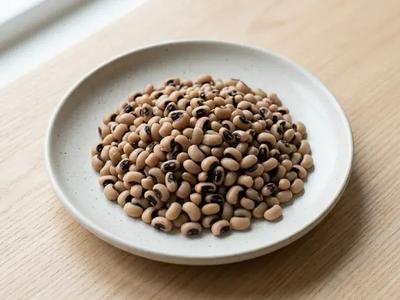
Moth beans, also known as Vigna aconitifolia, are small, light brown legumes native to India and Pakistan. They are highly valued for their drought-resistant properties, making them a staple crop in arid regions. These beans have a distinct nutty and slightly sweet flavor, contributing a unique taste to various dishes. Nutritionally, they are a powerhouse, packed with protein, fiber, and essential minerals like iron, magnesium, and calcium. Their versatility and robust nutritional profile make them a beneficial addition to many diets.
At a glance
Pregnancy safety
SafeBlood sugar impact
lowCarbs / 100 g
20.2gIs Moth Beans safe with gestational diabetes?
Moth beans are an exceptional choice for managing gestational diabetes due to their impressive nutritional composition. Their low glycemic index ensures that they release glucose into the bloodstream slowly, preventing sharp blood sugar spikes after meals. The high content of both protein and dietary fiber further contributes to glycemic control, making them a safe and beneficial carbohydrate source. Incorporating moth beans can help maintain stable energy levels and support overall maternal health during pregnancy.
How does Moth Beans affect blood sugar during pregnancy?
The blood sugar impact of moth beans is minimal, primarily because of their high fiber and protein content. The soluble fiber forms a gel-like substance in the digestive tract, which physically slows down the absorption of carbohydrates and sugar. This mechanism provides a steady supply of energy and prevents the rapid glucose fluctuations that are a key concern in gestational diabetes. While cooking method has a minor effect, boiling or pressure cooking until just tender is ideal to preserve their low-GI properties.
What is a safe portion of Moth Beans for gestational diabetes?
A suitable portion for managing gestational diabetes is approximately one cup of cooked moth beans. This amount provides substantial nutrients and fiber without overloading your system with carbohydrates, thereby preventing a significant blood sugar rise. Visually, this portion is about the size of your clenched fist. It is important to monitor your individual response with a glucometer, as tolerance can vary, and adjust portion sizes accordingly to maintain optimal glycemic control throughout your pregnancy.
How should I combine Moth Beans to manage blood sugar during pregnancy?
To create a well-rounded, blood-sugar-friendly meal, pair moth beans with non-starchy vegetables like leafy greens, broccoli, or bell peppers. Adding a source of healthy fat, such as a drizzle of olive oil or a side of avocado, can further slow down digestion and glucose absorption. Combining them with a lean protein source like grilled chicken, fish, or paneer enhances satiety and provides additional support for glycemic stability. Avoid pairing them with other high-carbohydrate foods in the same meal to keep the total carb load in check.
Last reviewed: August 31, 2026
Important Safety Information
Every pregnancy is different, and gestational diabetes is managed differently depending on your readings, your medication and how far along you are. The ratings and portions on this page are general information — not a diagnosis, a treatment plan or a medical device — and they cannot see your results.
- Low blood sugar:
- If you take insulin or diabetes medication, eating less carbohydrate than your team planned for can push your blood sugar too low. Treat a reading below 70 mg/dL (3.9 mmol/L), or symptoms such as shaking, sweating, confusion or a racing heart, with fast-acting carbohydrate immediately and retest after 15 minutes. Never use this page as a reason to skip or shrink a meal you were told to eat.
- Carbohydrate and ketones:
- Cutting carbohydrate hard to force a number down is not safe in pregnancy — it can produce ketones. Published guidance sets a minimum of 175 g of carbohydrate per day in pregnancy. Readings that stay above target for several days need your care team, not a smaller portion.
- Medication and insulin:
- The portions here are generic and know nothing about your insulin doses, your metformin, or the steroids given to mature your baby's lungs — all of which change how a meal affects you. Never adjust a dose or a mealtime based on this page.
- Food safety in pregnancy:
- Blood sugar is not the only thing that makes a food suitable while you are pregnant. Some foods with excellent glycemic numbers still carry mercury, vitamin A, listeria or alcohol risks, and those are judged separately from the ratings shown here. Check your national pregnancy food-safety guidance before adding an unfamiliar food.
- What these ratings can and cannot tell you:
- Glycemic index values, impact ratings and maximum servings are population averages taken from published tables. Two people eating the same food can get very different readings, so your own meter is the only measurement that describes you. Nutrition figures are indicative per 100 g and vary with brand, ripeness and preparation.
Contact your care team the same day if: your readings stay above target for several days; you have a reading below 54 mg/dL (3.0 mmol/L) or needed someone else's help to treat a low; you test positive for ketones; or your baby is moving less than usual. Seek emergency care for confusion, fainting, repeated vomiting, or a low you cannot bring back up.
By using this guide, you agree to our Terms and Conditions. How we write, source and review this content: editorial policy.
Sources & Editorial Review
Content independently developed by Dalo Labs ApS, informed by the American Diabetes Association's Standards of Care in Diabetes, ACOG's gestational diabetes guidelines, and the IADPSG consensus criteria. Not endorsed by or affiliated with any referenced organization. · Last reviewed: August 2026
- American Diabetes Association — Management of Diabetes in Pregnancy: Standards of Care in Diabetes—2026
- ACOG Practice Bulletin No. 190 — Gestational Diabetes Mellitus (reaffirmed 2026)
- USDA FoodData Central — Nutritional Database
- Atkinson et al. — International Tables of Glycemic Index and Glycemic Load Values 2021 (Am J Clin Nutr)
More in Legumes and Pulses
Help with every meal, not just this one
SugarCurve plans your week, turns cravings into recipes and shows how your readings respond to what you eat, so following your care team's advice takes less guesswork, day after day.
- Weekly meal plans
- Recipes for your cravings
- Your numbers, in charts
- Reports for your care team
7 days free, then a subscription. Cancel anytime before the trial ends.