Food Library
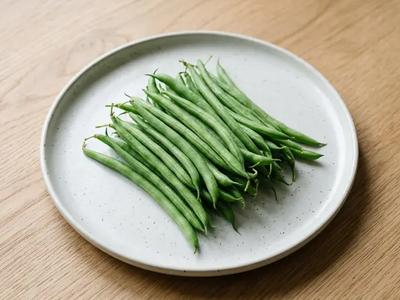
Leafy and green vegetables carry only a few grams of carbohydrate per 100 g, while potatoes, plantain and other starchy roots carry several times that; fresh fruit sits in between, and dried fruit carries the most by weight. For blood sugar, then, fruits and vegetables aren't one group. Beans and lentils bring carbohydrate together with fibre and protein. So the useful question is less whether to eat them than which ones carry the carbohydrate in a meal. This guide sorts them that way, then covers the pregnancy food-safety points that are specific to produce: washing, sprouts, cut melon and seaweed. Each group has its own page, linked below, and the full list of foods is further down.
See what works for you. Try SugarCurve free for 7 days
280 foodsLast reviewed: September 11, 2026Sources

No foods found for your search.

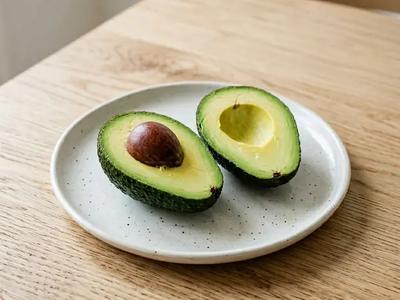
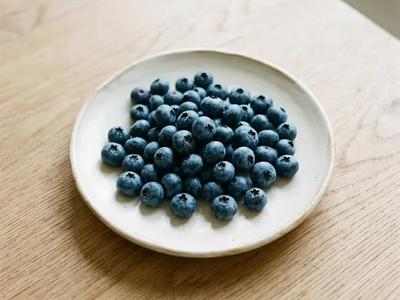
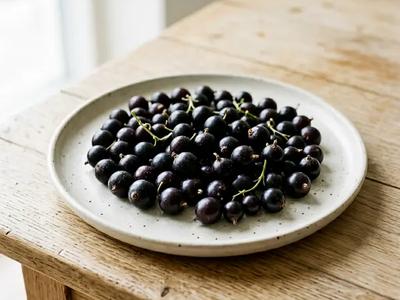
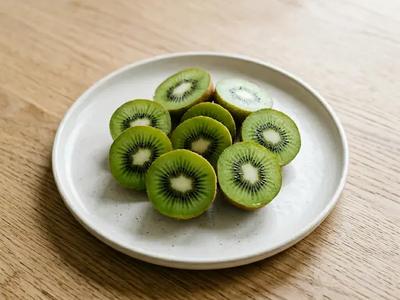
One of the highest-fibre, lowest-sugar fresh fruits in the library.
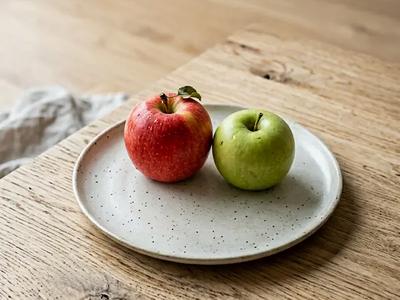
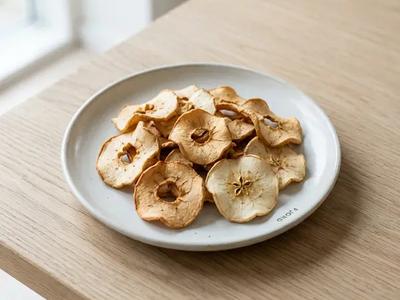
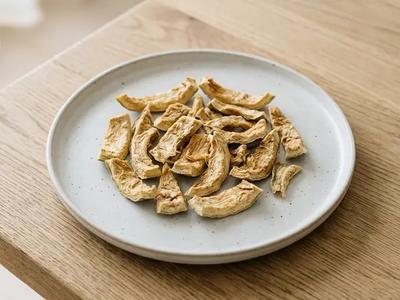
The everyday whole fruit; dried apple carries almost five times its carbohydrate by weight.
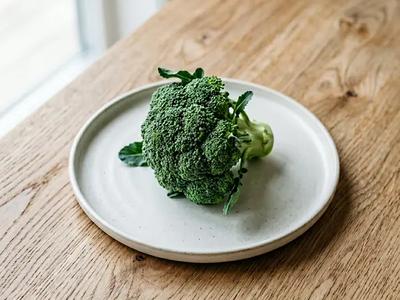
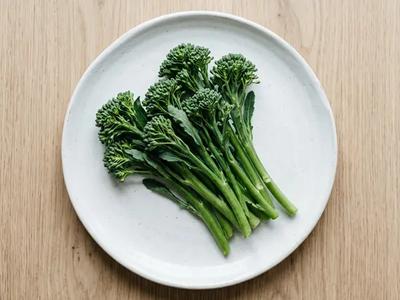
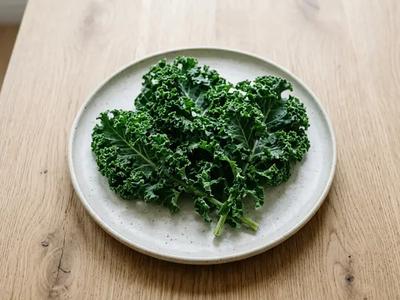
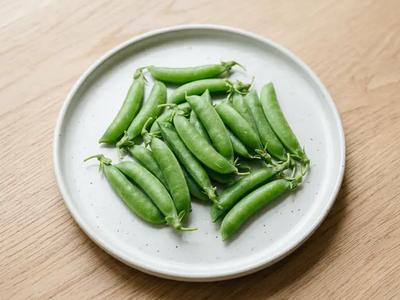
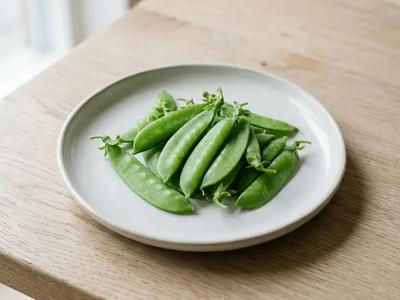
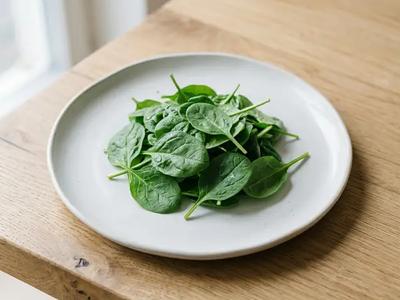
Under 7 g of carbohydrate per 100 g, with nearly 3 g each of fibre and protein.
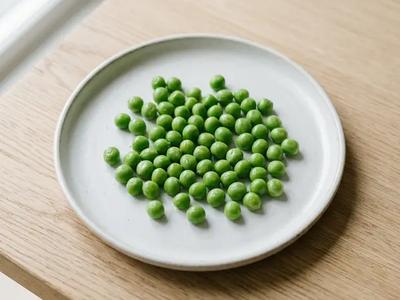
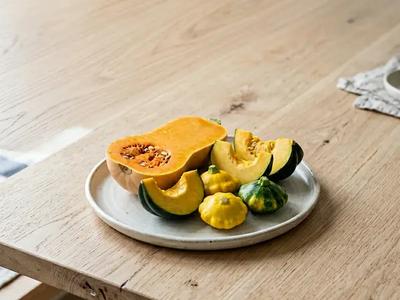
More carbohydrate than most green vegetables, about 15 g per 100 g, with close to 6 g of fibre.
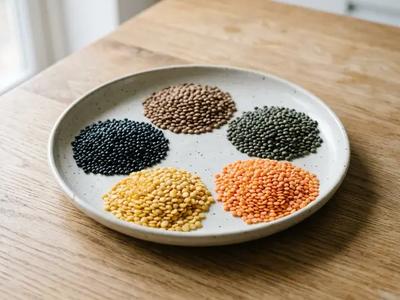
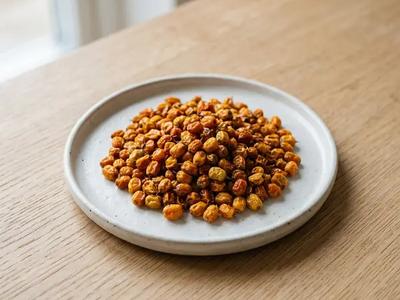
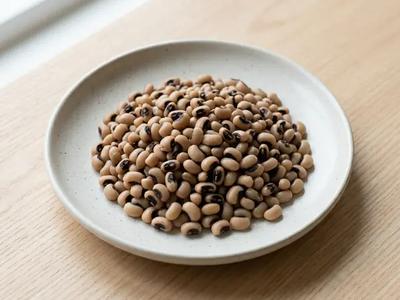
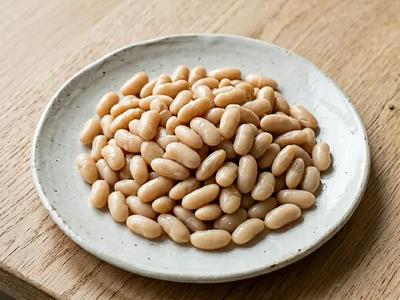
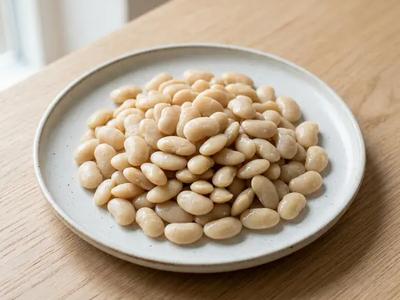
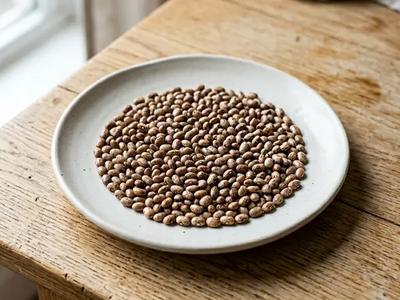
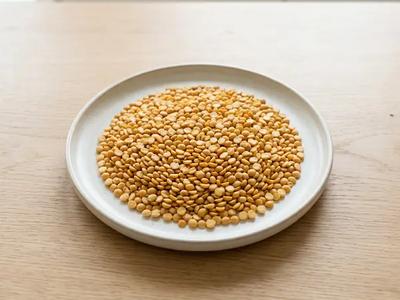
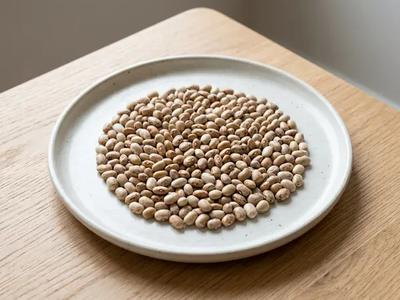
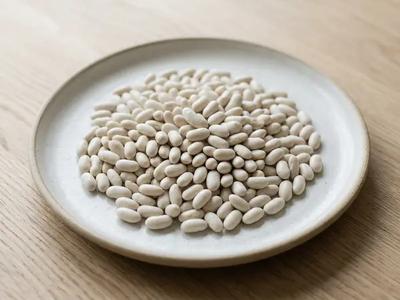
Carbohydrate that comes with close to 8 g of fibre and 9 g of protein per 100 g.
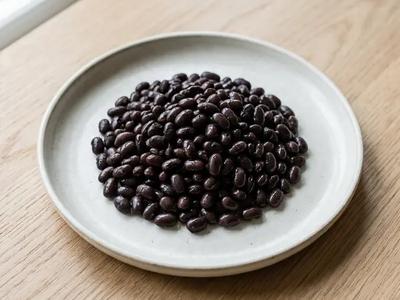
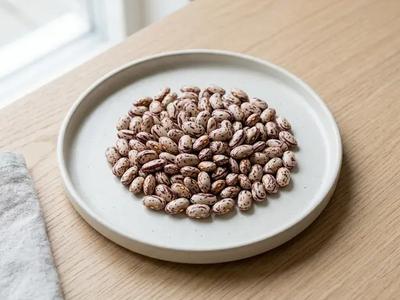
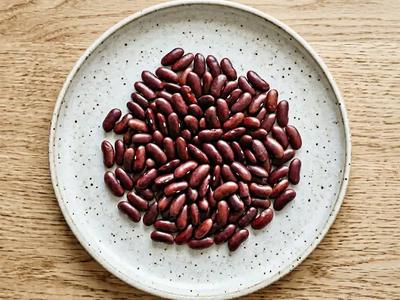
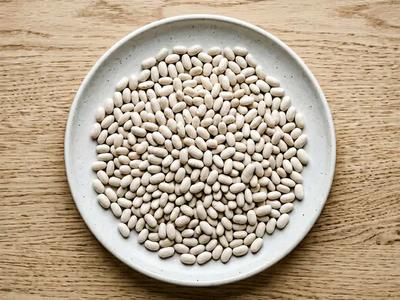
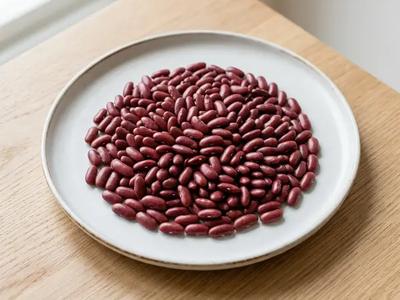
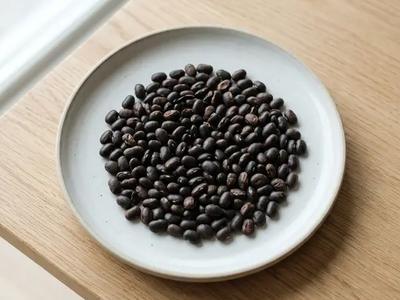
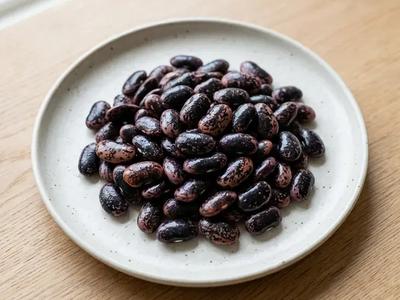
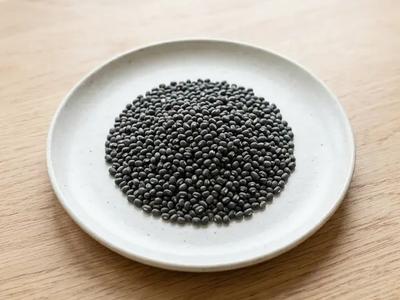
One of the highest-fibre cooked beans in the library, at almost 9 g per 100 g.

By the NHS's count the starch in the meal, not a vegetable portion.
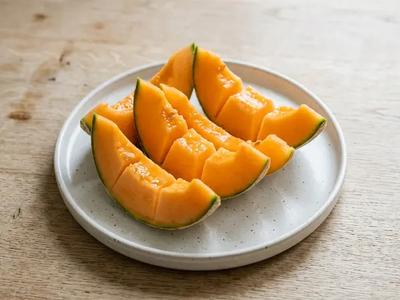
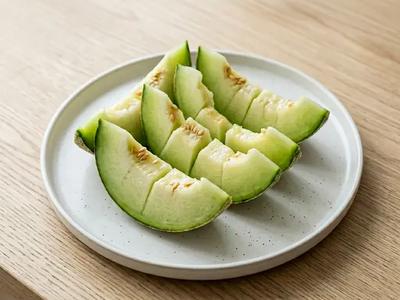
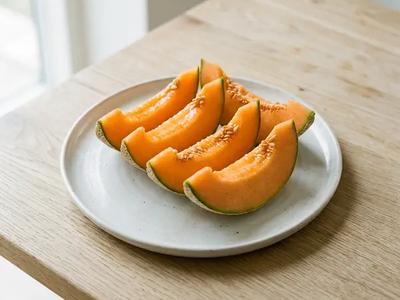
Scrub the rind before cutting and keep cut melon chilled; its page has the pregnancy note.
One or two foods from each group that behaves differently in a meal: berries and an everyday fruit, a green vegetable and peas, potatoes as the starchy benchmark, and the beans and lentils with the most fibre. Cantaloupe is here for its preparation rule.
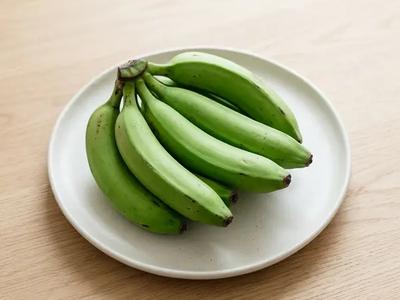
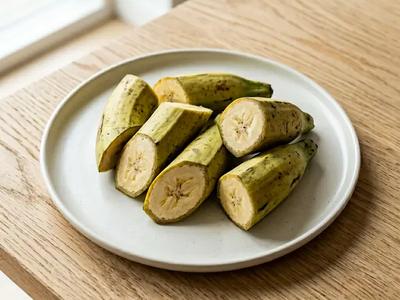
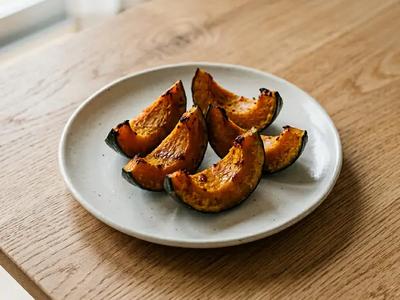
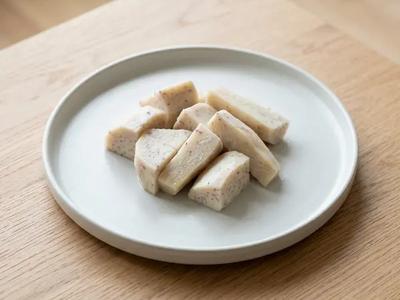
The NHS doesn't count potatoes, yams, cassava or plantain towards 5 A Day, because they're usually eaten in place of bread, rice or pasta. Their carbohydrate follows the same line: about 18 g per 100 g for potatoes and 32 g for plantain in this library, against under 7 g for broccoli, cauliflower or courgette. Sweet potato and parsnip carry as much or a little more, yet the NHS counts them as vegetables, because they're usually eaten alongside the starch rather than instead of it. The ADA's 2026 Standards treat the amount of carbohydrate as what counts for glucose, whichever vegetable it comes from.[1] [2]
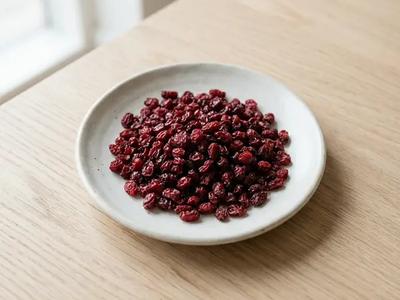
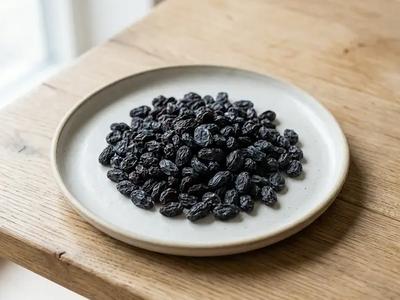
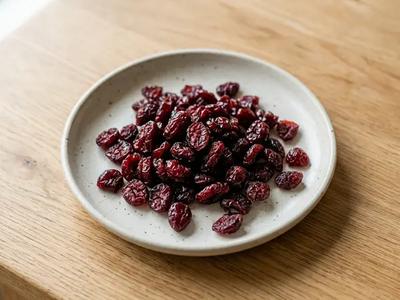
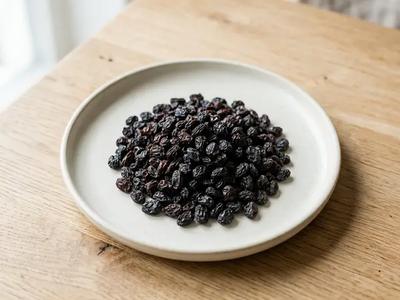
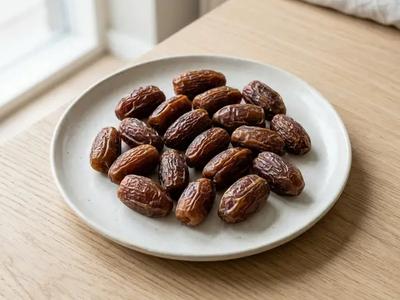
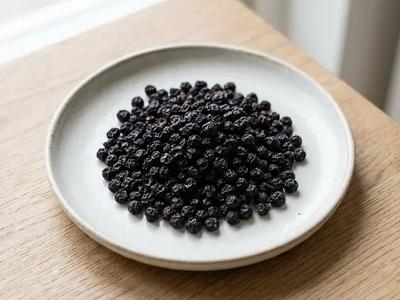
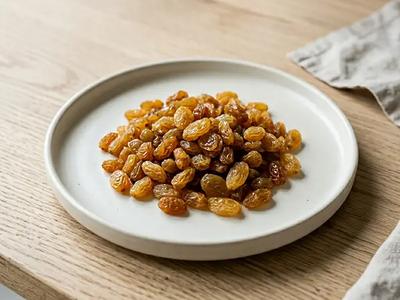
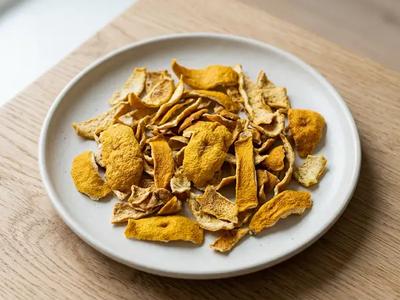
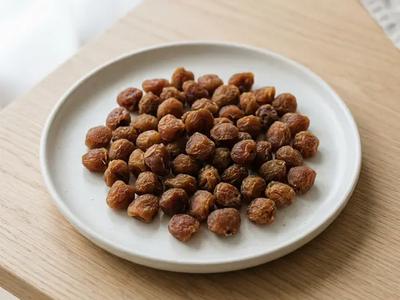
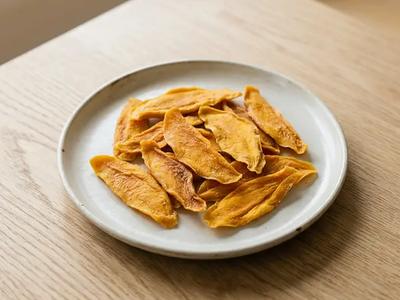
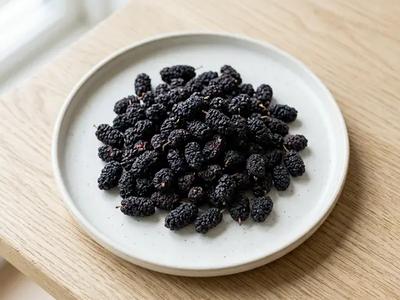
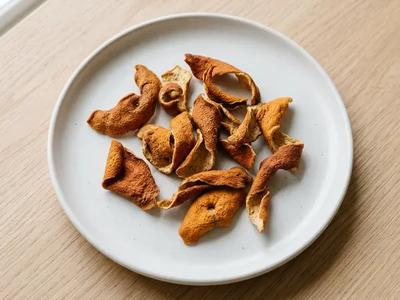
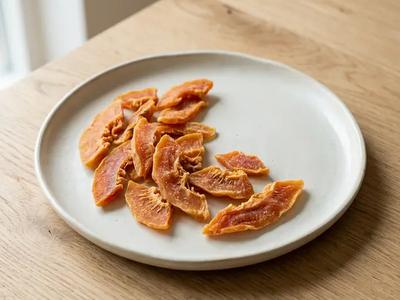
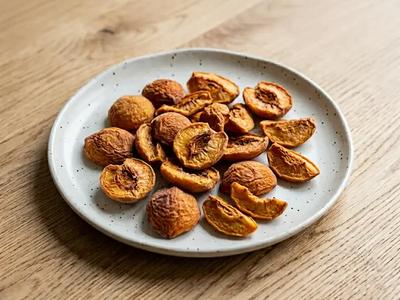
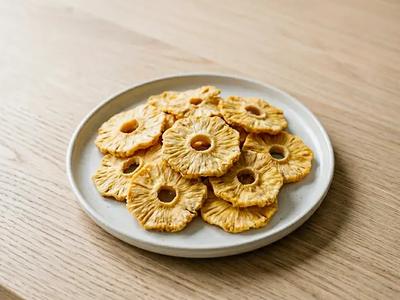
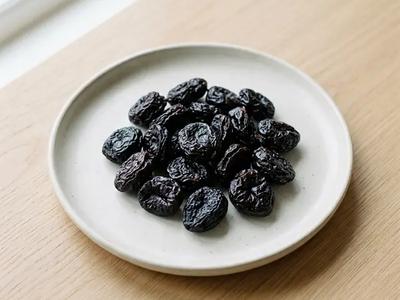
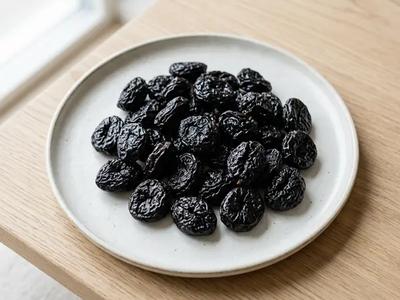
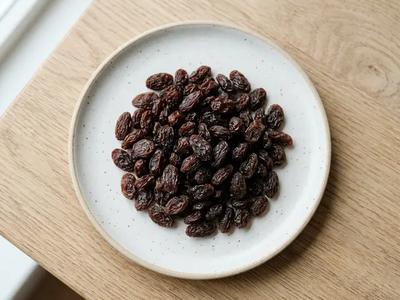
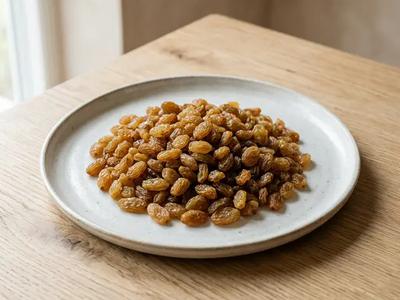
Dried fruit has lost its water, so by weight it carries four to six times the carbohydrate of the fresh fruit in the table below: raisins about 79 g per 100 g against 18 g for grapes. The NHS counts 30 g of dried fruit as one portion, about the same as 80 g fresh. Juice is different again. The NHS limits juice and smoothies to 150 ml a day in total, and counts the sugar in them as free sugars, which the sugar in whole fruit is not.[1] [3]
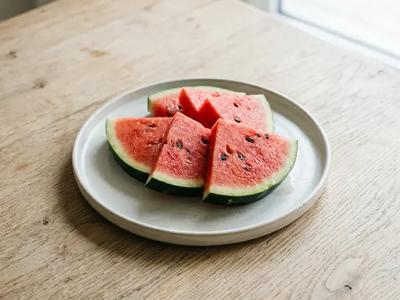
Diabetes UK describes glycemic index as a ranking of how quickly a carbohydrate food raises blood sugar when eaten on its own, and points out that it ignores portion size, which can matter more. Ripeness, variety and cooking change it too. That's how watermelon rates high GI at under 8 g of carbohydrate per 100 g, while dried apricots have a low GI at over 60 g. Diabetes UK writes for diabetes in general, not for pregnancy.[4]
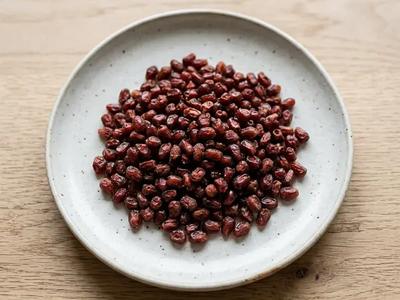
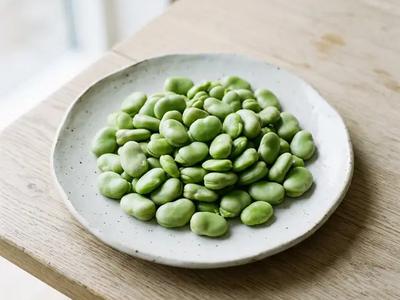
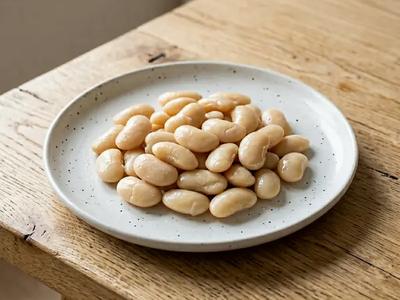
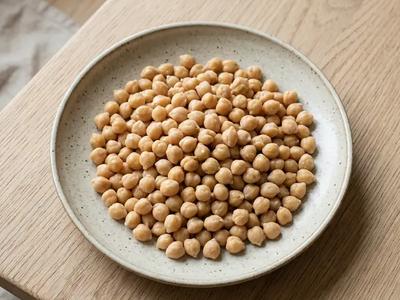
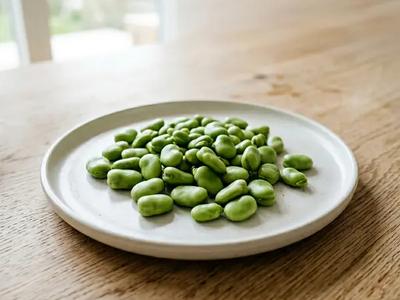
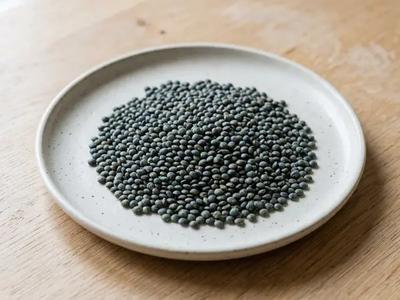
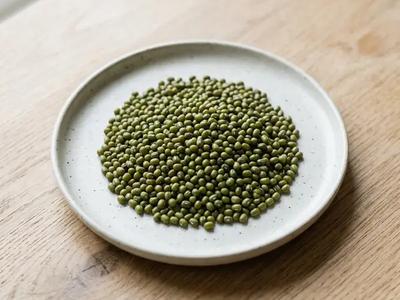
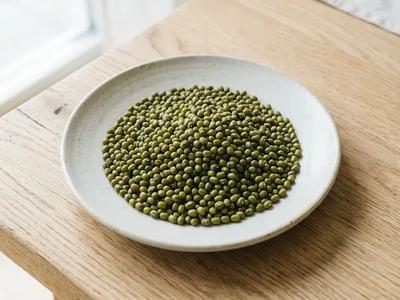
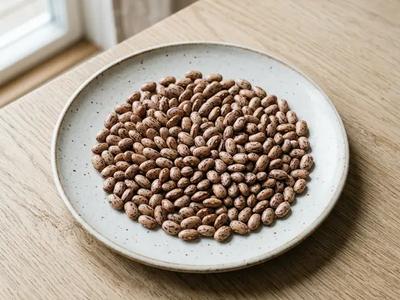
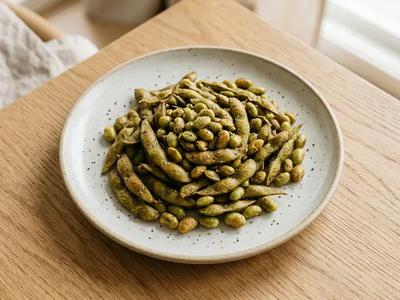
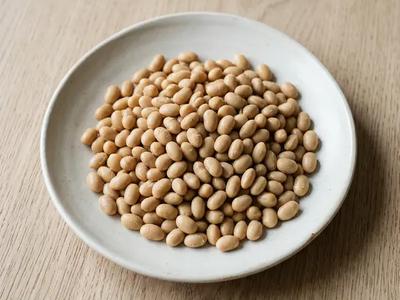
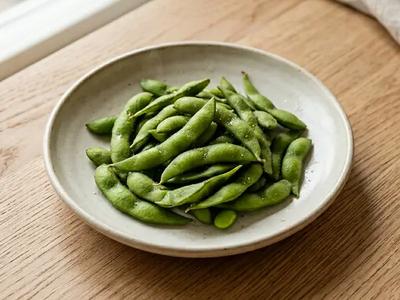
The ADA's 2026 Standards name legumes, with fruits and vegetables, among the whole foods recommended in pregnancy with diabetes, and give a reference intake of 28 g of fibre a day. Cooked and tinned beans and lentils carry about 19 to 26 g of carbohydrate per 100 g in this library, as much as potatoes or more, but with 6 to 9 g of fibre and 7 to 9 g of protein alongside. Edamame and soybeans carry less carbohydrate and more protein. The NHS counts beans and pulses towards 5 A Day only once, however many you eat.[1] [2]
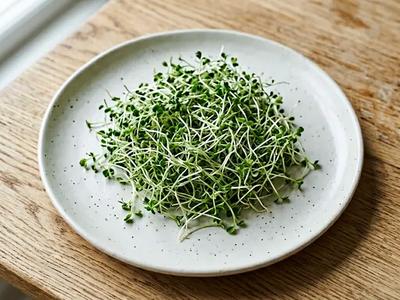
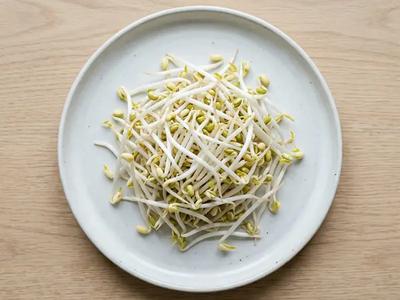
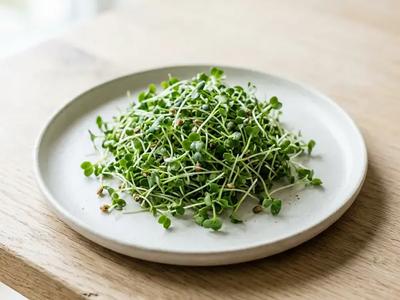
The NHS advises washing fruit and vegetables thoroughly to remove soil, which can carry bacteria, keeping pre-cut fruit such as melon chilled and eating it by its use-by date, and cooking enoki mushrooms thoroughly. The FDA advises people at higher risk of food poisoning, pregnant women among them, to avoid raw or lightly cooked sprouts of any kind, and to scrub firm produce such as melons with a clean brush.[5] [6]
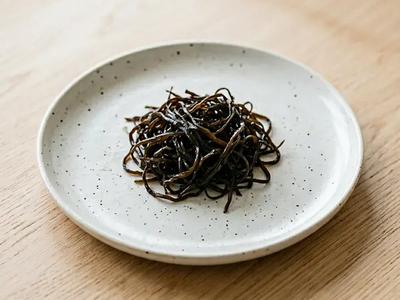
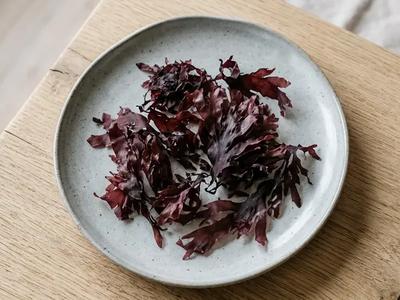
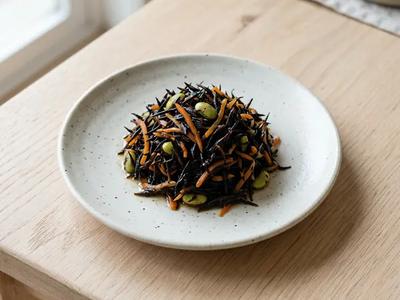
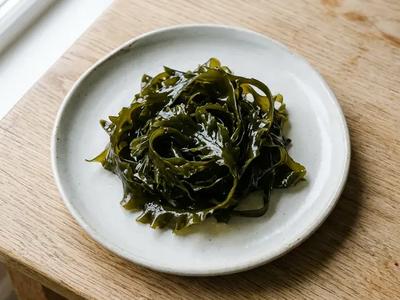
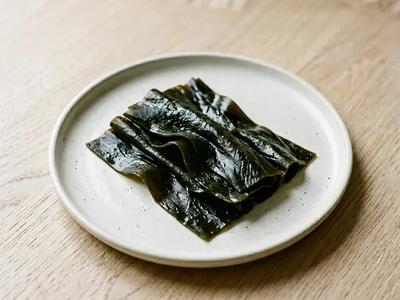
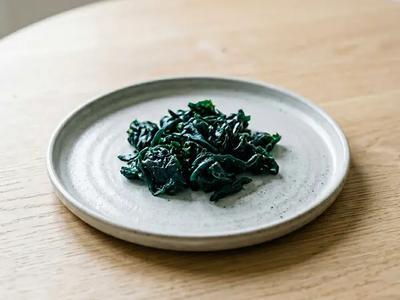
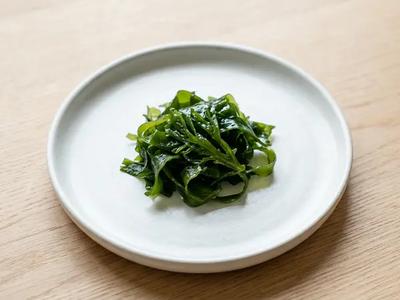
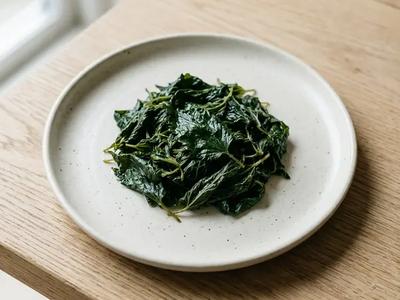
Seaweed can carry a lot of iodine, and the amount varies. The British Dietetic Association advises against eating brown seaweed such as kelp more than once a week, especially in pregnancy, and notes that nori may carry less. Hijiki is a separate case: Canada's food agency advises avoiding it altogether because of its inorganic arsenic. Advice on seaweed in pregnancy differs a lot between countries, so check your own health service's.[7] [8]
| Food | Carbs | Sugars | Fiber | Blood sugar impact |
|---|---|---|---|---|
| Grape | 18.1 g | 15.5 g | 0.9 g | medium |
| Dried Raisins | 79.2 g | 59.2 g | 3.7 g | high |
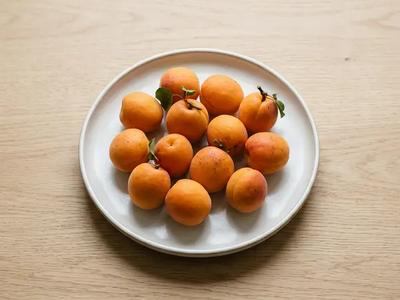
| Apricot | 11.1 g | 9.1 g | 2 g | low |
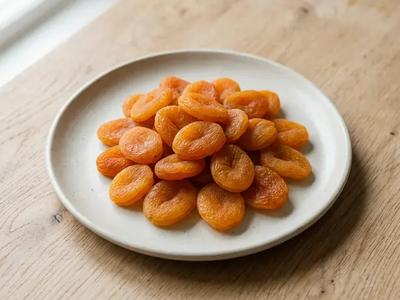
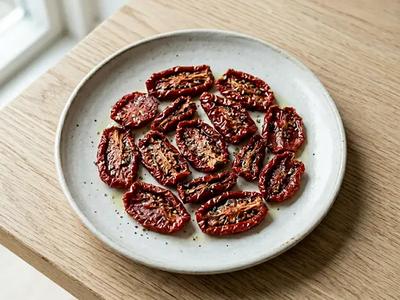
| Dried Apricots | 62.6 g | 53.4 g | 7.3 g | medium |
| Apple | 13.8 g | 10.4 g | 2.4 g | low |
| Dried Apples | 66 g | 57.2 g | 7.5 g | medium |
Drying concentrates the fibre along with the carbohydrate.
| Food | Carbs | Sugars | Fiber | Blood sugar impact |
|---|---|---|---|---|
| Raspberry | 11.9 g | 4.4 g | 6.5 g | low |
| Strawberry | 7.7 g | 4.9 g | 2 g | low |
| Apple | 13.8 g | 10.4 g | 2.4 g | low |
| Mango | 15 g | 13.7 g | 1.6 g | medium |
| Grape | 18.1 g | 15.5 g | 0.9 g | medium |
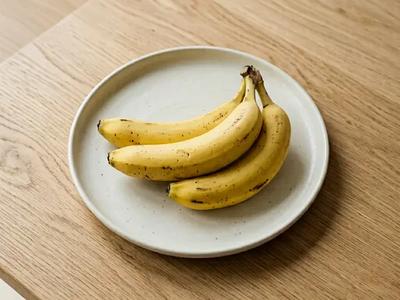
| Banana | 22.8 g | 12.2 g | 2.6 g | medium |
Berries carry the least sugar of these, and raspberries the most fibre; banana and grapes carry the most carbohydrate.
| Food | Carbs | Fiber | Protein | Blood sugar impact |
|---|---|---|---|---|
| Potatoes | 17.5 g | 2.2 g | 2 g | high |
| Sweet Potato | 20.1 g | 3 g | 1.6 g | medium |
| Plantains | 32 g | 2.3 g | 1.3 g | medium |
| Pea | 14.5 g | 5.7 g | 5.4 g | medium |
| Broccoli | 6.6 g | 2.6 g | 2.8 g | low |
| Zucchini | 3.1 g | 1 g | 1.2 g | low |
Peas sit between the starchy vegetables and the green ones, with more fibre and protein than either.
| Food | Carbs | Fiber | Protein | Blood sugar impact |
|---|---|---|---|---|
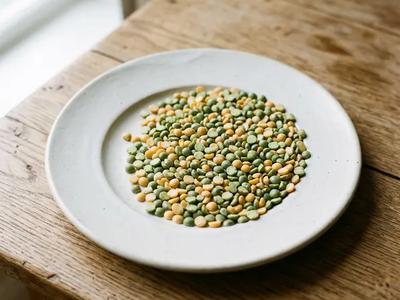
| Lentils (Brown, Green, Red, Yellow, Black) | 20.1 g | 7.9 g | 9 g | low |
| Black beans | 23.7 g | 8.7 g | 8.9 g | low |
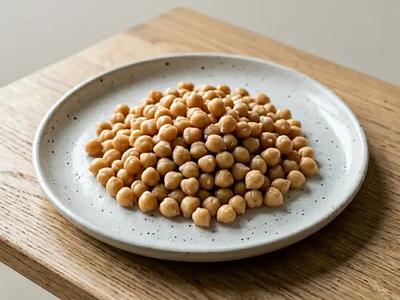
| Chickpeas (Garbanzo beans) | 22 g | 7 g | 7 g | low |
| Kidney Beans | 22.8 g | 6.4 g | 8.7 g | low |
| Edamame | 9.9 g | 5.2 g | 11.9 g | low |
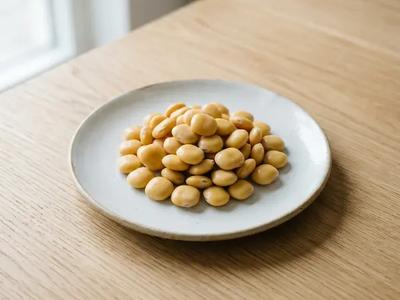
| Soybeans | 8.4 g | 6 g | 18.2 g | low |
Edamame and soybeans carry the least carbohydrate and the most protein of the legumes here.
Figures from each food's entry in this library. Open a food for its full profile and portion notes.
280 foods in this category, each rated for glycemic impact and blood sugar effect.
Track how fruits & vegetables affects your blood sugar with the SugarCurve app — free to download.
Start Free Trial →Yes. Fruit is on the ADA's 2026 list of whole foods recommended in pregnancy with diabetes. It still carries carbohydrate, so the amount counts: in the fresh fruit comparison above, strawberries carry the least per 100 g and banana the most. Your dietitian or diabetes team can tell you how fruit fits your own plan.[2]
Not for 5 A Day. The NHS treats potatoes, yams, cassava and plantain as starchy foods, eaten in place of bread, rice or pasta. Sweet potato does count, though in this library it carries slightly more carbohydrate than potato.[1]
Once a day, up to 150 ml, by the NHS's count, and it suggests drinking it with a meal. The NHS classes the sugar in unsweetened juice and smoothies as free sugars, the kind most people are advised to cut down on, while the sugar in whole fruit is not.[1] [3]
Cooked thoroughly, yes. The FDA advises pregnant women and others at higher risk to avoid raw or lightly cooked sprouts of any kind, because the warm, humid conditions they grow in also suit bacteria such as salmonella, listeria and E. coli. That includes sprouts in salads and sandwiches.[6]
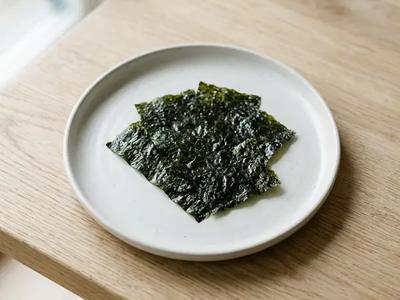
Nori, the seaweed wrapped around sushi rolls, may carry less iodine than brown seaweeds such as kelp, according to the British Dietetic Association, though the amount varies considerably. Advice on seaweed differs between countries, so check your own health service's.[7]
Every pregnancy is different, and gestational diabetes is managed differently depending on your readings, your medication and how far along you are. The ratings and portions on this page are general information — not a diagnosis, a treatment plan or a medical device — and they cannot see your results.
Contact your care team the same day if: your readings stay above target for several days; you have a reading below 54 mg/dL (3.0 mmol/L) or needed someone else's help to treat a low; you test positive for ketones; or your baby is moving less than usual. Seek emergency care for confusion, fainting, repeated vomiting, or a low you cannot bring back up.
By using this guide, you agree to our Terms and Conditions. How we write, source and review this content: editorial policy.
Compiled and reviewed by Dalo Labs ApS. Numbered references in the text point to the sources below. Not endorsed by or affiliated with any referenced organization. · Last reviewed: September 11, 2026
SugarCurve plans your week, turns cravings into recipes and shows how your readings respond to what you eat, so following your care team's advice takes less guesswork, day after day.
7 days free, then a subscription. Cancel anytime before the trial ends.