Fruits & Vegetables
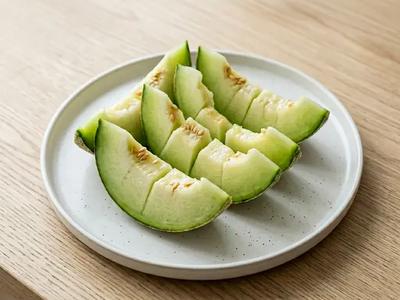
Fresh fruit counts towards a meal's carbohydrate, and how much an 80 g portion carries depends on the fruit. The Fruits & Vegetables guide covers why whole fruit, dried fruit and juice are different portions, and why glycemic index describes the food rather than your serving. This guide takes the 72 fresh fruits in the library one level down: what an 80 g portion of each kind carries, which fruits don't behave like fruit at all, and how frozen and tinned fruit compare. Only six fruits here carry a pregnancy caution, and none is marked avoid. Two are melons, for the cut-melon rule. The other four, papaya, star fruit, soursop and elderberry, each have a rule of their own, and the evidence behind each is not the same strength. The last section says what it is, so you can weigh it. Diabetes UK's fruit advice is written for diabetes in general, not for pregnancy, and it is named as such where it's used.
See what works for you. Try SugarCurve free for 7 days
72 foodsLast reviewed: August 25, 2026Sources


No foods found for your search.

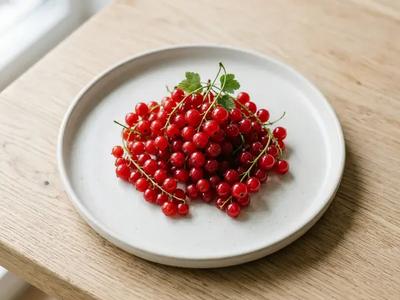
The lowest-carbohydrate berry here, 7.7 g per 100 g; 7 strawberries make an NHS portion.
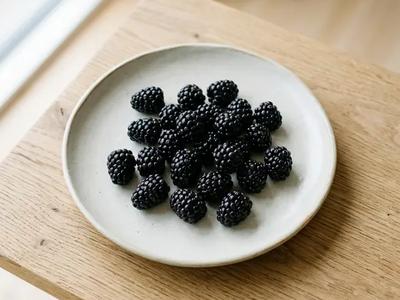
About 10 g of carbohydrate per 100 g, half of it fibre.
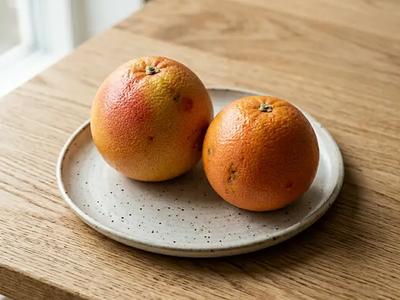
About 11 g of carbohydrate per 100 g; half a grapefruit is an NHS portion.
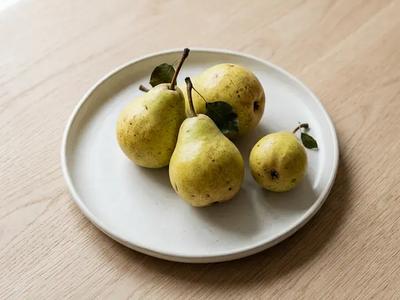
About 15 g of carbohydrate and 3 g of fibre per 100 g; one pear is a portion.
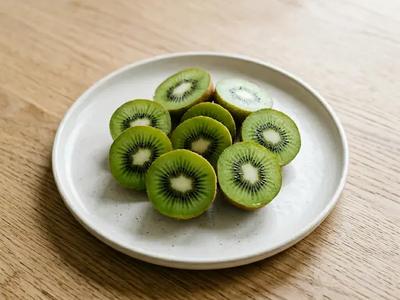
About 15 g of carbohydrate per 100 g with 3 g of fibre; 2 kiwis make a portion.
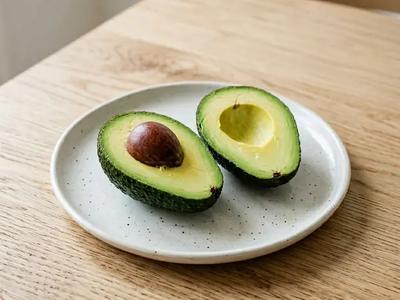
Under 1 g of sugar per 100 g; its energy is fat, and the NHS lists it among monounsaturated sources.
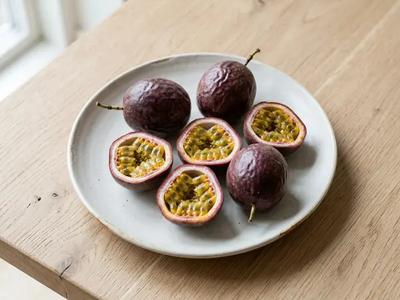
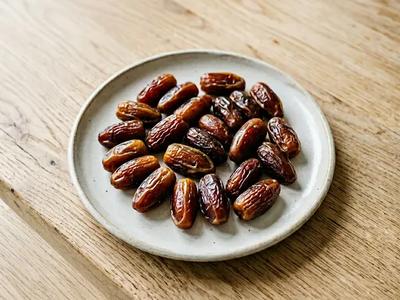
The most fibre of any fruit here after baobab, 10 g per 100 g.
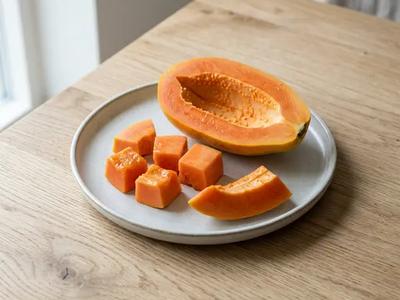
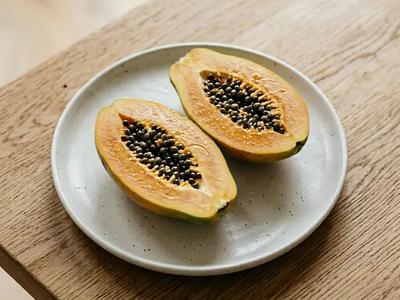
Here for its rule: its page says ripe only, on the strength of one animal study.
Five everyday fruits picked for carbohydrate and fibre, one outlier, one fibre outlier, and papaya for its rule. The melons are in the Fruits & Vegetables guide; the parent's featured fruits, raspberry and apple, aren't repeated.
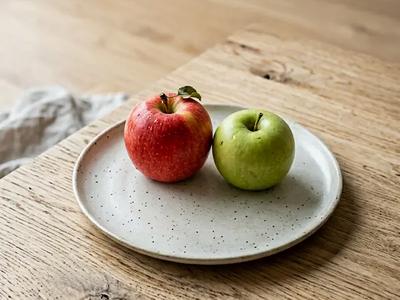
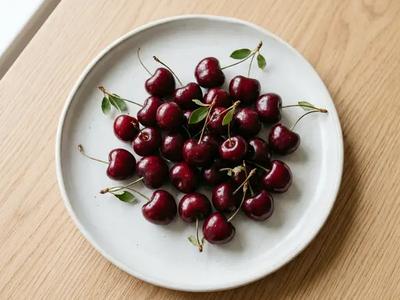
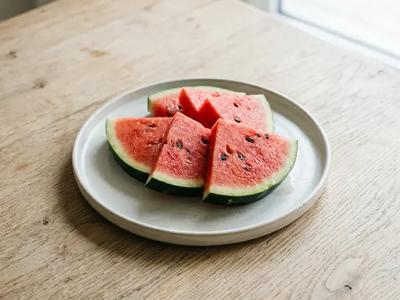
The NHS counts an adult portion of fruit as 80 g: 7 strawberries, 14 cherries, 2 kiwis, 6 lychees, half a grapefruit, or one apple, pear or banana. In this library, 80 g of strawberries carries about 6 g of carbohydrate, 80 g of kiwi about 12 g, and 80 g of banana or grapes about 15 to 18 g. Diabetes UK, writing for diabetes in general, suggests spreading fruit through the day rather than eating a lot of carbohydrate in one go, and says it's unlikely you need to cut fruit down.[1] [2]
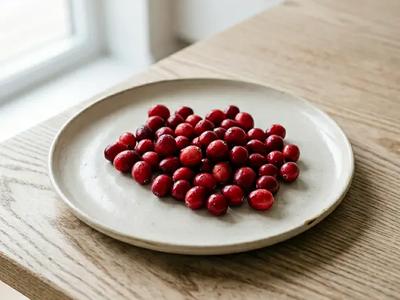
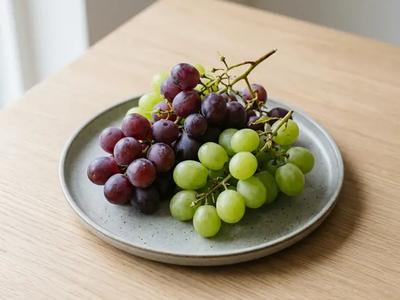
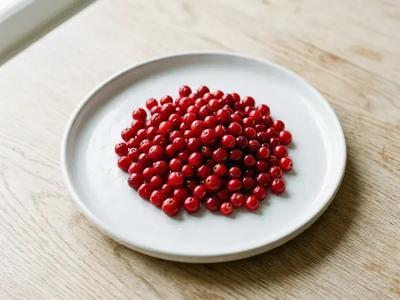
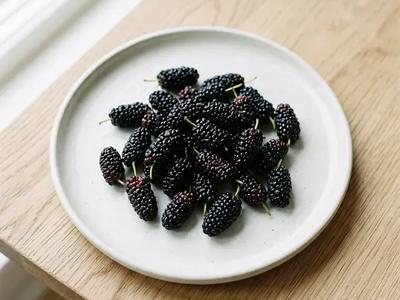
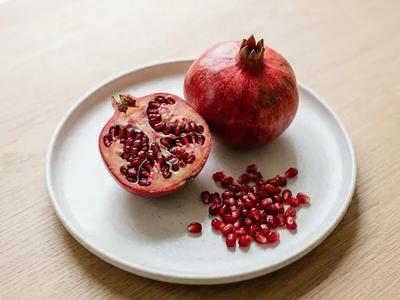
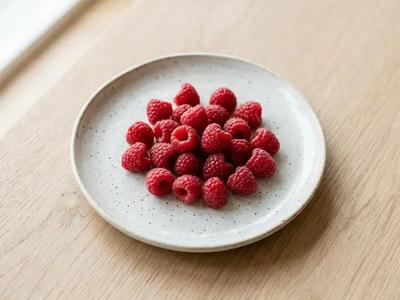
Per 100 g, the berries in this library carry 7 to 15 g of carbohydrate, and raspberries, blackberries and cranberries carry about 5 g of fibre with it. Cherries, grapes and lychees sit at the other end of the small-fruit range, at 16 to 18 g of carbohydrate, with about 2 g of fibre or less. Two handfuls of frozen berries count as a portion, the NHS says, the same as fresh.[1]
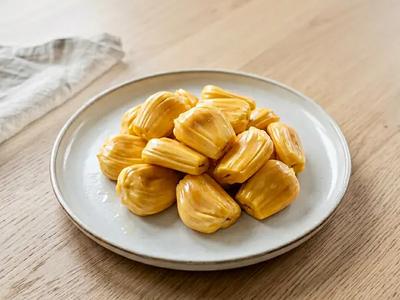
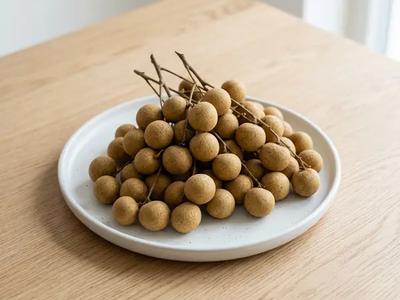
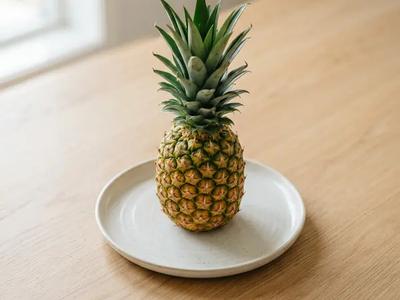
Mango, lychee, rambutan and jackfruit carry 15 to 23 g of carbohydrate per 100 g in this library, and most of it is sugar: lychee 15 g and rambutan nearly 20 g. Passion fruit is the exception, with 23 g of carbohydrate of which 10 g is fibre. The NHS counts 2 slices of mango, 1 large slice of pineapple or 1 slice of papaya as a portion, so a whole mango is several.[1]
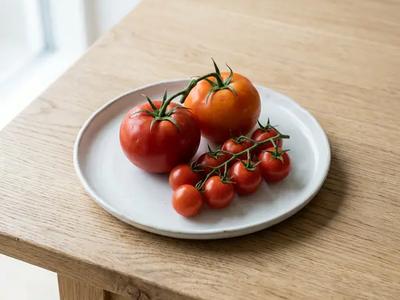
Avocado carries under 1 g of sugar per 100 g and gets its 160 kcal from fat, which the NHS lists among the monounsaturated kind. Coconut flesh carries 33 g of fat per 100 g, and the NHS lists coconut oil and cream among foods high in saturated fat. Tomato carries under 4 g of carbohydrate. None of the three eats like fruit, and the table below sets them beside the densest fruits here.[3]
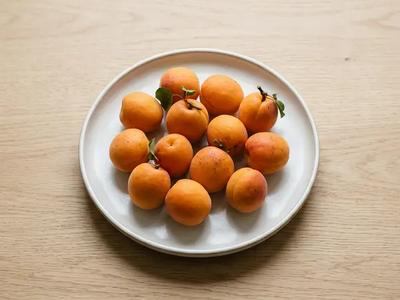
The NHS counts frozen and tinned fruit towards 5 A Day, and says to choose fruit tinned in natural juice or water with no added sugar rather than in syrup. A tinned portion is roughly the same amount as a fresh one: 2 pear or peach halves, 6 apricot halves or 8 segments of grapefruit. The library lists fruit fresh, so read the tin's label for what the syrup adds.[1] [4]
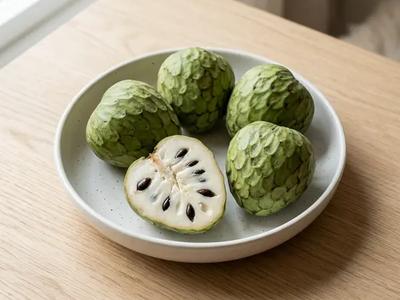
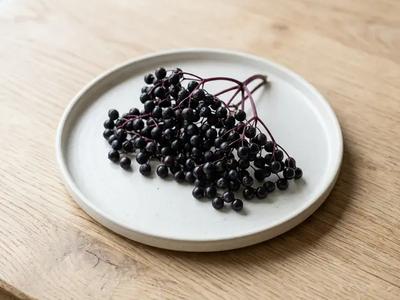
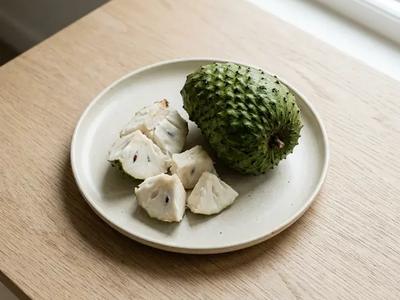
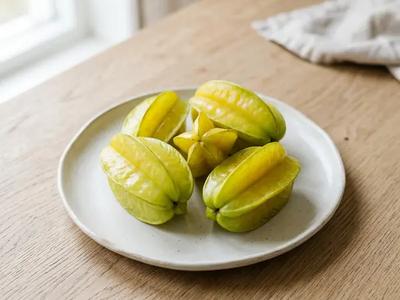
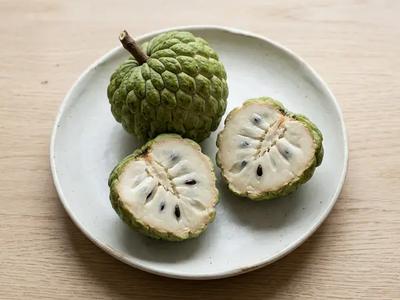
Star fruit: the US National Kidney Foundation says people with kidney disease should avoid it, because healthy kidneys clear a toxin that damaged ones can't; it doesn't mention pregnancy. Raw elderberries: Oregon State University's food preservation guidance says all raw elderberries should be cooked, because they release cyanide during digestion. Papaya: the only evidence found is a 2002 rat study, in which ripe papaya showed no harm but unripe papaya latex made uterine tissue contract, and its authors call for human studies; no health agency advises on it. Soursop: the NHS says not to take herbal medicines in pregnancy, which covers its leaf teas and extracts; the fruit itself is limited here by the library's own judgement.[5] [6] [7] [8]
| Food | Carbs | Sugars | Fiber | Blood sugar impact |
|---|---|---|---|---|
| Strawberry | 7.7 g | 4.9 g | 2 g | low |
| Raspberry | 11.9 g | 4.4 g | 6.5 g | low |
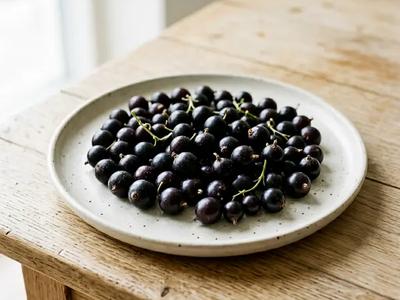
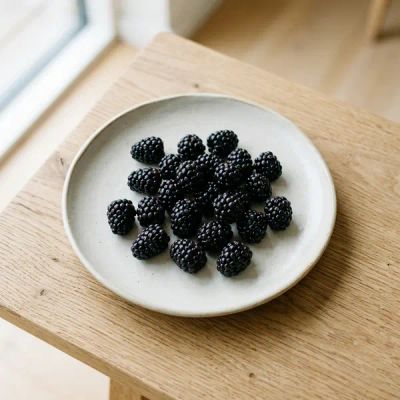
| Blackberry | 10.2 g | 4.9 g | 5.3 g | low |
| Cranberry | 12.2 g | 4 g | 4.6 g | low |
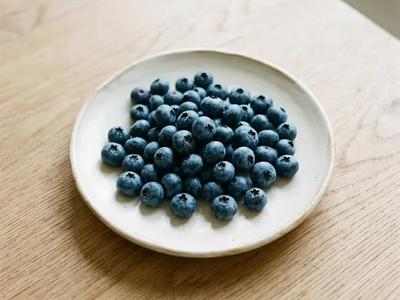
| Blueberry | 14.5 g | 10 g | 2.4 g | low |
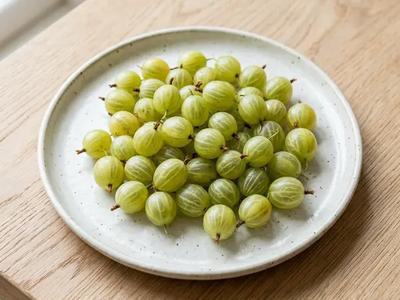
| Gooseberry (fresh) | 10.2 g | 5.9 g | 4.3 g | low |
Strawberries carry the least carbohydrate, 7.7 g per 100 g; raspberries the most fibre, 6.5 g.
| Food | Carbs | Sugars | Fiber | Blood sugar impact |
|---|---|---|---|---|
| Pineapple | 13.1 g | 9.9 g | 1.4 g | medium |
| Mango | 15 g | 13.7 g | 1.6 g | medium |
| Lychee | 16.5 g | 15.2 g | 1.3 g | medium |
| Passion Fruit | 23.4 g | 11.2 g | 10.4 g | low |
| Rambutan | 20.9 g | 19.5 g | 0.9 g | medium |
| Jackfruit | 23.2 g | 19.1 g | 1.5 g | medium |
Rambutan's carbohydrate is nearly all sugar, 19.5 of 20.9 g; passion fruit's is nearly half fibre.
| Food | Carbs | Sugars | Fiber | Blood sugar impact |
|---|---|---|---|---|
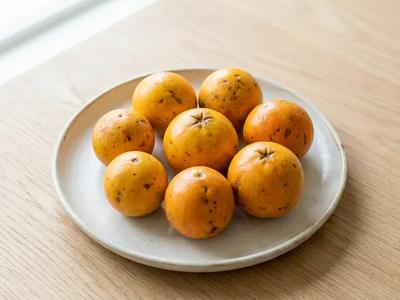
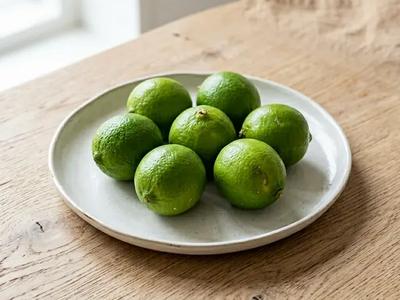
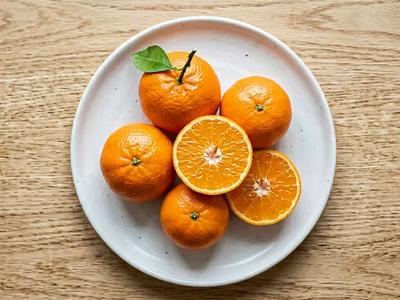
| Lemon | 9.3 g | 2.5 g | 2.8 g | low |
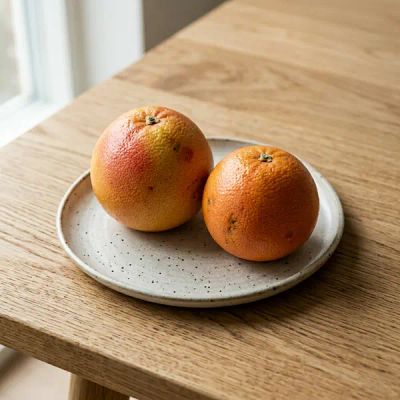
| Grapefruit | 10.7 g | 7 g | 1.6 g | low |
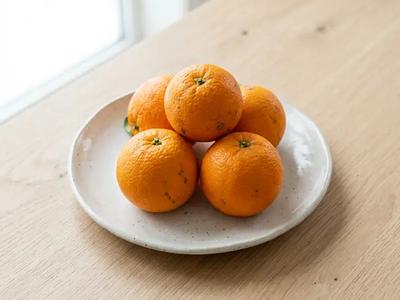
| Orange | 11.8 g | 9.4 g | 2.4 g | low |
| Clementine | 12 g | 9.2 g | 1.7 g | low |
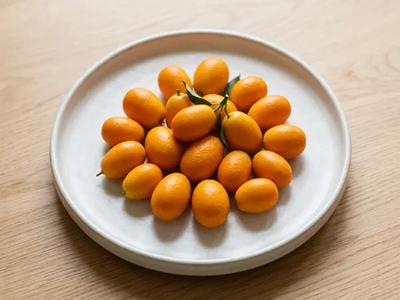
| Tangerine | 13.3 g | 10.6 g | 1.8 g | low |
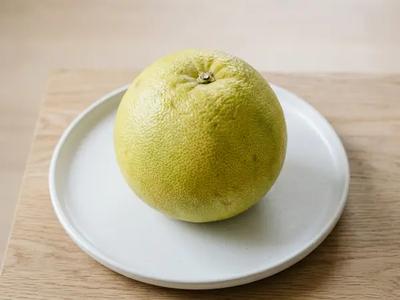
| Pomelo | 9.6 g | 8.6 g | 1 g | low |
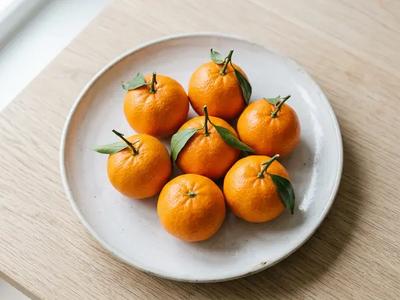
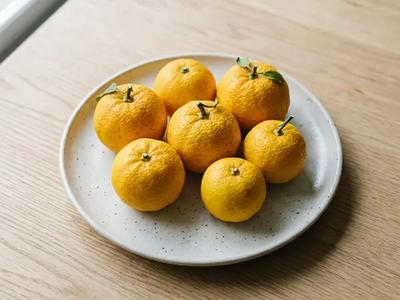
All six sit between 9 and 14 g of carbohydrate per 100 g; lemon carries the least sugar.
| Food | Carbs | Fiber | Fat | Calories | Blood sugar impact |
|---|---|---|---|---|---|
| Tomato | 3.9 g | 1.2 g | 0.2 g | 18 kcal | low |
| Avocado | 8.5 g | 6.7 g | 14.7 g | 160 kcal | low |
| Coconut | 15.2 g | 9 g | 33.5 g | 354 kcal | low |
| Baobab Fruit (fresh pulp) | 35 g | 18 g | 0.3 g | 140 kcal | low |
| Tamarind | 62.5 g | 5.1 g | 0.6 g | 239 kcal | medium |
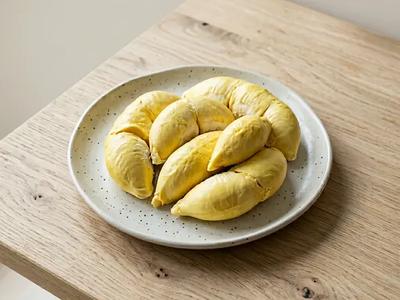
| Durian | 27.1 g | 3.8 g | 5.3 g | 147 kcal | medium |
Avocado and coconut get their energy from fat; tamarind carries 62.5 g of carbohydrate per 100 g, eight times a strawberry's.
Figures from each food's entry in this library. Open a food for its full profile and portion notes.
72 foods in this category, each rated for glycemic impact and blood sugar effect.
Track how fruits affects your blood sugar with the SugarCurve app — free to download.
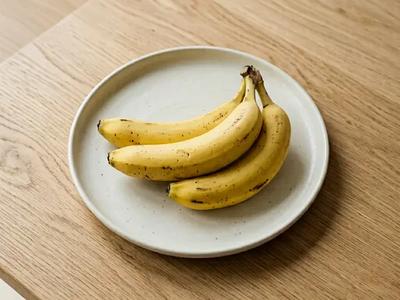
Start Free Trial →Banana carries about 23 g of carbohydrate per 100 g in this library, the most of the everyday fruits here, and the NHS counts one banana as a portion. Diabetes UK's general advice is to spread fruit through the day rather than have a lot of carbohydrate at once. Your dietitian can say how a banana fits your plan.[1] [2]
For 5 A Day, yes: the NHS counts frozen fruit, and a portion is the same amount as fresh, such as 2 handfuls of frozen blueberries. The library's figures are for fresh fruit; a plain frozen fruit with nothing added carries the same.[1] [4]
The page here says ripe only, and it's worth knowing how thin the evidence is: one 2002 study in rats, in which ripe papaya did no harm and the latex of unripe papaya made uterine tissue contract, with the authors calling for human studies. No health agency advises on papaya in pregnancy. The NHS counts 1 slice of papaya as a portion.[1] [7]
The National Kidney Foundation says people with kidney disease should avoid star fruit, and that healthy kidneys clear its toxin. It says nothing about pregnancy. The star fruit page here extends that to pregnancy-related kidney problems such as preeclampsia; that extension is the library's, not the foundation's, so ask your care team if it applies to you.[5]
Every pregnancy is different, and gestational diabetes is managed differently depending on your readings, your medication and how far along you are. The ratings and portions on this page are general information — not a diagnosis, a treatment plan or a medical device — and they cannot see your results.
Contact your care team the same day if: your readings stay above target for several days; you have a reading below 54 mg/dL (3.0 mmol/L) or needed someone else's help to treat a low; you test positive for ketones; or your baby is moving less than usual. Seek emergency care for confusion, fainting, repeated vomiting, or a low you cannot bring back up.
By using this guide, you agree to our Terms and Conditions. How we write, source and review this content: editorial policy.
Compiled and reviewed by Dalo Labs ApS. Numbered references in the text point to the sources below. Not endorsed by or affiliated with any referenced organization. · Last reviewed: August 25, 2026
SugarCurve plans your week, turns cravings into recipes and shows how your readings respond to what you eat, so following your care team's advice takes less guesswork, day after day.
7 days free, then a subscription. Cancel anytime before the trial ends.