Proteins
Most of the plant proteins here carry little carbohydrate, and none carries a pregnancy caution. They are tofu in four firmnesses, a fava bean tofu, tempeh, lupin tempeh, natto, seitan and textured soy protein (TVP). So this guide is about telling them apart: how much protein each gives, where the carbohydrate is, which allergens they carry, and what to watch if they are your main protein in pregnancy. The Proteins guide sets them against meat and fish, and covers the meat rules. Beans, lentils and chickpeas have a guide of their own under Legumes and Pulses, and plant milks and yogurts are under Plant-based Dairy Alternatives.
See what works for you. Try SugarCurve free for 7 days
10 foodsLast reviewed: September 11, 2026Sources




No foods found for your search.
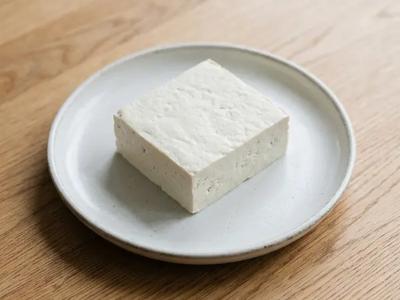
The firmest tofu here: about 8 g of protein and under 3 g of carbohydrate per 100 g.
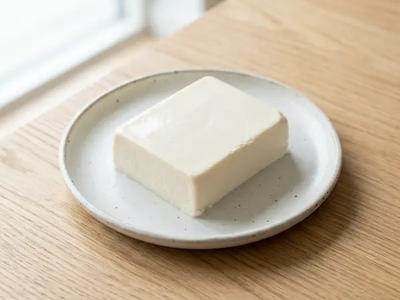
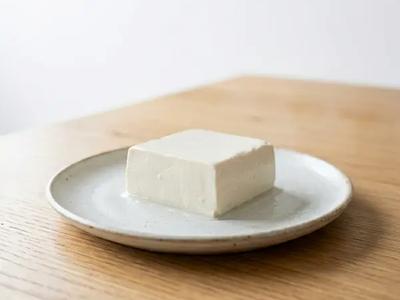
The softest tofu here, with about 6 g of protein and under 3 g of carbohydrate per 100 g.
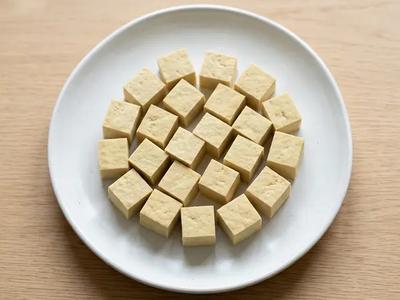
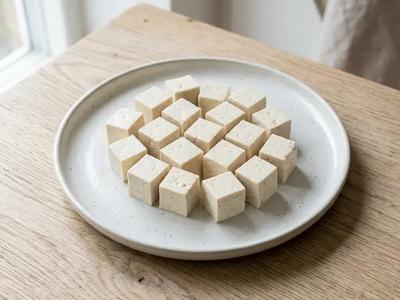
The soy-free tofu: about 14 g of protein and 8 g of carbohydrate per 100 g.
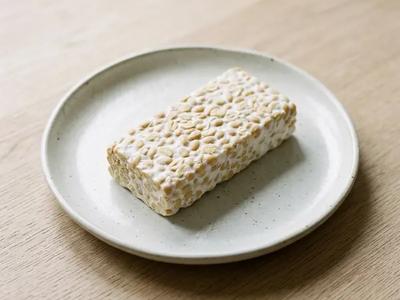
About 20 g of protein and 6.5 g of fibre per 100 g.
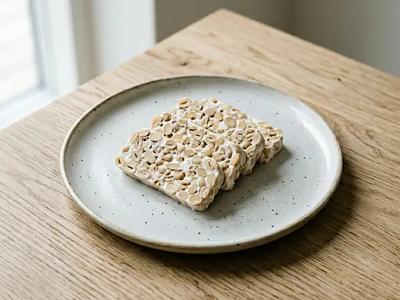
The most fibre here after TVP, 9 g per 100 g; lupin is a regulated allergen.
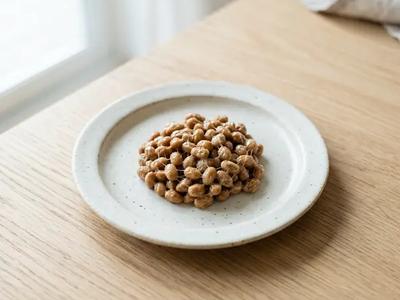
About 19 g of protein per 100 g, and 13 g of carbohydrate, the most of the fresh soy foods here.
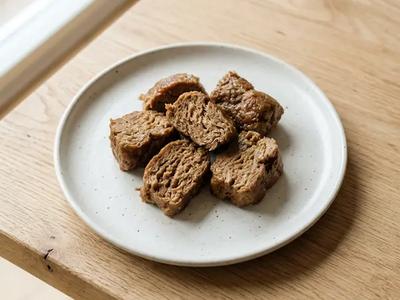
About 25 g of protein and 4 g of carbohydrate per 100 g; it is wheat gluten.
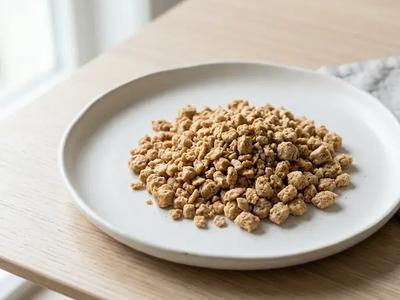
Here for its dry figures: weigh it before soaking to count its 34 g of carbohydrate per 100 g.
Eight of the ten foods here, picked to show the range: three tofus from silken to soy-free, the two tempehs, natto, seitan and TVP. None of the plant proteins in this library carries a pregnancy caution.
In this library, protein rises with firmness, from about 6 g per 100 g in silken tofu to about 8 g in firm and extra-firm, with 2 to 3 g of carbohydrate throughout. For calcium, it's the way the tofu is made that counts: the NHS lists calcium-set tofu among the calcium sources for people on a vegan diet, and the British Nutrition Foundation describes it as tofu prepared using calcium. The ingredients list will say.[1] [2]
The British Nutrition Foundation calls soya a particularly good protein source for vegetarians and vegans, because it contains a good range of essential amino acids. Tempeh and natto concentrate it: in this library they carry about 20 g of protein per 100 g, against tofu's 8 g. They also carry more carbohydrate, about 8 g in tempeh and 13 g in natto, so count them in a meal's carbohydrate where tofu barely registers.[2]
Denmark's food agency points out that processed products made mainly from soy or wheat protein don't contain the same nutrients as beans and lentils. TVP is sold dry, and this library's figures for it are per 100 g dry: 52 g of protein and 34 g of carbohydrate. Soaking adds water and weight, so weigh it dry if you are counting carbohydrate. Seitan is wheat gluten, with about 25 g of protein and 4 g of carbohydrate per 100 g.[2] [3]
Soybeans, lupin and cereals containing gluten, such as wheat, are all among the 14 allergens regulated in the UK. That covers every food in this group: the tofus, tempeh, natto and TVP are soy, lupin tempeh is lupin, seitan is wheat gluten, and fava bean tofu is the one soy-free tofu here.[4] [5]
The NHS says that on a vegan diet you may need a vitamin B12 supplement, and suggests fortified foods or supplements for vitamin D, B12, iodine, selenium and calcium. The British Nutrition Foundation adds that iodine needs rise in pregnancy, that vegans are at risk of iodine deficiency, and that fortified foods are a vegan's only reliable source of B12. Your midwife or care team can check what you need.[1] [2]
| Food | Protein | Carbs | Fat | Blood sugar impact |
|---|---|---|---|---|
| Silken Tofu | 5.8 g | 2.8 g | 2.7 g | low |
| Soft Tofu | 6.9 g | 2.4 g | 3.5 g | low |
| Firm Tofu | 8.1 g | 1.9 g | 4.8 g | low |
| Extra-Firm Tofu | 8.2 g | 2.8 g | 4.8 g | low |
| Fava Bean Tofu | 14 g | 8 g | 4 g | low |
Protein rises from 5.8 g per 100 g in silken tofu to 8.2 g in extra-firm; fava bean tofu carries 14 g, with 8 g of carbohydrate.
| Food | Carbs | Fiber | Protein | Blood sugar impact |
|---|---|---|---|---|
| Tempeh | 7.6 g | 6.5 g | 20.3 g | low |
| Lupin Tempeh | 10 g | 9 g | 22 g | low |
| Natto | 13 g | 5.4 g | 19 g | low |
| Seitan (wheat gluten) | 4 g | 0.6 g | 25.1 g | low |
| Textured Soy Protein (TVP) | 34 g | 17 g | 52 g | low |
TVP's figures are dry weight: 52 g of protein and 34 g of carbohydrate per 100 g. Of the rest, natto carries the most carbohydrate, 13 g.
Figures from each food's entry in this library. Open a food for its full profile and portion notes.
10 foods in this category, each rated for glycemic impact and blood sugar effect.
Track how plant-based proteins affects your blood sugar with the SugarCurve app — free to download.
Start Free Trial →Yes. None of the plant proteins in this library carries a pregnancy caution, and the British Nutrition Foundation, which the NHS links to for vegetarian and vegan pregnancy, lists tofu and other soya foods among good protein sources.[2]
Calcium-set tofu, made using calcium. The NHS lists it among the calcium sources for people on a vegan diet; the ingredients list tells you whether a tofu is calcium-set.[1] [2]
The British Nutrition Foundation says every pregnant woman should take 400 µg of folic acid and 10 µg of vitamin D a day, and that fortified foods are a vegan's only reliable source of B12. The NHS suggests considering fortified foods or supplements for B12, iodine, selenium and calcium on a vegan diet. Ask your midwife which you need.[1] [2]
No. Seitan is made from wheat gluten, and cereals containing gluten, such as wheat, are one of the 14 allergens regulated in the UK. In this library, tofu, tempeh and natto list soy rather than gluten among their allergens, and fava bean tofu lists neither; check the label on the pack you buy.[4] [5]
Every pregnancy is different, and gestational diabetes is managed differently depending on your readings, your medication and how far along you are. The ratings and portions on this page are general information — not a diagnosis, a treatment plan or a medical device — and they cannot see your results.
Contact your care team the same day if: your readings stay above target for several days; you have a reading below 54 mg/dL (3.0 mmol/L) or needed someone else's help to treat a low; you test positive for ketones; or your baby is moving less than usual. Seek emergency care for confusion, fainting, repeated vomiting, or a low you cannot bring back up.
By using this guide, you agree to our Terms and Conditions. How we write, source and review this content: editorial policy.
Compiled and reviewed by Dalo Labs ApS. Numbered references in the text point to the sources below. Not endorsed by or affiliated with any referenced organization. · Last reviewed: September 11, 2026
SugarCurve plans your week, turns cravings into recipes and shows how your readings respond to what you eat, so following your care team's advice takes less guesswork, day after day.
7 days free, then a subscription. Cancel anytime before the trial ends.