Proteins
Prawns, crab and lobster carry almost no carbohydrate. Most molluscs, such as mussels, clams and octopus, carry 2 to 7 g per 100 g, and imitation crab 7.6 g. Mercury isn't the worry here either: every shellfish on the FDA's lists is a Best Choice. The rules that matter in pregnancy are about raw shellfish, how to tell shellfish is cooked, and the brown meat in crab. 7 of the 19 foods here carry a caution: oysters, mussels, clams, cockles, scallops and sea urchin, which are often eaten raw or lightly cooked, and crab for its brown meat. The guide follows the NHS and the US FDA. National advice differs, especially on crab in Denmark and cooked peeled prawns in France, so check your own health service's too. Smoked fish and sushi are in the Fish guide.
See what works for you. Try SugarCurve free for 7 days
19 foodsLast reviewed: August 26, 2026Sources


No foods found for your search.
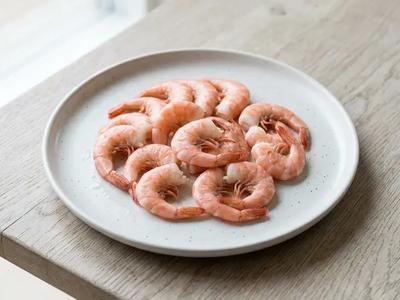
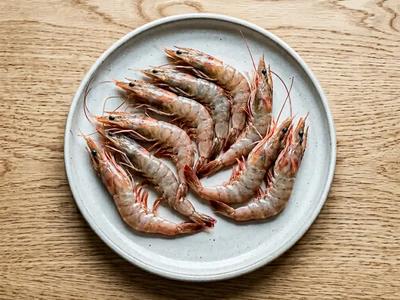
About 24 g of protein and almost no carbohydrate or fat per 100 g; cook raw prawns until pearly and opaque.
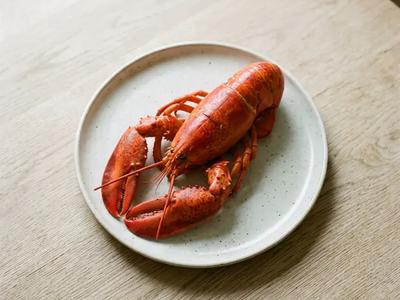
About 19 g of protein per 100 g, with no carbohydrate.
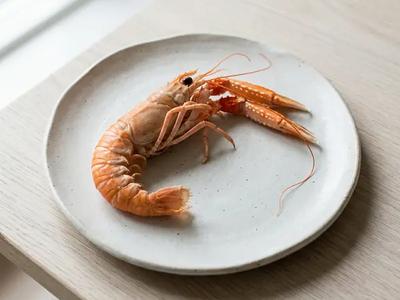
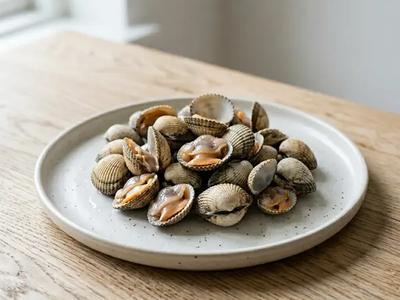
About 19 g of protein per 100 g, and one of the shellfish the NHS names.
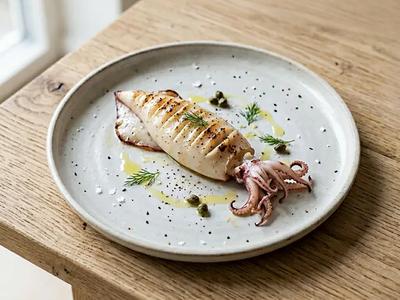
About 16 g of protein and 3 g of carbohydrate per 100 g; an FDA Best Choice.
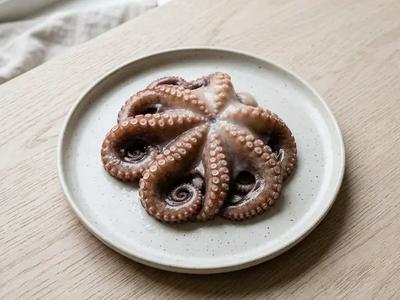
About 30 g of protein per 100 g, the most in this group, with 4.4 g of carbohydrate.
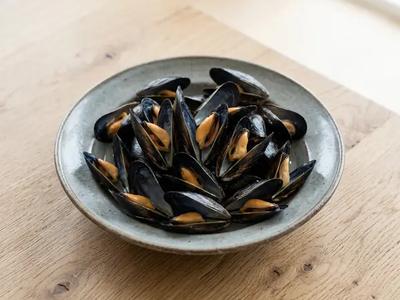
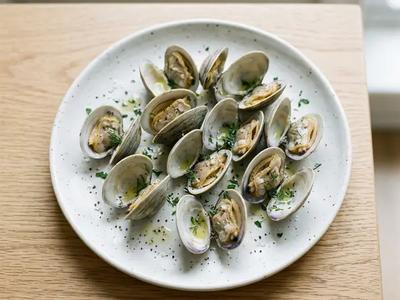
Here for the cooking rule: cook until the shells open, and throw away any that stay shut.
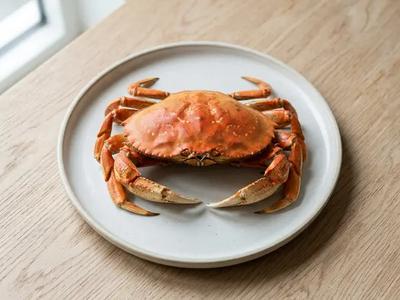
Here for its limit: white meat freely, brown meat only now and then, for its cadmium.
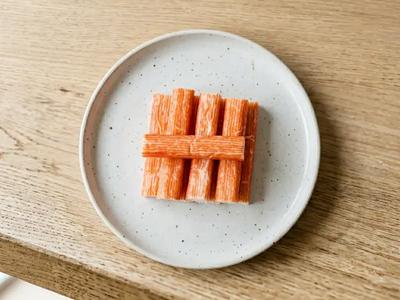
Here for its carbohydrate: 7.6 g per 100 g, where real crab has none.
Five shellfish picked for protein and low carbohydrate, and three that are here for their rule: mussels for cooking, crab for its brown meat, imitation crab for its carbohydrate. None of the foods here is marked avoid.
The NHS says raw or not thoroughly cooked mussels, clams and oysters can contain viruses and bacteria that cause food poisoning, and that in pregnancy you should avoid raw or lightly cooked shellfish. The FDA goes further on oysters: pregnant women should avoid raw oysters even if they have been treated after harvest. That is why the six shellfish usually served raw or barely cooked are marked here to eat only when cooked through.[1] [2]
The FDA gives 145°F (63°C) for most seafood, and a visual test for each kind. Prawns, scallops, crab and lobster are done when the flesh turns firm, pearly and opaque. Clams, mussels and oysters are done when the shells open, and any that stay shut should be thrown away. Scallops seared so they are still translucent in the middle don't pass that test.[2]
The NHS says to throw away live mussels, oysters and clams if the shells are cracked or broken, or if they are open and don't close when tapped, and not to keep live shellfish in an airtight container, because they need to breathe. The FDA adds that sacks of live shellfish should carry a tag, and that live crabs and lobsters should show some leg movement.[1] [2]
The NHS says brown crab meat, from the body, contains cadmium, which can affect bones and kidneys in large amounts, and sets no maximum for white crab meat or for other shellfish. This library follows that: crab is marked limit, with the white meat fine and the brown meat kept to an occasional small serving.[1]
Clams, crab, crawfish, lobster, oysters, scallops, shrimp and squid are all on the FDA's Best Choices list for mercury, the list it suggests two or three servings a week from in pregnancy. With shellfish, the question in pregnancy is how it's cooked, not how often you eat it.[3]
| Food | Carbs | Sugars | Protein | Blood sugar impact |
|---|---|---|---|---|
| Prawns | 0.2 g | 0 g | 24 g | low |
| Crab Caution | 0 g | 0 g | 18.1 g | low |
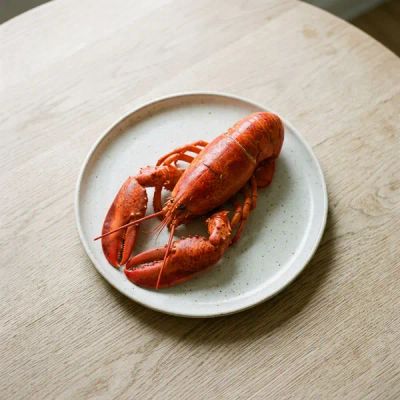
| Lobster | 0 g | 0 g | 19 g | low |
| Clams Caution | 5.1 g | 0 g | 25.5 g | low |
| Mussels Caution | 7.4 g | 0 g | 24 g | low |
| Imitation Crab (Surimi) | 7.6 g | 2.8 g | 15.1 g | medium |
Prawns, crab and lobster list 0 to 0.2 g of carbohydrate per 100 g; mussels 7.4 g and imitation crab 7.6 g.
| Food | Carbs | Protein | Sodium | Blood sugar impact |
|---|---|---|---|---|
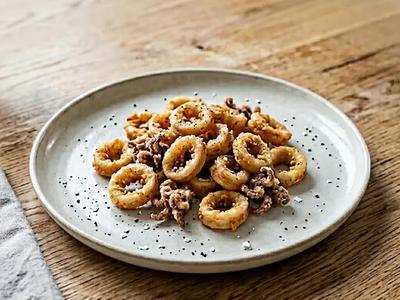
| Squid | 3.1 g | 15.6 g | 44 mg | low |
| Octopus | 4.4 g | 29.8 g | 460 mg | low |
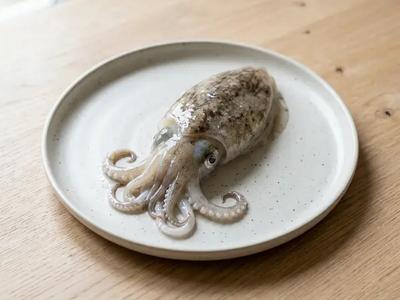
| Cuttlefish | 0.8 g | 16.2 g | 380 mg | low |
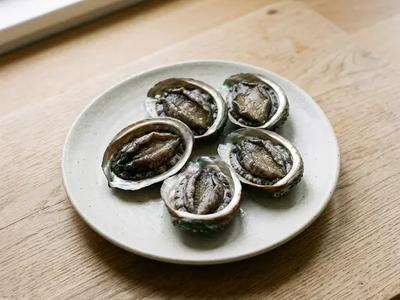
| Abalone | 6 g | 17.1 g | 301 mg | low |
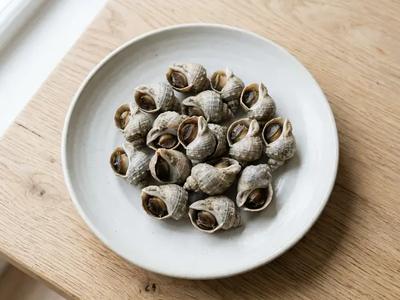
| Whelks | 2.7 g | 24 g | 250 mg | low |
| Scallops Caution | 2.4 g | 16.8 g | 161 mg | low |
Between 0.8 g (cuttlefish) and 6 g (abalone) of carbohydrate per 100 g.
| Food | Sodium | Protein | Blood sugar impact |
|---|---|---|---|
| Prawns | 111 mg | 24 g | low |
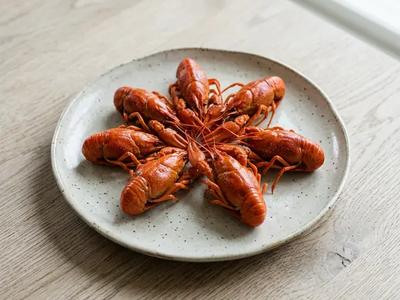
| Crayfish | 198 mg | 16.8 g | low |
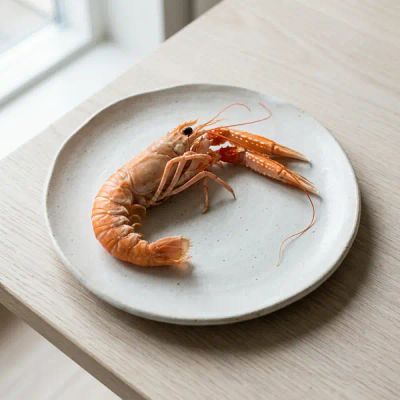
| Langoustine | 270 mg | 19.4 g | low |
| Octopus | 460 mg | 29.8 g | low |
| Lobster | 480 mg | 19 g | low |
| Imitation Crab (Surimi) | 912 mg | 15.1 g | medium |
From 111 mg of sodium per 100 g in prawns to 912 mg in imitation crab.
Figures from each food's entry in this library. Open a food for its full profile and portion notes.
19 foods in this category, each rated for glycemic impact and blood sugar effect.
Track how shellfish affects your blood sugar with the SugarCurve app — free to download.
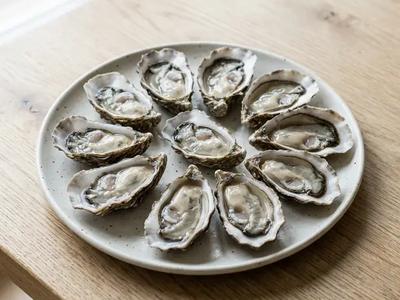
Start Free Trial →Cooked, yes; raw, no. The NHS says to avoid raw or lightly cooked shellfish in pregnancy, and the FDA says to avoid raw oysters even if they have been treated after harvest. Cooked oysters are done when the shells open.[1] [2]
Cooked prawns, yes: the NHS lists cooked shellfish, prawns included, among the foods that are safe in pregnancy. Cook raw prawns until the flesh is firm, pearly and opaque.[1] [2] [4]
White crab meat is, cooked: the NHS sets no maximum for it. Brown crab meat contains cadmium, so this library suggests keeping it to an occasional small serving.[1]
Every pregnancy is different, and gestational diabetes is managed differently depending on your readings, your medication and how far along you are. The ratings and portions on this page are general information — not a diagnosis, a treatment plan or a medical device — and they cannot see your results.
Contact your care team the same day if: your readings stay above target for several days; you have a reading below 54 mg/dL (3.0 mmol/L) or needed someone else's help to treat a low; you test positive for ketones; or your baby is moving less than usual. Seek emergency care for confusion, fainting, repeated vomiting, or a low you cannot bring back up.
By using this guide, you agree to our Terms and Conditions. How we write, source and review this content: editorial policy.
Compiled and reviewed by Dalo Labs ApS. Numbered references in the text point to the sources below. Not endorsed by or affiliated with any referenced organization. · Last reviewed: August 26, 2026
SugarCurve plans your week, turns cravings into recipes and shows how your readings respond to what you eat, so following your care team's advice takes less guesswork, day after day.
7 days free, then a subscription. Cancel anytime before the trial ends.