Proteins
Plain chicken, turkey and duck carry no carbohydrate; in this library the processed products, such as sausages, deli slices and sticks, carry 1 to 4 g per 100 g. So this guide is about cooking poultry safely in pregnancy, the fat in the skin, sliced meats, liver and game birds. The Proteins guide gives the headline rules; this one goes further for poultry. 12 of the 33 foods here carry a caution: four livers for vitamin A, the sliced and cured products for listeria, turkey sausage for undercooking, and pheasant for lead shot. The guide follows the NHS. Some pages here don't match it yet, on cooking plain cuts, sliced meats and goose, and the guide says where. Check your own health service's advice too.
See what works for you. Try SugarCurve free for 7 days
33 foodsLast reviewed: September 3, 2026Sources



No foods found for your search.
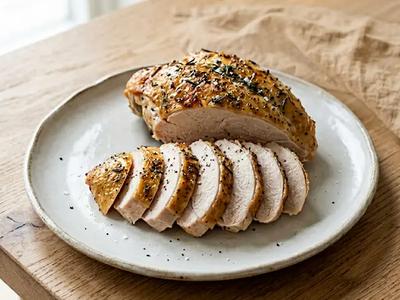
About 29 g of protein and under 4 g of fat per 100 g, as lean as chicken breast.
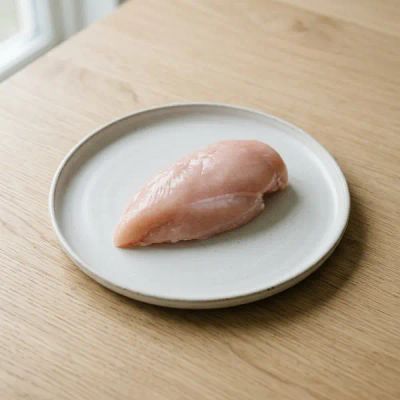
About 31 g of protein per 100 g; skinless, it carries under 4 g of fat.
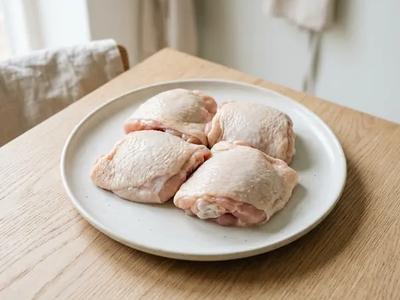
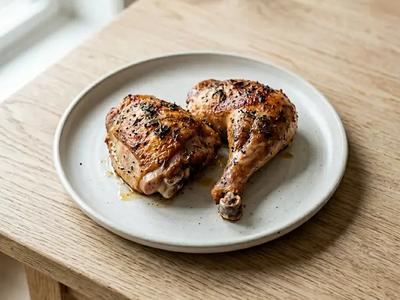
A little more fat than breast, about 8 g per 100 g, and about 24 g of protein.
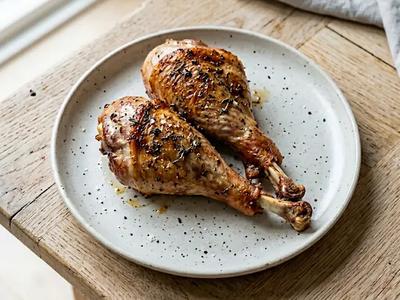
About 28 g of protein and 7.5 g of fat per 100 g; cook until the juices run clear.
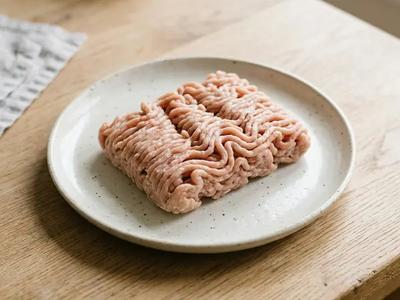
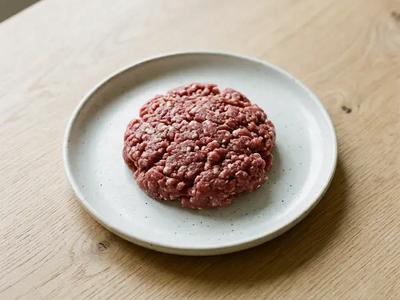
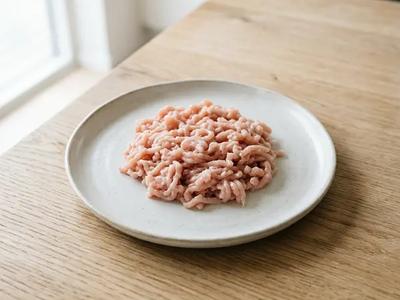
About 27 g of protein per 100 g; like any mince, cook it with no pink left.
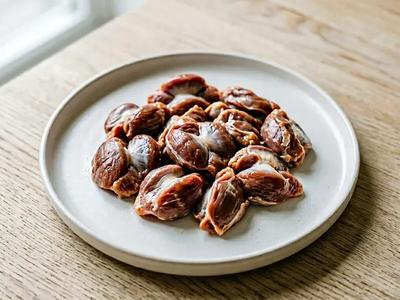
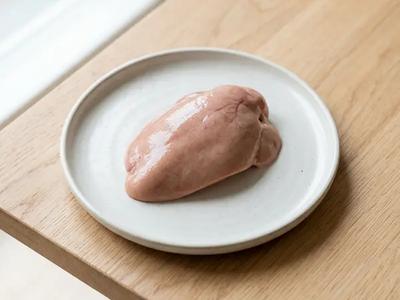
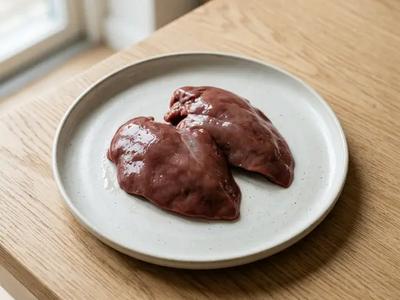
About 30 g of protein and under 3 g of fat per 100 g, the leanest poultry offal here.
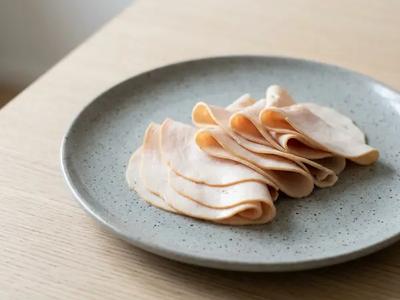
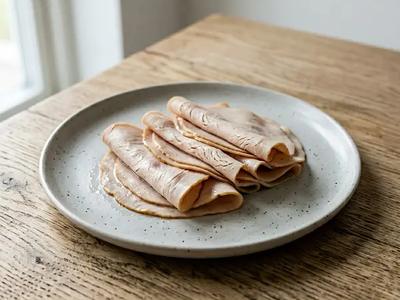
Here for the sliced-meat rule: kept chilled and eaten by its use-by date, by the NHS.
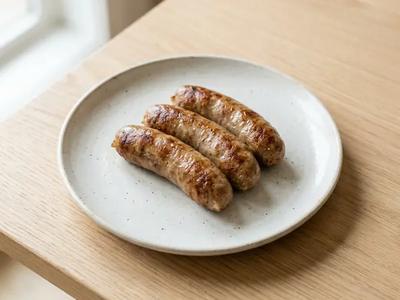
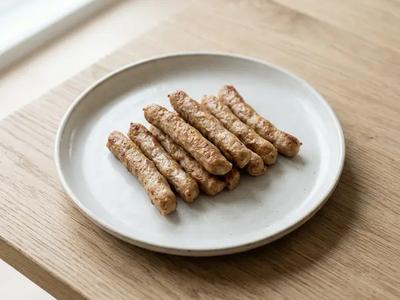
Here for the cooking rule: cooked right through with no pink left in the middle.
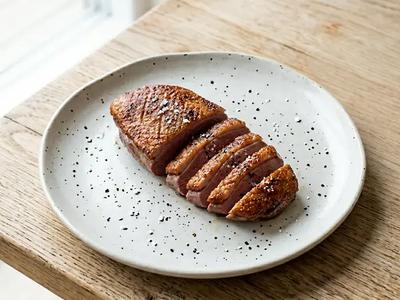
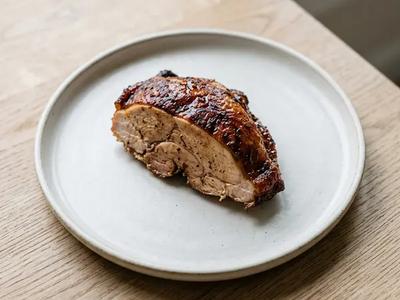
Six plain cuts and mince, picked for protein and fat, and two foods that are here for their rule: chicken deli slices for how to keep them, turkey sausage for cooking. None of the four livers, all marked avoid, is featured, and neither is goose or pheasant while their badges disagree with the NHS.
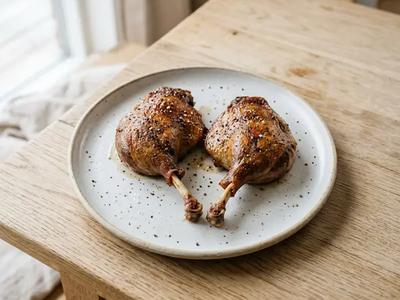
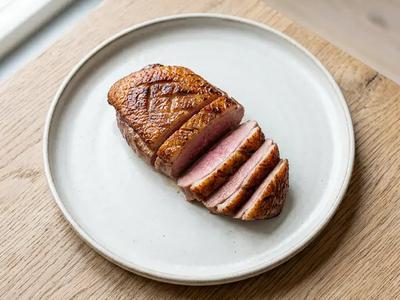
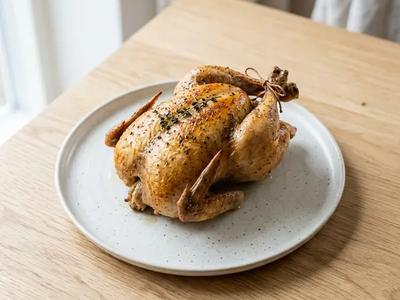
The NHS's pregnancy page names chicken, turkey and duck among the meats to cook thoroughly, with no trace of pink or blood. Its general meat page explains why: bacteria can be found all the way through poultry, so it needs cooking until the juices run clear and it's steaming hot throughout. The CDC gives 165°F (74°C) inside, checked with a food thermometer. Duck breast served pink doesn't meet that rule. In this library, turkey sausage carries the condition; the plain cuts and poultry mince don't yet.[1] [2] [3]
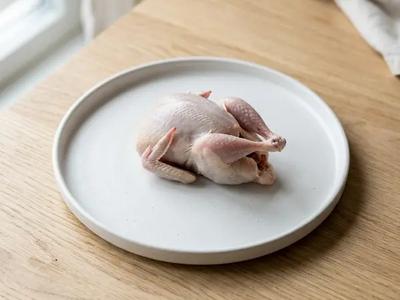
The NHS says washing meat before cooking increases the risk of food poisoning, because the water splashes bacteria onto surfaces. The CDC puts it plainly: raw chicken is ready to cook and doesn't need washing. It also says never to put cooked food or fresh produce on a board or plate that held raw chicken. Cooking, not rinsing, is what kills the bacteria.[2] [3]
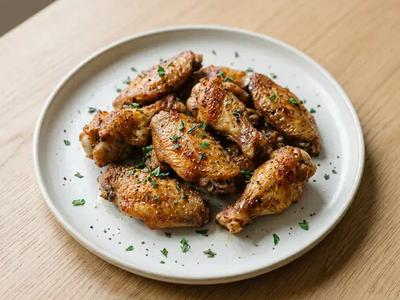
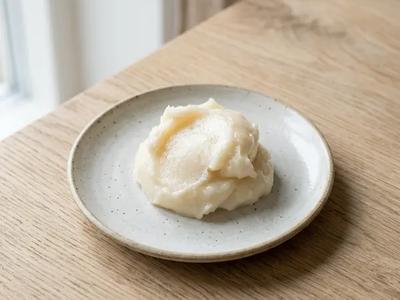
The NHS suggests choosing chicken and turkey without the skin, or taking it off before cooking, because poultry skin is much higher in fat than the meat. In this library, chicken skin on its own carries 58 g of fat per 100 g, against 3.6 g in chicken breast. Wings, eaten with their skin, carry about 20 g.[2]
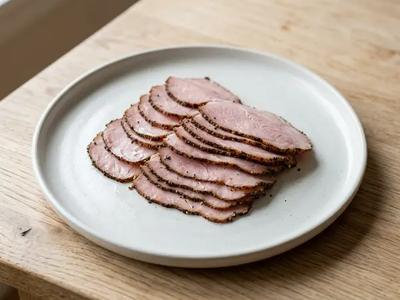
The NHS says cold pre-cooked meats such as ham or chicken can be eaten in pregnancy if they are kept chilled and eaten before the use-by date. This library's pages for chicken and turkey deli slices, smoked turkey and turkey pastrami go further and say to heat them until steaming hot, which is stricter. The NHS also counts sliced luncheon meats, including chicken and turkey, as processed meat.[1] [2]
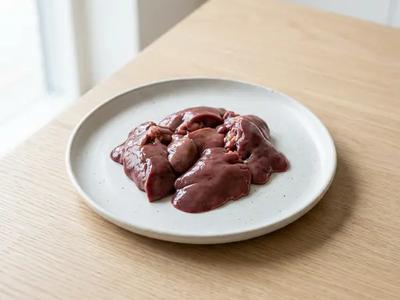
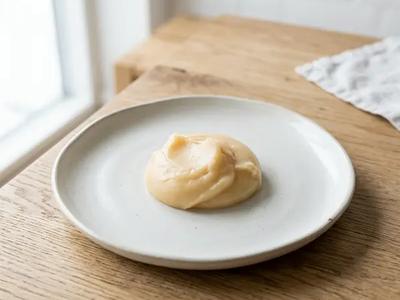
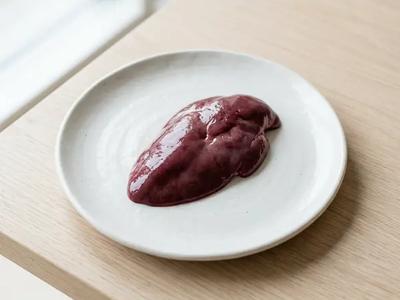
Chicken, duck, goose and turkey liver are all marked avoid here, because the NHS lists liver and liver products among the foods to avoid in pregnancy for their vitamin A. That takes in chicken liver pâté. The NHS's two pages differ on other pâté: the pregnancy page says meat pâté is fine kept chilled and eaten before its use-by date, while the general meat page lists pâté of all types to avoid in pregnancy.[1] [2]
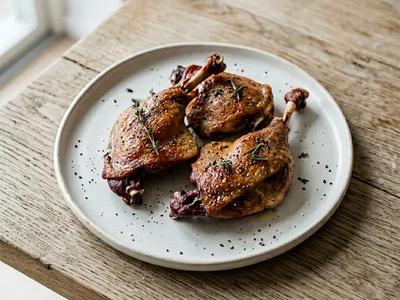
The NHS lists goose, partridge and pheasant among the game meats to avoid in pregnancy, because they may contain lead. This library doesn't match that yet: goose breast and legs are marked safe here, and pheasant carries only a condition about how it was shot. Until those pages are corrected, follow the NHS.[1]
| Food | Fat | Saturated fat | Protein | Blood sugar impact |
|---|---|---|---|---|
| Chicken Breast | 3.6 g | 1 g | 31 g | low |
| Turkey Breast | 3.6 g | 1 g | 29 g | low |
| Chicken thighs | 8.2 g | 2.3 g | 24.1 g | low |
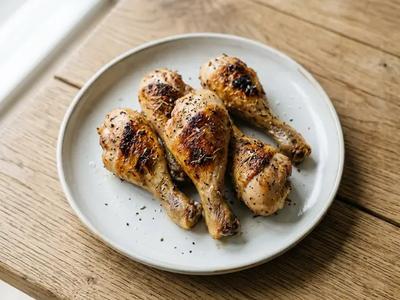
| Chicken drumsticks | 12 g | 3.5 g | 27 g | low |
| Chicken Wings | 20 g | 5.7 g | 27 g | low |
| Chicken Skin | 58.2 g | 16.5 g | 18.5 g | low |
From 3.6 g of fat per 100 g in chicken and turkey breast to 20 g in wings and 58 g in chicken skin alone.
| Food | Fat | Protein | Calories | Blood sugar impact |
|---|---|---|---|---|
| Chicken Breast | 3.6 g | 31 g | 165 kcal | low |
| Turkey Breast | 3.6 g | 29 g | 135 kcal | low |
| Ground turkey | 7.2 g | 27.1 g | 176 kcal | low |
| Quail | 4.5 g | 21.8 g | 134 kcal | low |
| Duck breast | 28 g | 19 g | 337 kcal | low |
| Goose breast | 31.8 g | 22.8 g | 371 kcal | low |
Duck and goose breast carry 28 to 32 g of fat per 100 g; chicken and turkey breast under 4 g.
| Food | Sodium | Fat | Carbs | Blood sugar impact |
|---|---|---|---|---|
| Chicken Breast | 74 mg | 3.6 g | 0 g | low |
| Chicken deli slices Caution | 890 mg | 2.5 g | 1.8 g | low |
| Turkey Deli Slices Caution | 1,050 mg | 3.8 g | 1.5 g | low |
| Smoked Turkey Caution | 1,150 mg | 2.5 g | 1.2 g | low |
| Turkey Pastrami Caution | 1,150 mg | 5.4 g | 2.1 g | low |
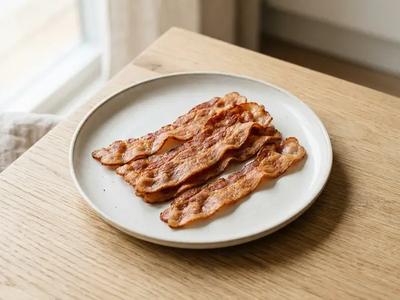
| Turkey Bacon Caution | 1,955 mg | 18.2 g | 1.1 g | low |
Plain chicken breast lists 74 mg of sodium per 100 g; the sliced and cured products 890 to 1,955 mg.
Figures from each food's entry in this library. Open a food for its full profile and portion notes.
33 foods in this category, each rated for glycemic impact and blood sugar effect.
Track how poultry affects your blood sugar with the SugarCurve app — free to download.
Start Free Trial →Not by the NHS's advice. Its pregnancy page names duck, with chicken and turkey, among the meats to cook until there is no trace of pink or blood, so cook duck breast through.[1]
No. The NHS's red meat list is beef, lamb, mutton, pork, veal, venison and goat, so plain poultry sits outside its 70 g a day for red and processed meat. Sliced chicken and turkey are a different case: the NHS counts sliced luncheon meats as processed meat.[2]
By the NHS's advice, yes, if it's kept chilled and eaten before its use-by date. Some pages here advise heating it until steaming hot as well, which is stricter than the NHS.[1]
No, by the NHS's advice. Liver and liver products, which include liver pâté, are on its list of foods to avoid in pregnancy, because of their high vitamin A.[1]
Every pregnancy is different, and gestational diabetes is managed differently depending on your readings, your medication and how far along you are. The ratings and portions on this page are general information — not a diagnosis, a treatment plan or a medical device — and they cannot see your results.
Contact your care team the same day if: your readings stay above target for several days; you have a reading below 54 mg/dL (3.0 mmol/L) or needed someone else's help to treat a low; you test positive for ketones; or your baby is moving less than usual. Seek emergency care for confusion, fainting, repeated vomiting, or a low you cannot bring back up.
By using this guide, you agree to our Terms and Conditions. How we write, source and review this content: editorial policy.
Compiled and reviewed by Dalo Labs ApS. Numbered references in the text point to the sources below. Not endorsed by or affiliated with any referenced organization. · Last reviewed: September 3, 2026
SugarCurve plans your week, turns cravings into recipes and shows how your readings respond to what you eat, so following your care team's advice takes less guesswork, day after day.
7 days free, then a subscription. Cancel anytime before the trial ends.