Proteins
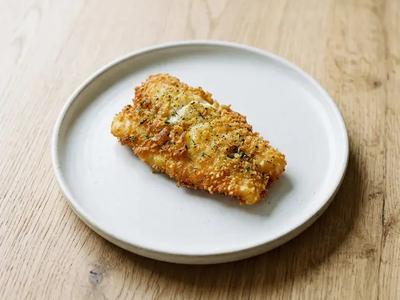
Fresh, unprocessed fish lists 0 g of carbohydrate per 100 g in this library, so this guide isn't really about blood sugar. It's about which fish to choose in pregnancy, how much of it, and how to prepare it. Breaded and battered fish, where the carbohydrate is, is covered in the Proteins guide. 22 of the 52 fish here carry a caution. Sixteen are for mercury, and those mostly follow the US FDA's lists: swordfish is marked avoid, and most of the rest are kept to one serving a week. The other six are smoked, cured, pickled fish or roe, which carry a listeria caution and follow the NHS. National advice differs on both, in places by a lot, so check your own health service's too.
See what works for you. Try SugarCurve free for 7 days
52 foodsLast reviewed: August 24, 2026Sources
No foods found for your search.
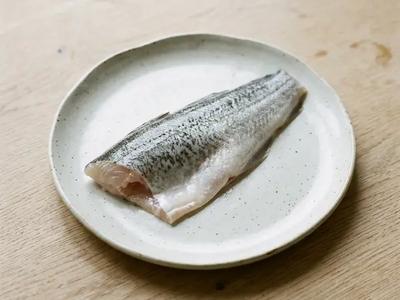
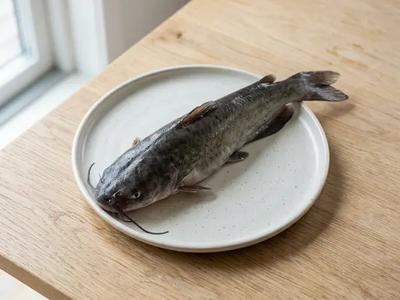
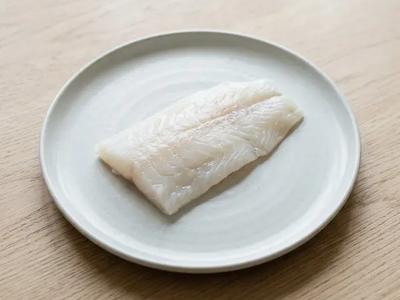
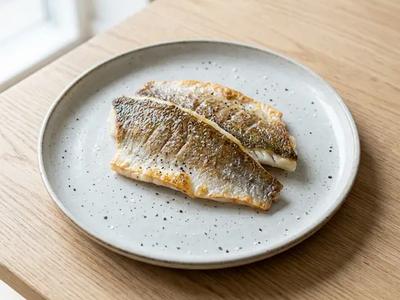
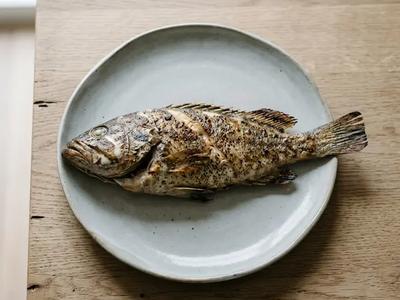
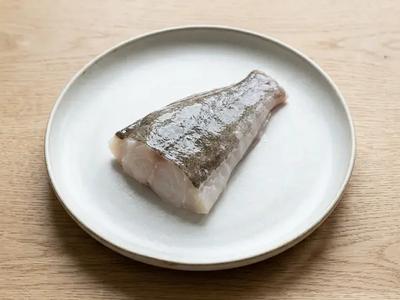
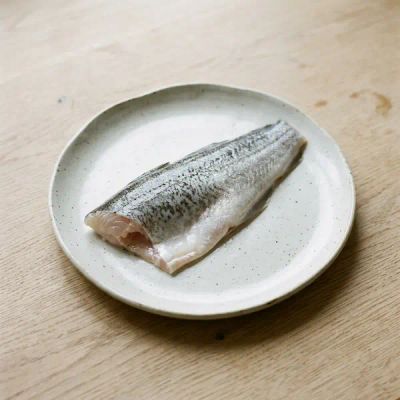
A white fish on the FDA's Best Choices list, with about 19 g of protein and 1 g of fat per 100 g.
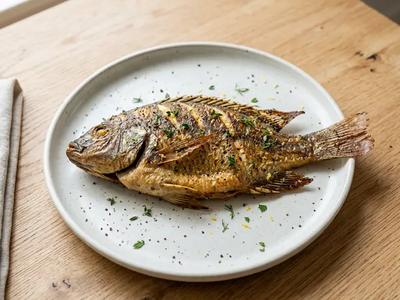
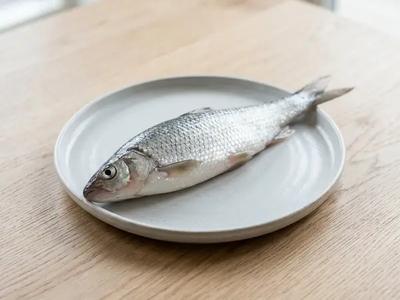
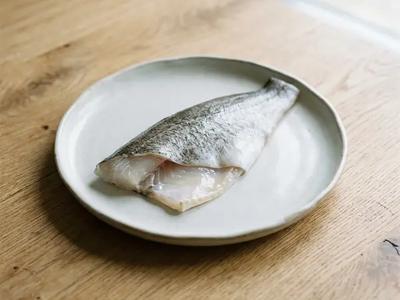
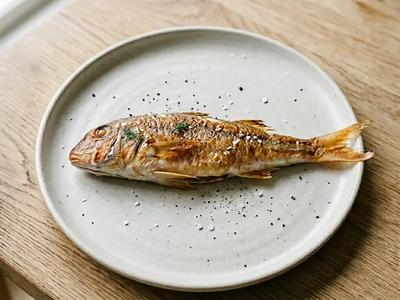
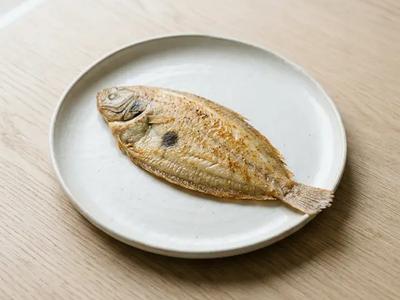
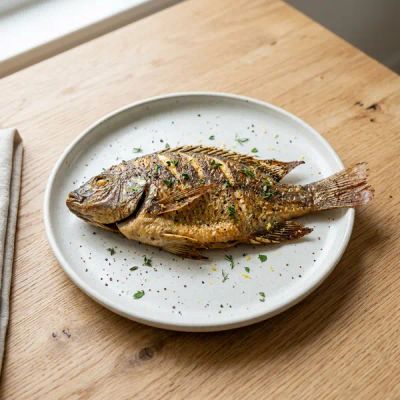
A mild white fish on the FDA's Best Choices list: about 20 g of protein and under 2 g of fat per 100 g.
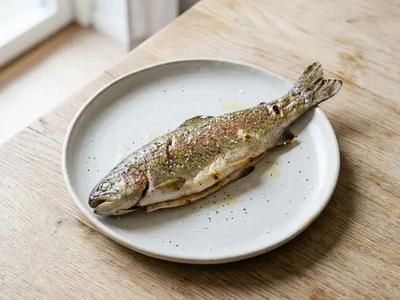
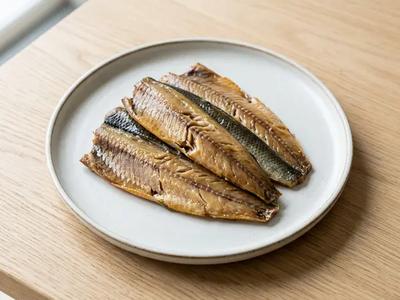
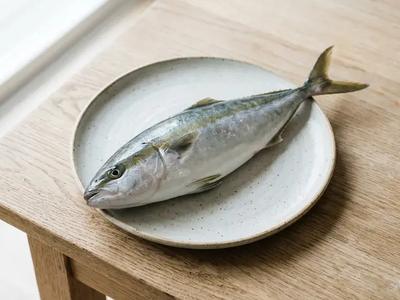
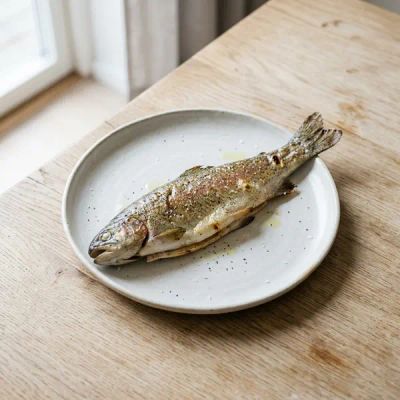
An oily fish on the Best Choices list, and the leanest of the oily fish in the table above, at under 7 g of fat per 100 g.
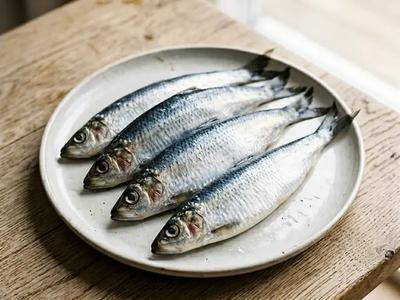
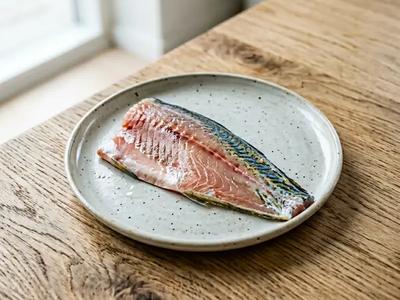
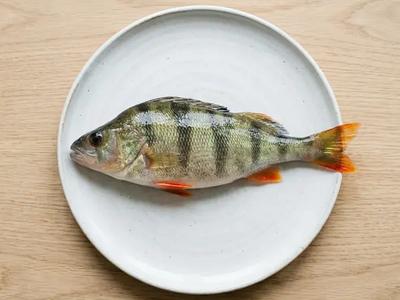
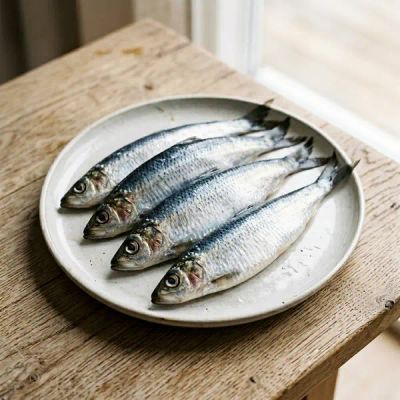
An oily fish with about 23 g of protein per 100 g, and on the FDA's Best Choices list.
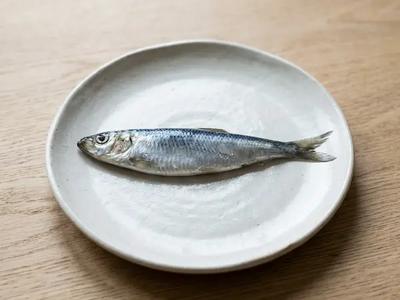
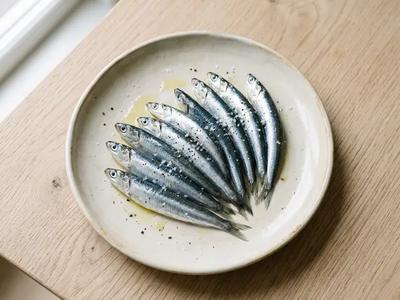
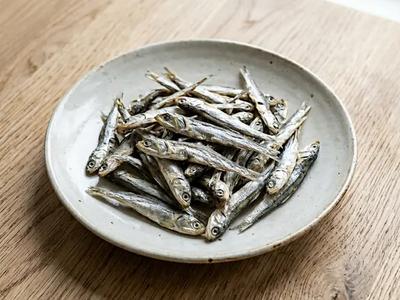
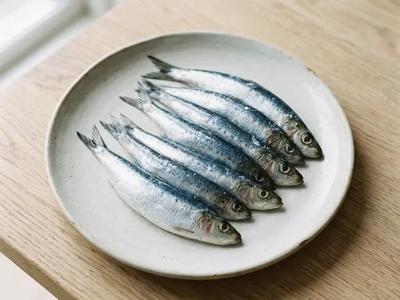
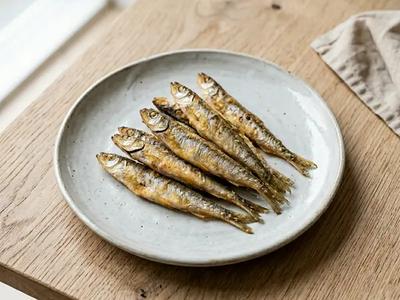
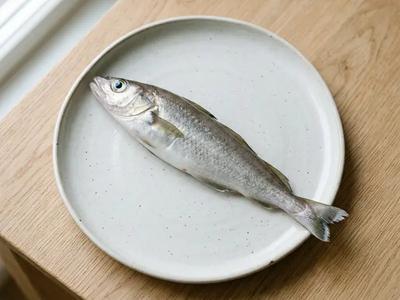
A small oily fish on the NHS's oily-fish list, with about 25 g of protein per 100 g.
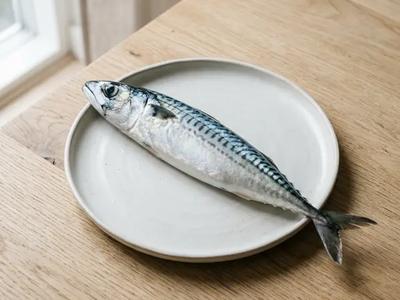
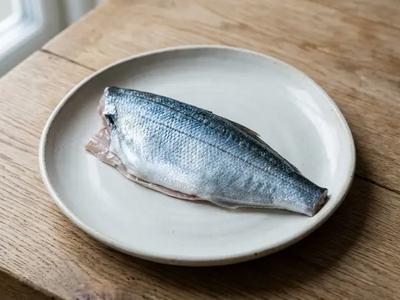
Here for the species rule: Atlantic and Pacific chub mackerel are Best Choices, and king mackerel is one to avoid.
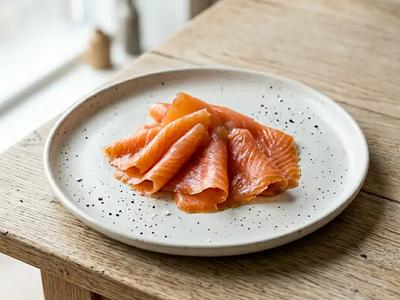
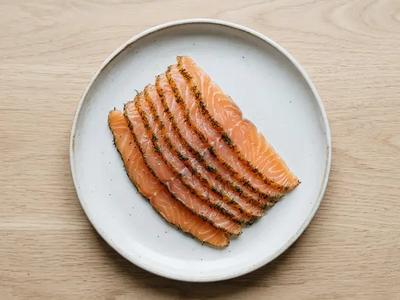
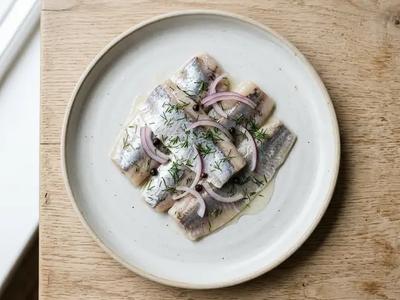
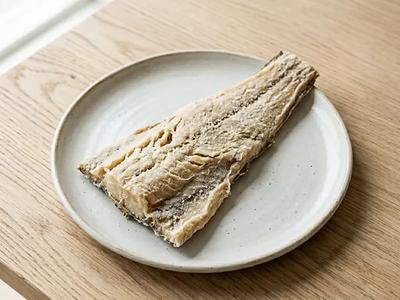
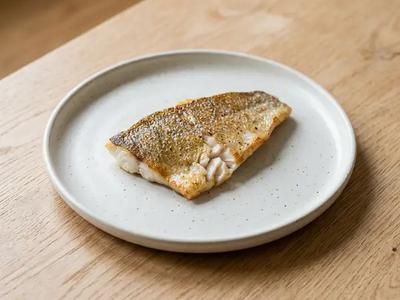
Here for the cooking rule: eat it cooked until steaming hot, not cold in slices.
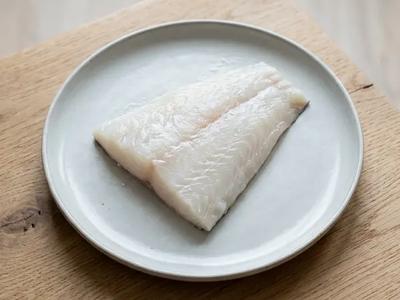
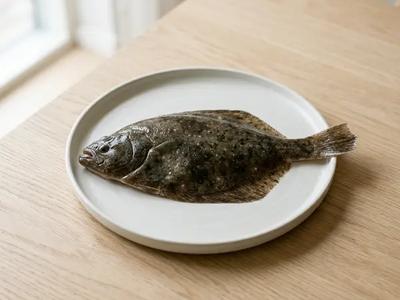
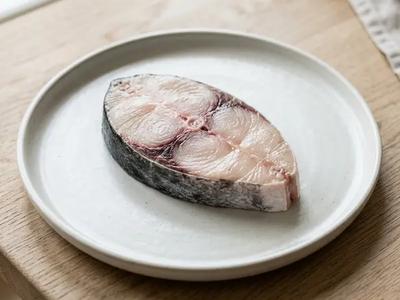
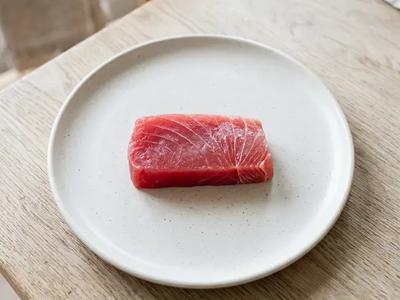
Here for the one-serving rule: a Good Choice on the FDA's list, so one serving of about 115 g a week.
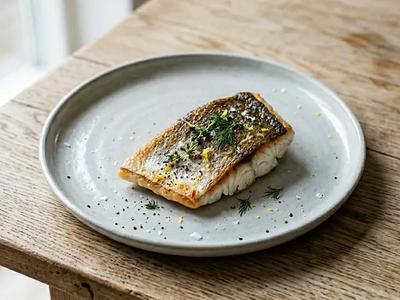
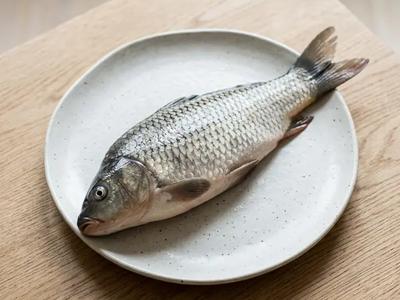
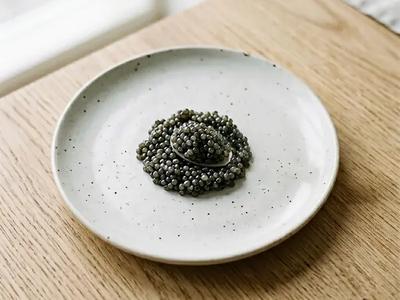
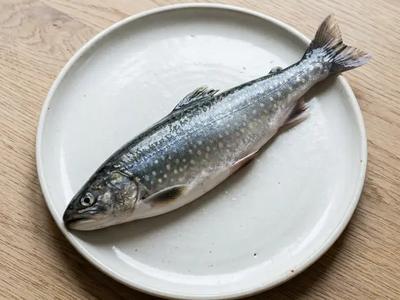
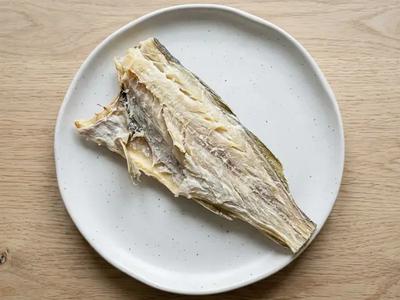
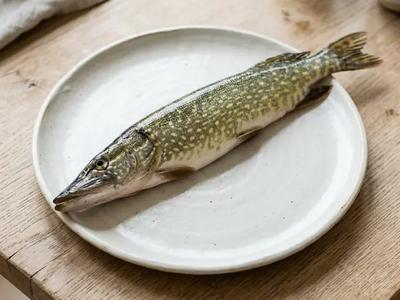
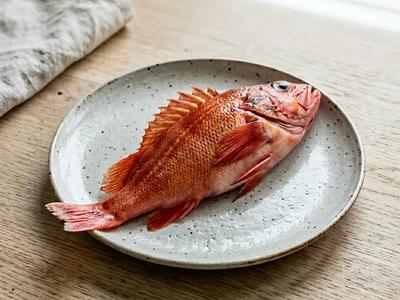
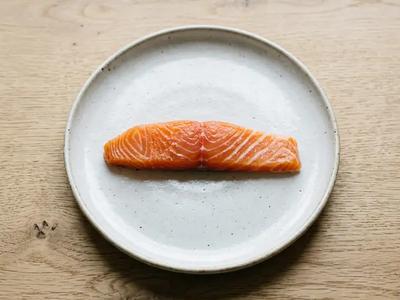
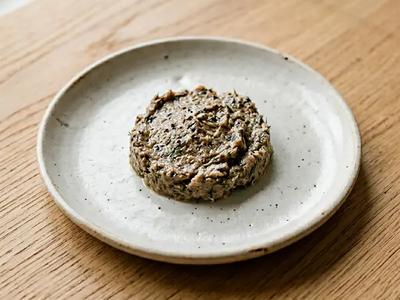
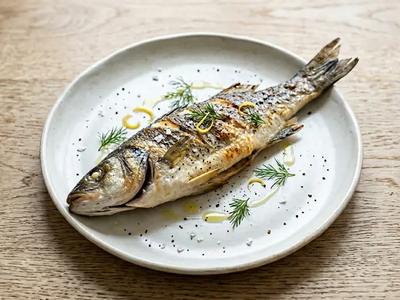
Four fish from the FDA's Best Choices list, white and oily, a fifth from the NHS's oily-fish list, and three fish that are here for their rule: mackerel for its species, smoked salmon for cooking and halibut for its weekly serving. Swordfish, the one fish marked avoid, isn't featured.
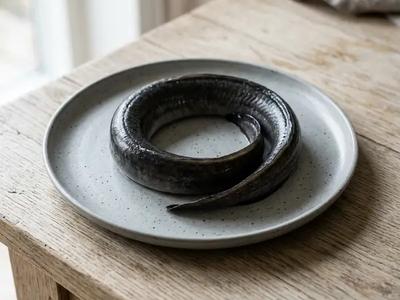
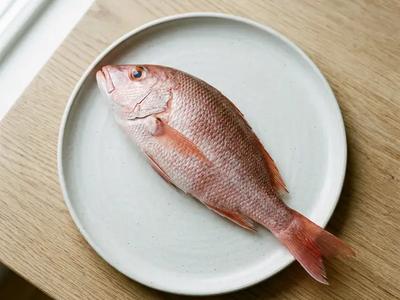
The FDA sorts fish into Best Choices, Good Choices and Choices to Avoid by their mercury. From this group, anchovies, catfish, cod, flounder, haddock, herring, mullet, perch, pollock, salmon, sardines, smelt, sole, tilapia, freshwater trout, whitefish and whiting are on its Best Choices list. Bluefish, carp, grouper, halibut, mahi mahi, monkfish, rockfish and snapper are Good Choices, and this library marks them limit, at one serving a week. Swordfish is the one fish here that is on the avoid list. Eel, pike and yellowtail aren't on the FDA's lists at all; this library limits them too.[1]
In pregnancy the FDA advises 8 to 12 ounces of fish a week and counts a serving as 4 ounces, about 115 g: two or three servings from its Best Choices, or one from its Good Choices. The NHS counts a portion as around 140 g. For a balanced diet it suggests at least 2 portions of fish a week, including 1 of oily fish, and in pregnancy no more than 2 portions of oily fish a week. The one-serving limits on the fish pages here are written in the FDA's 115 g.[1] [2]
The NHS lists herring, pilchards, salmon, sardines, sprats, trout and mackerel as oily fish, and counts bloaters and kippers as herring. Fresh and canned tuna don't count as oily fish, so tuna sits under its own limit of 4 cans or 2 steaks a week rather than the oily-fish one. In this library, the oily fish carry several times the fat of white fish such as cod, haddock and pollock, as the tables below show.[2]
Some names cover fish on different FDA lists. Atlantic mackerel and Pacific chub mackerel are Best Choices, Spanish mackerel is a Good Choice, and king mackerel is on the avoid list. Black sea bass is a Best Choice and Chilean sea bass a Good Choice. That's why this library's pages for mackerel, sea bass and plain fish fillets carry conditions rather than a single verdict: the species on the label, or the answer at the fish counter, is what decides.[1]
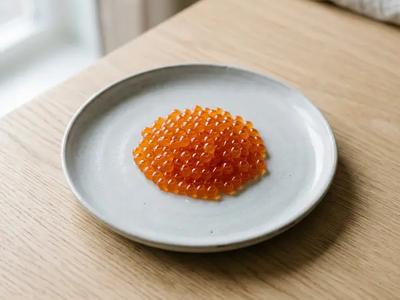
The NHS says cold-smoked and cured fish has to be cooked until steaming hot in pregnancy. In this library, smoked salmon, gravlax and kippered herring are all marked that way, and so is pickled herring: the NHS page doesn't name pickled fish, and this library treats it as cured. Caviar and salmon roe are marked to eat only when pasteurised or heated through; the NHS page doesn't mention roe either way.[3]
The NHS lists cured meats and fish among the salty foods to eat less often, and advises adults to have no more than 6 g of salt a day. In this library, fresh cod lists about 54 mg of sodium per 100 g, smoked salmon about 780 mg, salt cod about 950 mg and anchovies about 3,700 mg. With these fish it's the salt, not the carbohydrate, that is worth reading on the label.[4]
| Food | Protein | Fat | Calories | Blood sugar impact |
|---|---|---|---|---|
| Cod | 17.8 g | 0.7 g | 82 kcal | low |
| Haddock | 20.6 g | 0.7 g | 90 kcal | low |
| Pollock | 19.4 g | 1 g | 92 kcal | low |
| Sole | 18.8 g | 1.2 g | 91 kcal | low |
| Tilapia | 20.1 g | 1.7 g | 96 kcal | low |
| Whiting | 18.3 g | 1.3 g | 90 kcal | low |
All six carry under 2 g of fat and about 18 to 21 g of protein per 100 g.
| Food | Protein | Fat | Saturated fat | Blood sugar impact |
|---|---|---|---|---|
| Salmon | 20.4 g | 13.4 g | 3.1 g | low |
| Trout | 20.8 g | 6.6 g | 1.5 g | low |
| Sardines | 24.6 g | 11.2 g | 1.5 g | low |
| Fresh Herring | 23 g | 12 g | 3 g | low |
| Mackerel Caution | 18.6 g | 13.9 g | 3.1 g | low |
| Sprat | 24.5 g | 13.2 g | 3.5 g | low |
Between 6.6 g (trout) and 13.9 g (mackerel) of fat per 100 g, against under 2 g in the white fish above.
| Food | Sodium | Protein | Blood sugar impact |
|---|---|---|---|
| Cod | 54 mg | 17.8 g | low |
| Salt Cod (Bacalao) | 950 mg | 29.5 g | low |
| Smoked Salmon Caution | 780 mg | 18.3 g | low |
| Kippered herring Caution | 820 mg | 24.6 g | low |
| Dried Cod | 2,100 mg | 62.8 g | low |
| Anchovies | 3,668 mg | 28.9 g | low |
From 54 mg of sodium per 100 g in fresh cod to about 3,700 mg in anchovies.
Figures from each food's entry in this library. Open a food for its full profile and portion notes.
52 foods in this category, each rated for glycemic impact and blood sugar effect.
Track how fish affects your blood sugar with the SugarCurve app — free to download.
Start Free Trial →Fish that is low in mercury, and a mix of white and oily. The FDA's Best Choices include salmon, sardines, herring, cod, haddock, pollock, tilapia and trout, at two or three servings a week. The NHS suggests including oily fish, at no more than 2 portions a week in pregnancy.[1] [2]
Under the NHS's advice they share one limit, no more than 4 cans or 2 tuna steaks a week, and neither counts as oily fish. The FDA sorts tuna by kind rather than by tin: canned light tuna is a Best Choice, while albacore, canned or fresh, and yellowfin are Good Choices, at one serving a week.[1] [2]
Sushi made with cooked fish or cooked shellfish, yes, according to the NHS. Sushi made with raw fish or raw shellfish is on its list of foods to avoid, even if the fish was frozen first.[3]
The NHS page doesn't name pickled fish. It says cured fish should be cooked until steaming hot, and this library applies that rule to pickled herring, so it's marked to eat cooked rather than cold from the jar. Advice on pickled fish varies between countries, so check your own health service's.[3]
Every pregnancy is different, and gestational diabetes is managed differently depending on your readings, your medication and how far along you are. The ratings and portions on this page are general information — not a diagnosis, a treatment plan or a medical device — and they cannot see your results.
Contact your care team the same day if: your readings stay above target for several days; you have a reading below 54 mg/dL (3.0 mmol/L) or needed someone else's help to treat a low; you test positive for ketones; or your baby is moving less than usual. Seek emergency care for confusion, fainting, repeated vomiting, or a low you cannot bring back up.
By using this guide, you agree to our Terms and Conditions. How we write, source and review this content: editorial policy.
Compiled and reviewed by Dalo Labs ApS. Numbered references in the text point to the sources below. Not endorsed by or affiliated with any referenced organization. · Last reviewed: August 24, 2026
SugarCurve plans your week, turns cravings into recipes and shows how your readings respond to what you eat, so following your care team's advice takes less guesswork, day after day.
7 days free, then a subscription. Cancel anytime before the trial ends.