Proteins
Plain red meat carries no carbohydrate, and the sausages in this library carry only 2 to 3 g per 100 g. So this guide is mostly about how to cook meat in pregnancy, which cuts and products to go easy on, and how much. The Proteins guide gives the headline rules; this one goes cut by cut. 26 of the 58 foods here carry a caution: mince, sausages and cured meats for toxoplasmosis or listeria, five livers for vitamin A, and three kidneys for cadmium. The guide follows the NHS. Some pages here don't match it yet, on cooking whole cuts, on game and on cured meats, and the guide says where. National advice differs, so check your own health service's too.
See what works for you. Try SugarCurve free for 7 days
58 foodsLast reviewed: September 4, 2026Sources


No foods found for your search.
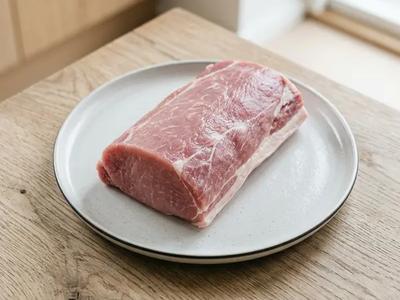
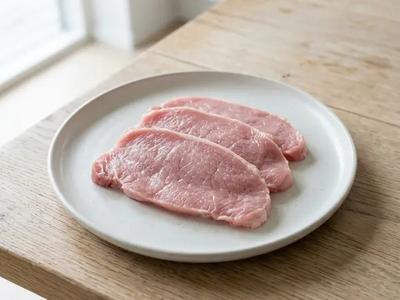
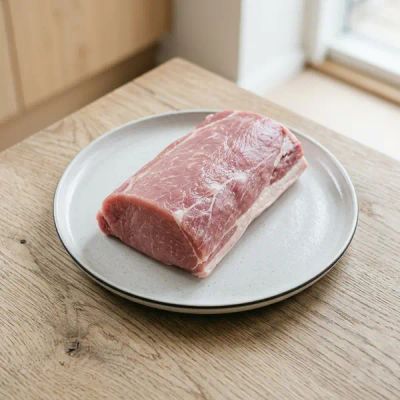
The leanest pork cut here: about 26 g of protein and 3.5 g of fat per 100 g. Cook it through.
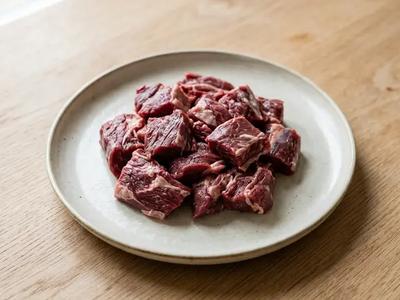
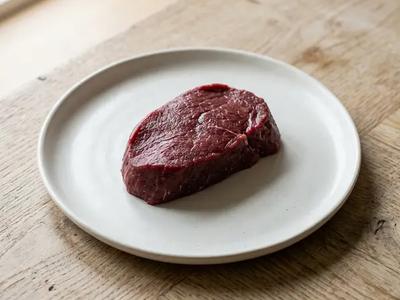
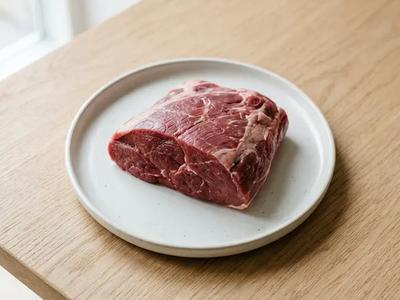
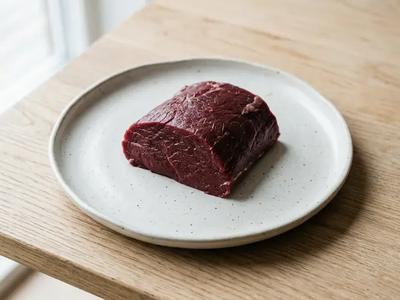
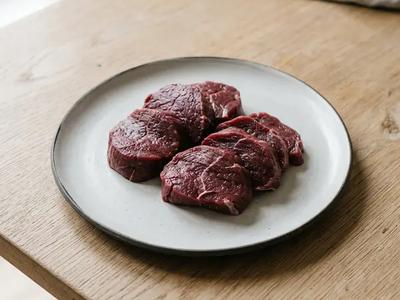
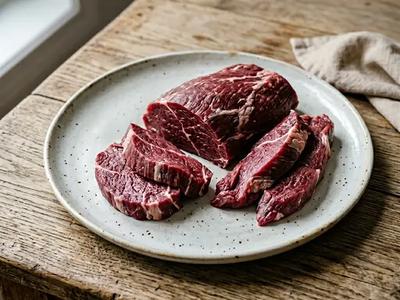
About 27 g of protein and 3 g of fat per 100 g, one of the leanest red meats in the library.
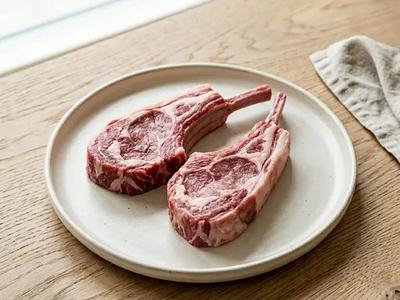
About 36 g of protein and under 6 g of fat per 100 g.
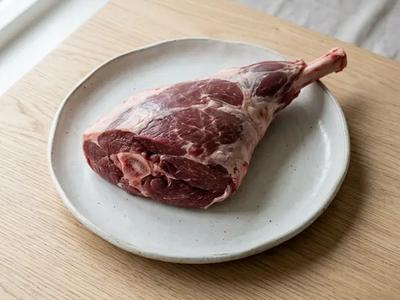
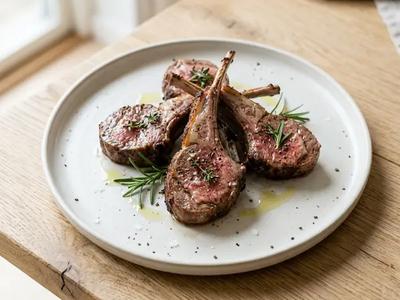
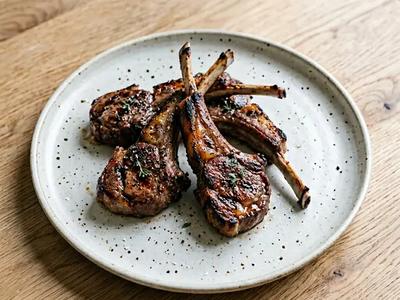
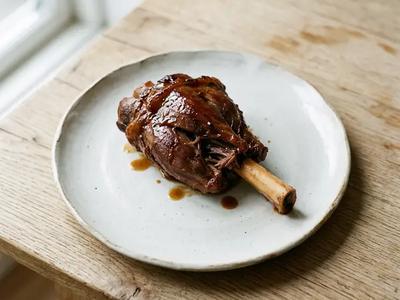
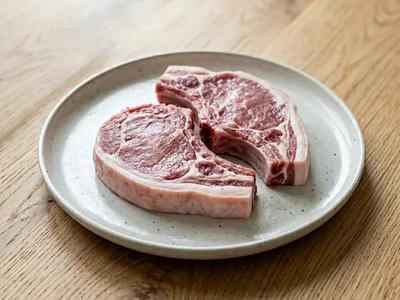
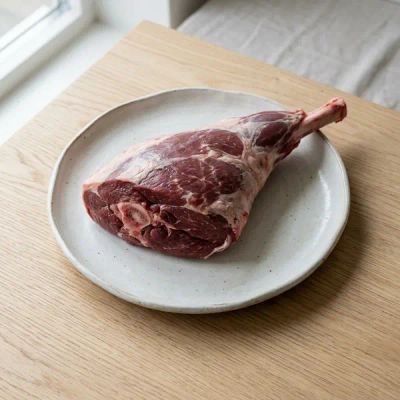
About 36 g of protein per 100 g, and leaner than lamb ribs; the NHS says to cook lamb through.
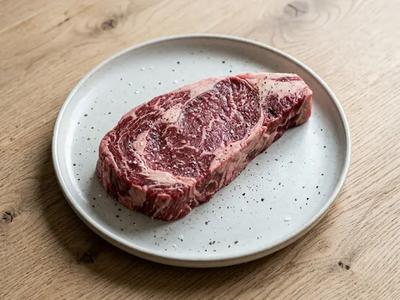
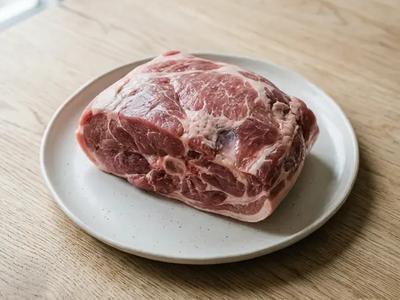
About 30 g of protein and 9 g of fat per 100 g; the question below covers how well to cook it.
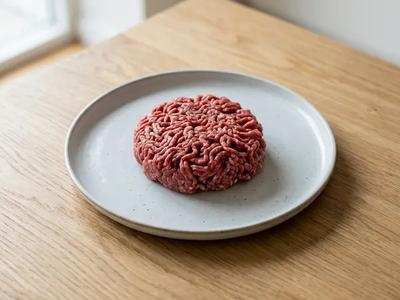
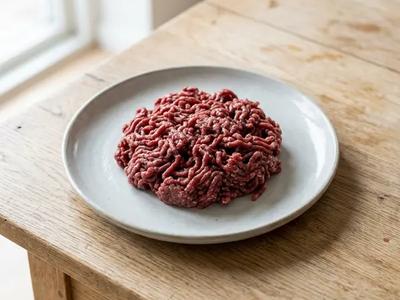
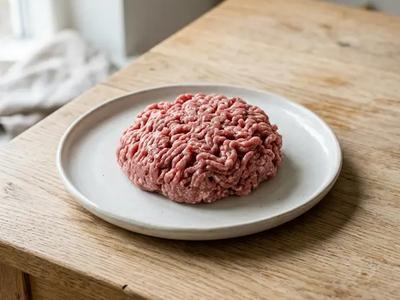
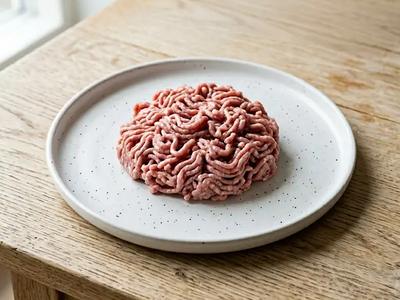
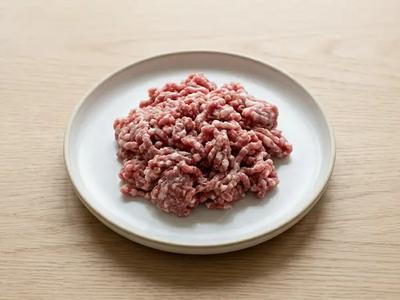
Here for the mince rule: cook it until no pink meat or pink juice is left.
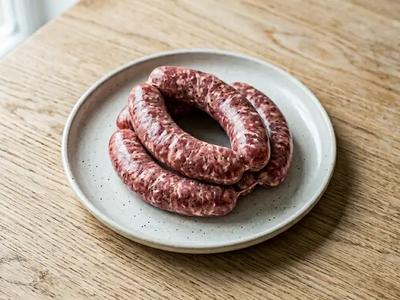
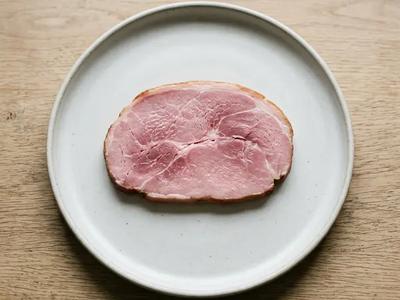
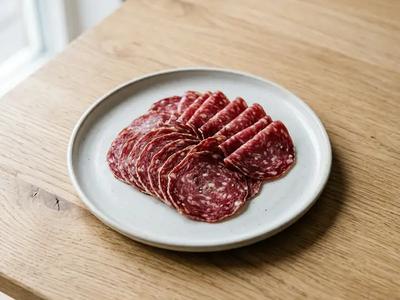
Here for two things: cook it with no pink left in the middle, and it lists about 800 mg of sodium per 100 g.
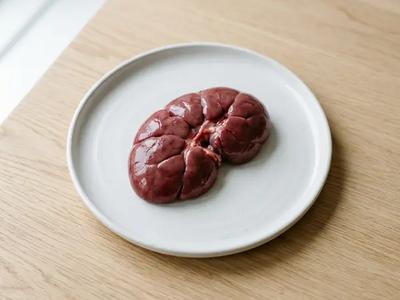
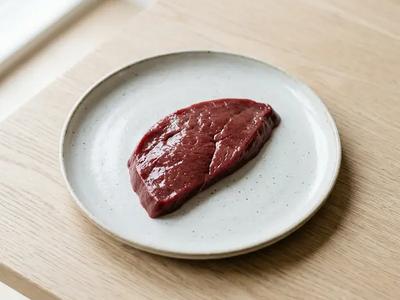
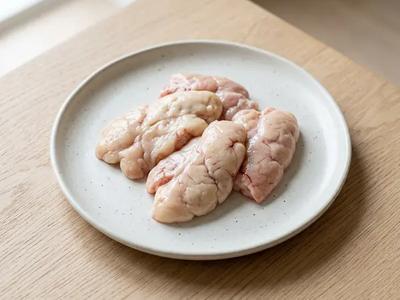
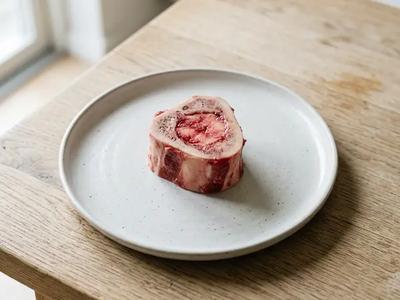
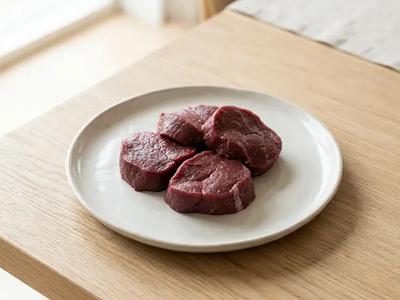
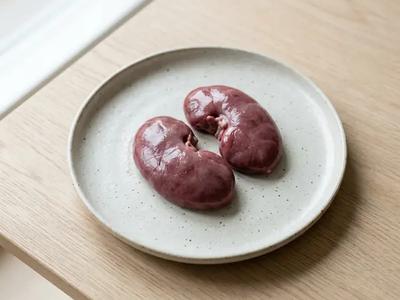
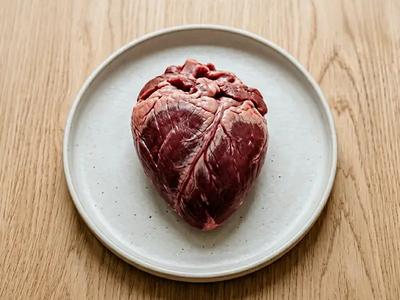
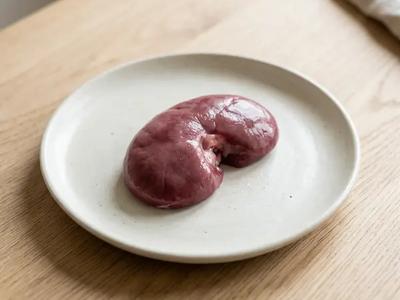
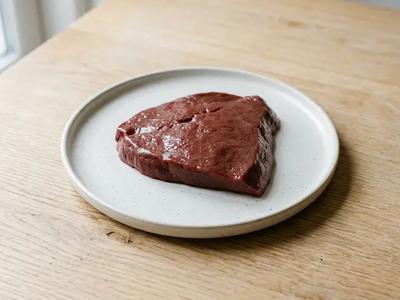
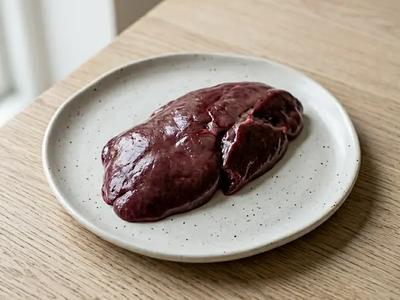
Here for its limit: one small portion a week, and not in the same week as other offal.
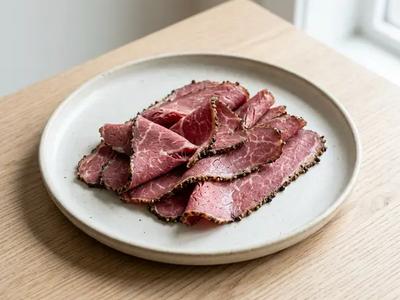
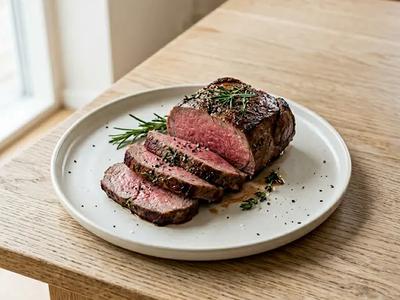
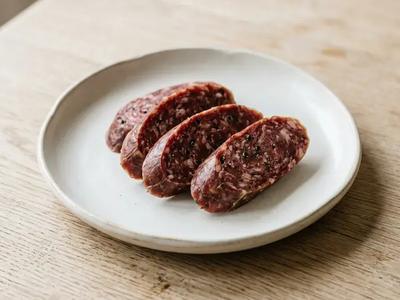
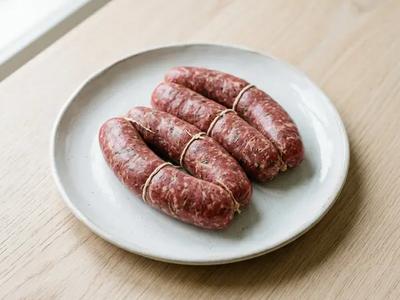
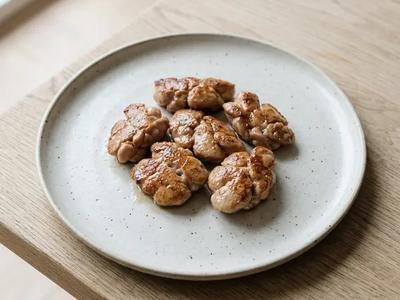
Five lean or everyday cuts, picked for protein and fat, and three foods that are here for their rule: mince and pork sausage for cooking, beef kidney for its weekly limit. None of the five livers, all marked avoid, is featured, and no game is either while its badges disagree with the NHS.
The NHS's pregnancy advice is to avoid raw or undercooked meat, because of a small risk of toxoplasmosis. It says pork, lamb, minced meat, burgers, sausages, black pudding and rolled joints should be cooked thoroughly, with no trace of pink or blood. Its general meat page, which isn't written for pregnancy, allows whole cuts of beef or lamb to be eaten pink inside if they are cooked on the outside. In this library, mince and sausages carry that cooking condition; most whole cuts don't yet, pork and lamb included.[1] [2]
The NHS advises anyone eating more than 90 g of red or processed meat a day, cooked weight, to cut down to 70 g. It's general advice rather than advice for pregnancy. For scale, it counts three thin slices of roast beef, lamb or pork as 90 g, a 5 oz rump steak as 102 g, and a cooked breakfast of two sausages and two thin rashers of bacon as 130 g.[2]
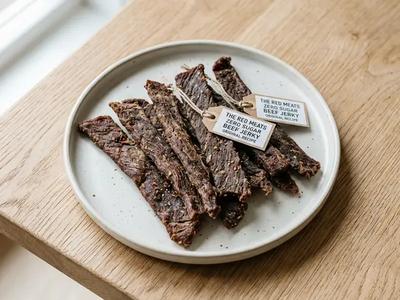
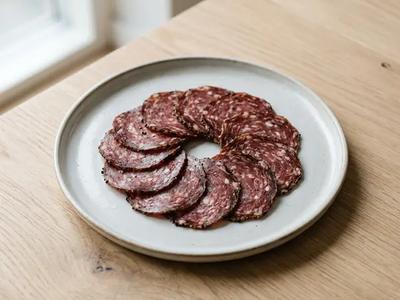
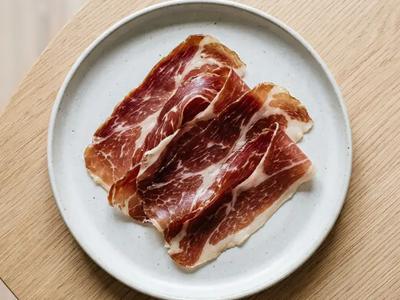
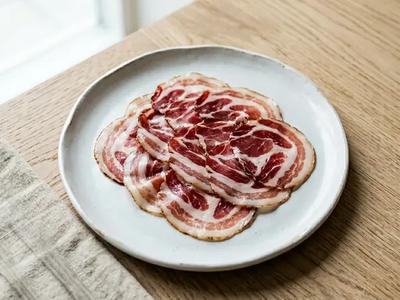
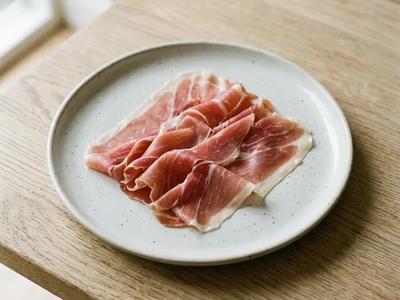
The NHS defines processed meat as meat preserved by smoking, curing, salting or adding preservatives. That takes in sausages, bacon and ham, deli meats such as salami, canned meat such as corned beef, sliced luncheon meats and pâtés, and all of them count towards the same 70 g. The fresh and cured pork table below shows what curing adds in salt.[2]
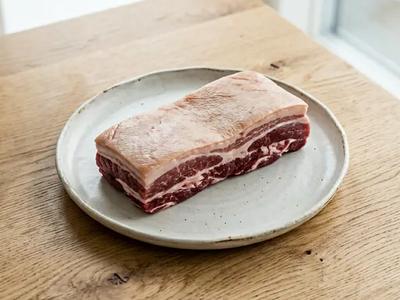
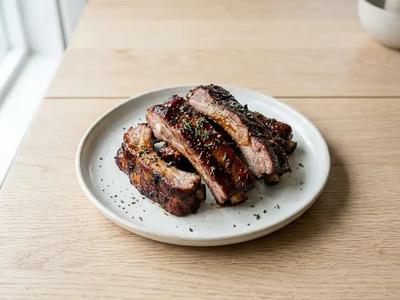
Carbohydrate doesn't separate one cut from another here; fat does. The NHS suggests asking the butcher for a lean cut, and notes that the more white you can see on meat, the more fat it contains. In this library, venison and pork loin carry about 3 g of fat per 100 g, beef steak about 9 g and pork belly 53 g.[2]
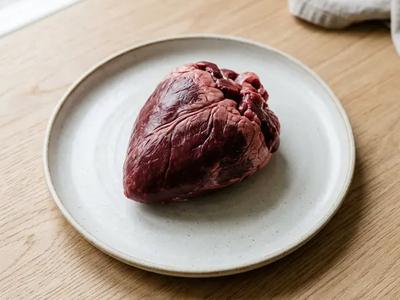
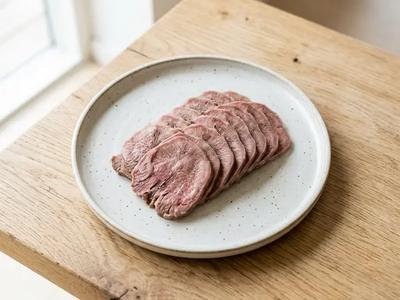
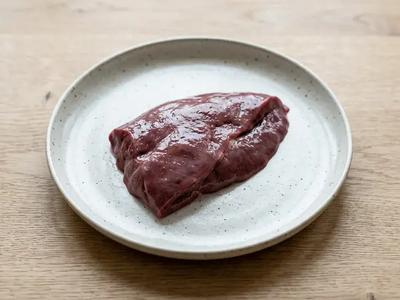
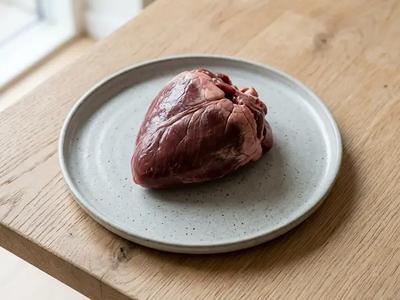
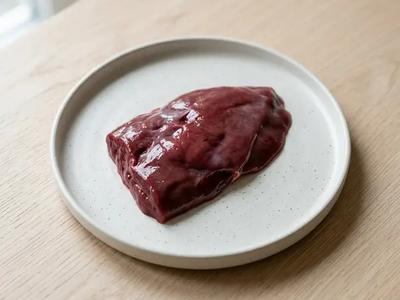
The NHS lists liver and liver products to avoid in pregnancy, because of their high vitamin A, and all five livers here are marked that way. Kidneys are marked limit, to one small portion a week, because of cadmium, a metal EFSA sets a tolerable weekly intake for. That limit is this library's rule: no agency's pregnancy advice on kidneys was found. Heart, tongue and sweetbreads carry no pregnancy rule of their own beyond the NHS's general one on raw and undercooked meat.[1] [3]
The NHS lists game meats such as goose, partridge, pheasant and venison among the foods to avoid in pregnancy, because they may contain lead. This library doesn't match that yet: venison, elk and moose are marked safe here, and wild boar carries only a cooking condition. Until those pages are corrected, follow the NHS rather than their badges.[1]
| Food | Fat | Saturated fat | Protein | Blood sugar impact |
|---|---|---|---|---|
| Venison (deer) | 3.2 g | 1.4 g | 30.2 g | low |
| Pork Loin | 3.5 g | 1.2 g | 26.2 g | low |
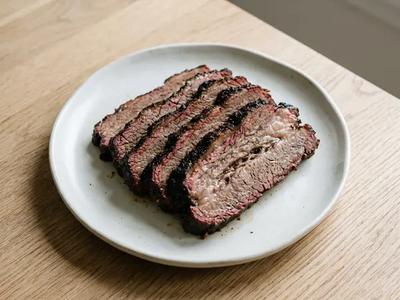
| Beef Steak | 9.2 g | 3.7 g | 29.5 g | low |
| Lamb Leg | 14 g | 5.7 g | 36 g | low |
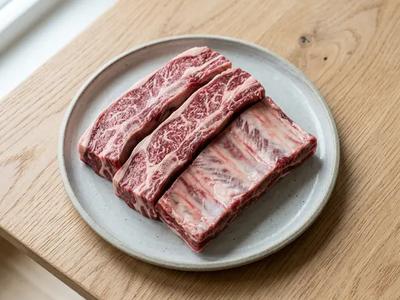
| Beef ribs | 28.1 g | 11.8 g | 24.5 g | low |
| Pork Belly | 53 g | 19.1 g | 9.2 g | low |
From about 3 g of fat per 100 g in venison and pork loin to 53 g in pork belly.
| Food | Carbs | Fat | Sodium | Blood sugar impact |
|---|---|---|---|---|
| Ground Beef Caution | 0 g | 15 g | 75 mg | low |
| Ground pork Caution | 0 g | 25.3 g | 72 mg | low |
| Beef Sausage Caution | 3.1 g | 29.5 g | 850 mg | low |
| Pork Sausage Caution | 2 g | 28 g | 800 mg | low |
| Lamb Sausage Caution | 2.1 g | 26.5 g | 850 mg | low |
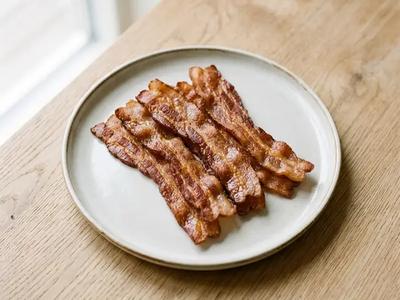
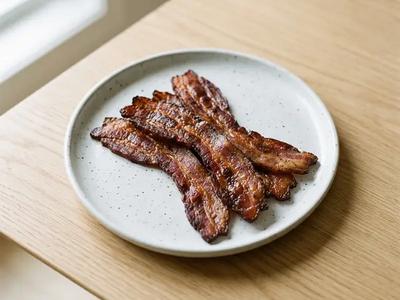
| Bacon Caution | 1.4 g | 42 g | 2,100 mg | low |
The sausages carry 2 to 3 g of carbohydrate and 800 to 850 mg of sodium per 100 g; plain mince carries none and under 80 mg.
| Food | Sodium | Fat | Saturated fat | Blood sugar impact |
|---|---|---|---|---|
| Pork Loin | 62 mg | 3.5 g | 1.2 g | low |
| Ham Caution | 1,110 mg | 6 g | 2 g | low |
| Cured Pork Caution | 1,200 mg | 6 g | 2 g | low |
| Pancetta Caution | 1,780 mg | 53.3 g | 18.9 g | low |
| Pork Salami Caution | 1,890 mg | 37 g | 13 g | low |
| Bacon Caution | 2,100 mg | 42 g | 15 g | low |
Pork loin lists 62 mg of sodium per 100 g; the cured products here list about 1,100 to 2,100 mg.
Figures from each food's entry in this library. Open a food for its full profile and portion notes.
58 foods in this category, each rated for glycemic impact and blood sugar effect.
Track how red meats affects your blood sugar with the SugarCurve app — free to download.
Start Free Trial →The NHS's pregnancy page lists raw or undercooked meat among the foods to avoid and makes no exception for steak. Its general meat page allows whole cuts of beef or lamb to be served pink inside, but that page isn't written for pregnancy. Cooking steak through is the cautious reading; ask your midwife if you're unsure.[1] [2]
Cooked until steaming hot, yes, by the NHS's advice. Cold, no: cold cured meats may carry listeria, and cured meat carries a small risk of toxoplasmosis. Some pages here also offer freezing for four days instead; the NHS doesn't give that option, so cook it.[1]
The NHS's general advice is no more than about 70 g of red and processed meat a day, cooked weight, for anyone who now eats more than 90 g. It isn't specific to pregnancy, and your care team may give you a different plan.[2]
The NHS says to avoid it: venison is on its list of game meats to avoid in pregnancy, because game may contain lead. The venison page in this library is currently marked safe and doesn't yet reflect that advice; follow the NHS.[1]
Every pregnancy is different, and gestational diabetes is managed differently depending on your readings, your medication and how far along you are. The ratings and portions on this page are general information — not a diagnosis, a treatment plan or a medical device — and they cannot see your results.
Contact your care team the same day if: your readings stay above target for several days; you have a reading below 54 mg/dL (3.0 mmol/L) or needed someone else's help to treat a low; you test positive for ketones; or your baby is moving less than usual. Seek emergency care for confusion, fainting, repeated vomiting, or a low you cannot bring back up.
By using this guide, you agree to our Terms and Conditions. How we write, source and review this content: editorial policy.
Compiled and reviewed by Dalo Labs ApS. Numbered references in the text point to the sources below. Not endorsed by or affiliated with any referenced organization. · Last reviewed: September 4, 2026
SugarCurve plans your week, turns cravings into recipes and shows how your readings respond to what you eat, so following your care team's advice takes less guesswork, day after day.
7 days free, then a subscription. Cancel anytime before the trial ends.