Food Library
Plain meat, fish, eggs and tofu carry little or no carbohydrate. In this group the carbohydrate turns up in what is added, such as breadcrumbs, batter and coatings, so the blood-sugar part of this guide is short. Food safety is the larger part. Liver, some fish, raw and undercooked meat, cold cured meats, smoked fish, raw shellfish and some eggs each come with a specific rule in pregnancy, and 76 of the 188 foods here carry a caution. This guide takes them one at a time, following the NHS and, for mercury in fish, the US FDA. Advice differs between countries, so check your own health service's too. Fish, meat, poultry, shellfish and eggs each have a page of their own.
See what works for you. Try SugarCurve free for 7 days
188 foodsLast reviewed: September 7, 2026Sources

No foods found for your search.
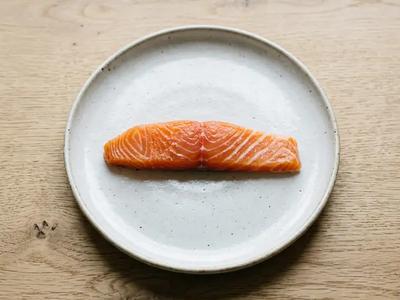
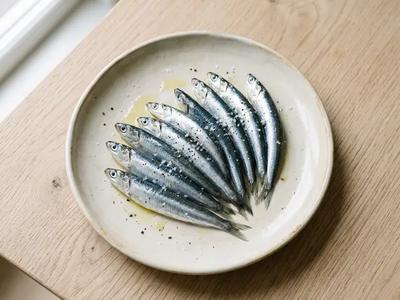
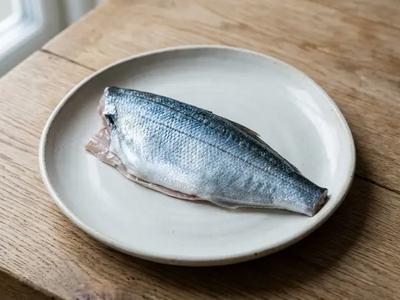
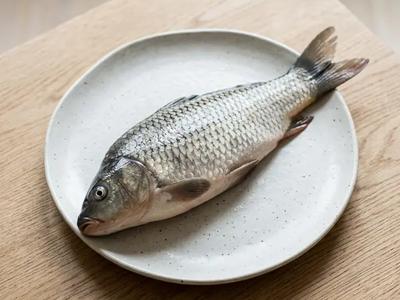
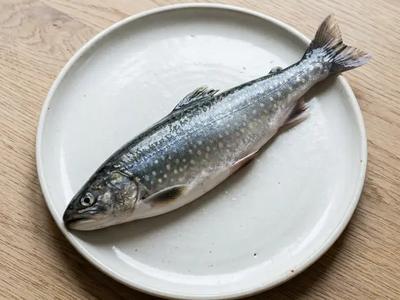
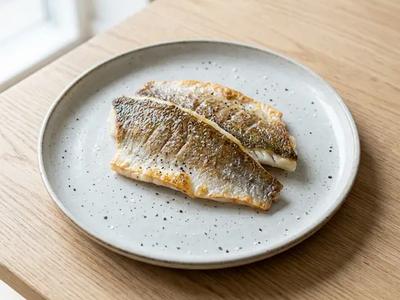
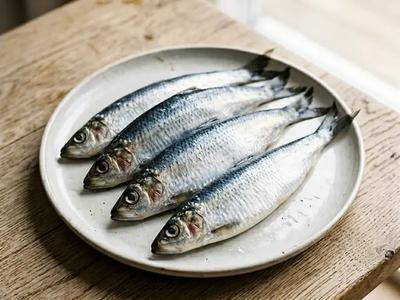
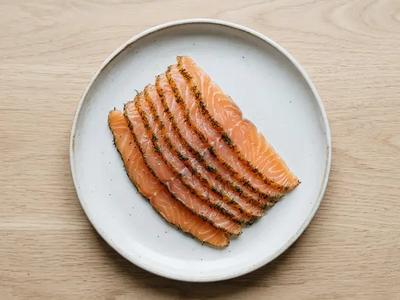
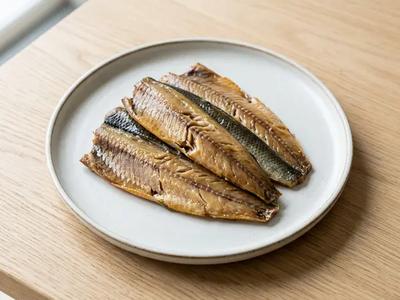
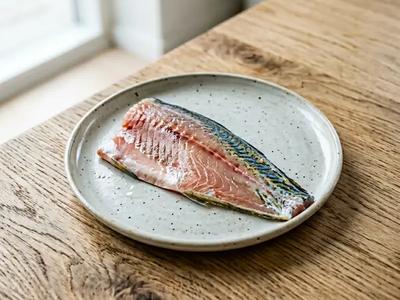
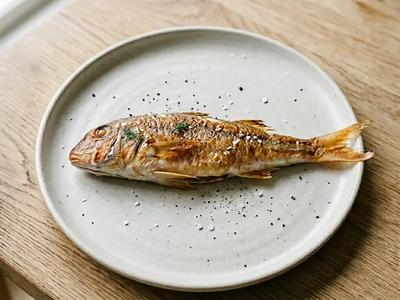
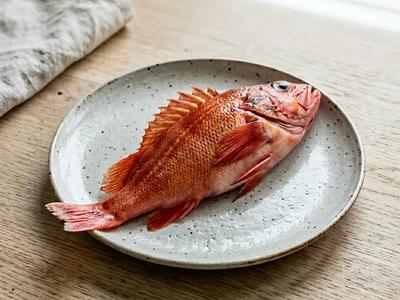
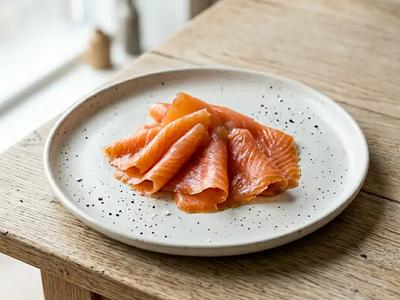
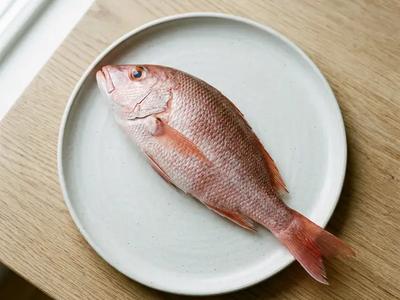
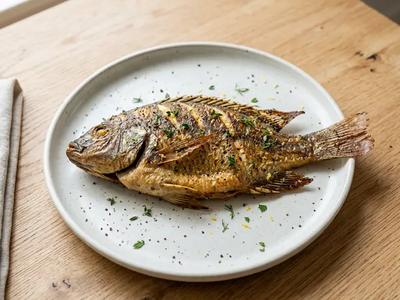
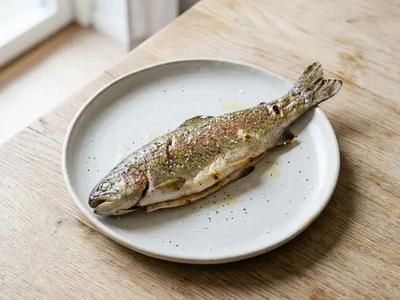
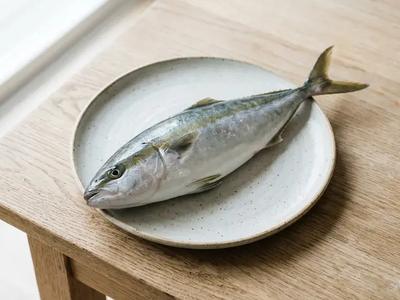
An oily fish with about 20 g of protein per 100 g; the fish point above has the weekly amounts.
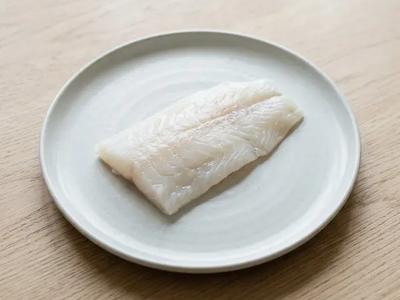
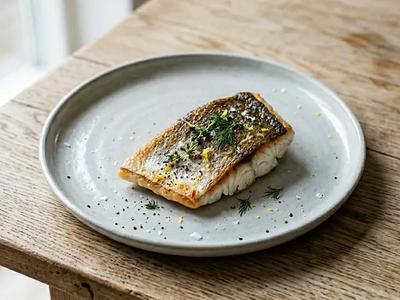
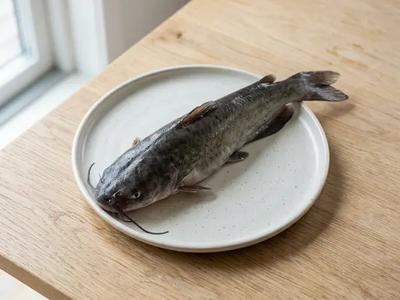
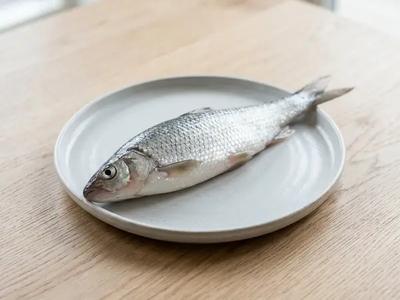
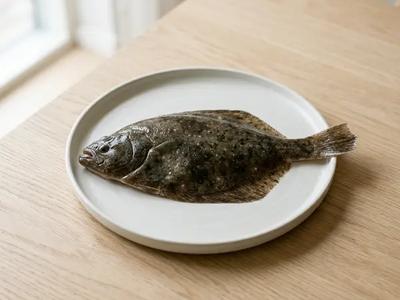
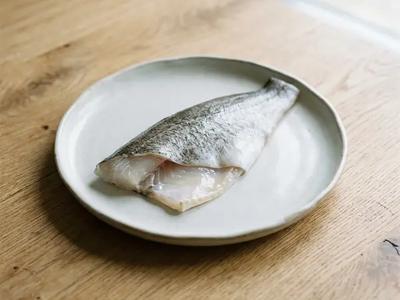
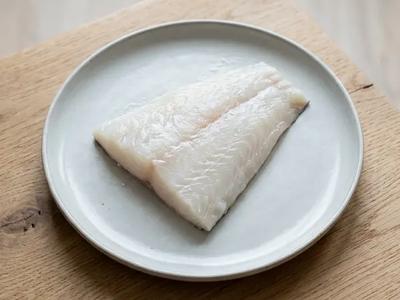
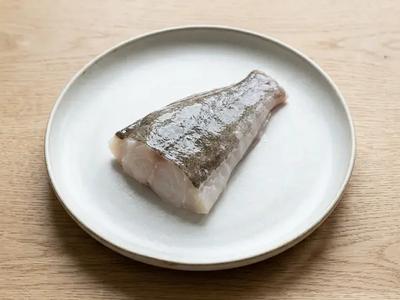
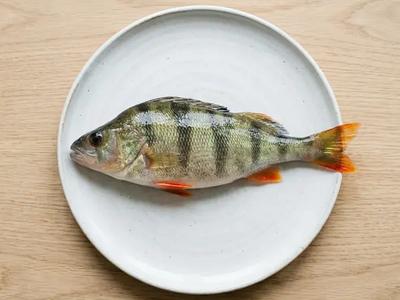
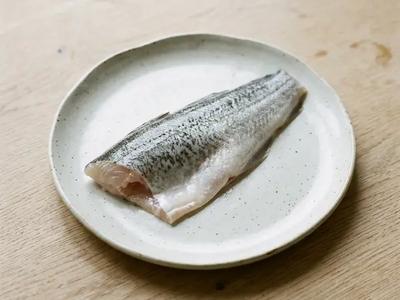
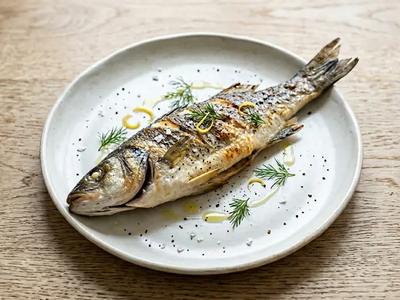
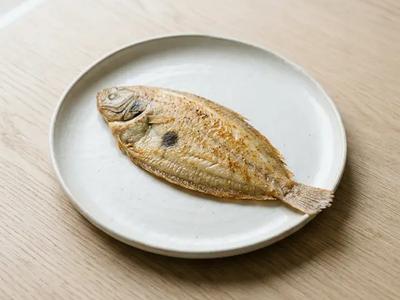
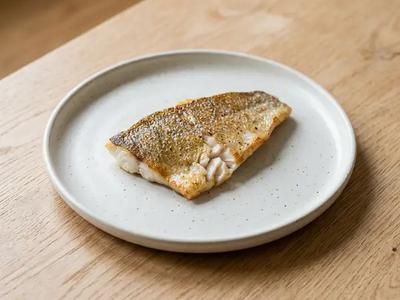
A lean white fish: under 1 g of fat and about 18 g of protein per 100 g.
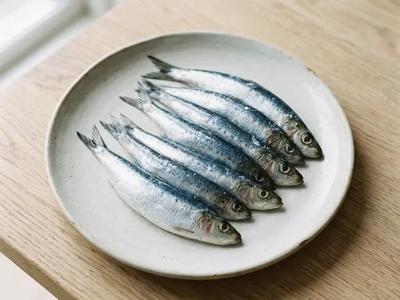
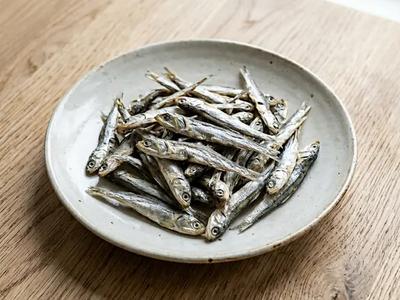
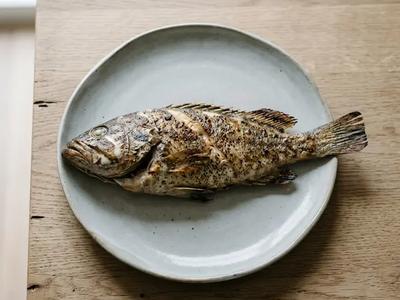
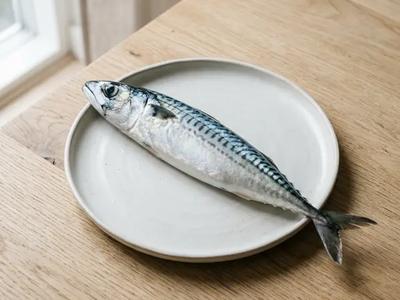
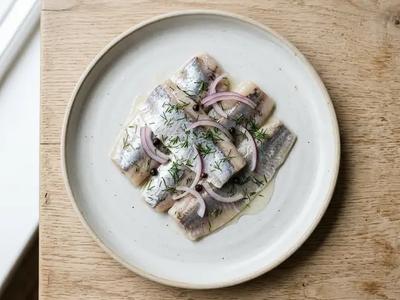
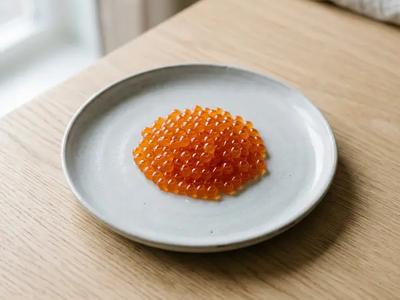
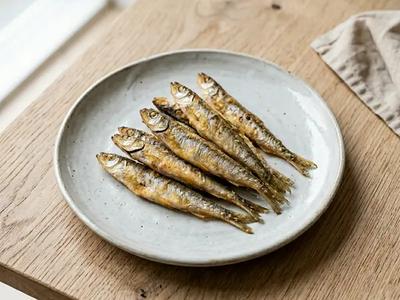
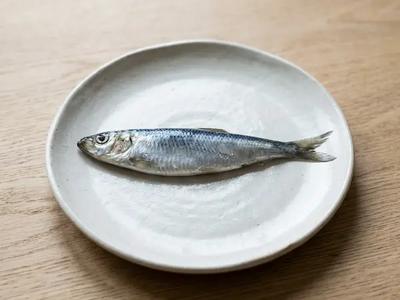
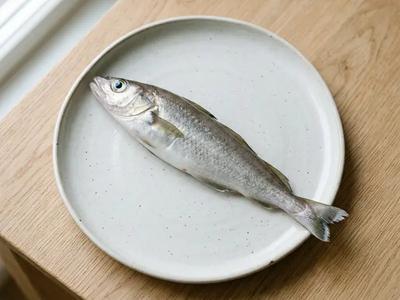
An oily fish with about 25 g of protein per 100 g.
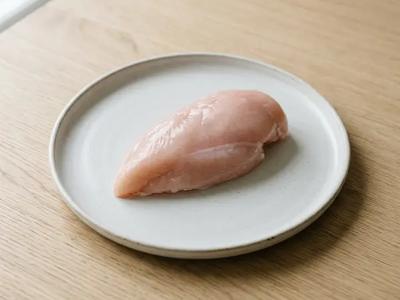
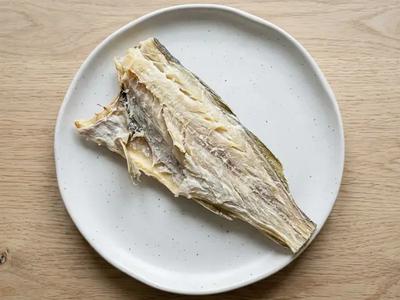
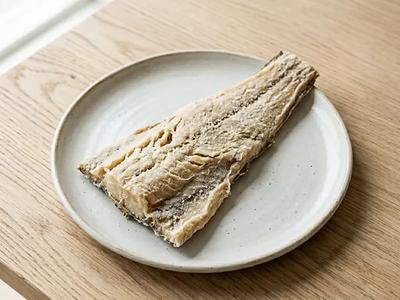
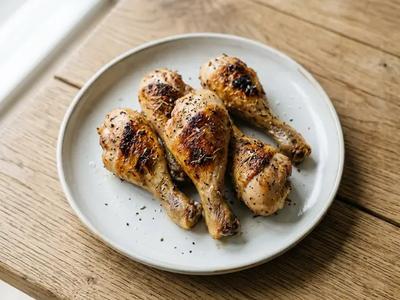
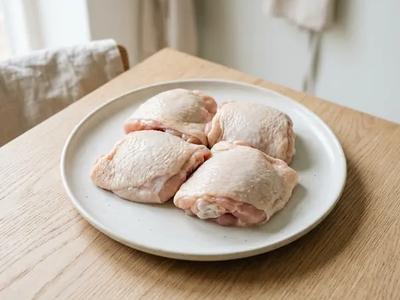
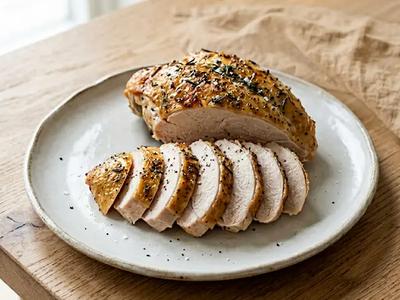
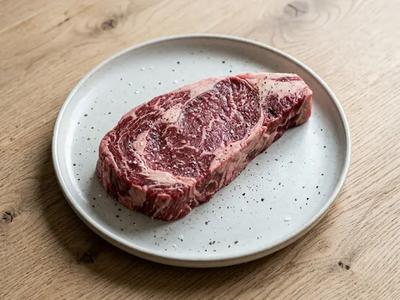
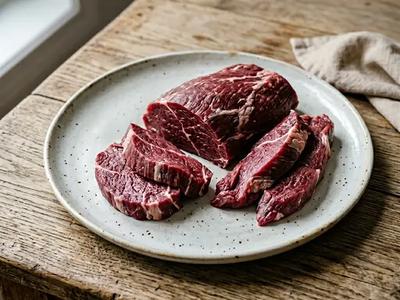
About 31 g of protein and under 4 g of fat per 100 g; cook it until no pink is left.
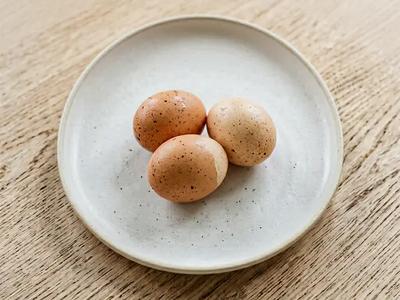
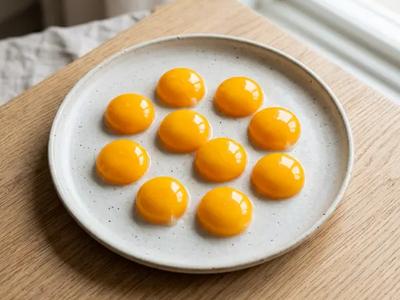
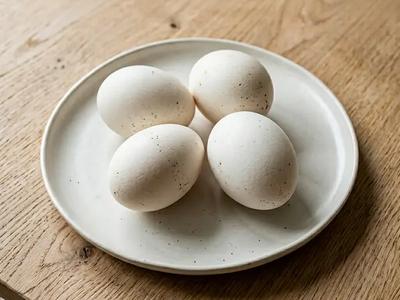
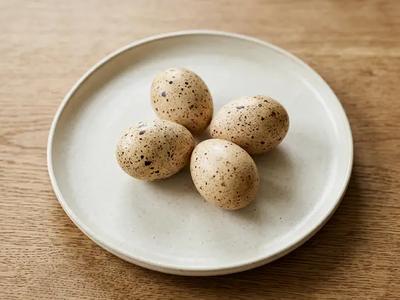
Here for the egg rule: how well to cook them depends on the stamp, as the questions below explain.
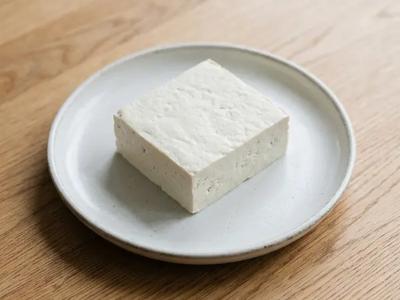
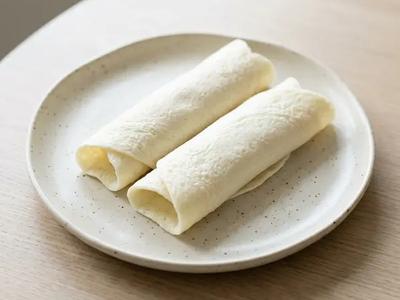
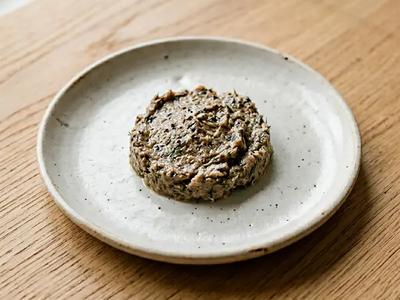
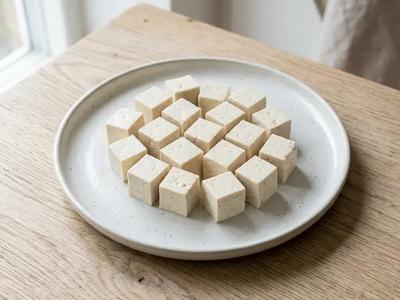
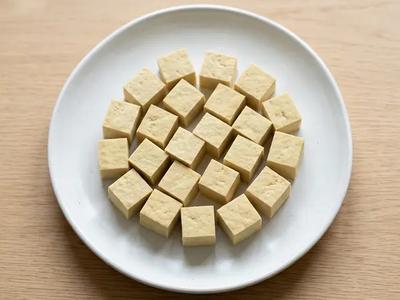
About 2 g of carbohydrate and 8 g of protein per 100 g.
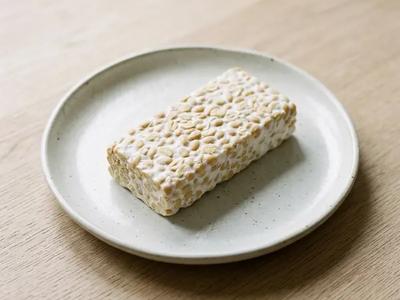
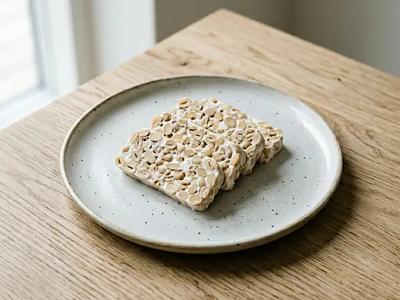
About 20 g of protein per 100 g, well over twice tofu's, with under 8 g of carbohydrate.
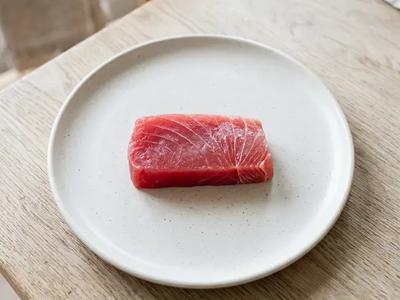
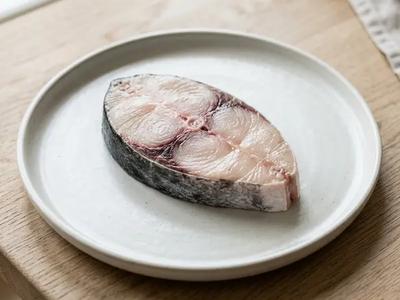
Here for its limit: the NHS says no more than 4 cans or 2 tuna steaks a week.
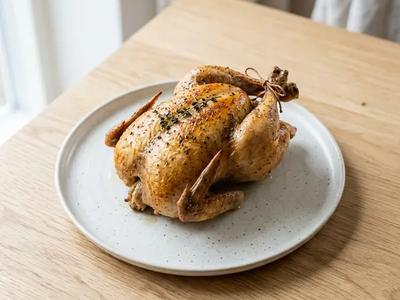
Lower-mercury fish, lean poultry, eggs and two plant proteins, chosen with their carbohydrate and protein in view, plus tuna for its weekly limit. None of the ten foods marked avoid in this group, nine livers and swordfish, is featured.
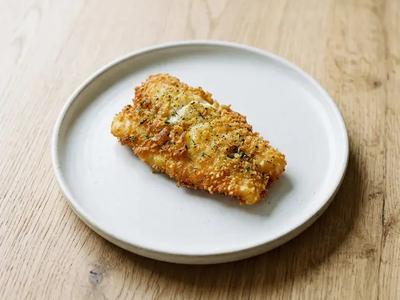
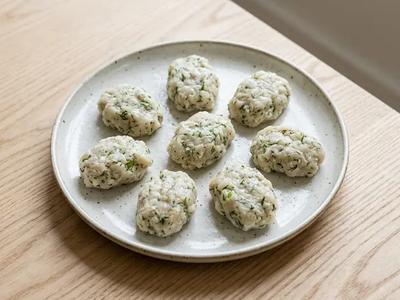
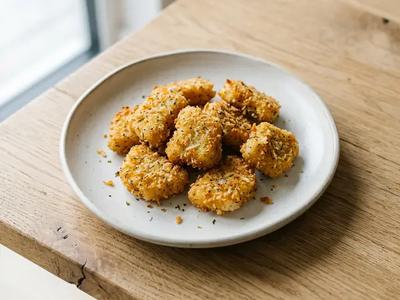
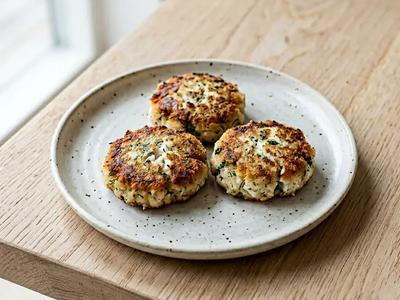
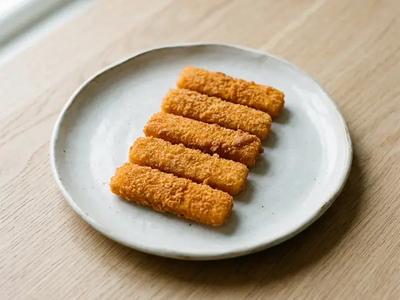
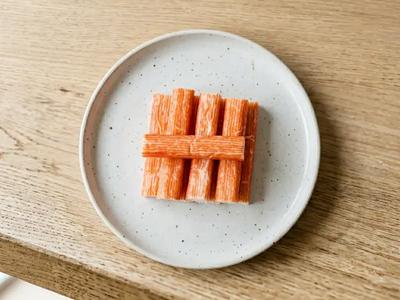
USDA lists cooked cod at 0 g of carbohydrate per 100 g and frozen fish sticks at about 22 g; roasted chicken breast has none, and fast-food chicken tenders about 17 g. In this library, fish fingers, fish cakes, patties and nuggets carry 15 to 22 g per 100 g, and imitation crab (surimi) about 8 g. Plain cuts, fillets and eggs stay close to zero.[1]
The FDA advises people who are pregnant to eat 8 to 12 ounces (about 225 to 340 g) of a variety of lower-mercury fish a week, two or three servings from its best choices, such as salmon, cod, pollock, sardines, shrimp and canned light tuna. It advises avoiding king mackerel, marlin, orange roughy, shark, swordfish, Gulf of Mexico tilefish and bigeye tuna. The NHS lists swordfish, shark and marlin to avoid, and says to eat no more than 2 portions of oily fish, such as salmon, trout, mackerel, sardines or herring, a week.[2] [3]
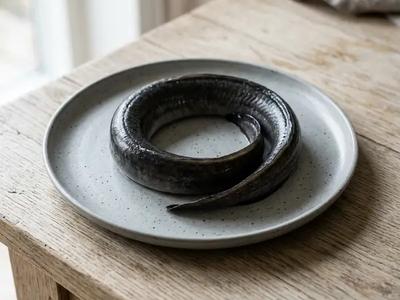
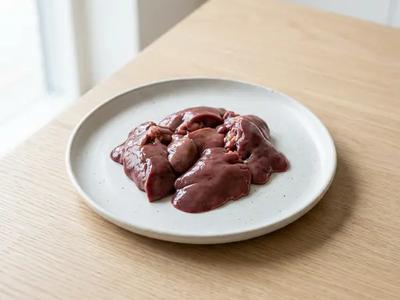
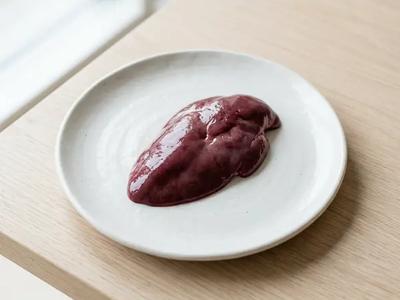
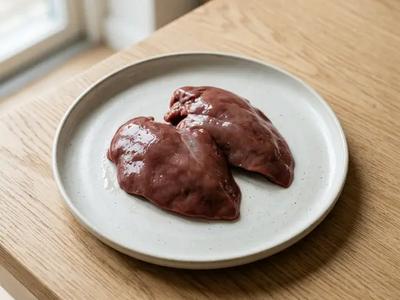
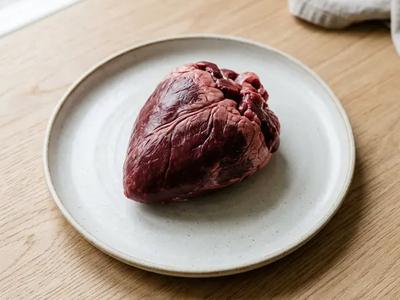
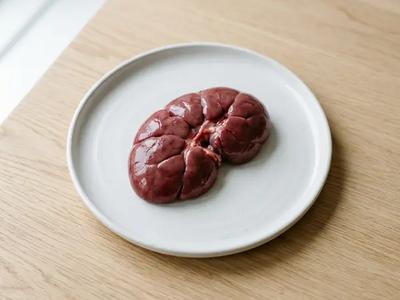
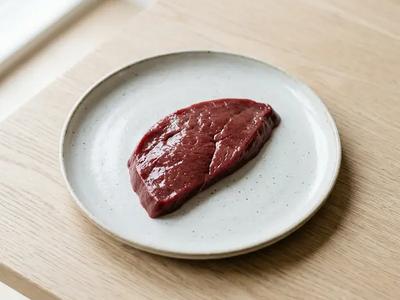
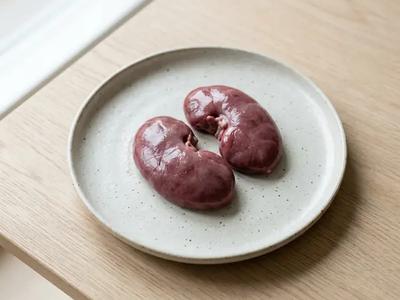
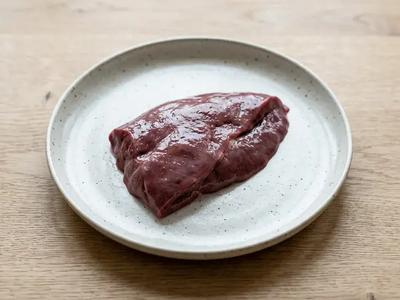
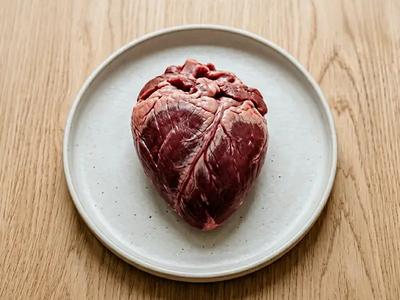
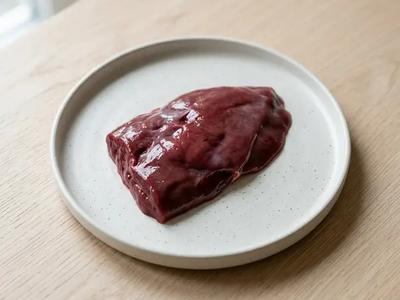
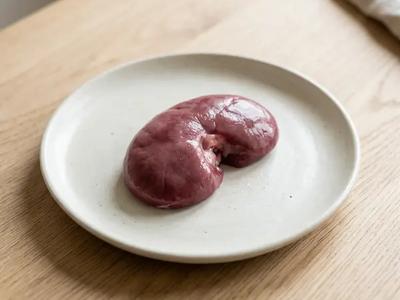
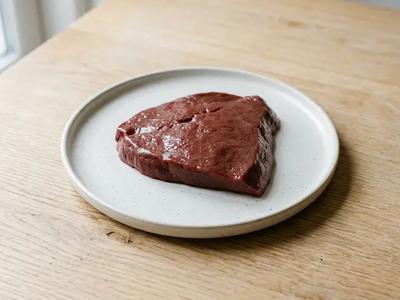
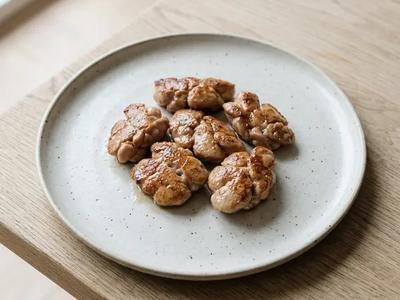
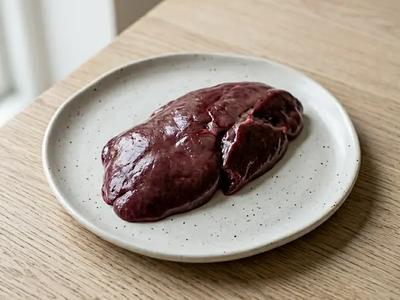
The NHS lists liver and liver products among the foods to avoid in pregnancy, because they carry high levels of vitamin A, which can harm the baby. That is why every liver in this group is marked avoid, from chicken to venison; with swordfish, they make up the ten foods marked avoid here. Meat pâté without liver is a different case: the NHS says to keep it chilled and eat it before its use-by date.[3]
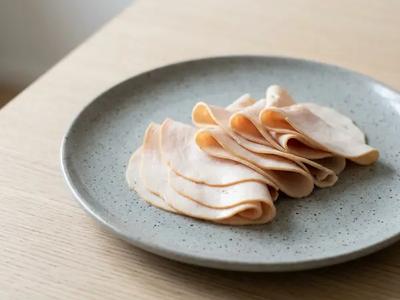
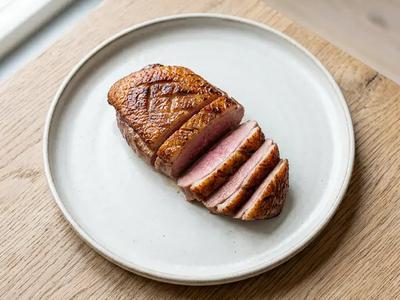
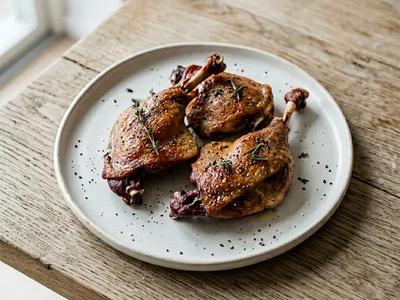
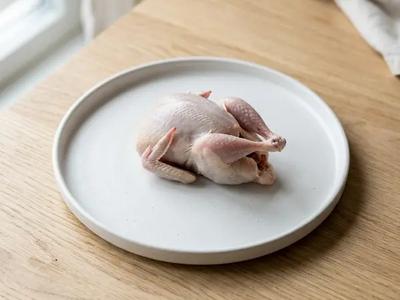
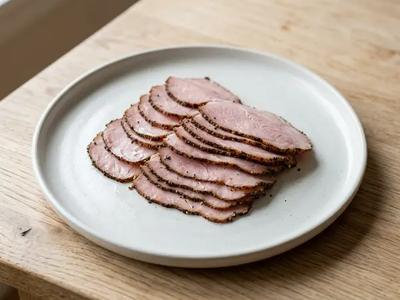
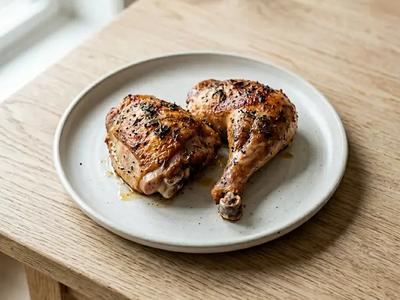
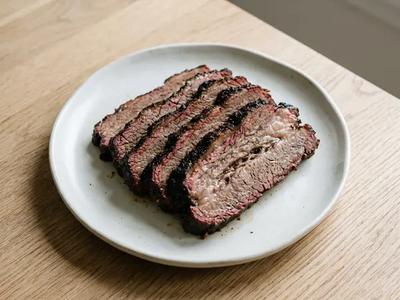
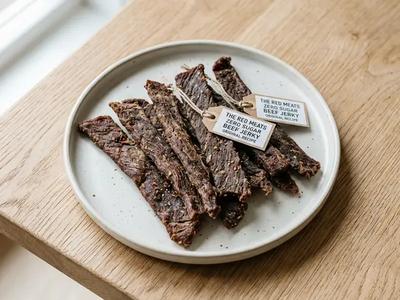
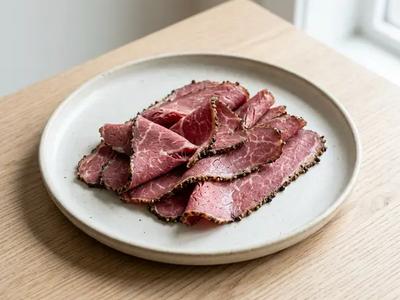
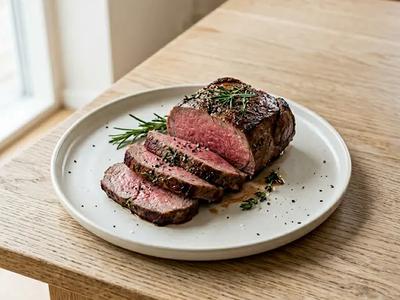
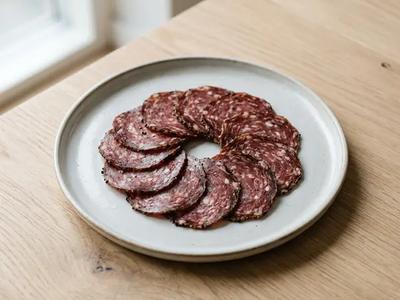
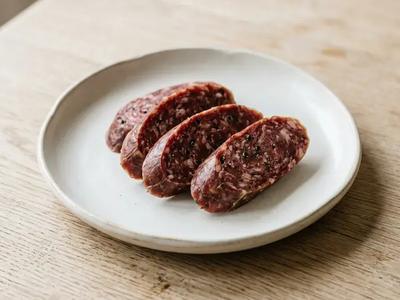
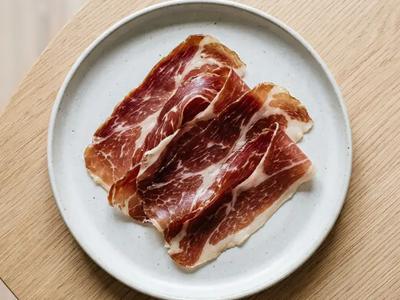
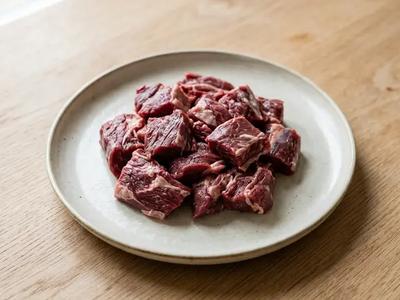
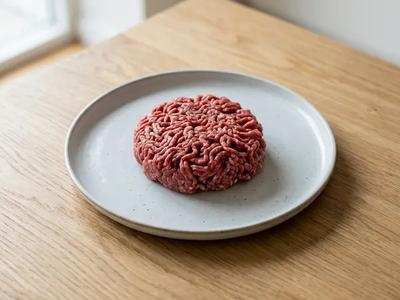
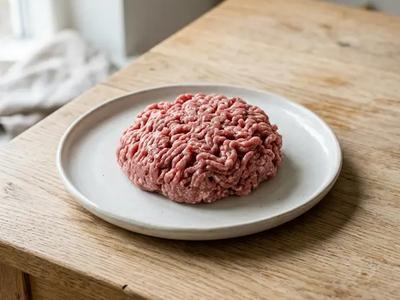
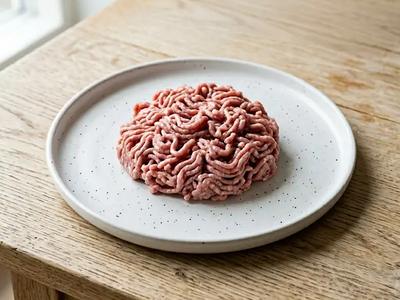
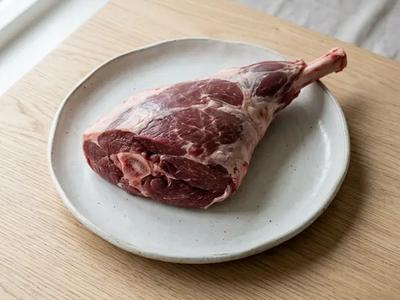
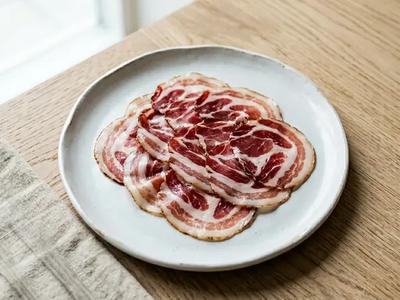
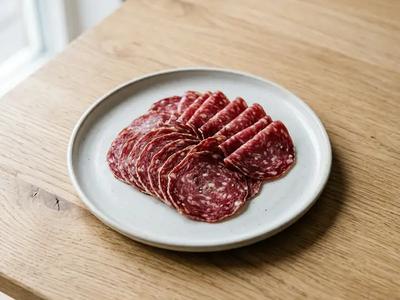
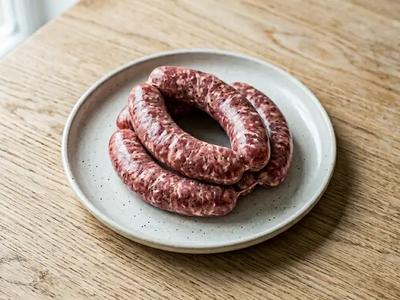
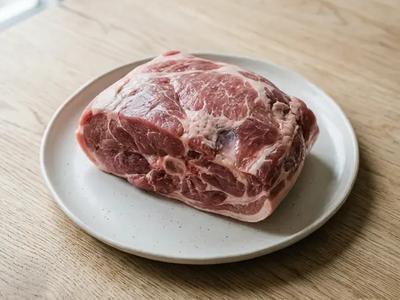
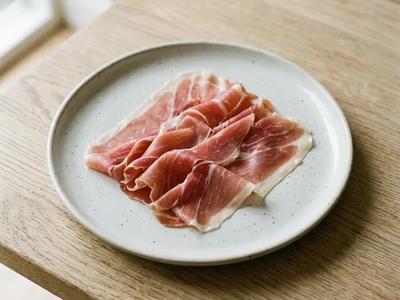
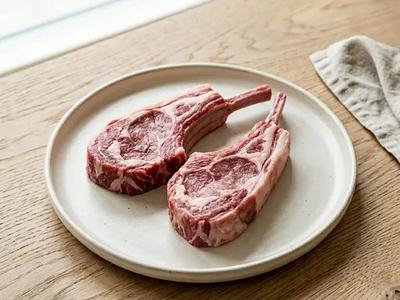
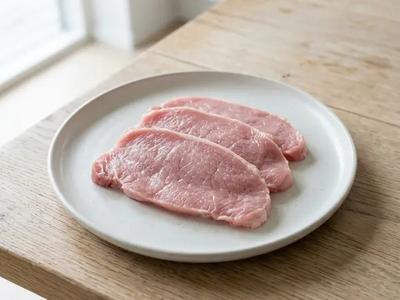
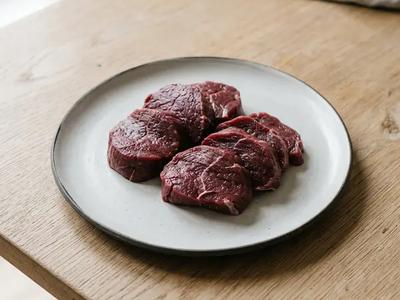
The NHS advises avoiding raw or undercooked meat, because of a small risk of toxoplasmosis, and cooking chicken, pork, lamb, turkey and duck until no pink or blood is left. Cold cured meats such as salami, pepperoni, chorizo and prosciutto should be cooked until steaming hot. Cold pre-cooked meats such as ham or sliced chicken need only be kept chilled and eaten before their use-by date, though some pages in this library advise heating them too. The NHS also lists game meats such as goose, partridge, pheasant and venison to avoid, because they may contain lead.[3]
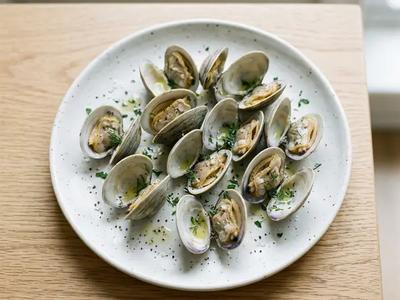
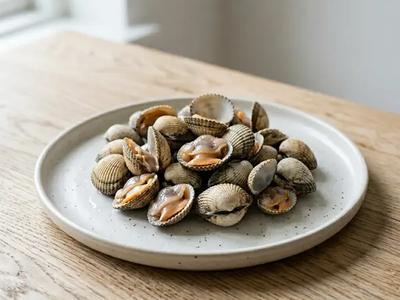
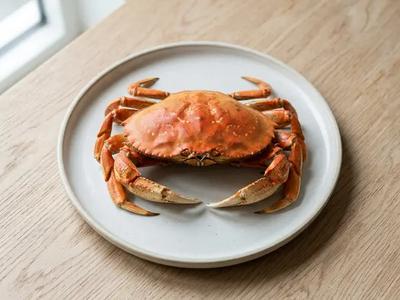
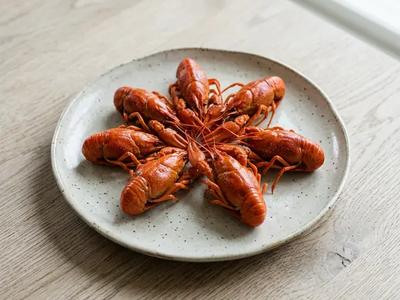
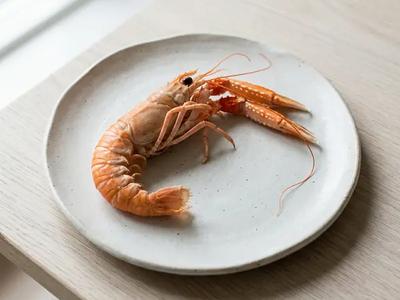
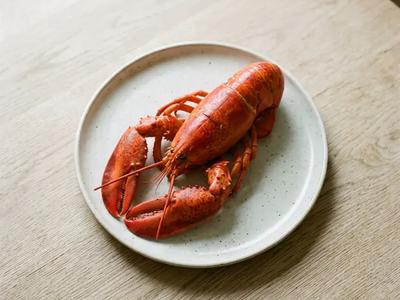
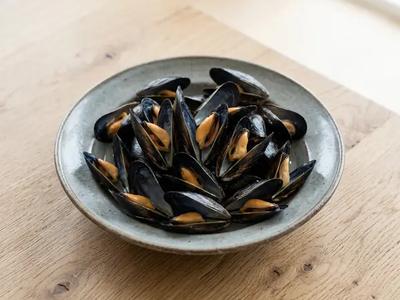
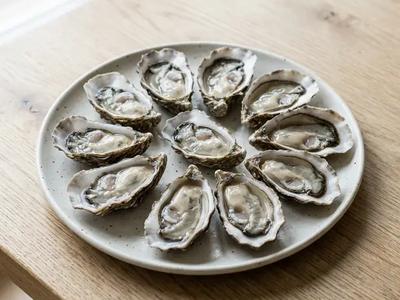
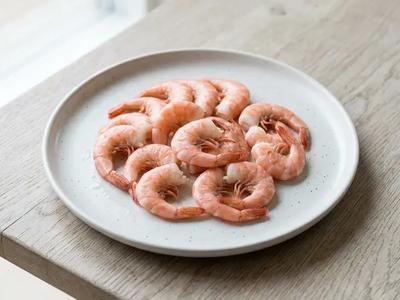
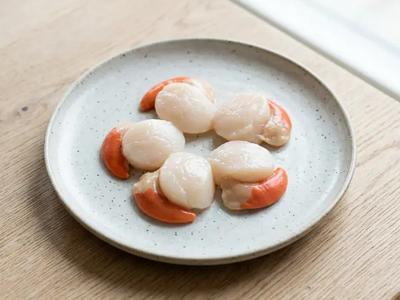
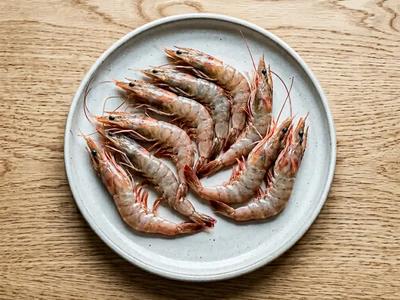
The NHS says cold-smoked and cured fish, such as smoked salmon, must be cooked until steaming hot, and advises avoiding raw fish and raw shellfish, including sushi made with raw fish even if it has been frozen. Cooked shellfish, including prawns, crab, lobster, mussels, scallops and clams, is on its list of foods that are safe to eat.[3]
| Food | Carbs | Protein | Fat | Blood sugar impact |
|---|---|---|---|---|
| Cod | 0 g | 17.8 g | 0.7 g | low |
| Haddock | 0 g | 20.6 g | 0.7 g | low |
| Salmon | 0 g | 20.4 g | 13.4 g | low |
| Fish sticks | 18 g | 14 g | 12 g | medium |
| Fish Cakes | 18 g | 14 g | 11 g | high |
| Fish Nuggets | 22 g | 14 g | 16 g | medium |
The coated products carry 18 to 22 g of carbohydrate per 100 g; the plain fillets carry none.
| Food | Protein | Fat | Saturated fat | Blood sugar impact |
|---|---|---|---|---|
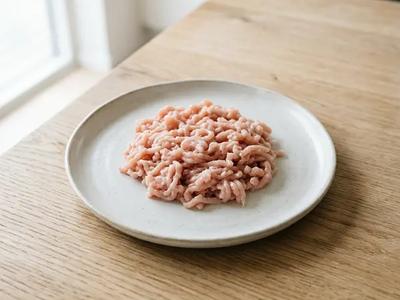
| Chicken Breast | 31 g | 3.6 g | 1 g | low |
| Turkey Breast | 29 g | 3.6 g | 1 g | low |
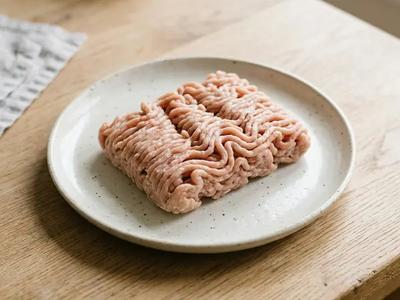
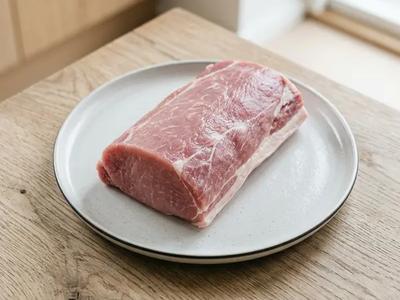
| Pork Loin | 26.2 g | 3.5 g | 1.2 g | low |
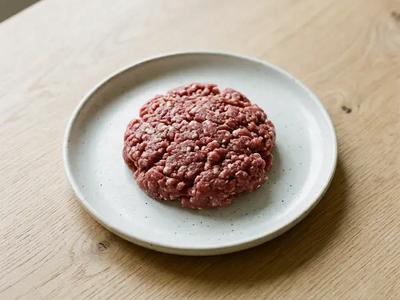
| Beef Steak | 29.5 g | 9.2 g | 3.7 g | low |
| Lamb Leg | 36 g | 14 g | 5.7 g | low |
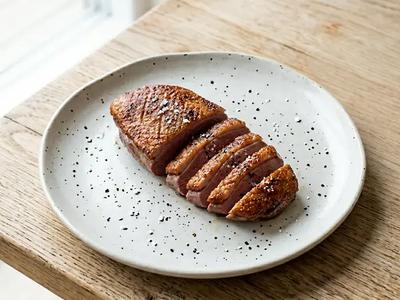
| Duck breast | 19 g | 28 g | 9.7 g | low |
Chicken breast, turkey breast and pork loin carry the least fat here; duck breast carries the most.
| Food | Sodium | Fat | Saturated fat | Blood sugar impact |
|---|---|---|---|---|
| Chicken Breast | 74 mg | 3.6 g | 1 g | low |
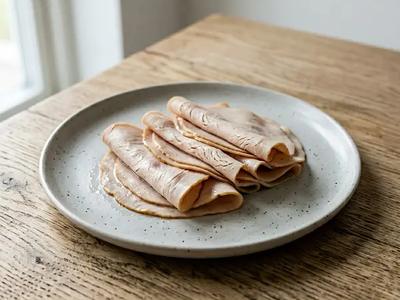
| Turkey Deli Slices Caution | 1,050 mg | 3.8 g | 1.1 g | low |
| Ham Caution | 1,110 mg | 6 g | 2 g | low |
| Pork Salami Caution | 1,890 mg | 37 g | 13 g | low |
| Prosciutto Caution | 2,100 mg | 16 g | 6 g | low |
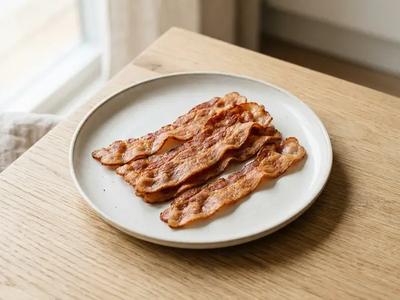
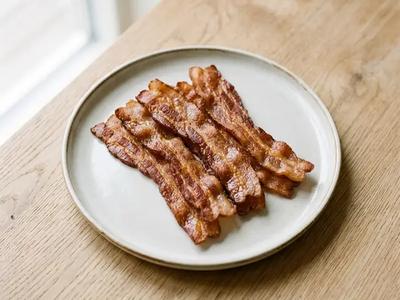
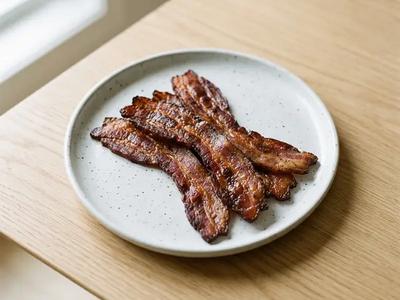
| Bacon Caution | 2,100 mg | 42 g | 15 g | low |
The cured and deli meats carry about 1,000 to 2,100 mg of sodium per 100 g, against 74 mg for plain chicken breast.
| Food | Carbs | Protein | Fat | Blood sugar impact |
|---|---|---|---|---|
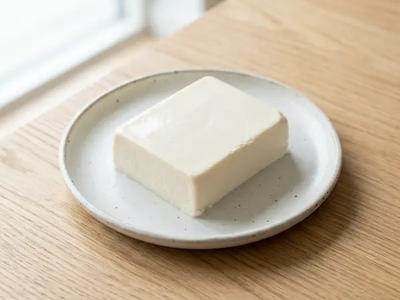
| Firm Tofu | 1.9 g | 8.1 g | 4.8 g | low |
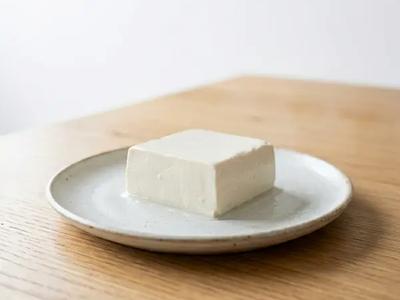
| Silken Tofu | 2.8 g | 5.8 g | 2.7 g | low |
| Tempeh | 7.6 g | 20.3 g | 10.8 g | low |
| Lupin Tempeh | 10 g | 22 g | 9 g | low |
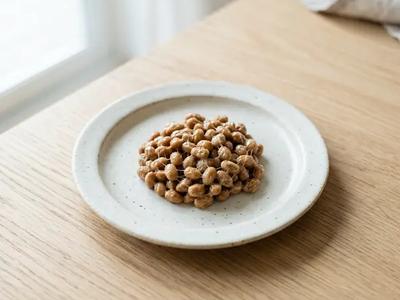
| Natto | 13 g | 19 g | 11 g | low |
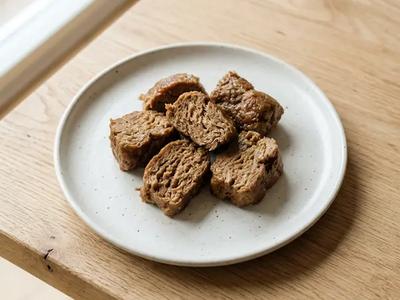
| Seitan (wheat gluten) | 4 g | 25.1 g | 1.9 g | low |
Tofu carries the least carbohydrate; tempeh, natto and seitan carry more than twice its protein.
Figures from each food's entry in this library. Open a food for its full profile and portion notes.
188 foods in this category, each rated for glycemic impact and blood sugar effect.
Track how proteins affects your blood sugar with the SugarCurve app — free to download.
Start Free Trial →Plain meat, fish and eggs carry little or no carbohydrate: USDA lists cooked cod and roasted chicken breast at 0 g per 100 g. Coated versions are different, with frozen fish sticks at about 22 g. Diabetes UK notes that protein and fat slow the digestion of carbohydrate eaten in the same meal, in advice written for diabetes generally.[1] [4]
The NHS says no more than 4 cans of tuna or 2 tuna steaks a week. The FDA puts canned light and skipjack tuna among its best choices, albacore and yellowfin among its good choices, and bigeye tuna among the fish to avoid.[2] [3]
Only cooked until steaming hot, for example stirred into a hot pasta dish. The NHS gives the same rule for all cold-smoked and cured fish.[3]
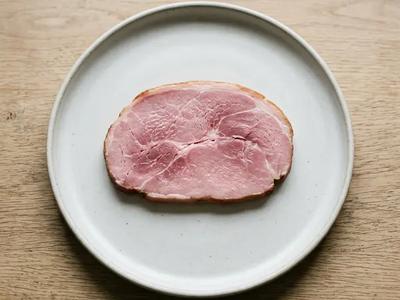
By the NHS's advice, yes, if it is kept chilled and eaten before its use-by date, as with other cold pre-cooked meats such as sliced chicken. Cold cured meats such as prosciutto, salami and chorizo are different: cook them until steaming hot. Some pages in this library advise heating ham as well, which is stricter than the NHS.[3]
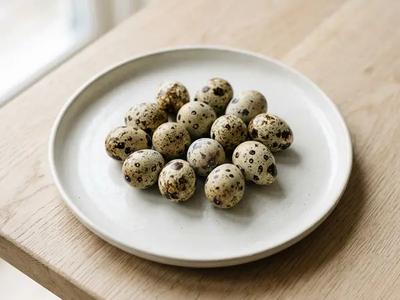
In the UK, the NHS says hen eggs with the red British Lion stamp, or from the Laid in Britain scheme, can be eaten raw or runny. Other hen eggs, and duck, goose and quail eggs, should be well cooked, not raw or runny. Outside the UK, follow your own health service's advice on eggs.[3]
Every pregnancy is different, and gestational diabetes is managed differently depending on your readings, your medication and how far along you are. The ratings and portions on this page are general information — not a diagnosis, a treatment plan or a medical device — and they cannot see your results.
Contact your care team the same day if: your readings stay above target for several days; you have a reading below 54 mg/dL (3.0 mmol/L) or needed someone else's help to treat a low; you test positive for ketones; or your baby is moving less than usual. Seek emergency care for confusion, fainting, repeated vomiting, or a low you cannot bring back up.
By using this guide, you agree to our Terms and Conditions. How we write, source and review this content: editorial policy.
Compiled and reviewed by Dalo Labs ApS. Numbered references in the text point to the sources below. Not endorsed by or affiliated with any referenced organization. · Last reviewed: September 7, 2026
SugarCurve plans your week, turns cravings into recipes and shows how your readings respond to what you eat, so following your care team's advice takes less guesswork, day after day.
7 days free, then a subscription. Cancel anytime before the trial ends.