

Allergen Information
Contains: Shellfish
Nutrition per 100g
Oysters for Gestational Diabetes
Oysters are bivalve mollusks that live in marine or brackish habitats, celebrated for their unique briny flavor and distinct texture. They are considered a delicacy in many cultures and are packed with essential nutrients. As filter feeders, they play a crucial role in their aquatic ecosystems by cleaning the water. Nutritionally, oysters are an exceptional source of zinc, vitamin B12, iron, and selenium, all while being low in calories and providing high-quality protein. Their flavor profile can vary significantly depending on their origin, ranging from sweet and creamy to salty and metallic.
At a glance
Pregnancy safety
Prepare with careBlood sugar impact
lowCarbs / 100 g
3.9gIs Oysters safe with gestational diabetes?
Oysters are an excellent food choice for managing gestational diabetes due to their near-zero carbohydrate content and high protein profile. They provide critical nutrients for fetal development, including zinc, iron, and vitamin B12, without impacting blood glucose levels. However, it is imperative to only consume thoroughly cooked oysters during pregnancy to eliminate the risk of foodborne illnesses like listeriosis and vibriosis. Raw or undercooked shellfish must be strictly avoided. When prepared safely, they are a highly beneficial addition to a GD-friendly diet.
Pregnancy safety
Oysters is only safe in pregnancy if it is prepared the right way
Only if cooked until steaming hot — never raw or lightly grilled on the half shell.
Oysters are usually served raw, and raw bivalves are a recognised carrier of Listeria and Vibrio, which in pregnancy can cause miscarriage, stillbirth or severe newborn infection even when the mother is only mildly ill.
This is about food safety in pregnancy, not blood sugar — it applies whatever your readings look like. Confirm it with your midwife or doctor.
How does Oysters affect blood sugar during pregnancy?
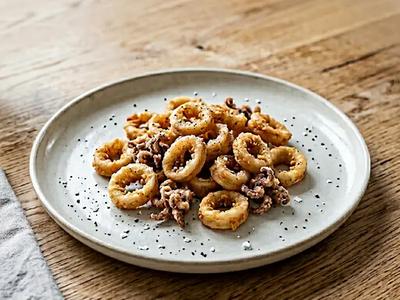
With a glycemic index of zero, oysters have no direct impact on blood sugar levels, making them an ideal protein source. The high protein content helps to promote stable blood glucose by slowing down the absorption of carbohydrates from other foods in the same meal. Cooking methods like baking, steaming, or grilling do not alter this benefit. However, avoid preparations that involve breading and deep-frying, as the batter adds significant carbohydrates and unhealthy fats, which would negatively affect blood sugar control and overall health.
What is a safe portion of Oysters for gestational diabetes?
A safe and appropriate portion is about six medium, thoroughly cooked oysters. This serving size delivers a substantial amount of high-quality protein and essential minerals without posing any risk to blood sugar management. Visually, this is the amount that would typically be served as an appetizer. This portion helps meet increased protein and nutrient needs during pregnancy while fitting easily into a carbohydrate-controlled eating plan. Always prioritize food safety by ensuring the oysters are cooked until their edges curl and they are firm to the touch.
How should I combine Oysters to manage blood sugar during pregnancy?
To create a balanced, blood-sugar-friendly meal, pair cooked oysters with fiber-rich, non-starchy vegetables. A great option would be serving grilled oysters alongside a large green salad with an olive oil-based vinaigrette or with a side of steamed asparagus and lemon. The protein from the oysters combined with the fiber from the vegetables will enhance satiety and further blunt any potential glucose rise. For a more substantial meal, you could add a very small portion of a low-GI complex carbohydrate, such as a quarter-cup of quinoa.
Last reviewed: August 31, 2026
Important Safety Information
Every pregnancy is different, and gestational diabetes is managed differently depending on your readings, your medication and how far along you are. The ratings and portions on this page are general information — not a diagnosis, a treatment plan or a medical device — and they cannot see your results.
- Low blood sugar:
- If you take insulin or diabetes medication, eating less carbohydrate than your team planned for can push your blood sugar too low. Treat a reading below 70 mg/dL (3.9 mmol/L), or symptoms such as shaking, sweating, confusion or a racing heart, with fast-acting carbohydrate immediately and retest after 15 minutes. Never use this page as a reason to skip or shrink a meal you were told to eat.
- Carbohydrate and ketones:
- Cutting carbohydrate hard to force a number down is not safe in pregnancy — it can produce ketones. Published guidance sets a minimum of 175 g of carbohydrate per day in pregnancy. Readings that stay above target for several days need your care team, not a smaller portion.
- Medication and insulin:
- The portions here are generic and know nothing about your insulin doses, your metformin, or the steroids given to mature your baby's lungs — all of which change how a meal affects you. Never adjust a dose or a mealtime based on this page.
- Food safety in pregnancy:
- Blood sugar is not the only thing that makes a food suitable while you are pregnant. Some foods with excellent glycemic numbers still carry mercury, vitamin A, listeria or alcohol risks, and those are judged separately from the ratings shown here. Check your national pregnancy food-safety guidance before adding an unfamiliar food.
- What these ratings can and cannot tell you:
- Glycemic index values, impact ratings and maximum servings are population averages taken from published tables. Two people eating the same food can get very different readings, so your own meter is the only measurement that describes you. Nutrition figures are indicative per 100 g and vary with brand, ripeness and preparation.
Contact your care team the same day if: your readings stay above target for several days; you have a reading below 54 mg/dL (3.0 mmol/L) or needed someone else's help to treat a low; you test positive for ketones; or your baby is moving less than usual. Seek emergency care for confusion, fainting, repeated vomiting, or a low you cannot bring back up.
By using this guide, you agree to our Terms and Conditions. How we write, source and review this content: editorial policy.
Sources & Editorial Review
Content independently developed by Dalo Labs ApS, informed by the American Diabetes Association's Standards of Care in Diabetes, ACOG's gestational diabetes guidelines, and the IADPSG consensus criteria. Not endorsed by or affiliated with any referenced organization. · Last reviewed: August 2026
- American Diabetes Association — Management of Diabetes in Pregnancy: Standards of Care in Diabetes—2026
- ACOG Practice Bulletin No. 190 — Gestational Diabetes Mellitus (reaffirmed 2026)
- USDA FoodData Central — Nutritional Database
- Atkinson et al. — International Tables of Glycemic Index and Glycemic Load Values 2021 (Am J Clin Nutr)




Help with every meal, not just this one
SugarCurve plans your week, turns cravings into recipes and shows how your readings respond to what you eat, so following your care team's advice takes less guesswork, day after day.
- Weekly meal plans
- Recipes for your cravings
- Your numbers, in charts
- Reports for your care team
7 days free, then a subscription. Cancel anytime before the trial ends.