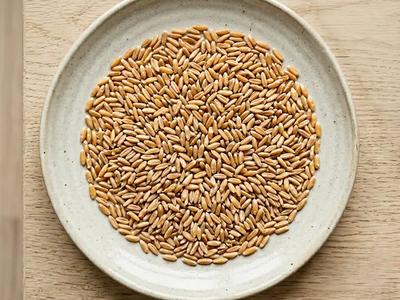
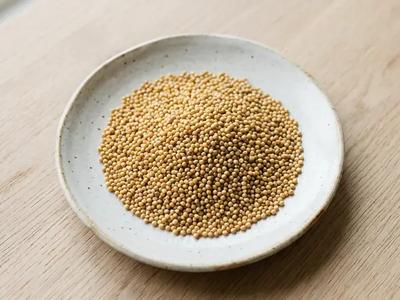
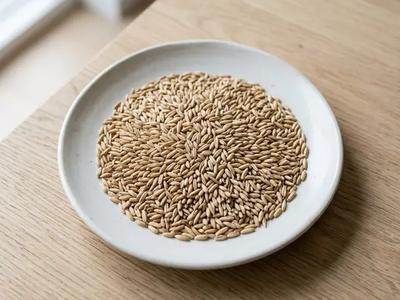
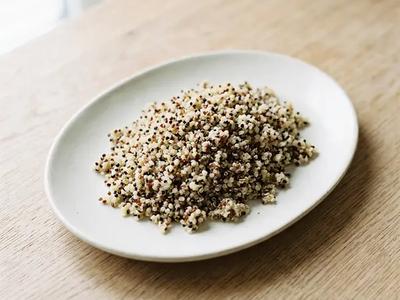
Grains & Cereal
Cooked, most of the grains here sit between 19 and 34 g of carbohydrate per 100 g, and the differences that matter are fibre, protein and how the grain is listed. This guide goes through all 33 in the category, grain by grain: four rices, ten members of the wheat family, the gluten-free grains, seven pastas and the handful that are listed dry. The Grains & Cereal guide compares six of them cooked. It also settles three questions the parent guide leaves open: what legally counts as a whole grain, which of these grains contain gluten, and what the one authorised EU claim about oats and barley actually says. One food here is marked avoid in pregnancy: Job's tears, on a traditional contraindication rather than any agency's advice.
See what works for you. Try SugarCurve free for 7 days
33 foodsLast reviewed: September 11, 2026Sources


No foods found for your search.
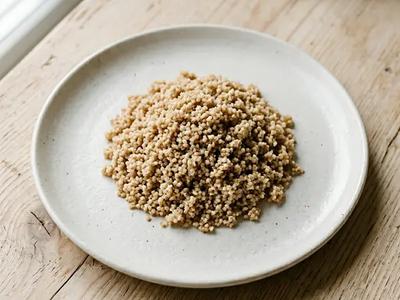
19.9 g of carbohydrate per 100 g cooked, and not a cereal containing gluten on the FSA's list.
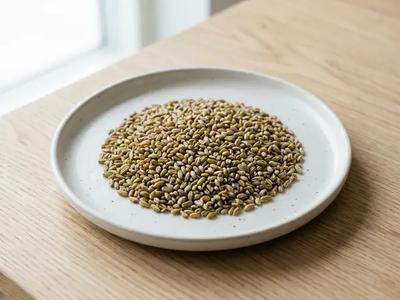
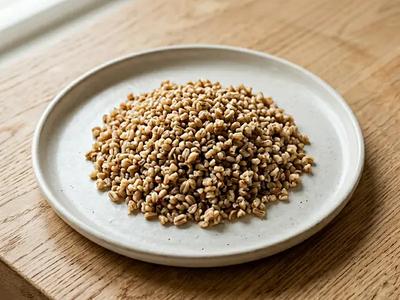
Cooked green wheat: 23 g of carbohydrate per 100 g with 4 g of fibre.
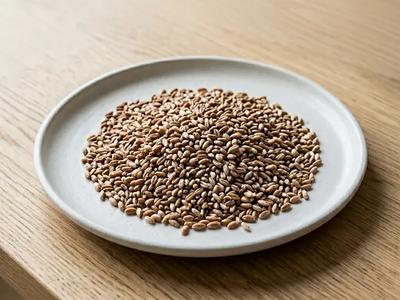
23 g of carbohydrate per 100 g cooked, 4.5 g of fibre; a wheat, so it contains gluten.
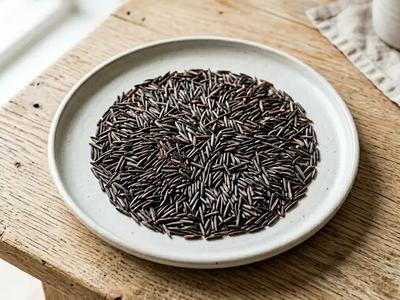
The lowest-carbohydrate rice here at 21.3 g per 100 g cooked, and 4 g of protein.
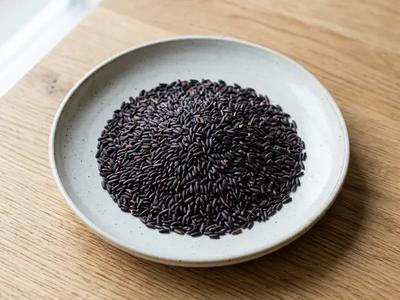
28 g of carbohydrate per 100 g cooked with 2.8 g of fibre, the most of the four rices.
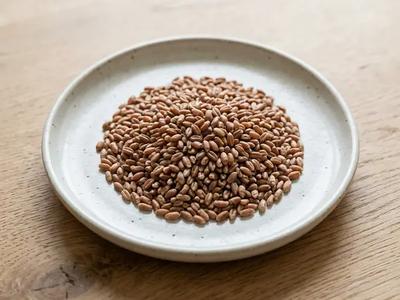
6.3 g of fibre per 100 g cooked, the most of any cooked grain here, at 33.5 g of carbohydrate.
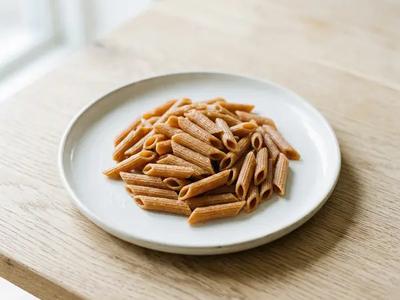
8 g of fibre and 12 g of protein per 100 g cooked, about twice the grain pastas'.
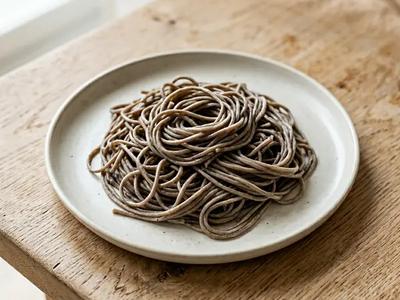
24.4 g of carbohydrate per 100 g cooked; check the ingredients for wheat.
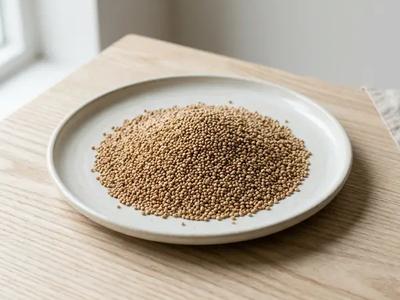
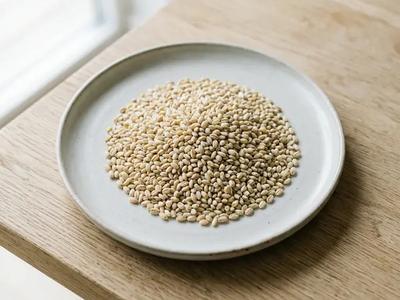
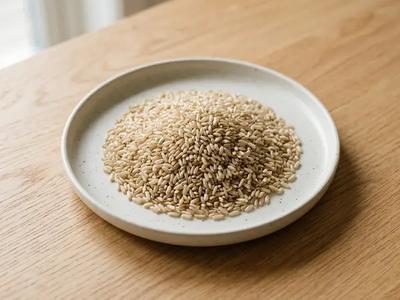
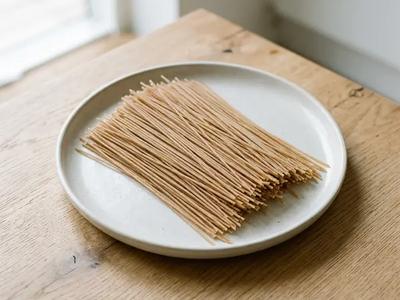
The cooked grains with the most fibre or protein for their carbohydrate, one from each group: a gluten-free grain, three wheats, two rices and two pastas. Bulgur, quinoa, barley and whole-grain pasta are featured in the Grains & Cereal guide. Job's tears is marked avoid and isn't featured.
The FDA's guidance describes a whole grain as a cereal grain whose starchy endosperm, germ and bran are present in the same proportions as in the intact kernel, whether it is whole, ground, cracked or flaked. Its list of cereal grains runs to amaranth, barley, buckwheat, bulgur, corn, millet, quinoa, rice, rye, oats, sorghum, teff, triticale, wheat and wild rice. The UK has no legal definition of wholegrain, only of wholemeal bread, so on a pack the word is a description, not a standard.[1] [2]
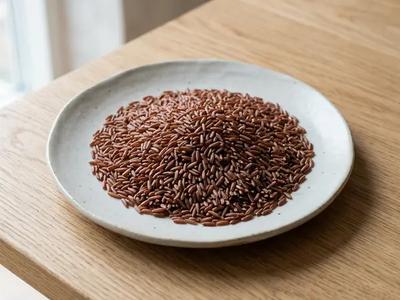
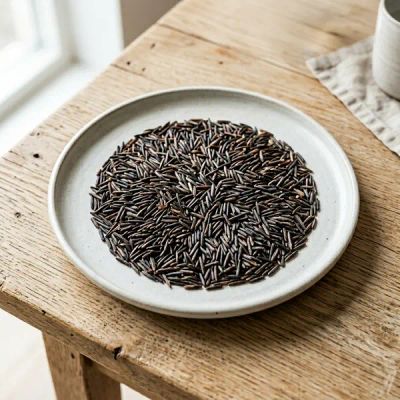
Cooked wild rice carries 21.3 g of carbohydrate per 100 g here, as in USDA's tables, red rice 23.5 g, brown rice 25.6 g and black rice 28 g, with 1.6 to 2.8 g of fibre against 0.4 g for USDA's cooked white rice. Whatever the colour, the FDA's advice on arsenic applies: cooking rice in excess water lowers its arsenic, and no one grain should carry the whole diet.[3] [4]
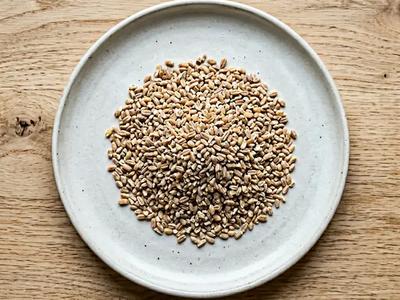
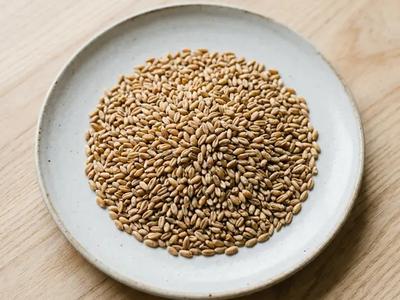
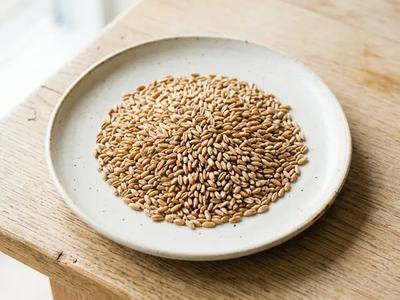
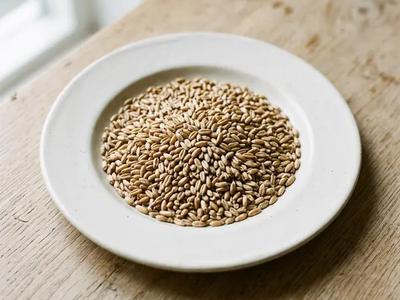
Bulgur, freekeh, farro, spelt, kamut, einkorn, wheat berries, cracked wheat, triticale and whole-wheat couscous are all wheat or wheat crosses. The FSA's list of cereals containing gluten names wheat, including spelt and khorasan wheat, which is kamut, together with rye, barley and oats. The grains here that are not on that list are buckwheat, quinoa, amaranth, millet, sorghum, teff, fonio, rice and corn. Cooked, the wheat family runs from bulgur at 18.6 g of carbohydrate per 100 g to wheat berries at 33.5 g, which also carry the most fibre, 6.3 g.[3] [5] [6]
Cooked amaranth carries 18.7 g of carbohydrate per 100 g, less than any rice here, yet its page shows a GI of 97 and a high impact rating; barley groats carry 28.2 g with a GI of 25 and a low one. Diabetes UK explains that GI ranks a food eaten on its own and that portion size can matter more than GI. Read the two figures together: a small serving of amaranth and a large one of barley can put the same carbohydrate on the plate.[3] [7]
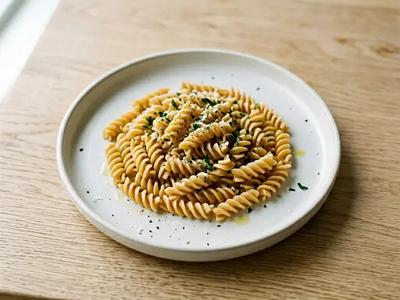
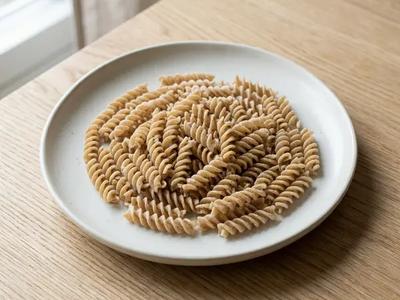
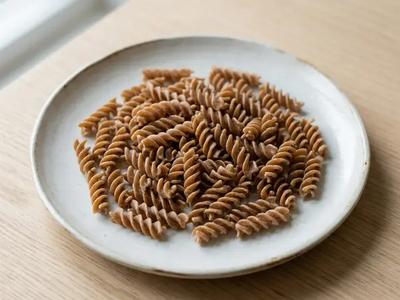
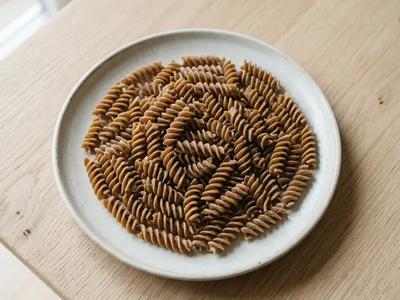
USDA lists cooked whole-wheat pasta at 30.1 g of carbohydrate per 100 g and cooked white pasta at 30.9 g, so the swap doubles the fibre, 3.9 g against 1.8 g, without moving the carbohydrate. Here, soba carries 24.4 g cooked, spelt pasta 32 g and quinoa pasta 34 g. Lentil pasta is the outlier: 30 g of carbohydrate with 8 g of fibre and 12 g of protein. Chickpea pasta is listed dry at 58 g, so it is left out of the cooked table.[3] [8]
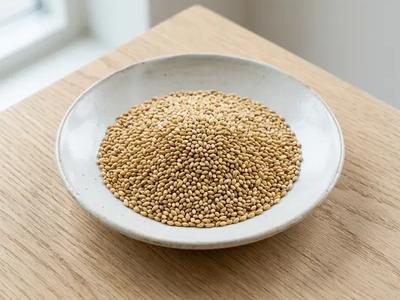
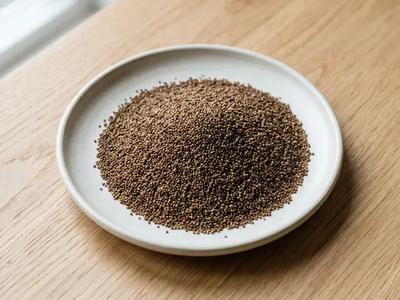
Oats, einkorn, triticale, millet, teff, fonio and cracked wheat are listed dry here, at 66 to 76 g of carbohydrate per 100 g, so a 50 g dry portion is 33 to 38 g. USDA's cooked figures show what the water does: millet falls to 23.7 g and teff to 19.9 g, in line with the cooked grains above. Cracked wheat's figures match USDA's dry bulgur.[3]
| Food | Carbs | Fiber | Protein | Blood sugar impact |
|---|---|---|---|---|
| Wild Rice | 21.3 g | 1.8 g | 4 g | medium |
| Red Rice | 23.5 g | 1.8 g | 2.6 g | medium |
| Brown Rice | 25.6 g | 1.6 g | 2.7 g | medium |
| Black Rice | 28 g | 2.8 g | 4 g | low |
Wild rice carries the least carbohydrate; black rice the most, and the most fibre.
| Food | Carbs | Fiber | Protein | Blood sugar impact |
|---|---|---|---|---|
| Bulgur | 18.6 g | 4.5 g | 3.1 g | low |
| Farro (whole grain) | 23 g | 4.5 g | 4.5 g | low |
| Freekeh | 23 g | 4 g | 4.5 g | low |
| Spelt | 26.4 g | 4.5 g | 5.5 g | medium |
| Kamut | 29.5 g | 4.2 g | 6.1 g | low |
| Wheat Berries | 33.5 g | 6.3 g | 6.1 g | low |
From 18.6 g of carbohydrate per 100 g to 33.5 g; every one carries 4 g of fibre or more.
| Food | Carbs | Fiber | Protein | Blood sugar impact |
|---|---|---|---|---|
| Buckwheat Pasta (Soba) | 24.4 g | 3 g | 5.1 g | low |
| Whole Grain Pasta | 26.5 g | 3.7 g | 5.3 g | low |
| Brown Rice Pasta | 28.1 g | 1.8 g | 2.7 g | medium |
| Lentil Pasta | 30 g | 8 g | 12 g | low |
| Spelt Pasta | 32 g | 4.5 g | 6.5 g | medium |
| Quinoa Pasta | 34 g | 3.5 g | 5.5 g | medium |
Lentil pasta carries about twice the fibre and protein of the grain pastas; brown rice pasta the least fibre.
| Food | Carbs | Fiber | Protein | Blood sugar impact |
|---|---|---|---|---|
| Oats | 66.3 g | 10.6 g | 16.9 g | low |
| Einkorn | 70.5 g | 8.5 g | 18.2 g | medium |
| Triticale | 72 g | 14.6 g | 13 g | low |
| Millet (whole grain) | 72.9 g | 8.5 g | 11 g | medium |
| Teff (whole grain) | 73.1 g | 8 g | 13.3 g | low |
| Cracked Wheat | 75.9 g | 12.5 g | 12.3 g | low |
All dry, at 66 to 76 g of carbohydrate per 100 g; weigh these before cooking.
Figures from each food's entry in this library. Open a food for its full profile and portion notes.
33 foods in this category, each rated for glycemic impact and blood sugar effect.
Track how whole grains affects your blood sugar with the SugarCurve app — free to download.
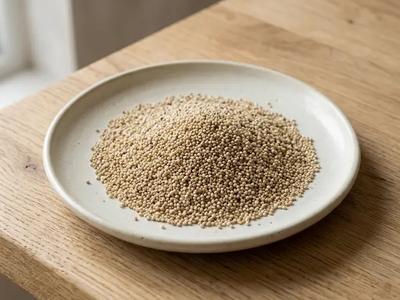
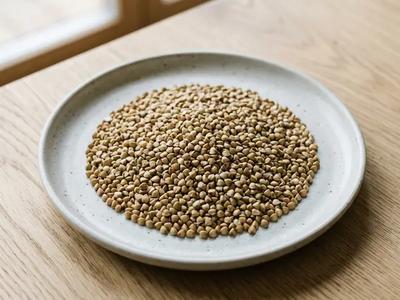
Start Free Trial →On the FDA's list, yes: its cereal grains include quinoa, buckwheat and amaranth alongside wheat, rice and oats. Cooked quinoa carries 21.3 g of carbohydrate per 100 g here and in USDA's tables, with 4.4 g of protein, more than any rice.[1] [3]
Going by the FSA's list of cereals containing gluten, which names wheat, spelt, khorasan wheat, rye, barley and oats, the grains here that are not on it are buckwheat, quinoa, amaranth, millet, sorghum, teff, fonio, rice and corn. Spelt, farro, kamut, freekeh, bulgur and einkorn are wheat.[5] [6]
Barley groats show a GI of 25 here, the lowest in the category, and Diabetes UK's advice is that portion size can matter more than GI. The EU has authorised one claim for oats and barley: that their beta-glucans, eaten as part of a meal, contribute to the reduction of the blood glucose rise after that meal. It may be made only on a food with at least 4 g of beta-glucans per 30 g of available carbohydrate, and this library doesn't list beta-glucan, so no page here makes it.[7] [9]
Not on these figures. Brown rice pasta carries 28.1 g of carbohydrate per 100 g cooked with 1.8 g of fibre, against 26.5 g and 3.7 g for whole-grain pasta. It is gluten-free, which is the reason to choose it. Lentil pasta, at 8 g of fibre and 12 g of protein, is the one that changes the plate.[3] [5] [6]
Every pregnancy is different, and gestational diabetes is managed differently depending on your readings, your medication and how far along you are. The ratings and portions on this page are general information — not a diagnosis, a treatment plan or a medical device — and they cannot see your results.
Contact your care team the same day if: your readings stay above target for several days; you have a reading below 54 mg/dL (3.0 mmol/L) or needed someone else's help to treat a low; you test positive for ketones; or your baby is moving less than usual. Seek emergency care for confusion, fainting, repeated vomiting, or a low you cannot bring back up.
By using this guide, you agree to our Terms and Conditions. How we write, source and review this content: editorial policy.
Compiled and reviewed by Dalo Labs ApS. Numbered references in the text point to the sources below. Not endorsed by or affiliated with any referenced organization. · Last reviewed: September 11, 2026
SugarCurve plans your week, turns cravings into recipes and shows how your readings respond to what you eat, so following your care team's advice takes less guesswork, day after day.
7 days free, then a subscription. Cancel anytime before the trial ends.