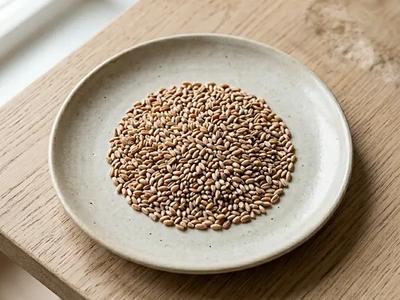
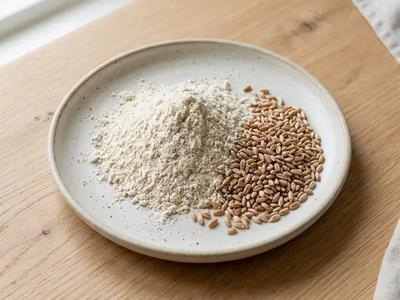
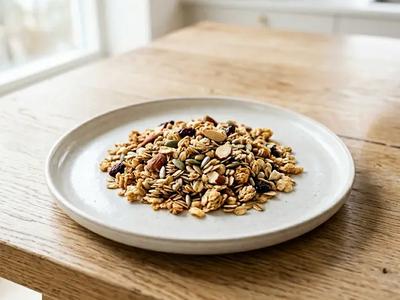
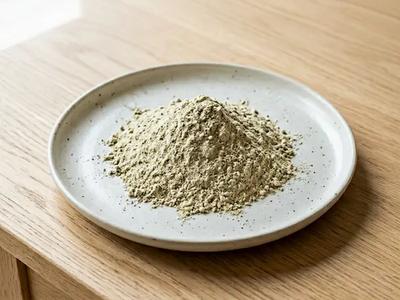
Grains & Cereal
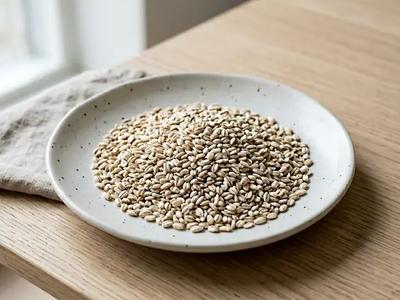
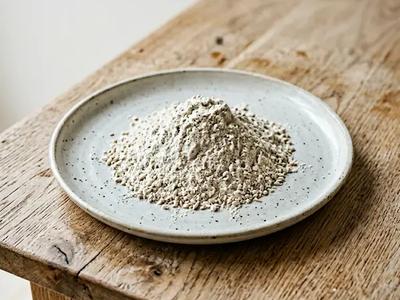
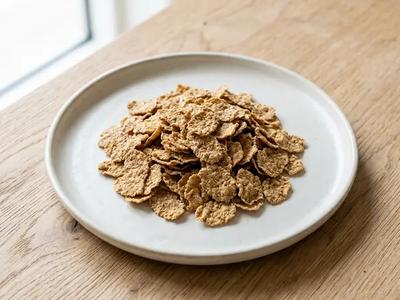
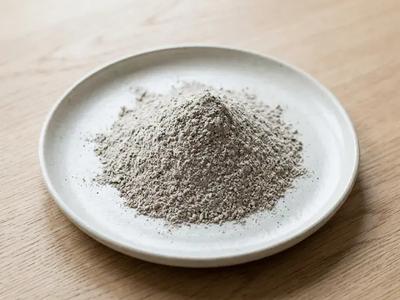
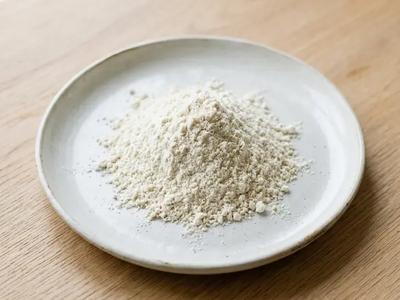
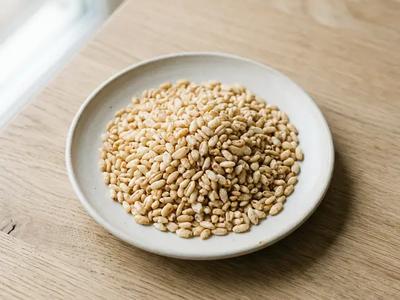
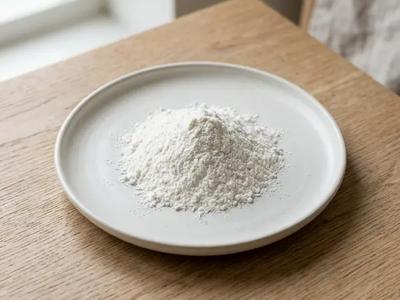
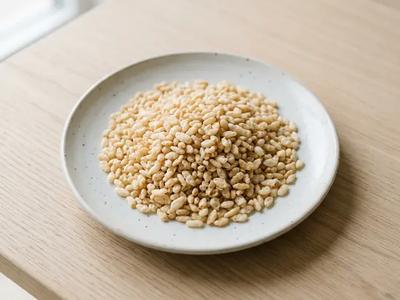
Almost all of the flours, oats and cereals here are listed dry, so their figure per 100 g is not what ends up in your bowl. The 62 foods are the grains you pour, stir or bake with: oats in every cut, breakfast and hot cereals, brans and germ, and 30 flours from wheat to tapioca. The Grains & Cereal guide explains the dry listing once; this guide works out what it means at the bowl, with USDA's weights for a dry portion of oats and a cup of puffed rice. Its other job is to show where the form of a grain matters and where it doesn't. Steel-cut, instant and milled oats carry the same carbohydrate per 100 g; only the cut differs. Nut and legume flours do change the figures, and bring regulated allergens with them. None of the foods here carries a pregnancy caution.
See what works for you. Try SugarCurve free for 7 days
62 foodsLast reviewed: August 27, 2026Sources


No foods found for your search.
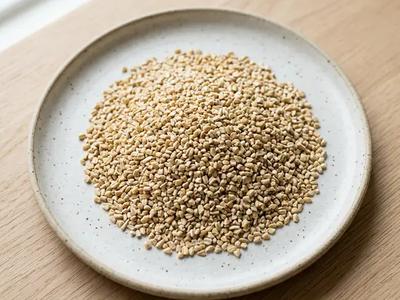
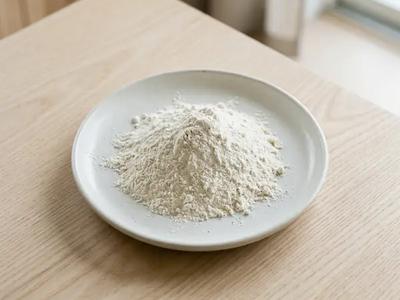
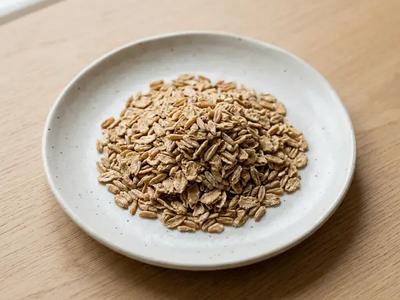
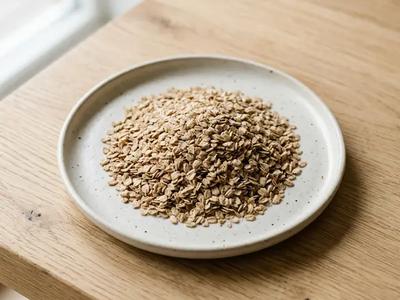
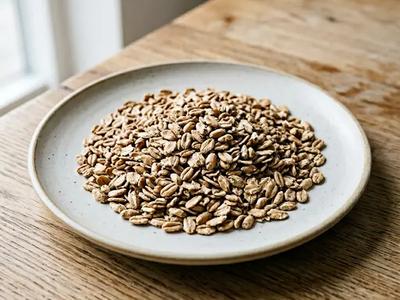
The cut Diabetes UK names as low GI, at the same 68 g of carbohydrate per 100 g as instant oats.
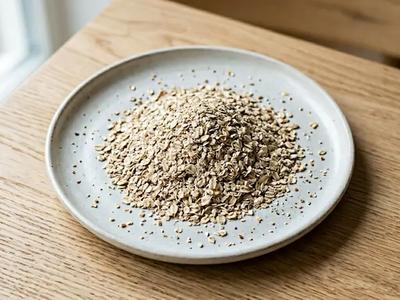
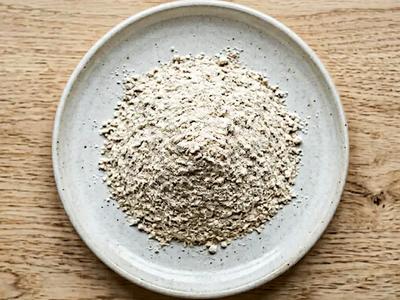
15.4 g of fibre per 100 g dry, the most of any oat product here.
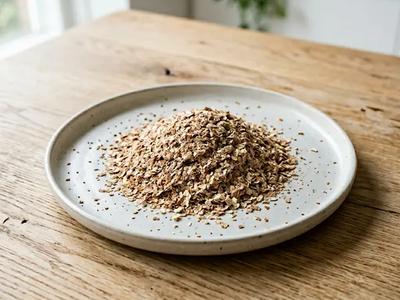
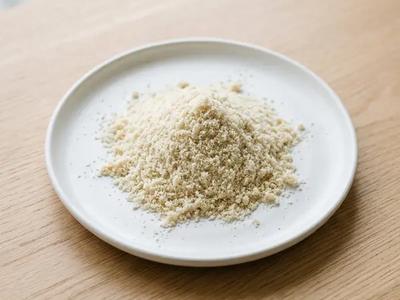
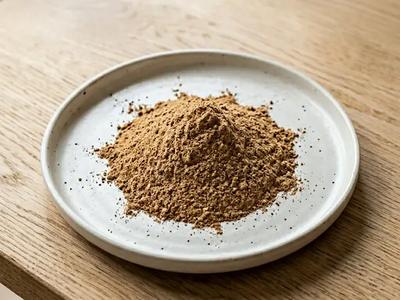
42.8 g of fibre in 64.5 g of carbohydrate; added by the spoon, not the bowl.
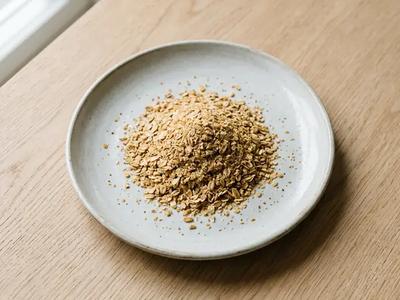
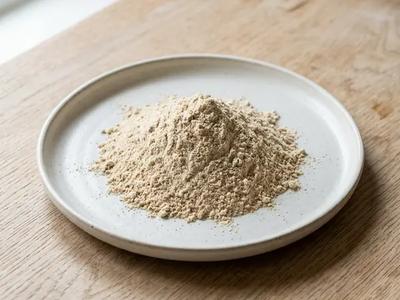
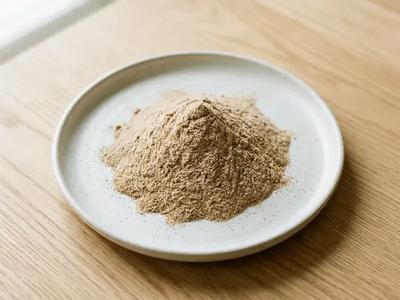
23 g of protein and 13 g of fibre per 100 g, the most protein of the grain products here.
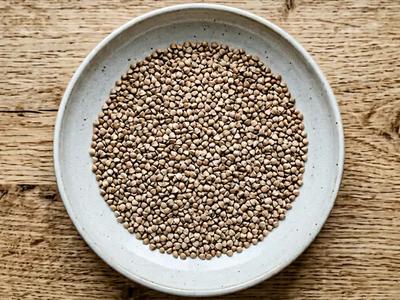
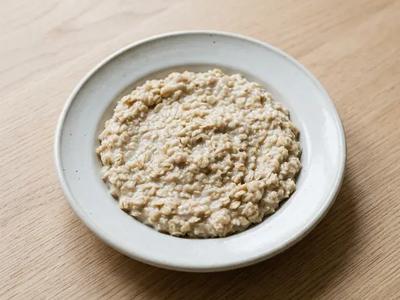
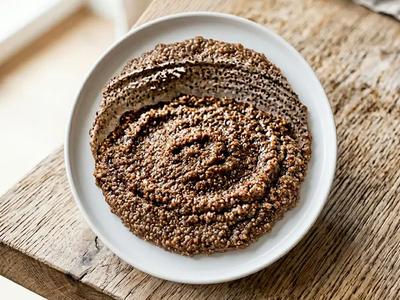
Listed cooked at 19.9 g of carbohydrate per 100 g, with 2.7 g of fibre.
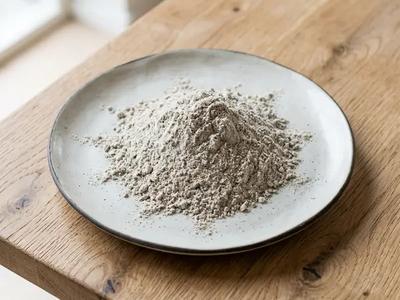
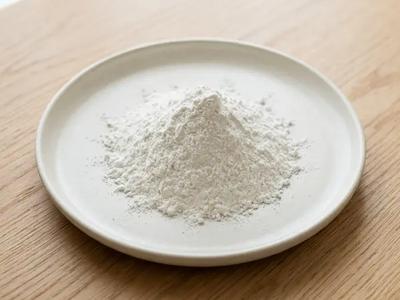
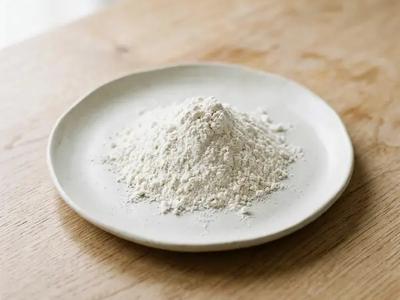
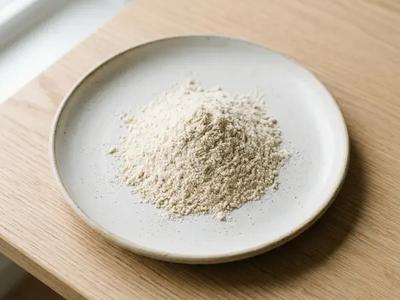
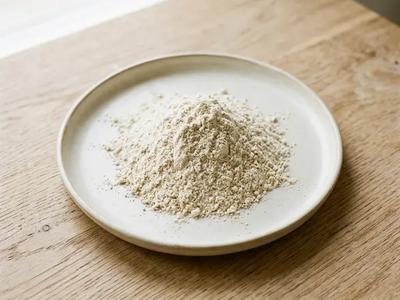
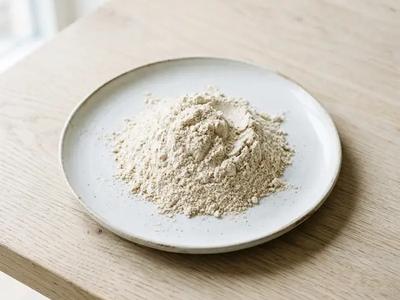
22.6 g of fibre per 100 g, the most of any grain flour in the library.
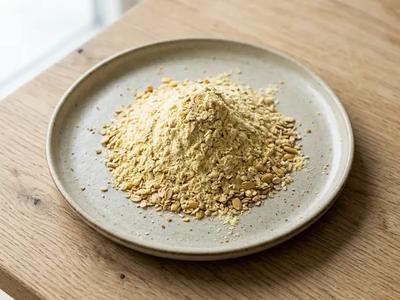
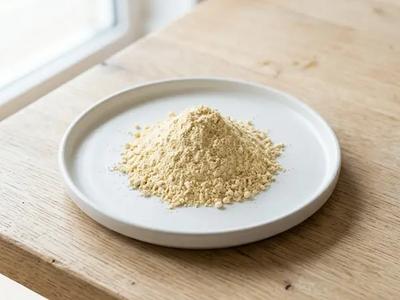
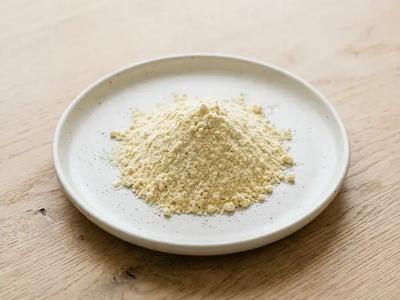
40 g of protein and 30 g of fibre per 100 g; lupin is a regulated allergen.
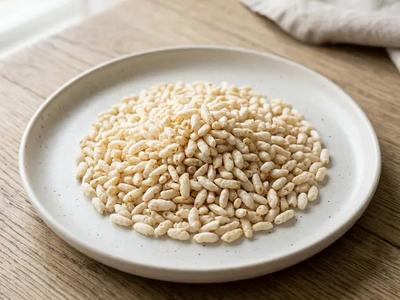
Here for the weight: 89 g of carbohydrate per 100 g, but a cup weighs 14 g.
The oat and bran products with the most fibre, a hot cereal listed cooked, the flours that change the numbers most, and puffed rice for what its weight teaches. Plain oats and all-purpose flour are featured in the Grains & Cereal guide.
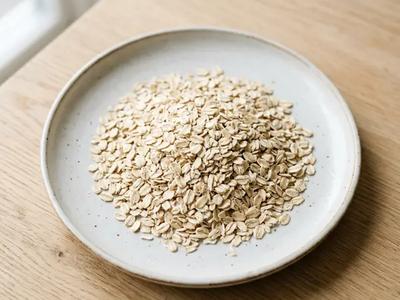
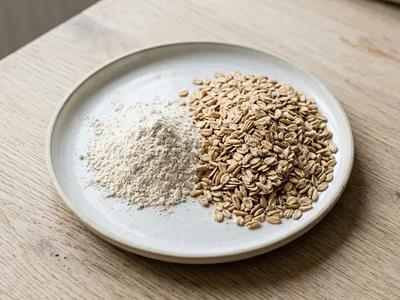
Steel-cut oats, instant oats, oat flour and oat bran all carry 66 to 68 g of carbohydrate and 10 to 15 g of fibre per 100 g dry in this library, and USDA's regular and quick oats list 67.7 g. The cut changes nothing on the nutrition panel. Diabetes UK, in advice for diabetes generally, puts coarse oatmeal such as steel-cut oats on its low-GI list and says processing, milling among its examples, changes a food's GI. That is why the oat pages here carry different GIs on identical figures. The amount you cook still matters more.[1] [2] [3]
USDA's reference portion of dry oats is a third of a cup, 27 g, which at 68 g of carbohydrate per 100 g is about 18 g of carbohydrate; 40 g dry is about 27 g. Cooked with water, the same oats list 12 g of carbohydrate per 100 g of porridge, because the water is counted. Porridge made with milk carries the milk's carbohydrate on top, about 5 g per 100 ml; the Dairy guide has those figures.[2] [4]
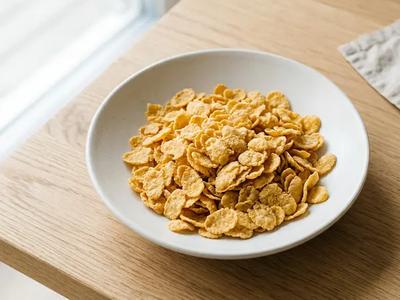
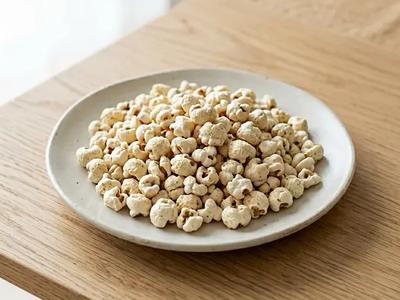
Puffing is processing, and Diabetes UK says processing changes GI. Puffed rice carries 89 g of carbohydrate per 100 g here, but USDA weighs a cup of it at 14 g, so a cup is about 12 g of carbohydrate and a bowl is easy to overfill. Salt is the other line to read: cornflakes at 635 mg of sodium per 100 g and rice cereal at 648 mg sit above the NHS's high-salt threshold of 600 mg; plain puffed rice lists 5 mg. The NHS names breakfast cereals among the everyday foods most of our salt comes from.[1] [2] [5] [6]
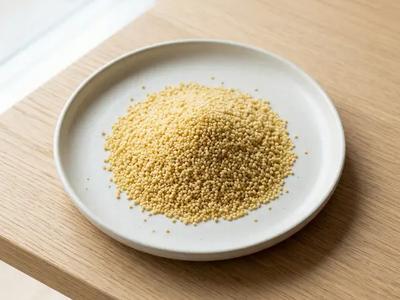
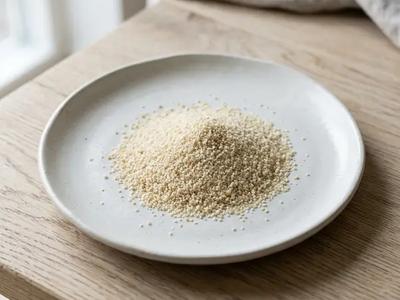
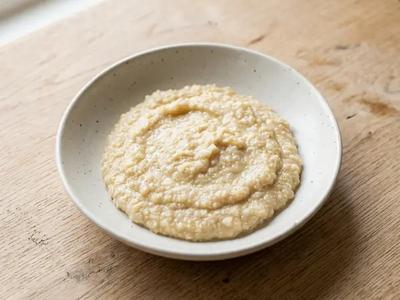
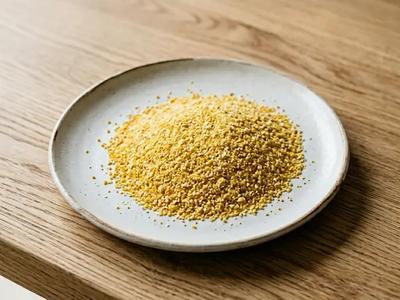
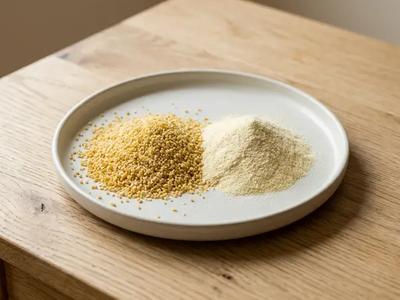
Grits, polenta, couscous, millet cereal and barley cereal are listed cooked in this library, at 15 to 28 g of carbohydrate per 100 g, and match USDA's cooked figures: grits 14.8 g, couscous 23.2 g, millet 23.7 g, pearled barley 28.2 g. Semolina and cream of wheat are listed dry at 73 g, against USDA's 78 g for dry farina, so a 30 g dry serving of semolina is about 22 g of carbohydrate.[2]
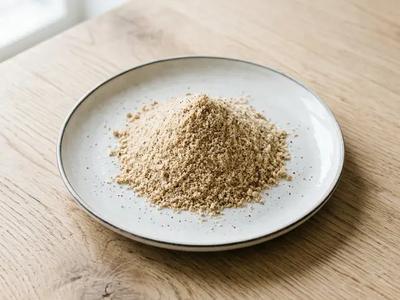
Wheat bran lists 64.5 g of carbohydrate per 100 g here and in USDA's tables, 42.8 g of it fibre, so two thirds of its carbohydrate is fibre. Oat bran carries 15.4 g of fibre and wheat germ 13.2 g with 23 g of protein. The NHS's guideline is 30 g of fibre a day for adults. Bran is added by the spoonful, so the figures per 100 g overstate what lands in a bowl.[2] [7]
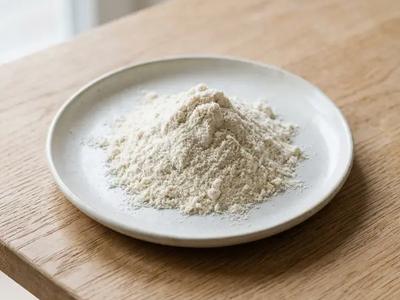
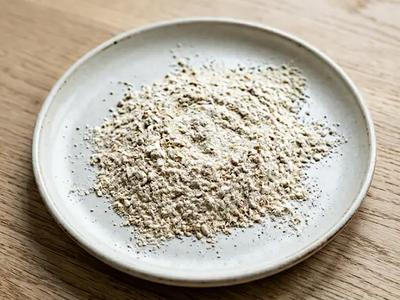
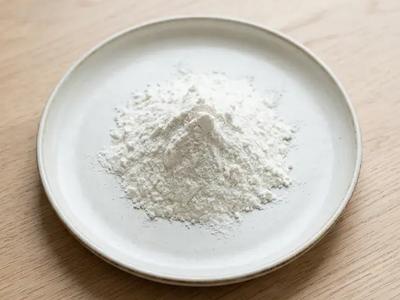
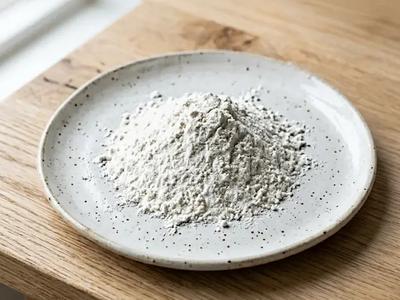
All-purpose flour carries 76 g of carbohydrate, 2.7 g of fibre and 1 g of fat per 100 g here and in USDA's tables. Almond flour swaps that for 22 g of carbohydrate, 12.5 g of fibre and 50 g of fat; coconut flour keeps 59 g of carbohydrate but 38.5 g of it is fibre, with 21 g of sugar; lupin flour carries 40 g of protein and 30 g of fibre. Less carbohydrate, far more fat or protein. Tree nuts, soya and lupin are on the FSA's list of regulated allergens, so a swap changes the allergen label too.[2] [8] [9]
| Food | Carbs | Fiber | Sugars | Blood sugar impact |
|---|---|---|---|---|
| Steel-cut oats | 68.2 g | 10.3 g | 1.1 g | low |
| Iron-Fortified Oatmeal | 68 g | 10 g | 1.1 g | medium |
| Instant Oats | 68 g | 10 g | 1.2 g | high |
| Oat Flour | 68.2 g | 10.1 g | 1.1 g | medium |
| Oat Bran | 66.2 g | 15.4 g | 1.5 g | low |
All dry. The figures barely move across the cuts; the GI on each page does.
| Food | Carbs | Sugars | Sodium | Blood sugar impact |
|---|---|---|---|---|
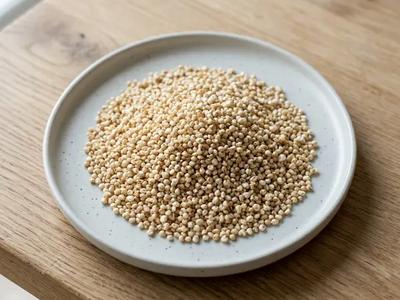
| Puffed Quinoa | 68.9 g | 3.1 g | 8 mg | high |
| Puffed Amaranth | 66.2 g | 1.5 g | 21 mg | high |
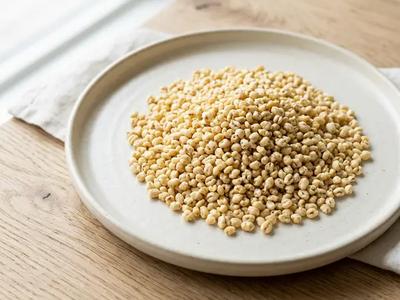
| Puffed Millet | 73 g | 0.5 g | 5 mg | high |
| Puffed Corn (unsalted, unsweetened) | 81.6 g | 0.4 g | 3 mg | high |
| Rice Krispies | 87 g | 9.5 g | 550 mg | high |
| Puffed Rice | 89 g | 0.1 g | 5 mg | high |
Plain puffed grains carry almost no salt or sugar; the branded rice cereal adds both.
| Food | Carbs | Fiber | Protein | Blood sugar impact |
|---|---|---|---|---|
| Grits | 15.5 g | 1 g | 1.8 g | high |
| Polenta | 18.2 g | 1.5 g | 2.1 g | medium |
| Buckwheat Cereal | 19.9 g | 2.7 g | 3.4 g | low |
| Teff Cereal | 20 g | 3 g | 3.9 g | high |
| Couscous | 23.2 g | 1.4 g | 3.8 g | high |
| Millet Cereal | 23.7 g | 2.3 g | 3.5 g | medium |
All cooked, at 15 to 24 g of carbohydrate per 100 g; the dry semolina and cream of wheat are not in this table.
| Food | Carbs | Fiber | Protein | Blood sugar impact |
|---|---|---|---|---|
| Corn Flour | 76.8 g | 7.3 g | 6.9 g | high |
| Rice Flour | 80.1 g | 2.4 g | 5.9 g | high |
| Potato Flour | 83.1 g | 5.9 g | 6.9 g | high |
| Cassava Flour | 85 g | 4.9 g | 1.4 g | high |
| Arrowroot Flour | 88.2 g | 3.4 g | 0.3 g | high |
| Tapioca Flour | 88.7 g | 0.9 g | 0.2 g | high |
Rice, potato, cassava, arrowroot and tapioca flours are starch: 80 to 89 g of carbohydrate per 100 g, little fibre, almost no protein.
Figures from each food's entry in this library. Open a food for its full profile and portion notes.
62 foods in this category, each rated for glycemic impact and blood sugar effect.
Track how flour and cereals affects your blood sugar with the SugarCurve app — free to download.
Start Free Trial →They carry the same carbohydrate, 68 g per 100 g dry here. Diabetes UK lists coarse oatmeal such as steel-cut oats as low GI and says processing changes GI; it also says portion size can matter more than GI. Weigh the oats dry either way, and let your readings show whether the cut makes a difference for you.[1]
USDA's reference portion is a third of a cup of dry oats, 27 g, about 18 g of carbohydrate before milk; 40 g dry is about 27 g. The cooked weight is mostly water, so weigh the oats before cooking. Your dietitian sets the amount that fits your plan.[2]
It cuts carbohydrate from 76 g to 22 g per 100 g and raises fat from 1 g to 50 g, so the calories climb from 364 to 579 here and in USDA's tables. Tree nuts are a regulated allergen. It's a different food, not a lighter one.[2] [8] [9]
The FSA lists the cereals containing gluten as wheat, including spelt and khorasan wheat, rye, barley and oats, so spelt and kamut flours are wheat flours and oat flour is on the list too. Rice, corn, buckwheat, chickpea, teff, sorghum, millet and the starch flours are not cereals containing gluten.[8] [9]
Every pregnancy is different, and gestational diabetes is managed differently depending on your readings, your medication and how far along you are. The ratings and portions on this page are general information — not a diagnosis, a treatment plan or a medical device — and they cannot see your results.
Contact your care team the same day if: your readings stay above target for several days; you have a reading below 54 mg/dL (3.0 mmol/L) or needed someone else's help to treat a low; you test positive for ketones; or your baby is moving less than usual. Seek emergency care for confusion, fainting, repeated vomiting, or a low you cannot bring back up.
By using this guide, you agree to our Terms and Conditions. How we write, source and review this content: editorial policy.
Compiled and reviewed by Dalo Labs ApS. Numbered references in the text point to the sources below. Not endorsed by or affiliated with any referenced organization. · Last reviewed: August 27, 2026
SugarCurve plans your week, turns cravings into recipes and shows how your readings respond to what you eat, so following your care team's advice takes less guesswork, day after day.
7 days free, then a subscription. Cancel anytime before the trial ends.