

Allergen Information
Contains: wheat, egg, dairy
May contain: tree nuts, soy
Nutrition per 100g
Grains & Cereal › Bread and Baked Goods
Mini Muffins (Low Sugar) for Gestational Diabetes
Low-sugar mini muffins are small, portion-controlled baked goods designed as a healthier alternative to their larger, sugar-laden counterparts. They typically use less sugar or alternative sweeteners and may incorporate whole grains to increase fiber content. While a better choice, they are still a source of refined carbohydrates and fat, making them a treat rather than a health food. Their main advantage lies in their small size, which helps with automatic portion control. They can satisfy a craving for something sweet without the significant sugar and calorie load of a standard bakery muffin.
At a glance
Pregnancy safety
SafeBlood sugar impact
mediumCarbs / 100 g
40.5gIs Mini Muffins (Low Sugar) safe with gestational diabetes?
Low-sugar mini muffins should be approached with significant caution for gestational diabetes management. Although 'low sugar' is appealing, they are still made primarily from flour, a concentrated source of carbohydrates that can impact blood glucose. Their small size is beneficial for portion control, but they can easily lead to a blood sugar spike if not managed correctly. These should be considered a calculated treat, not a regular snack. Always prioritize whole foods over processed baked goods, even when they are marketed as a healthier option.
How does Mini Muffins (Low Sugar) affect blood sugar during pregnancy?
The primary ingredient in most muffins is refined white flour, which has a moderate to high glycemic index (GI) and can cause a rapid increase in blood sugar. Even with reduced sugar, the carbohydrate load from the flour is significant. The cooking process of baking creates a product that is easily digestible, leading to quick glucose absorption. Opting for homemade versions with 100% whole-wheat or almond flour can lower the glycemic impact due to higher fiber content. However, any store-bought version should be assumed to have a notable effect on blood glucose levels.
What is a safe portion of Mini Muffins (Low Sugar) for gestational diabetes?
Strict portion control is non-negotiable; limit yourself to a single mini muffin per sitting. This serving size, typically around 30-40 grams, provides a controlled carbohydrate amount that is less likely to overwhelm your system. Think of it as fulfilling your entire carbohydrate allowance for that specific snack. Do not be tempted to have a second one, as this would double the carbohydrate load and likely result in hyperglycemia. Always incorporate the muffin's carbs into your daily meal plan and monitor your blood sugar afterward to see how your body responds.
How should I combine Mini Muffins (Low Sugar) to manage blood sugar during pregnancy?
To mitigate a blood sugar spike, it is critical to never eat a mini muffin alone. Pair it with a strong source of protein and healthy fat to slow down carbohydrate absorption and blunt the glucose response. Excellent pairing options include a hard-boiled egg, a small handful of almonds or walnuts, or a smear of unsweetened peanut or almond butter directly on the muffin. You could also have it alongside a serving of plain Greek yogurt. This strategy turns a potential blood sugar problem into a more balanced and manageable snack.
Last reviewed: August 31, 2026
Important Safety Information
Every pregnancy is different, and gestational diabetes is managed differently depending on your readings, your medication and how far along you are. The ratings and portions on this page are general information — not a diagnosis, a treatment plan or a medical device — and they cannot see your results.
- Low blood sugar:
- If you take insulin or diabetes medication, eating less carbohydrate than your team planned for can push your blood sugar too low. Treat a reading below 70 mg/dL (3.9 mmol/L), or symptoms such as shaking, sweating, confusion or a racing heart, with fast-acting carbohydrate immediately and retest after 15 minutes. Never use this page as a reason to skip or shrink a meal you were told to eat.
- Carbohydrate and ketones:
- Cutting carbohydrate hard to force a number down is not safe in pregnancy — it can produce ketones. Published guidance sets a minimum of 175 g of carbohydrate per day in pregnancy. Readings that stay above target for several days need your care team, not a smaller portion.
- Medication and insulin:
- The portions here are generic and know nothing about your insulin doses, your metformin, or the steroids given to mature your baby's lungs — all of which change how a meal affects you. Never adjust a dose or a mealtime based on this page.
- Food safety in pregnancy:
- Blood sugar is not the only thing that makes a food suitable while you are pregnant. Some foods with excellent glycemic numbers still carry mercury, vitamin A, listeria or alcohol risks, and those are judged separately from the ratings shown here. Check your national pregnancy food-safety guidance before adding an unfamiliar food.
- What these ratings can and cannot tell you:
- Glycemic index values, impact ratings and maximum servings are population averages taken from published tables. Two people eating the same food can get very different readings, so your own meter is the only measurement that describes you. Nutrition figures are indicative per 100 g and vary with brand, ripeness and preparation.
Contact your care team the same day if: your readings stay above target for several days; you have a reading below 54 mg/dL (3.0 mmol/L) or needed someone else's help to treat a low; you test positive for ketones; or your baby is moving less than usual. Seek emergency care for confusion, fainting, repeated vomiting, or a low you cannot bring back up.
By using this guide, you agree to our Terms and Conditions. How we write, source and review this content: editorial policy.
Sources & Editorial Review
Content independently developed by Dalo Labs ApS, informed by the American Diabetes Association's Standards of Care in Diabetes, ACOG's gestational diabetes guidelines, and the IADPSG consensus criteria. Not endorsed by or affiliated with any referenced organization. · Last reviewed: August 2026
- American Diabetes Association — Management of Diabetes in Pregnancy: Standards of Care in Diabetes—2026
- ACOG Practice Bulletin No. 190 — Gestational Diabetes Mellitus (reaffirmed 2026)
- USDA FoodData Central — Nutritional Database
- Atkinson et al. — International Tables of Glycemic Index and Glycemic Load Values 2021 (Am J Clin Nutr)
More in Bread and Baked Goods
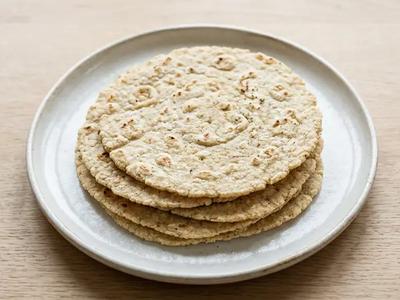
Almond Flour Tortillas
Bread and Baked Goods

Bagels (soft, plain, no toppings)
Bread and Baked Goods
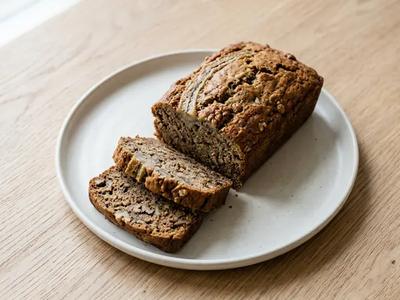
Banana Bread (Low Sugar)
Bread and Baked Goods
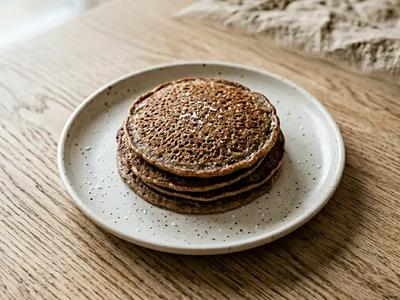
Blini (buckwheat pancake)
Bread and Baked Goods

Brioche (low sugar)
Bread and Baked Goods
Help with every meal, not just this one
SugarCurve plans your week, turns cravings into recipes and shows how your readings respond to what you eat, so following your care team's advice takes less guesswork, day after day.
- Weekly meal plans
- Recipes for your cravings
- Your numbers, in charts
- Reports for your care team
7 days free, then a subscription. Cancel anytime before the trial ends.