

Allergen Information
Contains: Gluten, Wheat, Milk
May contain: Soy, Nuts, Sesame
Nutrition per 100g
Grains & Cereal › Bread and Baked Goods
Soft biscuits (unsweetened) for Gestational Diabetes
Unsweetened soft biscuits, often referred to as American-style biscuits, are a type of quick bread known for their tender, flaky texture. They are typically made from refined all-purpose flour, a high-fat component like butter or shortening, milk or buttermilk, and a chemical leavening agent such as baking powder. Despite being unsweetened, they are rich in simple carbohydrates and fats, making them very calorie-dense. Their primary role is savory, often served alongside meals like fried chicken, covered in gravy, or used for breakfast sandwiches. The flakiness is achieved by cutting cold fat into the flour, creating layers that steam apart during baking.
At a glance
Pregnancy safety
SafeBlood sugar impact
highCarbs / 100 g
45.8gIs Soft biscuits (unsweetened) safe with gestational diabetes?
Unsweetened soft biscuits are a high-risk food for managing gestational diabetes due to their composition of refined white flour. This type of flour is stripped of its bran and germ, resulting in very low fiber content and a high glycemic index. Consequently, the carbohydrates in biscuits are digested and absorbed very rapidly, leading to a sharp and significant increase in blood glucose levels. Their high fat and sodium content also make them a less-than-ideal choice for a healthy pregnancy diet, offering minimal nutritional benefits for the calories consumed.
How does Soft biscuits (unsweetened) affect blood sugar during pregnancy?
The primary concern with soft biscuits is their high glycemic index (GI), estimated around 70. The refined starch acts much like sugar once digested, causing a rapid influx of glucose into the bloodstream that can be difficult to manage. The baking process makes these starches highly available for quick digestion. Even though they are labeled 'unsweetened,' the carbohydrate load is substantial and poses a significant challenge to glucose control. Consistent consumption of such high-GI foods can make it harder to maintain stable blood sugar throughout the day.
What is a safe portion of Soft biscuits (unsweetened) for gestational diabetes?
Extreme portion control is non-negotiable with soft biscuits. A maximum serving should be no more than half of one small, standard-sized biscuit. This strict limit is necessary because even a small amount contains a significant load of fast-acting carbohydrates that can quickly destabilize blood sugar levels. Think of it as a small complement to a protein-rich meal rather than a main source of carbohydrates. Visually, this is about a two-to-three bite portion, which helps minimize the glycemic impact on your system.
How should I combine Soft biscuits (unsweetened) to manage blood sugar during pregnancy?
If you choose to eat a biscuit, pairing it correctly is absolutely critical to mitigate the blood sugar spike. Never eat a biscuit alone or with other carbohydrates like potatoes or jam. Instead, pair a very small portion with a substantial source of lean protein and healthy fats, such as two scrambled eggs or a piece of grilled chicken breast with avocado. The protein and fat will slow down gastric emptying and the subsequent absorption of glucose, blunting the sharp peak you would otherwise experience from the refined flour.
Last reviewed: August 31, 2026
Important Safety Information
Every pregnancy is different, and gestational diabetes is managed differently depending on your readings, your medication and how far along you are. The ratings and portions on this page are general information — not a diagnosis, a treatment plan or a medical device — and they cannot see your results.
- Low blood sugar:
- If you take insulin or diabetes medication, eating less carbohydrate than your team planned for can push your blood sugar too low. Treat a reading below 70 mg/dL (3.9 mmol/L), or symptoms such as shaking, sweating, confusion or a racing heart, with fast-acting carbohydrate immediately and retest after 15 minutes. Never use this page as a reason to skip or shrink a meal you were told to eat.
- Carbohydrate and ketones:
- Cutting carbohydrate hard to force a number down is not safe in pregnancy — it can produce ketones. Published guidance sets a minimum of 175 g of carbohydrate per day in pregnancy. Readings that stay above target for several days need your care team, not a smaller portion.
- Medication and insulin:
- The portions here are generic and know nothing about your insulin doses, your metformin, or the steroids given to mature your baby's lungs — all of which change how a meal affects you. Never adjust a dose or a mealtime based on this page.
- Food safety in pregnancy:
- Blood sugar is not the only thing that makes a food suitable while you are pregnant. Some foods with excellent glycemic numbers still carry mercury, vitamin A, listeria or alcohol risks, and those are judged separately from the ratings shown here. Check your national pregnancy food-safety guidance before adding an unfamiliar food.
- What these ratings can and cannot tell you:
- Glycemic index values, impact ratings and maximum servings are population averages taken from published tables. Two people eating the same food can get very different readings, so your own meter is the only measurement that describes you. Nutrition figures are indicative per 100 g and vary with brand, ripeness and preparation.
Contact your care team the same day if: your readings stay above target for several days; you have a reading below 54 mg/dL (3.0 mmol/L) or needed someone else's help to treat a low; you test positive for ketones; or your baby is moving less than usual. Seek emergency care for confusion, fainting, repeated vomiting, or a low you cannot bring back up.
By using this guide, you agree to our Terms and Conditions. How we write, source and review this content: editorial policy.
Sources & Editorial Review
Content independently developed by Dalo Labs ApS, informed by the American Diabetes Association's Standards of Care in Diabetes, ACOG's gestational diabetes guidelines, and the IADPSG consensus criteria. Not endorsed by or affiliated with any referenced organization. · Last reviewed: August 2026
- American Diabetes Association — Management of Diabetes in Pregnancy: Standards of Care in Diabetes—2026
- ACOG Practice Bulletin No. 190 — Gestational Diabetes Mellitus (reaffirmed 2026)
- USDA FoodData Central — Nutritional Database
- Atkinson et al. — International Tables of Glycemic Index and Glycemic Load Values 2021 (Am J Clin Nutr)
More in Bread and Baked Goods
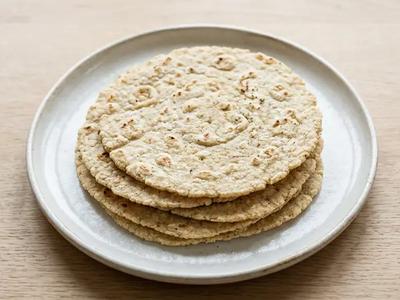
Almond Flour Tortillas
Bread and Baked Goods
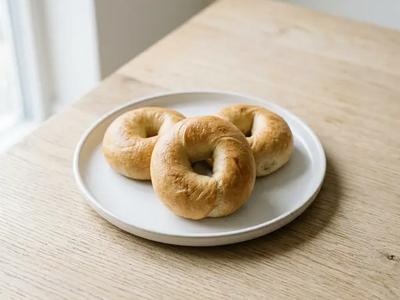
Bagels (soft, plain, no toppings)
Bread and Baked Goods
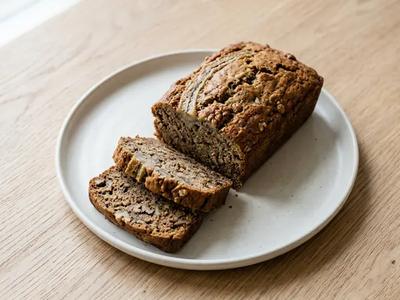
Banana Bread (Low Sugar)
Bread and Baked Goods
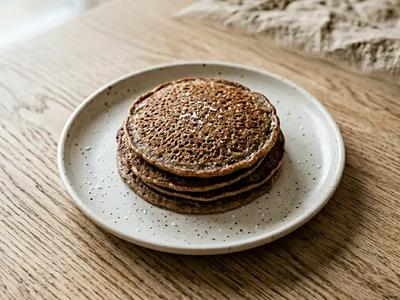
Blini (buckwheat pancake)
Bread and Baked Goods

Brioche (low sugar)
Bread and Baked Goods
Help with every meal, not just this one
SugarCurve plans your week, turns cravings into recipes and shows how your readings respond to what you eat, so following your care team's advice takes less guesswork, day after day.
- Weekly meal plans
- Recipes for your cravings
- Your numbers, in charts
- Reports for your care team
7 days free, then a subscription. Cancel anytime before the trial ends.